트럼프 미국 대통령이 이란을 상대로 다시 한 번 극단적 압박과 전략적 유연성을 동시에 구사했다. 핵 사용 가능성까지 암시하며 긴장을 최고조로 끌어올린 직후, 불과 두 시간도 남지 않은 시점에서 공격을 2주간 중단하겠다고 밝혔다. 조건은 단 하나였다. 호르무즈 해협(Strait of Hormuz)을 즉각적이고 완전하며 안전하게 개방하라는 것이다. 이는 후퇴가 아니라 압박의 재구성이다. 협상의 형식을 취하고 있지만, 본질은 강압적 구조 설정이다.
 ▲ 도널드 트럼프 대통령. ©AP/뉴시스 |
이번 결정에는 셰바즈 샤리프 파키스탄 총리와의 통화가 작용했다. 중재 채널을 활용해 출구를 마련하면서도 군사 옵션은 그대로 유지했다. 트럼프는 이란이 10개 항목의 제안을 제출했고 상당 부분 합의에 근접했다고 주장했지만, 구체적 내용은 밝히지 않았다. 이는 협상의 진전이라기보다 협상 환경 자체를 지배하려는 시도다.
이번 2주는 휴전이 아니다. 협상의 시간 압박(time pressure)과 조건부 양보(conditional concession)가 결합된 시험 구간이다. 기준은 분명하다. 호르무즈 해협의 개방 여부다. 해협이 열리면 협상은 다음 단계로 넘어가겠지만, 그렇지 않으면 군사 행동은 언제든 재개될 수 있다. 이는 상대의 행동을 유도하기 위한 전형적인 데드라인 전술(deadline tactic)이다.
이란의 대응 역시 협상 이론의 틀에서 읽힌다. 전면 수용은 체제의 붕괴로 이어지고, 전면 거부는 파괴를 부른다. 선택지는 제한적이다. 부분 수용을 통해 시간을 확보하며 협상을 지속하는 것이다. 이는 협상 결렬 시 선택 가능한 최선의 대안, 즉 배트나(BATNA, Best Alternative To a Negotiated Agreement)의 관리 전략과 맞닿아 있다. 이란은 파국적 배트나를 피하기 위해 제한적 양보를 택한 것이다.
트럼프의 접근 역시 동일한 틀에서 해석된다. 그는 핵 사용 가능성까지 언급하며 자신의 배트나를 극단적으로 상향시켰다. 협상이 결렬될 경우 감당할 수 없는 결과가 온다는 인식을 상대에게 주입하는 것이다. 이는 협상에서의 앵커링(anchoring)과 위협의 신뢰성(credible threat)을 결합한 전략이다. 출발점을 극단적으로 설정해 전체 협상 구도를 자신에게 유리하게 끌고 가려는 시도다.
문제는 이 구조가 합의 가능 영역, 즉 조파(ZOPA, Zone of Possible Agreement)를 급격히 좁히고 있다는 점이다. 협상은 이익이 교차하는 공간에서 성립한다. 그러나 핵 사용 가능성까지 포함된 압박은 상대의 선택지를 극단적으로 제한하며 협상 공간 자체를 축소시킨다.
트럼프가 언급한 ‘문명 전체의 파괴’라는 표현은 단순한 수사가 아니다. 이는 협상에서 금기선으로 여겨지는 파국적 배트나(catastrophic BATNA)를 공개적으로 제시한 것이다. 상대가 이를 현실적 가능성으로 인식하는 순간 협상력은 강화되지만, 동시에 통제 불가능한 위험도 함께 증폭된다.
앞으로의 전개는 세 갈래다. 이란이 해협을 부분적으로 개방하며 협상이 이어지는 경우, 10개 항목을 기반으로 포괄적 합의로 진입하는 경우, 그리고 조건을 거부하고 군사 충돌이 재개되는 경우다. 마지막 경우 협상은 붕괴되고 배트나가 현실이 된다. 그 순간 핵 옵션은 더 이상 가정이 아니라 선택지가 된다.
지금의 2주는 평화가 아니다. 협상의 구조를 재편하는 결정적 시간이다. 협상은 상대를 굴복시키는 기술이 아니라 새로운 질서를 만들어내는 과정이다. 그러나 배트나가 충돌로 수렴하고 조파가 사라지는 순간 협상은 끝난다. 트럼프가 시험하고 있는 것은 협상의 기술이 아니라 그 한계다. 그리고 그 한계를 넘는 순간, 협상은 사라지고 힘만이 질서를 결정한다. *필자/김정기 ● 학력- 뉴욕주립대학교(Stony Brook) 정치학과 수석 졸업- 마케트대학교(Marquette) 로스쿨 법학박사- 하버드대학교(Harvard) 케네디스쿨 최고위 과정- 베이징대학교(Peking) 북한학 연구학자
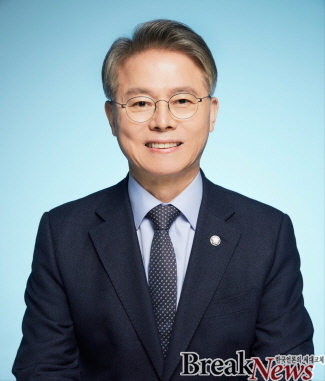
 ▲필자/김정기 칼럼니스트 ©브레이크뉴스 |
● 경력
세계스마트시티기구(WeGO) 사무총장 (현) -유엔 국제전기통신연합 (UN ITU) 가상세계 및 AI 글로벌 이니셔티브 집행위원(현) -제8대 주상하이 대한민국 총영사 -2010 상하이 세계 엑스표 대한민국관 정부대표 -법무법인 대륙아주 중국 총괄 미국변호사 -동국대학교 경영전문대학원 석좌교수 –숭실사이버대학교 총장 –칼럼니스트.
● 저서
1. 대학생을 위한 거로영어연구[전 10권](거로출판사) 2. 나는 1%의 가능성에 도전한다(조선일보사) 3. 한국형 협상의 법칙(청년정신사) 4. 대한민국과 세계 이야기 (도서출판 책미듬) 5. Korea and the World (Advance Reader Copy). Jeongkeekim@naver.com
[영문 칼럼] ● Trump’s Two-Week Pause — Negotiation or Coercion?
By Jeong-kee Kim, Political Columnist and Secretary General of the World Smart Sustainable Cities Organization(WeGO)
Donald Trump once again deployed a combination of extreme pressure and strategic flexibility toward Iran. After escalating tensions to their peak by implying the possible use of nuclear force, he announced—less than two hours before his own deadline—that the United States would suspend attacks for two weeks. The condition was singular: the immediate, full, and secure reopening of the Strait of Hormuz. This was not a retreat, but a reconfiguration of pressure. While it takes the form of negotiation, its essence is the construction of a coercive framework.
This decision was influenced in part by a phone call with Shehbaz Sharif, Prime Minister of Pakistan. By utilizing a mediation channel, Trump created a potential exit while preserving the military option intact. He claimed that Iran had submitted a ten-point proposal and that an agreement was within reach, yet disclosed no details. This suggests not progress in negotiation, but an attempt to dominate the negotiation environment itself.
The two-week period is not a ceasefire. It is a test phase combining time pressure with conditional concession. The benchmark is clear: whether the Strait of Hormuz is reopened. If it is, negotiations proceed to the next stage; if not, military action can resume at any moment. This is a classic deadline tactic designed to induce compliance.
Iran’s response can also be understood through the lens of negotiation theory. Full acceptance risks regime collapse, while outright rejection invites destruction. The remaining option is partial compliance—buying time while keeping negotiations alive. This aligns with the management of BATNA (Best Alternative to a Negotiated Agreement). Iran is choosing limited concessions to avoid a catastrophic alternative.
Trump’s approach operates within the same framework. By invoking even the possibility of nuclear use, he elevates his own BATNA to an extreme level. The message is clear: if negotiations fail, the consequences will be unbearable. This combines anchoring with credible threat—setting an extreme starting point to pull the entire negotiation structure in his favor.
The problem is that this strategy sharply narrows the Zone of Possible Agreement (ZOPA). Negotiation exists where interests overlap. However, pressure that includes even the implicit possibility of nuclear escalation constrains the opponent’s options to the point where the negotiation space itself begins to collapse.
Trump’s reference to “the destruction of an entire civilization” is not mere rhetoric. It is the explicit presentation of a catastrophic BATNA—something typically considered taboo in negotiation. While such a move may strengthen leverage if perceived as credible, it simultaneously amplifies uncontrollable risk.
From here, three paths are possible: Iran partially reopens the Strait and negotiations continue; both sides move toward a comprehensive agreement based on the ten-point framework; or Iran refuses, leading to renewed military confrontation. In the last scenario, negotiation collapses and BATNA becomes reality. At that point, the nuclear option is no longer hypothetical—it becomes a choice.
These two weeks are not peace. They are a decisive window for restructuring the negotiation framework. Negotiation is not a technique of subjugation, but a process of creating a new order. Yet when BATNAs converge toward conflict and ZOPA disappears, negotiation ends. What Trump is testing is not the art of negotiation, but its limits. And once that limit is crossed, negotiation vanishes—leaving only power to determine order. Jeongkeekim@naver.com
*Author / Jeong-kee Kim
● Education
-B.A. in Political Science (Summa Cum Laude), State University of New York at Stony Brook -Doctor of Jurisprudence, Marquette University Law School -Senior Executive Program, Harvard Kennedy School -Research Scholar in North Korean Studies, Peking University
● Professional Experience
-Secretary-General, World Smart Sustainable Cities Organization (Current) -Executive Committee Member, Virtual World & AI Global Initiative, International Telecommunication Union (Current) -8th Consul General of the Republic of Korea in Shanghai -Commissioner General, Korea Pavilion, Expo 2010 Shanghai China -Senior Attorney-at-Law, DR& Aju LLC -Distinguished Chair Professor, Graduate School of Business, Dongguk University -President, Soongsil Cyber University -Columnist
● Publications
-Georo English Studies Series for College Students (Georo Publishing) -I Challenge the Possibility of One Percent (Chosun Ilbo) -The Art of K-Negotiation (Cheongnyeonjeongsin Publishing) -Korea and the World (Chaekmideum Publishing)
*Email: Jeongkeekim@naver.com