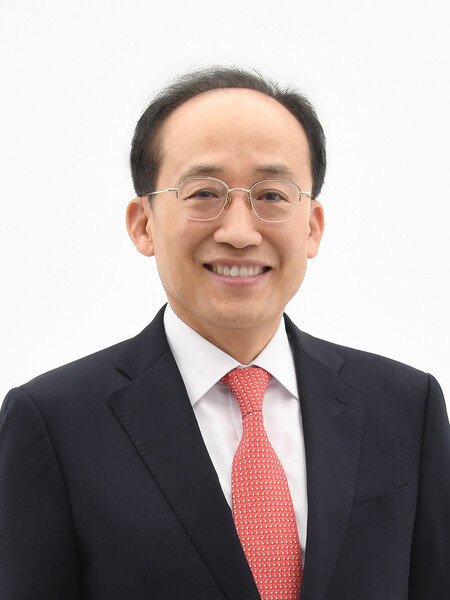
▲ 김영록 더불어민주당 전남광주특별시장 예비후보 |
(브레이크뉴스 광주·전남) 이학수 기자=김영록 더불어민주당 전남광주특별시장 예비후보가 농업 현장의 위기 극복과 미래 도약을 위한 ‘전남·광주 농업 혁신 5대 약속’을 지난 8일 발표하며 본격적인 농심(農心) 잡기에 나섰다.
김 예비후보는 이날 발표를 통해 “최근 글로벌 전쟁 여파로 농업의 안보적 가치는 상승하고 있지만, 현장은 농자재값 상승과 인력 부족 등 ‘삼중고’에 시름하고 있다”고 진단하며, 이를 해결하기 위한 구체적인 청사진을 제시했다.
가장 먼저 김 예비후보는 현재 1.3조 원 규모인 전남 농업 예산을 2조 원 시대로 확대하겠다고 공언했다. 이를 통해 생산부터 R&D, 유통, 수출에 이르는 전 과정을 체계적으로 육성해 K-농업의 표준을 만들겠다는 복안이다. 또한, 농업·농촌 기본소득을 단계적으로 확대해 선진국형 소득 안전망을 구축할 것을 약속했다.
농민들의 고질적인 불안 요소를 제거하기 위한 ‘5무(無) 농업’ 정책도 눈길을 끈다.
먼저 눈에 띄는 대목은 농가 소득의 핵심인 쌀값 안정화다. 정부와 지자체는 생산된 쌀에 대해 100% 민간 및 공공 매입을 추진한다. 이를 통해 가격 폭락을 막고 농가의 기초 소득을 확실히 보장함으로써, 매년 반복되던 농민들의 쌀값 걱정을 뿌리 뽑겠다는 계획이다.
고령화로 인한 인력난 해소를 위해 ‘공공형 근로제’가 도입된다. 개별 농가가 인력을 구하기 위해 애쓰는 대신, 공공 영역에서 직접 인력을 수급하고 관리하는 시스템을 구축한다. 이는 농번기마다 반복되는 극심한 인력 부족과 인건비 상승 문제를 해결할 실효성 있는 대책으로 평가받는다.
기후 위기로 인한 피해 보상 체계도 대폭 강화된다. 재해복구비를 100% 현실화하여 실제 피해액에 가까운 보상을 지원하고, 농민들에게 부담이 되었던 재해보험료 할증제도를 대폭 개선한다. 재해를 입고도 보험료 인상 걱정에 시름하던 농민들의 심리적·경제적 부담이 크게 줄어들 전망이다.
공급 과잉이나 소비 위축에 따른 판로 확보의 어려움은 도매시장 혁신을 통해 돌파한다. 농축산물 유통 구조를 효율적으로 대수술하여 농민은 생산에만 전념하고, 판매는 시스템이 책임지는 구조를 만들겠다는 전략이다.
축산 분야에서는 축사 시설의 현대화와 첨단화를 최우선 과제로 삼았다. ICT 기술을 접목한 스마트 축사를 통해 전염병 발생을 선제적으로 차단함으로써, ‘동물질병 없는 청정 전남·광주’를 실현한다는 방침이다.
미래 농업 인력을 위한 지원책도 포함됐다. 농업 벤처 확대와 스마트농업 육성은 물론, 청년농의 가장 큰 걸림돌인 주거와 토지 문제를 해결하기 위해 ‘청년농 희망 스테이(공공주택)’와 장기 임대 농지 제도를 도입하겠다고 밝혔다. 아울러 면세유 차액 지원과 사료비 특별 지원 등을 통해 당면한 농가 경영 위기를 정면 돌파하겠다는 의지다.
마지막으로 4차 산업혁명 시대에 발맞춰 ‘AI 첨단농업 중심지’ 조성을 제안했다. 대규모 노지 스마트 첨단영농단지를 조성해 자율주행 농기계의 활용도를 극대화하고, 국가 농업 AX(AI 전환) 플랫폼을 구축해 농업의 생산성을 획기적으로 높이겠다는 계획이다.
김영록 예비후보는 “농업인의 목소리를 정책의 이정표로 삼아 확실한 성과로 증명하겠다”며 “안보 산업인 농업이 정당한 대우를 받는 전남·광주를 반드시 만들겠다”고 강조했다.
아래는 위 기사를 '구글 번역'으로 번역한 영문 기사의 [전문] 입니다. '구글번역'은 이해도를 높이기를 위해 노력하고 있습니다. 영문 번역에 오류가 있을 수 있음을 전제로 합니다. The following is [the full text] of the English article translated by 'Google Translate'. 'Google Translate' is working hard to improve understanding. It is assumed that there may be errors in the lish translation.
Kim Young-rok, Preliminary Candidate for Mayor of Gwangju, Jeonnam, Announces ‘5 Major Promises for Agricultural Innovation’
“Opening of the Era of a 2 Trillion Won Agricultural Budget… Leading K-Agriculture and Leaping to Become a Hub for AI-Advanced Agriculture”- “No More Worries About Rice Prices and Labor”… Jeonnam and Gwangju Promote ‘5-No Agriculture’ to Reassure Farmers, Establish a ‘Safety Net’ Across All Agricultural Sectors Through the Introduction of a State-Responsible Management System and Distribution Innovation
(Break News Gwangju·Jeonnam) Reporter Lee Hak-su = Kim Young-rok, the Democratic Party of Korea’s preliminary candidate for Mayor of Gwangju, Jeonnam, has set out to win over the hearts of farmers in earnest by announcing the ‘5 Major Promises for Agricultural Innovation in Jeonnam and Gwangju’ on the 8th, aimed at overcoming the crisis in the agricultural sector and making a leap toward the future.
In his announcement, Preliminary Candidate Kim diagnosed that “while the security value of agriculture is rising due to the aftermath of recent global wars, the field is suffering from a ‘triple burden’ of rising agricultural input costs and labor shortages,” and presented a concrete blueprint to resolve these issues.
First, preliminary candidate Kim pledged to expand Jeonnam's agricultural budget from the current 1.3 trillion won to the 2 trillion won era. His plan is to establish the standard for K-agriculture by systematically fostering the entire process, from production to R&D, distribution, and export. He also promised to build an advanced income safety net by gradually expanding the basic income for agriculture and rural communities.
The "Five-No Agriculture" policy, designed to eliminate chronic anxieties for farmers, is also drawing attention.
The first notable aspect is the stabilization of rice prices, which are the core of farm household income. The central and local governments plan to pursue 100% private and public procurement of produced rice. By preventing price crashes and guaranteeing basic income for farm households, the plan aims to eradicate the recurring worries farmers have about rice prices every year.
A "Public Work System" will be introduced to address labor shortages caused by an aging population. Instead of individual farms struggling to find workers, a system will be established where the public sector directly procures and manages the workforce. This is evaluated as an effective measure to resolve the recurring issues of severe labor shortages and rising labor costs during every farming season.
The compensation system for damages caused by the climate crisis will also be significantly strengthened. Disaster recovery funds will be fully realized to provide compensation close to the actual amount of damage, and the surcharge system for disaster insurance premiums, which has been a burden on farmers, will be drastically improved. The psychological and economic burden on farmers, who have been worried about insurance premium increases even after suffering disasters, is expected to be greatly reduced.
Difficulties in securing sales channels caused by oversupply or shrinking consumption will be overcome through innovation in wholesale markets. The strategy is to efficiently overhaul the distribution structure of agricultural and livestock products to create a system where farmers can focus solely on production, while the system takes responsibility for sales.
In the livestock sector, the modernization and advancement of livestock facilities have been designated as the top priority. The plan aims to realize a "clean Jeonnam and Gwangju free from animal diseases" by preemptively blocking the outbreak of infectious diseases through smart livestock facilities incorporating ICT technology.
Support measures for the future agricultural workforce have also been included. He announced plans to introduce the ‘Young Farmer Hope Stay’ (public housing) and a long-term farmland lease system to address housing and land issues—the biggest obstacles for young farmers—in addition to expanding agricultural ventures and fostering smart agriculture. Furthermore, he expressed his determination to overcome the current management crisis facing farms head-on through measures such as subsidies for tax-exempt fuel differences and special support for feed costs.
Finally, he proposed the creation of an ‘AI Advanced Agriculture Hub’ to keep pace with the era of the Fourth Industrial Revolution. His plan involves establishing large-scale open-field smart advanced farming complexes to maximize the utilization of autonomous agricultural machinery and building a national agricultural AX (AI Transformation) platform to dramatically increase agricultural productivity.
Preliminary Candidate Kim Young-rok emphasized, “I will use the voices of farmers as the roadmap for my policies and prove them with tangible results,” adding, “I will definitely create a Jeonnam and Gwangju where agriculture, a security industry, receives fair treatment.”
원본 기사 보기:브레이크뉴스 전남