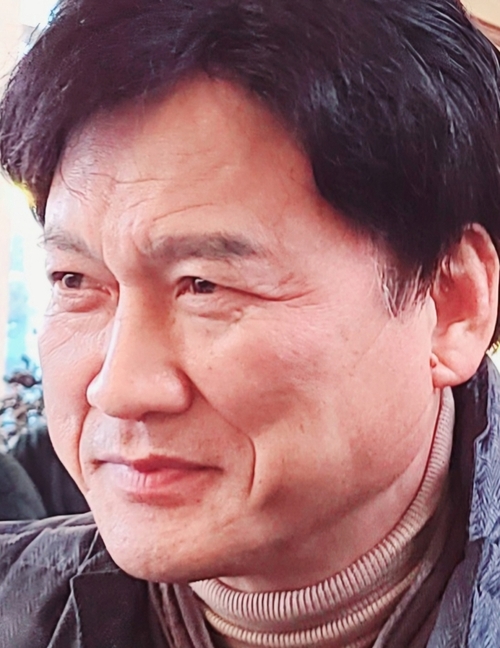
▲ 필자/이양승 군산대 교수. ©브레이크뉴스 |
어이없지만 그 패배는 의도되고 준비된 것이다. 이순신이 대활약을 할 때도 그의 패배를 바랐던 간신들이 있었다. 한국 보수가 처한 위기 상황을 냉정하게 말하면 '방치된 위기’에 가깝다. 지지율을 보면 경천동지할 수준이다. 여론조사에서 민주당이 과반을 넘기고, 국힘이 20% 초반에 머무른다는 것은 단순한 열세가 아니라 정치적 존재감 자체가 미약해지고 있다는 신호다. 그런데도 당권파는 여전히 현실을 직시하지 못하고 있다.
더 심각한 것은 지지율이 아니라 ‘기대의 붕괴’다. 선거 전망에서조차 보수층이 패배를 예상한다는 것은, 단순한 전략 실패가 아니라 지지 기반의 심리적 이탈을 의미한다. 정치에서 가장 중요한 것은 ‘이길 수 있다’는 믿음이다. 그 믿음이 사라지는 순간, 투표율은 무너지고 조직은 와해되며, 선거는 시작도 하기 전에 끝난다. 지금 국힘이 정확히 그 단계에 들어섰다.
이런 상황에서 당권파가 보여주는 태도는 솔직히 말해 무능을 넘어 무책임에 가깝다. 선거가 두 달도 남지 않은 시점에 전국을 돌며 조직을 결집시키기는커녕 해외 일정에 나서는 모습은, 전쟁을 앞둔 장수가 전장을 떠나는 것과 다르지 않다. 더 황당한 것은 “선거 이후에 당을 바꾸겠다”는 식의 발언이다. 선거는 미래를 위한 과정이 아니라 지금의 생존을 결정하는 시험대다. 시험을 망치고 나서 교과서를 고치겠다는 말은, 학생이 낙제한 뒤 공부 방법을 고민하겠다는 것과 다를 바 없다.
이쯤 되면 묻지 않을 수 없다. 이 당권파는 과연 선거를 이길 의지가 있는가. 아니면 '당권'을 오로지 하기 위해 패배를 전제로 자기 열등화 전략에 골몰하고 있는 것인가. 정치에서 전략 부재는 단순한 실수가 아니다. 그것은 곧 상대에게 승리를 헌납하는 행위다. 지금 국힘 당권파의 행태는 결과적으로 민주당을 견제하기는커녕 민주당의 장기 집권 가능성을 스스로 열어주는 역할을 하고 있다.
더 큰 문제는 이것이 단순한 정당의 위기를 넘어, 한국 정치의 균형을 무너뜨릴 수 있다는 점이다. 건강한 민주주의는 경쟁을 전제로 한다. 한쪽이 무너지면 다른 한쪽도 결국 긴장을 잃고 퇴행한다. 보수의 붕괴는 곧 정치 전체의 질적 하락으로 이어진다. 그런 점에서 지금의 상황은 특정 정당의 실패가 아니라 체제 균형의 위기다.
그럼에도 불구하고 당권파는 위기의 본질을 전혀 이해하지 못하고 있다. 위기 상황에서 필요한 것은 메시지의 재정비, 인물의 전면 배치, 조직의 총동원이다. 하지만 지금 보이는 것은 그 반대다. 메시지는 흐릿하고, 인물은 숨어 있으며, 조직은 움직이지 않는다. 이 상태라면 선거는 ‘패배’가 아니라 ‘참패’로 귀결될 가능성이 높다.
정치는 냉혹하다. 유권자는 무능한 조직에 기회를 주지 않는다. 특히 스스로 싸울 의지조차 보이지 않는 집단에는 더욱 그렇다. 지금 국힘이 보여주는 모습은 ‘패배할 수밖에 없는 정당’이 아니라, ‘패배를 선택한 정당’에 가깝다.
보수층이 좌절하는 이유도 바로 여기에 있다. 상대가 강해서가 아니라, 자신의 편이 싸우지 않기 때문이다. 싸우지 않는 지도부, 전략 부재, 현실을 외면한채 당권 투쟁에만 골몰하는 당권파 주위의 헛똑똑이들. 세 가지가 결합된 결과는 이미 정해져 있다. 패배다. 그것도 준비된 패배다.
지금이라도 늦지 않았다. 하지만 시간이 거의 없다. 당권파가 이 상황을 끝까지 외면한다면, 이번 지방선거는 단순한 패배를 넘어 보수 정치의 구조적 붕괴를 공식화하는 사건이 될 것이다. 그리고 그 책임은 외부가 아니라, 전적으로 내 즉 바로 지금의 지도부에게 돌아갈 것이다. yslee1992@hotmail.com
*필자/이양승
군산대 교수. 국제경제, 게임이론 그리고 지역 발전전략에 대해 연구하는 학자이다. 현재 국립 군산대 무역학과 교수로 재직 중이다. 이전엔 캐나다 앨버타 대학교(University of Alberta) 경제학과에서 ‘게이임(gaming)’에 대해 연구와 강의를 했으며, 한국건설산업연구원에서 연구위원으로 근무했다.
전북 남원에서 출생해 전주한일고와 전북대 상과대학을 졸업했다. 이후 미국으로 건너가 노스 캐롤라이나 주립대학교 (North Carolina State University)에서 통계학과 경제학을 공부해 석사를 받았으며, 캔자스 대학교(The University of Kansas)에서 산업조직과 게임이론에 대한 연구로 경제학 박사를 받았다.
저서로는 '메트로 이코노미 (타임라인)'과 ‘와일드 게임이론 (박영사)’, ‘무역학개론(공저, 두남)’, ‘문화지체에 빠진 건설산업 (공저, 한국건설산업연구원)’ '자유무역론(박영사)' 등이 있고, 36편의 단독연구 학술논문이 있다.
*아래는 위 기사를 '구글 번역'으로 번역한 영문 기사의 [전문]입니다. '구글번역'은 이해도 높이기를 위해 노력하고 있습니다. 영문 번역에 오류가 있을 수 있음을 전제로 합니다.<*The following is [the full text] of the English article translated by 'Google Translate'. 'Google Translate' is working hard to improve understanding. It is assumed that there may be errors in the English translation.>
A Prepared Defeat of the Korean System by the Power Party's Leadership Faction
- Lee Yang-seung, Professor at Kunsan National University
It may sound absurd, but that defeat was intentional and prepared. Even when Admiral Yi Sun-sin was performing great feats, there were treacherous courtiers who wished for his defeat. To put it coldly, the crisis facing Korean conservatism is akin to a "neglected crisis." Looking at the approval ratings, the situation is earth-shattering. The fact that the Democratic Party surpasses a majority in opinion polls while the People Power Party lingers in the low 20% range is not merely a sign of being at a disadvantage, but a signal that their very political presence is weakening. Yet, the leadership faction still fails to face reality.
What is more serious is not the approval ratings, but the "collapse of expectation." The fact that the conservative base anticipates defeat even in election forecasts signifies not just a simple strategic failure, but a psychological defection from the support base. The most important thing in politics is the belief that "we can win." The moment that belief vanishes, voter turnout collapses, the organization disintegrates, and the election ends before it even begins. The People Power Party has now entered exactly that stage.
** In this situation, the attitude displayed by the ruling faction is, frankly speaking, akin to irresponsibility rather than incompetence. With less than two months remaining until the election, their decision to embark on overseas schedules instead of touring the country to rally the organization is no different from a general abandoning the battlefield before a war. Even more absurd are their remarks along the lines of, "We will change the party after the election." An election is not a process for the future, but a test that determines one's current survival. Saying they will fix the textbook after failing the exam is no different from a student contemplating how to study after failing the course.
At this point, one cannot help but ask: Does this ruling faction truly have the will to win the election? Or are they engrossed in a strategy of self-deprecation, premised on defeat, solely to secure "party power"? In politics, a lack of strategy is not merely a mistake. It is an act of handing victory over to the opponent. Consequently, the current behavior of the People Power Party's ruling faction is not only failing to keep the Democratic Party in check, but is actually opening the door to the possibility of the Democratic Party's long-term hold on power.
The greater problem is that this goes beyond a mere party crisis and could disrupt the balance of Korean politics. A healthy democracy is premised on competition. If one side collapses, the other eventually loses its vigilance and regresses. The collapse of conservatism leads directly to a qualitative decline in politics as a whole. In this sense, the current situation is not merely the failure of a specific party, but a crisis of systemic balance.
Nevertheless, the faction in power completely fails to understand the true nature of the crisis. What is needed in a crisis situation is a reorganization of the message, the prominent placement of key figures, and the total mobilization of the organization. However, what is currently visible is the opposite. The message is vague, the figures are hidden, and the organization is immobile. In this state, the election is highly likely to result in a "crushing defeat" rather than a mere "defeat."
Politics is ruthless. Voters do not give opportunities to incompetent organizations. This is especially true for groups that do not even show the will to fight on their own. The image the People Power Party is currently displaying is closer to that of a "party that has chosen defeat" rather than a "party destined to lose."
This is precisely why the conservative base is becoming frustrated. It is not because the opponent is strong, but because one's own side is not fighting. A leadership that does not fight, a lack of strategy, and the self-righteous fools surrounding the faction in power who are obsessed solely with the struggle for party dominance while ignoring reality. The result of these three factors combined is already predetermined. It is defeat. And a prepared defeat at that.
It is not too late, even now. However, there is almost no time left. If the faction in power continues to ignore this situation to the very end, this local election will go beyond a mere defeat and become an event that formalizes the structural collapse of conservative politics. And the responsibility for this will fall not on the outside, but entirely on me—that is, on the current leadership. yslee1992@hotmail.com
*Author/Lee Yang-seung
Professor at Kunsan National University. He is a scholar who researches international economics, game theory, and regional development strategies. He is currently a professor in the Department of International Trade at Kunsan National University. Previously, he researched and lectured on "gaming" at the Department of Economics at the University of Alberta in Canada and worked as a research fellow at the Korea Institute of Construction Industry Research.
Born in Namwon, Jeonbuk, he graduated from Jeonju Hanil High School and the College of Commerce at Jeonbuk National University. He then moved to the United States, where he studied statistics and economics at North Carolina State University and received a master's degree. He later earned a Ph.D. in economics from the University of Kansas with research on industrial organization and game theory.
His publications include *Metro Economy* (Timeline), *Wild Game Theory* (Park Youngsa), *Introduction to Trade* (co-authored, Dunam), *The Construction Industry in Cultural Lag* (co-authored, Korea Institute of Construction Technology), and *Free Trade* (Park Youngsa), as well as 36 academic papers based on his own research.