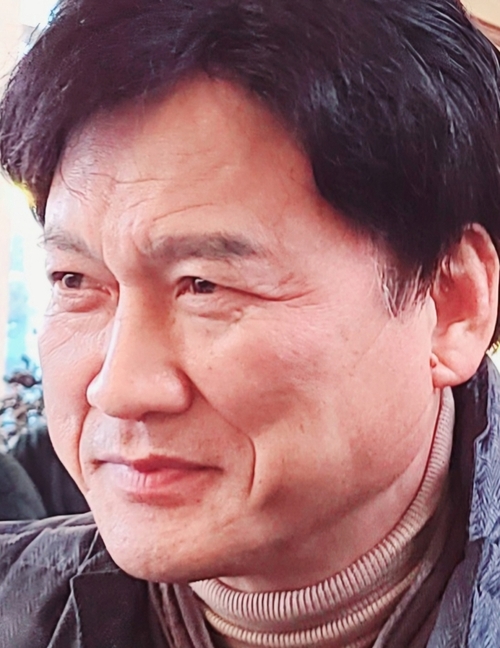
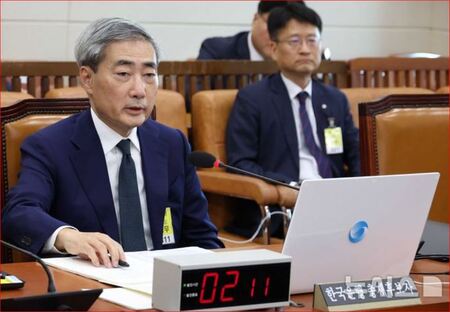
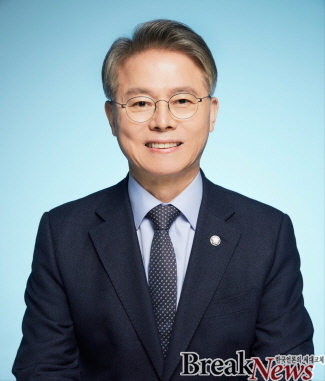
▲ 김영록 전남광주특별시장 예비후보 |
(브레이크뉴스 광주·전남) 이학수 기자=더불어민주당 김영록 전남광주특별시장 예비후보가 초고령화 사회 진입에 따른 ‘간병 비극’을 멈추기 위한 민생 행보에 나섰다.
김 예비후보는 9일, 민간 대비 간병비 부담이 절반 수준인 공공요양원을 30곳까지 확충하고, 치매 환자의 주거 독립성을 보장하는 ‘치매안심 마을’ 조성 등을 골자로 한 노인복지 공약을 발표했다.
현재 광주·전남의 65세 이상 노인 인구 비중은 20%를 상회하며 이미 초고령 사회에 진입했다. 치매 환자 역시 급증하고 있으나, 지역 내 대비책은 미비해 환자 가족들이 경제적 몰락인 ‘간병 파산’ 위기에 노출되어 있다는 지적이 제기되어 왔다.
이에 김 예비후보는 현재 12곳에 불과한 공공요양원을 시군구당 1곳 꼴인 30곳까지 확대 설립하겠다고 밝혔다. 이를 통해 어르신들이 살던 동네 인근에서 저렴한 비용으로 양질의 요양 서비스를 받을 수 있도록 하겠다는 구상이다.
또한, 실질적인 가계 보탬을 위해 저소득층 노인 간병비 지원 제도화를 약속했다. 70세 이상 노인을 대상으로 연간 최대 100만 원까지 간병비를 지원해 가족들의 돌봄 부담을 국가와 지방정부가 나누겠다는 의지다.
특히 눈에 띄는 대목은 기존의 폐쇄적·집단 수용 방식에서 벗어난 ‘전남광주형 치매안심 마을’ 5개소 시범 조성 공약이다. 이는 치매 환자를 격리 대상이 아닌 ‘평범한 이웃’으로 바라보는 인식의 전환을 담고 있다.
유니트 케어(Unit Care) 도입이다 4~6명의 치매 어르신이 한 집에서 가정을 이루어 생활하는 방식이다. 개인의 독립된 방을 보장해 프라이버시를 지키되, 거실과 주방을 공유하며 유대감을 형성해 사회적 고립을 방지한다.
마을 단위 안전망이다 마을 전체를 ‘치매 안전지대’로 설계한다. 전문 인력이 상주하는 가운데, 환자들이 산책로, 커뮤니티 공간, 상점 등을 자유롭게 이용하며 존엄한 일상을 유지할 수 있도록 돕는다.
김 예비후보는 이번 공약을 발표하며 강력한 추진 의지를 피력했다. 그는 “가족 중 한 사람이 쓰러지는 순간, 나머지 가족의 삶까지 멈춰버리는 비극을 이제는 끝내야 한다”며 “간병부터 치매까지, 병원비 걱정 없는 통합특별시를 만드는 여정의 맨 앞에 서겠다”고 강조했다.
지역 정가에서는 이번 공약이 고령화 문제가 심각한 광주·전남 지역 민심을 공략하는 핵심 승부수가 될 것으로 보고 있다.
아래는 위 기사를 '구글 번역'으로 번역한 영문 기사의 [전문] 입니다. '구글번역'은 이해도를 높이기를 위해 노력하고 있습니다. 영문 번역에 오류가 있을 수 있음을 전제로 합니다. The following is [the full text] of the English article translated by 'Google Translate'. 'Google Translate' is working hard to improve understanding. It is assumed that there may be errors in the lish translation.
Kim Young-rok, Preliminary Candidate for Mayor of Gwangju, Jeonnam, Announces Elderly Welfare Pledges to Prevent ‘Caregiving Bankruptcy’
Significant Expansion of Public Nursing Homes to 30… Annual Support of 1 Million Won for Caregiving Costs for Low-Income Families – “Will Protect Patient Dignity by Creating Pilot Dementia-Friendly Villages”
(Break News Gwangju·Jeonnam) Reporter Lee Hak-su = Kim Young-rok, the Democratic Party of Korea’s preliminary candidate for Mayor of Gwangju, Jeonnam, has embarked on a public welfare initiative to halt the ‘caregiving tragedy’ resulting from the entry into a super-aged society.
On the 9th, Preliminary Candidate Kim announced elderly welfare pledges centered on expanding public nursing homes to 30 locations—where caregiving costs are half the level of private facilities—and creating ‘Dementia-Friendly Villages’ to guarantee residential independence for dementia patients.
Currently, the proportion of the population aged 65 and older in Gwangju and Jeonnam exceeds 20%, and the region has already entered a super-aged society. It has been pointed out that while the number of dementia patients is rapidly increasing, local countermeasures are inadequate, leaving patients' families vulnerable to the crisis of "caregiving bankruptcy," a form of economic ruin.
In response, Preliminary Candidate Kim announced plans to expand the number of public nursing homes from the current mere 12 to 30, averaging one per city, county, or district. The vision is to enable the elderly to receive high-quality care services at affordable costs in their own neighborhoods.
Furthermore, to provide substantial financial support to low-income elderly families, he pledged to institutionalize a support system for caregiving expenses. This initiative aims to share the burden of caregiving between the national and local governments by providing up to 1 million won annually in caregiving subsidies for seniors aged 70 and older.
A particularly noteworthy pledge is the establishment of five pilot "Jeonnam-Gwangju-style Dementia-Friendly Villages," moving away from the existing closed, collective institutionalization approach. This initiative embodies a shift in perception, viewing dementia patients not as subjects for isolation, but as "ordinary neighbors." One initiative is the introduction of "Unit Care," a system where four to six elderly individuals with dementia live together as a single household. While ensuring privacy by guaranteeing individual private rooms, they share the living room and kitchen to foster a sense of community and prevent social isolation.
Another initiative is a village-level safety net, designing entire villages as "Dementia Safe Zones." With professional staff stationed on-site, the system helps patients maintain a dignified daily life by allowing them to freely use walking paths, community spaces, and shops.
Announcing this pledge, prospective candidate Kim expressed a strong determination to push it forward. He emphasized, "We must put an end to the tragedy where the lives of the rest of the family come to a halt the moment one member collapses," adding, "I will stand at the forefront of the journey to create a unified special city free from worries about hospital bills, covering everything from caregiving to dementia."
Local political circles view this pledge as a key strategic move to win over public sentiment in the Gwangju and Jeonnam regions, where the issue of an aging population is severe.
원본 기사 보기:브레이크뉴스 전남