|
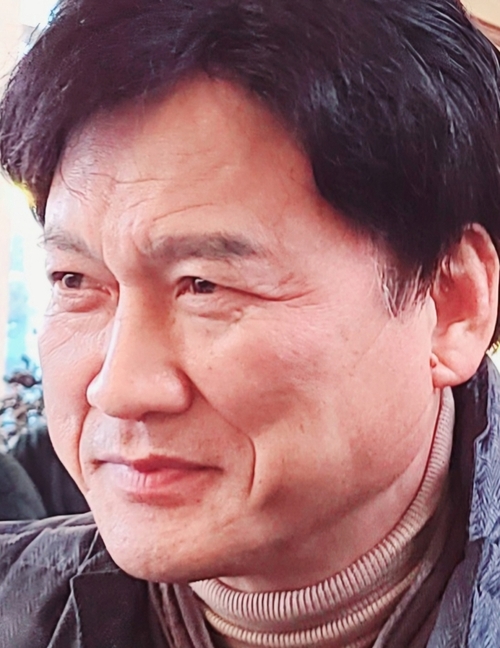
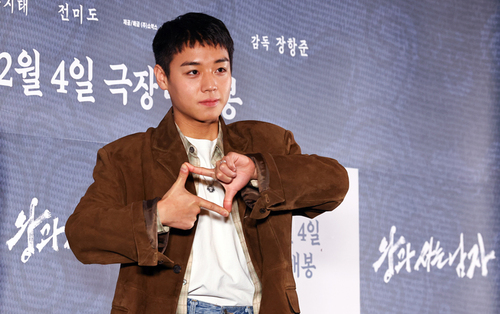
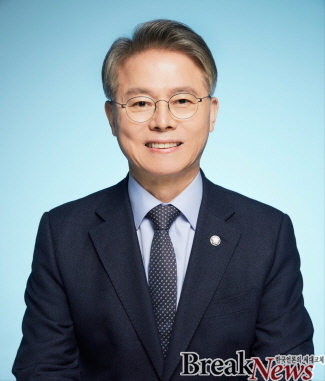
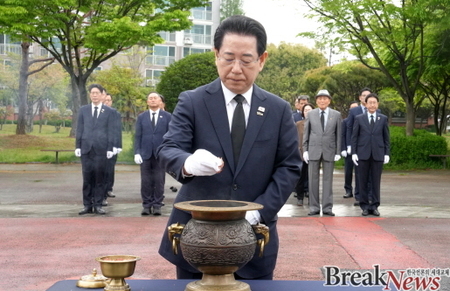
(브레이크뉴스 광주·전남) 이학수 기자=김영록(사진) 민주당 전남광주특별시장 예비후보는 광주권 그린벨트(개발제한구역)에 대해 전략적 해제 등을 포함한 전면 재설계를 단행하겠다는 공약을 10일 발표했다.
현재 광주권 그린벨트는 광주 244㎢, 장성 79㎢, 나주 39㎢, 담양 108㎢, 화순 41㎢ 등 모두 511㎢가 지정돼 있다.
그린벨트는 1970년 도입 초기 대도시의 무분별한 팽창 방지에 기여했지만, 2000년 이후 수도권 중심의 성장주도 정책으로 지역 격차가 심화되고 있는 상황에서는 오히려 지역 소멸을 가속화 시키는 요인으로 작용하고 있다는 지적이 많다.
2024년부터 정부가 그린벨트 규제완화 정책을 시행하고 있지만, 주민들의 누적된 피해 보상은 여전히 미흡하며, 지역 소멸 방지에도 별다른 도움이 되지 않는 상황이다.
이에 따라 김 예비후보는 우선 그린벨트 내 주민 지원사업을 대폭 확대한다는 방침이다. 국비와 재정 인센티브를 활용해 도로, 주차장 등 생활기반시설 확충을 적극 추진할 생각이다.
특히 화순과 나주에 각각 국가전략산업단지를 추가 지정해 인근 그린벨트 해제를 추진할 계획이다. 국가전략산단으로 지정될 경우 정부가 규정해 놓은 그린벨트 해제 가능 총량에서 제외돼 그린벨트를 추가로 해제하는 효과가 있다.
이미 국가전략산단으로 지정된 광주 미래차산단, 장성 나노 제2일반산단, 담양 제2일반산단은 보다 신속하게 그린벨트 해제를 추진하고, 나주와 화순에 국가전략산단 한 곳씩을 새로 지정해 추가 해제를 추진한다는 구상이다.
김 예비후보는 이와 함께 광주 군공항 이전 자리에는 인공지능(AI)와 반도체 융복합 클러스터를 중심으로 한 ‘빛의 혁신밸리’를 건설, 그린벨트를 해제한다는 복안이다. 이 곳 역시, 정부가 정한 그린벨트 해제물량 외에 별도의 면적으로 해제를 추진할 계획이다.
광주 시가지에 위치한 군부대(31사단)을 이전하고 이전지 주변 그린벨트를 해제, K-방산 산단과 문환·여가·주거 복합단지를 조성하는 방안도 내놓았다.
끝으로 광주를 둘러싼 도너츠형 그린벨트 중 나주 혁신도시 방면으로 개발축을 설정, 큰 폭의 그린벨트 해제를 시범적으로 추진하는 방안도 담았다.
김 예비후보는 “지금의 그린벨트는 주민 불편은 물론 오히려 지역 발전을 저해하는 요소로 작용하고 있다”며 “그린벨트를 규제가 아닌 미래를 설계하는 자산으로 바꾸겠다”고 말했다.
아래는 위 기사를 '구글 번역'으로 번역한 영문 기사의 [전문] 입니다. '구글번역'은 이해도를 높이기를 위해 노력하고 있습니다. 영문 번역에 오류가 있을 수 있음을 전제로 합니다. The following is [the full text] of the English article translated by 'Google Translate'. 'Google Translate' is working hard to improve understanding. It is assumed that there may be errors in the lish translation.
Kim Young-rok, Preliminary Candidate for Mayor of Gwangju, Announces Pledge for "Comprehensive Redesign of Gwangju Greenbelt"
Pushing for ‘Strategic Deregulation’ Including Designation of National Strategic Industrial Complexes and Utilization of Former Military Base Sites
(Break News Gwangju·Jeonnam) Reporter Lee Hak-su = Kim Young-rok (pictured), the Democratic Party’s preliminary candidate for Mayor of Gwangju, Jeonnam, announced on the 10th a pledge to carry out a comprehensive redesign of the Gwangju Greenbelt (development restriction zone), including strategic deregulation.
Currently, the Gwangju Greenbelt covers a total of 511㎢, comprising 244㎢ in Gwangju, 79㎢ in Jangseong, 39㎢ in Naju, 108㎢ in Damyang, and 41㎢ in Hwasun. While the Greenbelt contributed to preventing the indiscriminate expansion of large cities when it was first introduced in 1970, many point out that since 2000, with regional disparities deepening due to growth-driven policies centered on the Seoul metropolitan area, it is instead acting as a factor accelerating regional decline.
Although the government has been implementing policies to ease Greenbelt regulations since 2024, compensation for accumulated damages suffered by residents remains insufficient, and the measures are not providing significant help in preventing regional decline.
Accordingly, Preliminary Candidate Kim plans to prioritize significantly expanding support programs for residents within the Greenbelt. He intends to actively promote the expansion of essential infrastructure, such as roads and parking lots, by utilizing state funds and financial incentives.
In particular, he plans to pursue the lifting of Greenbelt restrictions in nearby areas by designating additional National Strategic Industrial Complexes in Hwasun and Naju. Designation as a National Strategic Industrial Complex excludes the area from the total amount of Greenbelt land that can be released by the government, effectively allowing for the lifting of additional Greenbelt restrictions. The plan envisions accelerating the lifting of greenbelt restrictions for the Gwangju Future Car Industrial Complex, Jangseong Nano 2nd General Industrial Complex, and Damyang 2nd General Industrial Complex, which have already been designated as National Strategic Industrial Complexes, while also pursuing additional lifting of restrictions by designating one new National Strategic Industrial Complex each in Naju and Hwasun.
Along with this, Preliminary Candidate Kim has a plan to lift the greenbelt restrictions on the site of the relocated Gwangju Military Airport by constructing a "Valley of Light" centered on an artificial intelligence (AI) and semiconductor convergence cluster. For this site as well, the plan is to pursue the lifting of restrictions on a separate area, distinct from the greenbelt release quota set by the government.
He also proposed a plan to relocate the military unit (31st Division) located in downtown Gwangju, lift the greenbelt restrictions around the relocation site, and develop a K-Defense Industrial Complex as well as a mixed-use complex for culture, leisure, and residential use.
Finally, the plan includes establishing a development axis toward the Naju Innovation City within the donut-shaped greenbelt surrounding Gwangju, and implementing a pilot project for a significant lifting of greenbelt restrictions. Preliminary candidate Kim stated, “The current green belt not only causes inconvenience to residents but actually acts as a factor hindering regional development,” adding, “I will transform the green belt from a regulation into an asset that designs the future.”
원본 기사 보기:브레이크뉴스 전남