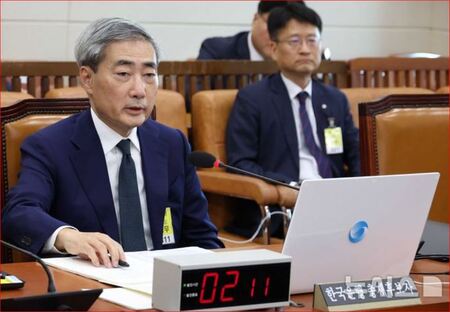
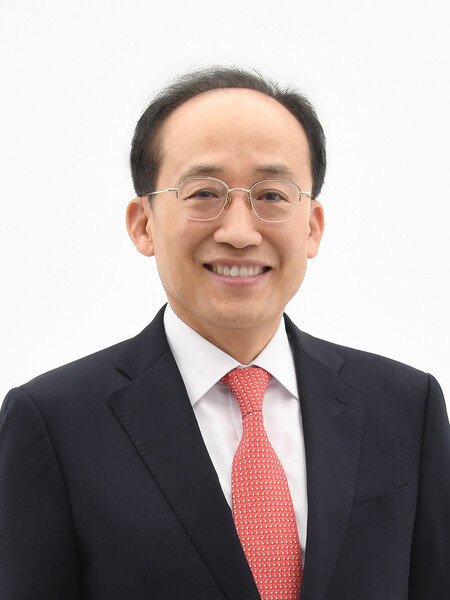
▲ 대전시과학기술위원회 개최 사진=대전시 제공 © 김정환 기자 |
대전광역시가 일류 경제도시 실현을 위해 2026년 과학기술 분야에 약 4,370억 원 규모의 대대적인 투자를 단행한다. 구축된 인프라를 바탕으로 실질적인 경제 성과를 창출하고, 대덕특구의 기술력이 지역 산업 전반으로 확산되는 선순환 구조를 완성한다는 복안이다.
대전시는 10일 시청 중회의실에서 이장우 대전시장과 대덕연구개발특구 내 주요 출연연 기관장, 지역 대학 총장 등 산·학·연·관 전문가들이 참석한 가운데 ‘대전광역시 과학기술위원회’를 개최하고, ‘2026년 대전과학기술진흥 시행계획’을 심의·의결했다.
이번 시행계획은 지난 2025년 거둔 방위사업청 대전 시대 개막, 국가 양자거점 선정 등의 성과를 기반으로 수립됐다.
대전시는 지난해 당초 목표치 대비 117.1%의 높은 성과 달성률을 보인 바 있다. 2026년에는 이러한 기반시설을 경제적 부가가치로 전환하기 위해 ‘핵심 전략산업 고도화 및 실증·사업화·투자 연계를 통한 가시적 성과 창출’을 핵심 목표로 설정하고 4대 전략, 86개 세부 과제를 추진한다.
투입 예산은 국비 1,879억 원, 시비 1,146억 원, 민간 자본 1,344억 원 등 총 4,369억 원 규모다.
먼저 우주, 바이오헬스, 나노·반도체, 국방, 양자, 로봇 등 6대 핵심 산업의 경쟁력 강화를 위해 906억 원을 투입한다. 국산 AI 반도체 기반의 마이크로 데이터센터 확산과 첨단 바이오제조 글로벌 혁신특구 운영 등을 통해 기술 격차를 벌린다는 계획이다.
이어 1,180억 원을 들여 과학산업 육성 생태계를 조성한다. 대전 전역을 실증 테스트베드화하여 신기술의 시장 진입을 돕고, 노후 산업단지의 구조 고도화를 추진한다.
특히 대전투자금융(주)의 본격적인 운영을 통해 지역 내 벤처·스타트업에 대한 투자 선순환 체계를 공고히 한다.
글로벌 경쟁력 확보를 위한 연구 거점 조성에도 1,108억 원이 배정됐다. 대덕특구 융합연구혁신센터와 마중물 플라자 조성을 속도감 있게 추진하고, 세계경제과학도시(GINI) 간 공동협력 사업을 확대해 글로벌 R&D 네트워크와 기업 유치를 강화한다.
미래 동력인 인재 양성 및 과학문화 확산에는 가장 많은 금액인 1,175억 원이 투입된다. KAIST 혁신 디지털 의과학원 및 양자대학원을 지원해 전문 인력을 확보하고, 지역혁신중심 대학지원체계(RISE)를 기반으로 지역 특화 인재를 길러낼 방침이다.
*아래는 위 기사를 '구글 번역'으로 번역한 영문 기사의 [전문]입니다. '구글번역'은 이해도를 높이기를 위해 노력하고 있습니다. 영문 번역에 오류가 있을 수 있음을 전제로 합니다.<*The following is [the full text] of the English article translated by 'Google Translate'. 'Google Translate' is working hard to improve understanding. It is assumed that there may be errors in the English translation.>
Daejeon City to Invest 436.9 Billion Won in Science and Technology Promotion by 2026…
Implementation Plan for 2026 of the ‘Daejeon Science and Technology Promotion Comprehensive Plan’: 4 Major Strategies and 86 Tasks to be Pursued
Daejeon Metropolitan City is undertaking a massive investment of approximately 437 billion won in the science and technology sector by 2026 to realize its vision of becoming a world-class economic city. The plan envisions generating tangible economic results based on established infrastructure and completing a virtuous cycle where the technological prowess of the Daedeok Special Research and Development Zone spreads throughout the entire regional industry.
On the 10th, Daejeon City held the ‘Daejeon Metropolitan City Science and Technology Committee’ meeting at the City Hall conference room. The meeting was attended by experts from industry, academia, research, and government, including Mayor Lee Jang-woo, heads of major government-funded research institutes within the Daedeok Special Research and Development Zone, and university presidents. During the meeting, the committee deliberated and approved the ‘2026 Daejeon Science and Technology Promotion Implementation Plan.’
This implementation plan was formulated based on achievements from 2025, such as the opening of the Defense Acquisition Program Administration’s era in Daejeon and the selection of the city as a national quantum hub. Last year, Daejeon City achieved a high performance rate of 117.1% compared to its initial target. By 2026, to convert this infrastructure into economic added value, the city has set "creating tangible results through the advancement of core strategic industries and the linkage of demonstration, commercialization, and investment" as its core objective and will pursue four major strategies and 86 detailed tasks.
The total budget allocated amounts to 436.9 billion won, comprising 187.9 billion won in national funds, 114.6 billion won in city funds, and 134.4 billion won in private capital.
First, 90.6 billion won will be invested to strengthen the competitiveness of six key industries: space, biohealth, nano/semiconductor, defense, quantum, and robotics. The plan is to widen the technological gap through the expansion of micro data centers based on domestically produced AI semiconductors and the operation of a global innovation special zone for advanced bio-manufacturing.
Subsequently, 118 billion won will be invested to establish an ecosystem for fostering science industries. The entire city of Daejeon will be transformed into a demonstration testbed to facilitate the market entry of new technologies, and the structural upgrading of aging industrial complexes will be promoted.
In particular, the full-scale operation of Daejeon Investment Finance Co., Ltd. will solidify a virtuous cycle of investment for local ventures and startups.
110.8 billion won has also been allocated to establish research hubs to secure global competitiveness. The construction of the Daedeok Special Economic Zone Convergence Research Innovation Center and Majungmul Plaza will be accelerated, and joint cooperation projects with Global Independent Economic and Scientific Cities (GINI) will be expanded to strengthen global R&D networks and attract companies.
The largest amount, 117.5 billion won, will be invested in fostering talent and spreading scientific culture as future engines. The plan is to secure specialized personnel by supporting the KAIST Institute of Innovation Digital Medical Sciences and the Graduate School of Quantum Science, and to cultivate regionally specialized talent based on the Regional Innovation Center University Support System (RISE).
원본 기사 보기:브레이크뉴스대전세종충청