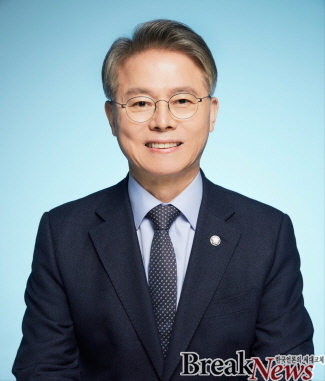
▲필자/ 이양승 군산대 교수. ©브레이크뉴스 |
원래는 “불의는 참아도 불이익은 못 참는다”이다. 한동훈 국민의힘 전 대표는 반대다. 그래서 그는 한국에서 보기 드문 유형인 것이다.
한동훈 페북 글이 화제가 되고 있다. 이유는 단순한 학창시절 추억담 때문만은 아니다. 그 글 속에는 한 사람의 오래된 행동 원리가 압축되어 있기 때문이다. 고등학교 시절 그는 공부를 누구보다 잘하던 모범생 반장이었을 것이다. 하지만 흔히 상상하는 ‘조용한 우등생’이 아니었다. 자기 반에서 힘없는 아이들을 괴롭히는 학생들을 보면 그냥 지나치지 않았다고 한다. 제지했고, 맞섰고, 때로는 자신이 맞기도 했다. 공부 잘하는 학생이라면 대개 손해 볼 일을 피하려 하기 마련인데, 그는 달랐다. 그 점이 지금 사람들의 시선을 붙든다.
게임이론 시각에서 보면 이는 매우 흥미로운 사례다. 사회의 많은 엘리트들, 지식인, 관료, 정치인의 전략 즉, 그 '행동 규범'은 “불의는 참아도 불이익은 못 참는다”이다. 정의가 훼손되는 장면을 보아도, 그것에 맞서다가 자신이 손해를 볼 가능성이 있으면 침묵하는 것이다. 이는 일종의 내쉬균형이다. 모두가 그렇게 행동하면 개인에게는 가장 안전하다. 누구도 먼저 위험을 감수하지 않으니, 침묵은 반복되고 불의는 구조화된다.
즉 그 균형은 (침묵, 침묵)인 것이다.
이 균형은 안정적이다. 왜냐하면 각자가 혼자 전략을 바꾸어 정의를 위해 나선다면 즉각 불이익이 돌아가기 때문이다. 그래서 비겁함은 개인의 성격 문제가 아니라, 구조 속에서 합리화된 선택이 될 수밖에 없다.
그런데 한동훈의 학창시절 일화는 이 균형을 깨는 유형의 인간을 보여준다. 그의 전략은 정반대로 “불이익은 참아도 불의는 못 참는다.” 다시 말해, 자신에게 돌아올 ‘불이익’을 감수하더라도 ‘불의’를 방치하지 않는 것이다.
게임이론의 언어를 빌면, 이는 자신이 비용을 들여서라도 규칙 자체를 바꾸겠다는 맹약으로 해석될 수 있다. 한 사람이 반복적으로 그런 행동을 하면 주변 ‘플레이어’들의 생각도 변하게 된다. 괴롭히는 학생은 저항 비용을 계산하게 되고, 침묵하던 다수는 새로운 균형의 실현 가능성을 보게 된다. 정의를 위해 움직이는 행위가 단순한 ‘도덕성’의 문제가 아니라, 정의가 실현되도록 하는 유인체계 설계의 문제인 것이다.
한동훈의 페북 마지막 문장, “마음은 그때 그대로네. 그래서 지금도 여기저기서 맞고 다니네 ㅎ”는 그래서 가볍지만 무겁다. 이는 농담처럼 들리지만 사실은 자기 삶을 관통하는 ‘행동 계획’을 요약한 걸로 들린다. 손해를 감수하더라도 부당함 앞에서 물러서지 않는 사람. 많은 이들이 불의보다 불이익을 더 두려워하는 시대에, 그런 사람은 드물다.
정치도 마찬가지다. ‘침묵의 균형’을 강요하고, ‘침묵의 균형’이 강요된다. 괜히 나섰다가 공격받고, 불이익을 받고, 고립될 수 있다. ‘저신뢰’ 사회는 모두가 그러한 ‘침묵의 균형’에 안주하기 때문이다. 반대로 누군가가 불이익을 감수하며 균형을 깨고자 나설 때, 사회는 비로소 ‘고신뢰’ 사회로 도약을 준비할 수 있다.
학창시절 반장이 약자를 위해 싸웠다는 이야기가 지금 다시 회자되는 까닭은, 그것이 단순한 미담이 아니라 한 사람의 가치관과 세계관을 보여주기 때문이다.
불이익은 참아도 불의를 못참는 사람. 그런 이는 늘 잘난체 한다고 따돌림 당하거나 몰매를 맞을 뿐이다. 하지만 그런 이들이 ‘전신뢰 사회’를 ‘고신뢰 사회’로 만들 수 있다. 이는 매우 중요한 게임이론적 고찰이다. yslee1992@hotmail.com
*필자/이양승
군산대 교수. 국제경제, 게임이론 그리고 지역 발전전략에 대해 연구하는 학자이다. 현재 국립 군산대 무역학과 교수로 재직 중이다. 이전엔 캐나다 앨버타 대학교(University of Alberta) 경제학과에서 ‘게이임(gaming)’에 대해 연구와 강의를 했으며, 한국건설산업연구원에서 연구위원으로 근무했다.
전북 남원에서 출생해 전주한일고와 전북대 상과대학을 졸업했다. 이후 미국으로 건너가 노스 캐롤라이나 주립대학교 (North Carolina State University)에서 통계학과 경제학을 공부해 석사를 받았으며, 캔자스 대학교(The University of Kansas)에서 산업조직과 게임이론에 대한 연구로 경제학 박사를 받았다.
저서로는 '메트로 이코노미 (타임라인)'과 ‘와일드 게임이론 (박영사)’, ‘무역학개론(공저, 두남)’, ‘문화지체에 빠진 건설산업 (공저, 한국건설산업연구원)’ '자유무역론(박영사)' 등이 있고, 36편의 단독연구 학술논문이 있다.
*아래는 위 기사를 '구글 번역'으로 번역한 영문 기사의 [전문]입니다. '구글번역'은 이해도 높이기를 위해 노력하고 있습니다. 영문 번역에 오류가 있을 수 있음을 전제로 합니다.<*The following is [the full text] of the English article translated by 'Google Translate'. 'Google Translate' is working hard to improve understanding. It is assumed that there may be errors in the English translation.>
"I may tolerate disadvantage, but I cannot tolerate injustice!"
- Lee Yang-seung, Professor at Kunsan National University
The original saying is, "I may tolerate injustice, but I cannot tolerate disadvantage." Former People Power Party leader Han Dong-hoon takes the opposite stance. That is why he is a rare type in Korea.
Han Dong-hoon's Facebook post is becoming a hot topic. The reason is not merely a simple anecdote about his school days. It is because the post encapsulates a long-standing principle of his behavior. During his high school years, he was likely a model student and class president who excelled in his studies more than anyone else. However, he was not the "quiet honor student" commonly imagined. It is said that he did not simply ignore students who bullied the powerless in his class. He intervened, stood up to them, and sometimes even took the blows himself. While academically gifted students usually tend to avoid situations where they might suffer a loss, he was different. That is what is capturing people's attention now.
From the perspective of game theory, this is a very interesting case. The strategy—or rather, the 'code of conduct'—of many society's elites, intellectuals, bureaucrats, and politicians is: "I can tolerate injustice, but I cannot tolerate disadvantage." Even when witnessing justice being undermined, they remain silent if there is a possibility that standing up against it would result in personal loss. This is a form of Nash equilibrium. If everyone acts this way, it is safest for the individual. Since no one is willing to take the risk first, silence is repeated, and injustice becomes structuralized.
In other words, the equilibrium is (silence, silence).
This equilibrium is stable. This is because if each individual were to change their strategy alone and step forward for justice, they would face immediate disadvantage. Therefore, cowardice is not a matter of individual character, but inevitably becomes a choice rationalized within the structure.
However, an anecdote from Han Dong-hoon's school days illustrates a type of person who breaks this equilibrium. His strategy is the exact opposite: "I can tolerate disadvantage, but I cannot tolerate injustice." In other words, he does not tolerate 'injustice' even if it means accepting the 'disadvantage' that will return to him.
Borrowing the language of game theory, this can be interpreted as a pledge to change the rules themselves, even if it entails personal cost. If one person repeatedly engages in such behavior, the mindset of the surrounding "players" changes as well. The bullying student begins to calculate the cost of resistance, and the silent majority sees the possibility of realizing a new equilibrium. Acting for justice is not merely a matter of "morality," but rather a matter of designing an incentive system to ensure that justice is realized.
Han Dong-hoon’s final sentence on Facebook, “My heart is exactly the same as it was back then. That is why I’m still getting beaten up here and there, haha,” is therefore light yet heavy. It sounds like a joke, but in reality, it sounds like a summary of the "action plan" that runs through his life. He is a person who does not back down in the face of injustice, even if it means enduring personal loss. In an era where many fear disadvantage more than injustice, such people are rare.
Politics is no different. A "balance of silence" is enforced, and a "balance of silence" is enforced. Stepping forward unnecessarily can lead to being attacked, suffering disadvantages, and becoming isolated. A ‘low-trust’ society exists because everyone settles into such a ‘silent equilibrium.’ Conversely, only when someone steps forward to break this equilibrium, even at the cost of personal disadvantage, can society finally prepare to leap toward a ‘high-trust’ society.
The reason stories of class presidents fighting for the weak during school days are being recirculated today is that they are not merely heartwarming tales, but rather reveal a person’s values and worldview.
There are those who can endure disadvantage but cannot tolerate injustice. Such individuals are often ostracized or beaten up for acting superior. However, it is these very people who can transform a ‘total-trust society’ into a ‘high-trust society.’ This is a crucial game-theoretic observation. yslee1992@hotmail.com
*Author/Lee Yang-seung
Professor at Kunsan National University. A scholar researching international economics, game theory, and regional development strategies. Currently serving as a professor in the Department of International Trade at Kunsan National University. Previously, he conducted research and lectured on "gaming" at the Department of Economics at the University of Alberta in Canada and worked as a research fellow at the Korea Institute of Construction Industry.
Born in Namwon, Jeonbuk, he graduated from Jeonju Hanil High School and the College of Commerce at Jeonbuk National University. He then moved to the United States, where he earned a master's degree in statistics and economics from North Carolina State University, and a Ph.D. in economics from the University of Kansas with research on industrial organization and game theory.
His publications include *Metro Economy* (Timeline), *Wild Game Theory* (Park Youngsa), *Introduction to Trade* (co-authored, Dunam), *The Construction Industry in Cultural Lag* (co-authored, Korea Institute of Construction Industry), and *Free Trade* (Park Youngsa), as well as 36 academic papers based on his own research.