박철성 기자〈리서치센터 국장·칼럼니스트〉
■ 삼천당제약, 천당인 줄 알았다! 〈5〉 S-PASS의 정체, 그리고 개미지옥 — "1400만 개미와 함께 하겠다"는 약속 앞에서
■ 기술이 있기는 한가

|
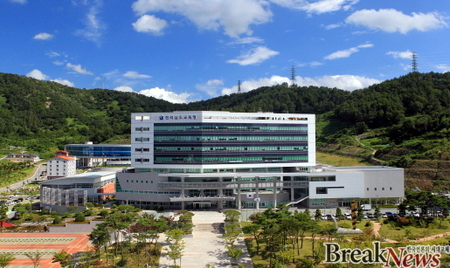
▲삼천당제약 본사 전경. 황제주의 탄생과 붕괴, 100배의 공시 간극, 2500억 블록딜 시도와 철회, 오너 일가의 승계극, 그리고 열흘 내내 물량을 받아낸 개미들. 이 모든 사태의 진원지다.
먹는 비만약을 상용화한 회사는 전 세계에 단 두 곳뿐이다.
노보노디스크와 일라이릴리다. GLP-1(GLP-1·Glucagon-Like Peptide-1·글루카곤 유사 펩타이드-1) 계열 약물은 단백질과 비슷한 펩타이드(peptide·아미노산이 결합된 사슬 구조의 분자) 구조로 위와 장에서 쉽게 분해된다. 알약으로 몸에 흡수시키는 기술이 왜 극도로 고난도인지를 설명하는 이유다.
삼천당제약은 자체 플랫폼 기술 에스-패스(S-PASS, Samchundang Permeation Assisting System·삼천당 경구 흡수 보조 시스템)로 이 문제를 풀었다고 주장한다.
전인석 대표는 4월 6일 기자간담회에서 FDA(FDA·Food and Drug Administration·미국 식품의약국) 제출 문서를 공개하며 복제약 개발 경로가 인정됐다고 설명했다.
그러나 FDA에 서류를 제출한 것과 실제 허가를 받은 것은 전혀 다른 단계다. S-PASS에 대한 독립적인 동료 평가(피어 리뷰, peer review·전문가 집단의 검증 절차)나 국제 학술지 발표는 현재까지 이뤄지지 않았다.
2019년, 삼천당제약은 PCT(PCT·Patent Cooperation Treaty·국제특허협력조약)에 S-PASS 관련 원천기술 특허를 출원했다.
국제조사기관은 2020년 10월 "진보성이 없다"는 결론을 내렸다. "기존에 알려진 문헌을 조합하면 숙련된 기술자가 쉽게 발명할 수 있는 수준"이라는 판단이었다. 삼천당제약은 이의제기 없이 2022년 7월 해당 특허 출원을 철회했다. 기술 신뢰성 논란의 뿌리는 이미 그때 시작됐다.
■ 특허는 대만 기업이 출원했다
4월 7일, 새로운 논란이 불거졌다.
S-PASS 특허를 대만 기업 서밋바이오테크(Summit Biotech)가 출원했다는 보도가 나온 것이다. 서밋바이오테크는 2018년 삼천당제약에 MRI(MRI·Magnetic Resonance Imaging·자기공명영상) 조영제 2개 품목을 기술 수출한 기업이다. 이 회사의 납입자본액은 150만 위안(약 3억 원), 자본총액은 1000만 위안(약 22억 원)에 불과하다. 삼천당제약 핵심 기술의 위탁 연구를 맡은 회사치고는 극히 작은 규모다.
삼천당제약 측은 "위탁 연구개발 계약 관계이며, 연구비도 삼천당이 부담했고 특허와 상업화 권리도 삼천당에 귀속된다"고 반박했다. 4월 8일, 삼천당제약은 대만 지식재산권청(TIPO·타이포, Taiwan Intellectual Property Office)이 S-PASS 관련 특허 허여를 결정했다고 발표했다. 실제 허여 결정서는 3월 4일 서밋바이오테크에 송부된 것으로 확인됐다.
그러나 법조계의 시각은 달랐다. 한 바이오 전문 변호사는 "지분으로 지배하지 않는다면 향후 상업화가 됐을 때 비용이나 마일스톤 등 수입을 숨길 수 있어 누군가 원한다면 쉽게 사적 이익을 취할 수 있는 구조가 돼버린다"고 지적했다.
핵심 기술의 특허 출원 주체가 지분 관계조차 없는 외부 대만 기업이라는 사실 자체가 시장의 불신을 더 키웠다. 이 보도가 나온 날, 주가는 장 마감 후 다시 하한가 수준까지 밀렸다.
3년 연속 ESG(ESG·Environmental, Social, Governance·환경·사회·지배구조) 최하위 D등급. 불성실공시법인 지정 예고. 거래소의 주식선물 2단계·3단계 가격제한폭 확대 요건 연달아 발동. 공매도(short selling·주식을 빌려 매도한 뒤 하락 후 되사는 투자 기법) 과열종목 지정 연장. 거래소는 이미 이 종목을 위험 신호로 분류하고 있었다.
■ 개미지옥 — 열흘 내내 받아낸 사람들
온라인 주식 토론방의 글들이 이번 사태의 본질을 압축한다.
"다시 전고점만큼 올라줄 날이 오려나." "다 같이 행복할 수는 없는 구조. 누군가 더 비싼 가격에 매수해줘야." "코스닥 흔든 핵심. ETF까지 영향 주면서 시장 전체를 흔들었다."
하한가가 터진 3월 31일, 개인은 19만 6714주를 받아냈다. 4월 3일에도 14만 7466주. 4월 9일에도 19만 7306주. 열흘 내내, 기관과 외국인이 파는 날이면 개인이 받아냈다. 이것이 "1400만 개미 투자자와 함께하겠다"는 대통령의 약속이 작동하는 시장의 실제 모습이었다.
■ 금감원 TF — 6년째 같은 자리
이재명 대통령은 대선 전 코스닥150 ETF(Exchange Traded Fund·상장지수펀드)에 직접 투자하며 "코스닥 5000 시대를 함께 만들겠다"고 공언했다. 2026년 1월 14일에는 "주가조작 패가망신은 빈말이 아니다"라고 재차 경고했다.
그리고 금융감독원은 삼천당 사태 이후 '바이오 기업 공시 개선 TF(Task Force·특정 목적을 위해 구성한 임시 전담 조직)'를 꾸렸다.
2020년에도 같은 가이드라인을 발표했다. 6년이 지난 지금, 같은 패턴이 반복됐다. TF는 또 꾸려졌다.
기자는 다섯 가지를 묻는다.
보도자료 5.3조와 공시 508억 사이 100배 간극을 걸러낼 장치는 왜 6년째 없는가. 코스닥 1위 등극 나흘 만에 대주주가 2500억 매도를 공시하는 타이밍을 제어할 수단은 없는가. 법 시행 직전에 완성된 오너 일가의 승계 구조를 합법이라는 이유만으로 용인할 것인가. "주가조작 패가망신"을 외친 대통령의 코스닥에서, 열흘 내내 개미만 물량을 받아낸 이 구조는 패가망신 대상이 아닌가. 그리고 개미들이 물린 뒤에야 칼을 꺼내는 금융당국의 이 대응 방식이, 언제까지 반복될 것인가.
삼천당(Sam Chun Dang). 천당인 줄 알았다. 지옥이었다. 개미들의 이구동성이다.
※ 이 기사는 시리즈로 이어집니다
아래는 위 기사를 구글 번역을 통해 영문으로 옮긴 전문입니다. 이해를 돕기 위한 참고용 번역으로, 일부 표현에는 원문의 뉘앙스와 차이가 있을 수 있습니다.
The following is a reference translation generated for reader convenience. Some nuances may differ from the original Korean text.
■ Samchundang Pharmaceutical: Mistaken for Heaven! 〈5〉 The Truth About S-PASS, and the Retail Investor Trap — Facing the Promise to "Stand with 14 Million Retail Investors"
■ Is There Even a Technology?
By Park Cheol-seong, Veteran Journalist / 〈Director of the Research Center · Columnist〉
|
▲ ©호주브레이크뉴스 |
▲Samchundang Pharmaceutical headquarters. The birth and collapse of an emperor stock, a 100-fold gap between press release and regulatory filing, a 250-billion-won block deal attempted and withdrawn, a succession drama engineered by the owner family, and retail investors absorbing the selling for ten straight days. This building is where it all began.
Only two companies in the world have successfully commercialized an oral obesity drug.
Novo Nordisk and Eli Lilly. GLP-1 (GLP-1·Glucagon-Like Peptide-1) drugs share a peptide (peptide·a chain-structured molecule formed by linked amino acids) structure similar to proteins, meaning they break down easily in the stomach and intestines. That is precisely why developing a technology to deliver them orally — as a pill — is extraordinarily difficult.
Samchundang Pharmaceutical claims to have solved this problem with its proprietary platform technology, S-PASS (Samchundang Permeation Assisting System).
At a press conference on April 6, CEO Jeon In-seok presented documents submitted to the FDA (FDA·Food and Drug Administration) and explained that the generic drug development pathway had been recognized. But submitting documents to the FDA and actually receiving approval are entirely different stages. To date, no independent peer review (peer review·a verification process conducted by a group of specialists) or publication in an international academic journal has been carried out on S-PASS.
In 2019, Samchundang filed a PCT (PCT·Patent Cooperation Treaty) application for the core technology behind S-PASS. In October 2020, the international search authority concluded that the technology lacked inventive step — ruling that it represented nothing more than what a skilled practitioner could readily arrive at by combining existing known literature. Samchundang filed no objection, and the patent application was withdrawn in July 2022. The roots of the technology credibility controversy reach back to that moment.
■ The Patent Was Filed by a Taiwanese Company
On April 7, a new controversy erupted.
Reports emerged that the S-PASS patent had been filed by a Taiwanese company, Summit Biotech. Summit Biotech is the same firm that licensed two MRI (MRI·Magnetic Resonance Imaging) contrast agent products to Samchundang Pharmaceutical back in 2018. The company's paid-in capital stands at just 1.5 million New Taiwan dollars (approximately KRW 300 million), with total equity of only 10 million New Taiwan dollars (approximately KRW 2.2 billion) — an exceptionally small operation to be entrusted with contract research on a company's core technology.
Samchundang responded: "This is a contract research and development arrangement. Samchundang bore all research costs, and both the patent and commercialization rights are vested in Samchundang." On April 8, the company announced that Taiwan's Intellectual Property Office (TIPO·Taiwan Intellectual Property Office) had issued a patent grant decision for the S-PASS technology. The actual grant decision letter had been sent to Summit Biotech on March 4, as confirmed through official records.
The legal community saw it differently. One attorney specializing in biotech said: "If you don't control through equity, it becomes easy for someone to conceal revenues from costs or milestone payments once commercialization occurs — creating a structure through which private gain could readily be extracted." The mere fact that a foreign Taiwanese company with no equity relationship had filed the core technology patent deepened the market's distrust. On the day these reports broke, the stock was pushed back down to near its lower circuit limit after the close of trading.
Three consecutive years at ESG (ESG·Environmental, Social, Governance) rating D — the lowest tier. A notice of designation as a company with unfaithful disclosures. Repeated triggering of the exchange's Level 2 and Level 3 stock futures price limit expansion conditions. An extension of the short selling (short selling·an investment technique in which shares are borrowed and sold, then repurchased after the price falls) overheating designation. The exchange had already classified this stock as a warning signal.
■ The Retail Investor Trap — Ten Days of Absorbing the Selloff
Posts on online stock discussion boards compress the essence of this episode.
"Will the day ever come when it climbs back to the old high?" "Not everyone can win in this structure — someone has to buy in at a higher price." "This shook the core of KOSDAQ. It rippled into ETFs and rattled the whole market."
On March 31, when the lower circuit limit was triggered, individual investors absorbed 196,714 shares. On April 3, another 147,466 shares. On April 9, another 197,306 shares. Day after day for ten straight days, whenever institutions and foreigners were selling, retail investors were on the receiving end. This was the real-world operation of a market where the President had promised to "stand alongside 14 million individual investors."
■ The FSS Task Force — Six Years, Same Spot
Before the presidential election, President Lee Jae-myung personally invested in the KOSDAQ150 ETF (ETF·Exchange Traded Fund) and publicly declared that he would "build the era of KOSDAQ 5000 together." On January 14, 2026, he warned again: "When I say stock manipulators will be ruined, I mean it."
And yet, in the wake of the Samchundang crisis, the Financial Supervisory Service (FSS) assembled a Task Force on improving disclosures by bio companies.
The same guidelines were issued in 2020. Six years on, the same pattern has repeated itself. Another Task Force has been assembled.
This reporter has five questions.
Why, after six years, is there still no mechanism to filter out the hundredfold gap between a KRW 5.3 trillion press release and a KRW 50.8 billion regulatory filing? Is there truly no means to control the timing of a controlling shareholder announcing a KRW 250 billion selloff just four days after the stock reached the top of KOSDAQ? Can a succession structure completed by the owner family just before a new law took effect be simply accepted on the grounds that it was technically legal? In a KOSDAQ market where the President has declared that stock manipulators will be ruined — is a structure in which retail investors absorbed the selloff for ten straight days not itself a candidate for that ruin? And how much longer will the financial authorities continue responding only after retail investors are already trapped?
Samchundang — Sam Chun Dang. They thought it was heaven. It was hell. That is what every retail investor is saying.
원본 기사 보기:호주브레이크뉴스