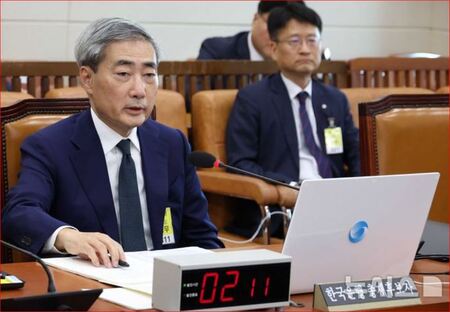
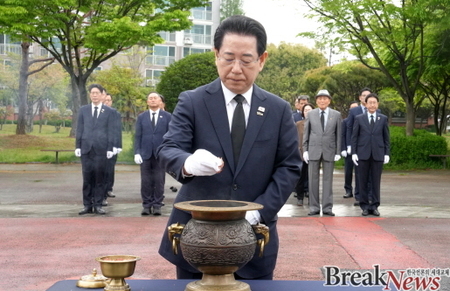
▲ 15일 오전 청와대에서 열린 규제합리화위원회 제1차 전체회의에서 모두 발언하는 이재명 대통령 © 뉴시스 |
이재명 대통령이 15일 "규제의 글로벌 스탠다드화, 첨단 기술 분야의 네거티브 규제 전환이 필요하다"고 말했다.
이 대통령은 이날 오전 청와대에서 열린 규제합리화위원회 제1차 전체회의 모두 발언에서 "경제가 성장 잠재력을 회복하는 길 중 매우 중요한 방식이 규제 합리화"라며 이같이 밝혔다.
그러면서 "규제는 일정 방향으로 사회 흐름을 유도하기 위한 목표를 갖는데 행정 편의적 간섭 수단이 되기도 한다"며 "과거 규제가 속된 표현으로 갈취 수단·기업 및 경제 활동 주체에 뜯어내는 수단이 되기도 했고 괴롭히는 수단"이라고 주장했다.
또 "산업 발전 단계가 낮을 때 제일 똑똑한 집단이 관료인데 산업·기술이 발달하고 사회 발전 수준이 높아지면 공공 영역이 민간 영역을 못 따라가는 상황이 생긴다"며 "지금 대한민국이 그렇게 됐다"고 주장했다.
이어 "공무원들이 '이것만 하세요' 정해놓으면 현장은 해야 하는데 규정을 바꾸고 허가 받아야 하는 과정에서 경쟁력을 잃게 된다"며 "필요 규제는 강화하고 불필요하거나 효용성 떨어지는 건 완화·철폐하자"고 주장했다.
더불어 "(첨단 산업은) 판단해서 하면 안 되는 걸 다 금지하는 것"이라며 "필요 시 규제를 추가하는 시스템으로 바꿔야 하지 않겠냐"고 네거티브 규제 도입 필요성을 주장했다.
이 대통령은 "특정 지역·영역서 규제를 완화하거나 아예 없애는 시도를 하고 있는데 대규모 지역 단위로 한 번 해보는 것도 좋겠다"며 "대한민국의 가장 큰 문제가 수도권 집중"이라고 했다.
그러면서 "자원 배분 효율성이 떨어져 전체 경쟁력을 갉아먹고 있고 땅값도 너무 비싸다"며 "지방소멸 방지란 게 시혜·배려 아닌 국가 생존 전략이 됐으며 대규모 지역 단위 규제 특구도 한 번 만들어 봐야 겠다"고 덧붙였다.
 ▲ 15일 오전 청와대에서 열린 규제합리화위원회 제1차 전체회의 © 뉴시스 |
영문 기사의 [전문]입니다. '구글번역'은 이해도 높이기를 위해 노력하고 있습니다. 영문 번역에 오류가 있을 수 있음을 전제로 합니다.<*The following is [the full text] of the English article translated by 'Google Translate'. 'Google Trworking hard to improve understanding. It is assumed that there may be errors in the English translation.
President Lee Jae-myung: "Shift to Negative Regulation for High-tech Industries... Making Inefficient Regulations the International Standard"
1st Plenary Meeting of the Regulatory Rationalization Committee: "In crude terms, past regulations served as a means of extortion, a tool to rake in money from businesses and economic entities, and a means of harassment... South Korea's biggest problem is concentration in the capital area."
-kihong Kim reporter
On the 15th, President Lee Jae-myung stated, "It is necessary to standardize regulations to global standards and transition to a negative regulation system in high-tech sectors."
In his opening remarks at the first plenary meeting of the Regulatory Rationalization Committee held at the Blue House this morning, President Lee remarked, "Regulatory rationalization is a very important method for the economy to recover its growth potential."
He further argued, "While regulations aim to guide social trends in a certain direction, they can also become a means of administrative interference for convenience." He asserted, "In the past, regulations served as a means of extortion—a tool to extort money from businesses and economic actors—and a means of harassment."
He also claimed, "When the stage of industrial development is low, the smartest group is the bureaucracy; however, as industry and technology advance and the level of social development rises, a situation arises where the public sector cannot keep up with the private sector," adding, "South Korea has now become just that."
He continued by arguing, "If public officials dictate 'do only this,' the field must comply, but the process of changing regulations and obtaining permits leads to a loss of competitiveness." He asserted, "Let's strengthen necessary regulations while relaxing or abolishing those that are unnecessary or ineffective."
Furthermore, he argued for the necessity of introducing a negative regulation system, stating, "(In high-tech industries) everything that is judged not to be done is prohibited," and asking, "Shouldn't we switch to a system where regulations are added only when necessary?"
President Lee remarked, "Attempts are being made to relax or eliminate regulations in specific regions and sectors, but it would be good to try doing this on a large-scale regional scale." He noted that "South Korea's biggest problem is the concentration in the capital area."
He added, "Resource allocation efficiency is declining, eroding overall competitiveness, and land prices are too high." He concluded, "Preventing regional extinction has become a national survival strategy rather than a matter of charity or consideration, and we should try creating special regulatory zones on a large-scale regional scale."