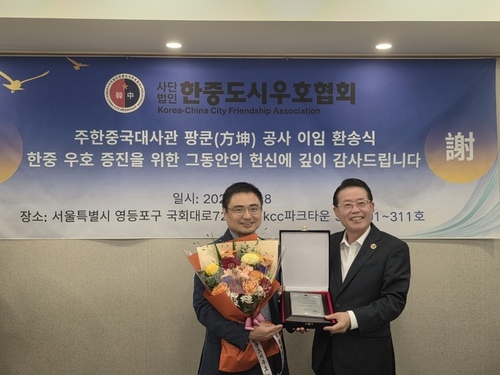
▲ 경남도의회가 의정회의실에서 ‘2026년 제1차 입법평가위원회’ 참석자들이 기념촬영을 하고 있다. |
[브레이크뉴스=박찬호 기자] 경남도의회가 조례 실효성 점검을 위한 입법평가위원회를 열고 도민 생활과 밀접한 조례에 대한 정비에 나섰다.
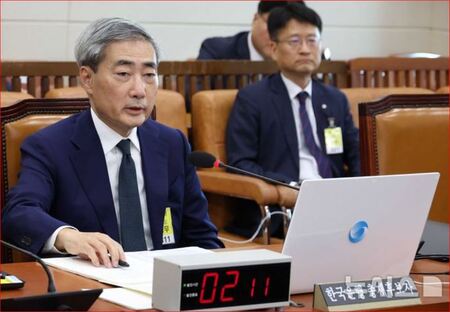
경상남도의회는 16일 ‘2026년 제1차 입법평가위원회’를 개최해 도와 교육청 소관 조례 20건에 대한 입법평가 안건을 심의·조정했다. 이번 평가 대상은 제정 또는 전부개정 이후 2년이 경과한 조례로, 도민 안전과 교육, 경제 등 체감도가 높은 분야를 중심으로 선정됐다.
입법평가위원회는 도의원과 교수, 변호사, 법제 전문가 등 17명으로 구성돼 있으며, 조례의 법적 타당성과 집행 과정에서의 문제점을 종합적으로 점검하는 역할을 맡고 있다. 위원회는 법리적 검토뿐 아니라 행정 여건과 상위법 개정 흐름을 반영해 실질적인 개선 방안을 도출하는 데 초점을 맞췄다.
평가 절차는 담당 부서의 1차 자체 평가를 거친 뒤 집행부와 위원 의견을 수렴하고, 이를 토대로 위원회가 최종 정비안을 확정하는 방식으로 진행된다. 주요 평가 기준은 입법 적합성과 조례상 의무 이행 여부, 법령 정비 기준 준수 여부 등이다.
입법평가는 조례가 단순 규범에 그치지 않고 실제 행정 현장에서 작동하는지 여부를 점검하는 과정으로, 정책 효과를 높이기 위한 사후 관리 기능으로 자리 잡고 있다. 특히 시행 이후 나타난 문제점과 제도 미비를 보완하는 역할을 한다는 점에서 중요성이 커지고 있다.
이재두 위원장은 “입법평가는 조례의 실효성을 확보하기 위한 핵심 장치”라며 “도민 권익 보호와 행정 효율성 제고를 위해 지속적인 점검과 개선을 이어가겠다”고 밝혔다.
도의회는 이번 심의 결과를 반영한 입법평가 보고서를 이달 중 발간하고, 상임위원회와 집행부를 통해 개정 등 후속 조치를 추진할 계획이다.
한편 경남도의회 입법평가위원회는 2023년 출범 이후 9차례 회의를 통해 133건의 조례를 평가했으며, 이 중 상당수가 개정되거나 개정 절차가 진행되는 등 제도 개선으로 이어지고 있다.
*아래는 위 기사를 '구글 번역'으로 번역한 영문 기사의 [전문]입니다. '구글번역'은 이해도 높이기를 위해 노력하고 있습니다. 영문 번역에 오류가 있을 수 있음을 전제로 합니다.
*Below is the full text of the English article translated by Google Translate. 'Google Translate' strives to improve understanding. It assumes that there may be errors in the English translation.
Gyeongnam Provincial Council Holds 1st Legislative Evaluation Committee Meeting
Reviewing Effectiveness Focused on Areas Tangible to Residents and Promoting Follow-up Measures for Amendments
Attendees of the ‘2026 1st Legislative Evaluation Committee’ are taking a commemorative photo in the council meeting room.
The Gyeongnam Provincial Council held a Legislative Evaluation Committee meeting to review the effectiveness of ordinances and set out to overhaul ordinances closely related to the daily lives of residents.
On the 16th, the Gyeongnam Provincial Council held the ‘2026 1st Legislative Evaluation Committee’ and deliberated and adjusted legislative evaluation agendas for 20 ordinances under the jurisdiction of the Provincial Government and the Office of Education. The subjects of this evaluation were ordinances that have passed two years since their enactment or complete revision, selected based on high-impact areas such as resident safety, education, and the economy.
The Legislative Evaluation Committee is composed of 17 members, including provincial council members, professors, lawyers, and legislative experts, and is responsible for comprehensively reviewing the legal validity of ordinances and problems in the implementation process. The committee focused on deriving practical improvement measures by reflecting not only legal review but also administrative conditions and the trends in amendments to higher-level laws.
The evaluation process proceeds by first conducting an internal evaluation by the relevant department, followed by gathering opinions from the executive branch and committee members, after which the committee finalizes the revision plan based on this. Key evaluation criteria include legislative suitability, fulfillment of obligations under the ordinance, and compliance with standards for legal revision.
Legislative evaluation is a process that checks whether ordinances function in actual administrative settings rather than remaining mere norms; it has established itself as a post-implementation management function aimed at enhancing policy effectiveness. Its importance is growing, particularly in its role of addressing problems and institutional deficiencies that emerge after implementation.
Chairman Lee Jae-du stated, "Legislative evaluation is a key mechanism for ensuring the effectiveness of ordinances," adding, "We will continue continuous monitoring and improvement to protect the rights and interests of provincial residents and enhance administrative efficiency."
The Provincial Council plans to publish a legislative evaluation report reflecting the results of this deliberation this month and pursue follow-up measures, such as revisions, through the standing committees and the executive branch. Meanwhile, the Gyeongnam Provincial Council’s Legislative Evaluation Committee has evaluated 133 ordinances through nine meetings since its launch in 2023, and a significant number of these have led to institutional improvements, such as being amended or undergoing amendment procedures.
원본 기사 보기:브레이크뉴스경남