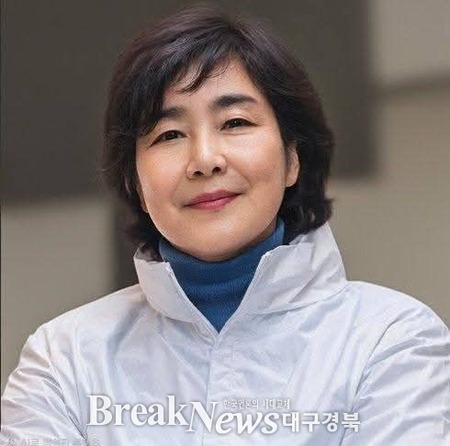
▲ 한설 ©브레이크뉴스 |
한설 박사(전 육군 군사연구소장. 예비역 소장)는 1월9일 페이스 북에 올린 “최근 북한의 남한에 대한 도발적 행동과 일본에 대한 우호적 태도의 배경에 대해”라는 글에서 “북한의 최근 남한과 일본에 대한 태도와 행동의 의미가 무엇인가에 대한 고민이 필요한 시점이 아닌가 한다. 남한 윤석열 정권은 북한의 행동을 모두 지나치게 단순한 기준으로만 평가하고 있는 듯 하다. 북한이 도발을 하느냐 아니냐 하는 것이다. 북한도 여러 가지 매우 다양한 행동의 동기를 지니고 있다고 보는 것이 상식적일 것임에도 남한 윤석열 정권의 안보담당자들은 모든 것을 도발이냐 아니냐의 관점, 다시 말하면 선악의 기준으로만 북한의 행동을 평가하고 있는 것이다. 이런 평가 방식은 북한을 제대로 이해하기 어렵게 만들고 결국 그런 결과는 남한에게 국익의 손상이라는 결과를 초래할 가능성이 높다고 하겠다.”고 지적했다.
한설 박사는 이 글에서 “최근 북한은 남한과 일본에 대해 이중적인 태도를 보이고 있다. 남한에게 대해서는 공세적으로 일본에 대해서는 지진 위로 전문을 보내면서 기시다를 각하라고 호칭하는 등 우호적인 태도를 보이고 있는 것이다. 이런 북한의 태도를 보고 한국의 소위 북한 전문가들 혹은 안보전문가들은 입을 모아 북한이 한미일 구도를 약화시키려고 시도하고 있다고 평가하고 있다. 소위 남한의 북한 전문가 혹은 안보전문가들의 이런 평가에 동의하기가 어렵다”고 분석하고 “해방 이후 북한은 자유세계에 대전 접근 방식을 비교적 일관되게 유지하고 있었다. 남한과 미국을 통한 문제해결이라는 것이다. 북한이 미국과 직접 접촉을 시도하기는 했지만 거의 대부분 남한을 통해 미국과 접촉을 시도했다. 남한은 북한이 미국과 직접 교섭을 시도하면 이를 통미봉남(通美封南)이라고 하면서 남한이 미국과 북한 사이에서 소외되고 있다고 주장해왔다. 특히 1994년 이후 북미 제네바 협상 이후 그런 경향이 매우 두드러졌다. 그 이후 북한은 미국과의 대화에 있어서 굳이 남한을 의도적으로 배제시키려는 시도는 하지 않았다고 하겠다”고 피력했다.
이어 “지난 12월 31일 이후 북한은 남한을 민족보다는 하나의 국가라고 선언을 했다. 북한이 남북한 관계를 민족개념이 아닌 국가 간의 관계라고 선언한 것은 여러가지 많은 이유가 있을 것이다. 북한이 그런 결정을 내리게 된 가장 큰 이유는 남한 정부와는 어떤 경우에도 민족적 개념에 입각한 우호적인 관계수립이 불가능하다고 판단했기 때문일 것이다. 북한은 그동안 남한에서 진보세력이 권력을 잡으면 남북관계가 개선되고 그로 인해 합반도 안보상황도 개선될 수 있을 것이라고 생각했으나, 그런 생각이 오판이었다는 것을 깨닫게 된 것이다. 북한이 그렇게 생각하게 된 결정적인 계기는 문재인 정권 때문일 것이다. 북한은 남한의 진보정당을 통한 남북의 긴장관계 해소의 가능성을 기대하기 어렵다고 생각하게 된 것일 것”이라고 진단했다.
한설 박사는 이 글의 결론 부분에서 “일본은 북한과의 접촉에 있어서 항상 남한의 눈치를 보았던 것이 사실이다. 북한이 남한과의 관계를 민족관계가 아니라 국가 간의 관계로 선언함에 따라 일본도 북한에 대한 접근과 교섭의 부담을 상당부분 덜었다고 하겠다. 이렇게 되면 일본도 북한과의 교섭에 대한 부담감이 적어진다. 일본은 남한과 북한을 각각 국가라는 관계로 접근할 수 있을 것이며, 그럴 경우 일본의 국제정치적 행동의 자유를 지금보다 훨씬 더 많이 확보할 수 있을 것이다. 일본은 남한과 북한의 카드 두개를 다 활용할 수 있으니 결코 손해 보는 일이 아닐 것이다. 북한의 입장에서도 남한과 일본의 카드를 모두 활용할 수 있으니 손해 볼 일은 아니다. 더구나 이렇게 되면 북한의 국제정치적 발언권은 훨씬 커질 수밖에 없다.”라고 덧붙였다.
*아래는 위 기사를 '구글 번역'으로 번역한 영문 기사의 [전문]입니다. '구글번역'은 이해도 높이기를 위해 노력하고 있습니다. 영문 번역에 오류가 있을 수 있음을 전제로 합니다.<*The following is [the full text] of the English article translated by 'Google Translate'. 'Google Translate' is working hard to improve understanding. It is assumed that there may be errors in the English translation.>
Dr. Hanseol: “North Korea declares national relations with South Korea… Isn’t this a loss for Japan?”
Recently, North Korea has been showing a ambivalent attitude toward South Korea and Japan...
-Reporter Park Jeong-dae
Dr. Han Seol (former director of the Army Military Research Institute and reserve major) posted on Facebook on January 9th, “On the background of North Korea’s recent provocative actions toward South Korea and friendly attitude toward Japan,” and said, “North Korea’s recent relationship with South Korea. I think it is time to think about the meaning of attitudes and actions toward Japan. South Korea's Yoon Seok-yeol administration seems to be evaluating all North Korean actions based on overly simplistic standards. The question is whether North Korea is carrying out a provocation or not. Although it would be common sense to see that North Korea also has a wide variety of motivations for its actions, the security officials of South Korea's Yoon Seok-yeol administration are evaluating North Korea's actions only from the perspective of whether everything is a provocation or not, in other words, based on the standard of good or evil. “This type of evaluation makes it difficult to properly understand North Korea, and it is highly likely that such a result will result in damage to South Korea’s national interests,” he pointed out.
In this article, Dr. Hanseol said, “Recently, North Korea is showing a ambivalent attitude toward South Korea and Japan. While being aggressive toward South Korea, he is showing a friendly attitude toward Japan, sending a telegram comforting him about the earthquake and calling Kishida "Your Excellency." Seeing North Korea's attitude, South Korea's so-called North Korea experts or security experts unanimously assess that North Korea is attempting to weaken the Korea-U.S.-Japan structure. “It is difficult to agree with this assessment by so-called North Korea experts or security experts in South Korea,” he said. “After liberation, North Korea has maintained a relatively consistent approach to fighting the free world. The problem is to be resolved through South Korea and the United States. Although North Korea attempted to contact the United States directly, it almost always attempted to contact the United States through South Korea. South Korea has argued that South Korea is being alienated between the United States and North Korea, calling North Korea's attempt to negotiate directly with the United States a "unification with the United States." In particular, such a trend became very noticeable after the Geneva negotiations between North Korea and North Korea in 1994. “Since then, North Korea has not attempted to intentionally exclude South Korea from dialogue with the United States,” he expressed.
He continued, “After December 31, North Korea declared that South Korea was a nation rather than a nation. There may be many reasons why North Korea declared that the relationship between North and South Korea is a relationship between countries rather than a national concept. The biggest reason why North Korea made such a decision is probably because it judged that it was impossible to establish friendly relations with the South Korean government based on the concept of nationality under any circumstances. North Korea had thought that if progressive forces came to power in South Korea, inter-Korean relations would improve and the security situation in the Joint Peninsula would also improve, but it has come to realize that such thinking was a misjudgment. The decisive reason for North Korea to think that way may have been the Moon Jae-in administration. “North Korea may have come to think that it is difficult to expect the possibility of resolving tensions between North and South Korea through South Korea’s progressive political parties,” he said.
In the conclusion of this article, Dr. Hanseol said, “It is true that Japan has always been cautious of South Korea in its contacts with North Korea. As North Korea declared its relationship with South Korea to be an inter-state relationship rather than an ethnic one, Japan can also be said to have significantly eased the burden of approaching and negotiating with North Korea. If this happens, Japan will also feel less burden about negotiations with North Korea. Japan will be able to approach South Korea and North Korea as separate countries, and in that case, Japan will be able to secure much more freedom of international political action than it does now. Japan can use both South and North Korea's cards, so it will never lose money. From North Korea's perspective, it is not a loss since it can use both South Korea and Japan's cards. Moreover, if this happens, North Korea’s right to speak in international politics will inevitably increase significantly,” he added.