▲ 박영기 가곡 발표회 공연 장면 © |
휴일 인사동에서 소중한 분을 뵈었다. 국립 무형유산 가곡 우수이수자이며 박영기피리전수소 대표와 가곡풍류보존회 회장을 맡고 있는 우리의 것에 천착한 박영기 예인이었다. 인터뷰 내내 쏟아져 내린 이야기는 한여름을 느끼게 하는 휴일의 열기가 주눅이 들 만큼 깊은 울림으로 가득하였다.
지난 4월 5일 국립국악원 풍류사랑방에서 국가 무형유산 가곡 이수자 박영기 가곡 발표회가 열렸다. 40여 년간 쌓아온 가곡 전수 여정의 현재 지점을 집대성한 무대로 이병성(1909~1960) 편 가곡보를 바탕으로 최고의 반주진과 해설을 통해 관객이 가곡의 깊이를 몸소 느끼고 함께 호흡하는 체험형 전승 무대를 추구한 공연이었다.
필자는 이 공연을 직접 관람하지 못했다. 그러나 남겨진 자료와 기록만으로도 이 무대가 지닌 의미는 충분히 짐작할 수 있었다. 변명처럼 오히려 현장을 벗어난 거리 속에서 공연이 추구한 전승의 소중함을 되새기게 하였다. 개인의 발표회를 넘어 한국 전통 성악이 어떻게 이어지고 있는지를 보여주는 중요한 사례로 특히 한국 전통 가곡의 수호자 이병성(1909~1960)으로부터 이어진 계보를 바탕으로 구성된 공연은 역사의 정신을 지켜낸 의미와 같았다.
 ▲ 박영기 가곡 발표회 포스터& 프로그램 © |
많은 이야기가 예감되어 오후에 워크숍 일정이 예정된 예인과 인사를 마치자마자 곧바로 질문을 던졌다.
「이일영」 선생님의 이번 공연은 가곡의 거장 이병성 명인의 가곡보를 바탕으로 하였습니다. 이병성 명인은 궁중악 가문의 4대째 맥을 잇는 인물로서 특유의 뛰어난 성음과 재능을 지녔던 분입니다. 선생님께서 이번 무대에서 이병성 편 가곡보를 선택하신 음악학적 근거와 그가 지닌 선가(仙家) 적 성음을 현대에 전하신 뜻을 듣고 싶습니다.
『박영기』 이번 가곡 발표회는 제가 40여 년간 가곡을 전수하며 쌓아온 여정을 집대성하는 자리였습니다. 그 핵심은 바로 이병성 명인(1909~1960, 호: 두봉)이 직접 채보(採譜)하고 정리한 가곡보를 바탕으로 한 실증적 재현이었습니다. 이병성 명인은 세습 궁중악 가문(이인식-이원근-이수경-이병성)의 4대째 맥을 잇는 인물로 이왕직 아악부에서 활동하며 하규일 선생의 가장 뛰어난 제자로 평가받았습니다. 그의 가곡은 타고난 성음(聲音)과 음악적 재능이 결합해 독보적인 경지에 이르렀으며 국립국악원이 복원 발매한 고 음향 자료(두봉 이병성 CD)와 그의 채보 가곡보는 오늘날 가곡 전승의 중요한 기준이 되고 있습니다.
나아가 음악학적 선택 근거는 이병성 명인의 가곡보는 궁중 정가(正歌)의 구전(口傳)과 실연(實演)을 체계적으로 기록한 실증 자료입니다. 현행 가곡 전승에서 이병성의 자료를 선택한 이유는 궁중 전통의 순수성과 실증적 재현 가능성이라는 관점을 중시한 것입니다.
세습 궁중악 가문 출신으로서 그는 조선 후기 아악부의 실제 연주 관습을 가장 충실히 계승했습니다. 그의 채보는 음고(音高), 장식음, 호흡법, 그리고 노랫말 배치까지 실로 구체적입니다. 현대 가객이 ‘듣고 배우는’ 구전 중심 전승을 넘어 악보를 통해 검증이 가능한 학술적 재현을 가능하게 합니다. 이번 무대에서 15곡(남창 가곡 중심)을 선곡한 것도 그의 악보에 수록된 대표 곡목을 체계적으로 다루기 위함이었습니다.
저는 피리 연주자로서 국악 단체 활동을 하면서도 가곡을 병행해 왔습니다. 2009년 남녀 창 반우반계, 편락 등 초기 무대부터 시작하여 이번 국립국악원 풍류사랑방에서 가곡 발표회는 그동안 국가유산청, 국가무형유산원, 국가유산진흥원에서 지원을 받은 결과물의 ‘체험형 전승 프로젝트’로 승화된 것입니다. 이병성 편 가곡보는 이 과정에서 역사적 정확성과 현대적 해석을 동시에 충족하는 가장 적합한 텍스트였습니다. 40년 전승 여정의 귀결이라 할 수 있습니다.
 ▲ 공연 후 한 대식, 문현, 박영기, 하주화, 송규정, 강숙현, 안희정, 윤문, 정마리 © |
예인은 질서 정연한 이야기들을 쉼 없이 쏟아냈다. 빠르게 다음 질문을 꺼내 들었다.
「이일영」 전통 가곡에서 연주와 가창을 함께 실연하는 일이 서로를 보완하며 동시에 완성도를 높여야 하기에 어려움이 큰 것으로 알고 있습니다. 이병성 명인의 소리를 중시하여 천착한 의미를 듣고 싶습니다.
『박영기』 이병성 명인의 성음은 당시에도 남이 따르지 못할 것으로 평가받았으며 후대에는 선가적이라 불릴 만큼 초월적이며 정화된 아름다움을 지녔습니다. 이는 단순한 기술적 완성도가 아닌 궁중악의 정신적, 철학적 깊이와 자연과 인간, 우주와 조화되는 선(仙)의 경지가 담긴 소리입니다. 그의 녹음(1950년대)을 들으면 중려음(仲呂音)에서 태주음(太簇音)으로의 하행에서 요성과 퇴성이 조화롭게 어우러지며 듣는 이로 하여금 맑고 깊은 울림을 넘어 영적인 감동을 줍니다.
현대에 이를 재현하는 것은 가곡이 과거의 유물이 아닌, 살아 숨 쉬는 국가유산임을 증명하기 위함입니다. 1960년 이병성 명인이 타계한 후, 그의 제자들이 적어진 상황에서 그의 가곡보와 음원은 마지막 증언과도 같습니다. 이번 발표회는 관객이 단순히 듣는 것이 아니라, 가곡의 역사적 맥락과 성음의 미묘한 뉘앙스를 직접 체험할 수 있도록 구성되었습니다. 40년의 제 개인적 여정을 넘어 후학들이 이병성의 선가적 성음을 계승·발전시킬 수 있는 토대를 마련하는 데 의미가 있었습니다.
「이일영」 프로그램 구성을 보면 평조 초수대엽부터 계면조 태평가에 이르기까지 남창 가곡의 전 바탕을 아우르고 있습니다. 우리의 것이지만 가장 멀게 느껴지는 점에서 설명을 듣고 싶습니다.
『박영기』 이번 국립국악원 풍류사랑방 가곡 발표회 곡목은 평조(平調) 초수대엽부터 시작하여 평조(平調)·계면조(界面調)의 대엽(大葉)· 롱(弄), 락(樂), 편(編) 그리고 계면조 태평가에 이르기까지 남창 가곡의 전 바탕(全把當)을 체계적으로 아우르는 구성으로 짜였습니다. 이는 단순한 레퍼토리 나열이 아니라, 40여 년 동안 제가 가곡 한 길만을 걸어오며 익혀온 남창 가곡의 전체 구조를 한 무대에서 집대성한 것입니다.
남창 가곡은 총 26곡(우조 11곡, 계면조 15곡)으로 구성되며, 조선 후기 궁중과 사대부 사회에서 정가(正歌)의 정수로 사랑받았습니다. 이번 공연에서는 이병성 명인의 가곡보에 충실하면서도, 장단의 흐름, 조(調)의 전환, 성음의 미세한 변화를 고려하여 자연스럽고 논리적인 순서를 구성하였습니다.
40여 년의 이수 과정에서 저는 피리 연주자로서 국악 단체 활동을 병행하면서도, 가곡의 구전 전승을 중시하며 스승님들(특히 남창 가곡의 맥을 잇는 분들)로부터 직접 배웠습니다. 이번 무대는 그동안 쌓아온 기술적 완성도와 해석력을 바탕으로, 남창 가곡의 ‘전체상(全體像)’을 현대에 제시하는 데 초점을 맞추었습니다. 관객들이 한 곡 한 곡을 따로 듣는 것이 아닌 하나의 큰 서사와 음악적 건축물로 이어지는 흐름을 체험할 수 있도록 한 것입니다.
「이일영」 40여 년 동안 가곡 이수자로서 외길을 걸어오신 선생님께서 이번 무대에서 수행하신 가객(歌客)이라는 역할과 그 정체성에 대하여 선생님의 생각을 듣고 싶습니다.
『박영기』 가객(歌客)이라는 호칭은 저에게 특별한 의미를 지닙니다. 가곡을 부르는 이를 단순한 가수(歌手)가 아닌, 노래를 통해 손님처럼 세상을 대하고 음악으로 세상을 초대하는 존재로 보는 전통적 관점입니다. 조선 시대 사대부나 궁중에서 가곡을 즐기던 분들을 가객이라 일컬었듯 저는 이번 무대에서 피리 연주자가 아닌 순수한 가객으로서 서고자 했습니다.
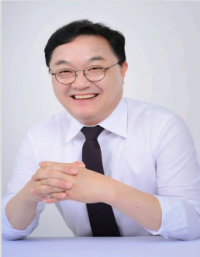
 ▲ 박영기 예인 © |
또한, 제 생각에 가객의 정체성은 다음 세 가지에 있습니다.
첫째- 전승의 매개자라는 관점입니다. 가곡은 구전 중심의 예술입니다. 악보를 바탕으로 하되 살아 있는 호흡과 성음으로 전달해야 합니다. 저는 동안 쌓아온 제 목소리와 호흡법을 통해 이병성 명인의 선가적 성음을 현대적으로 재현하려 노력했습니다. 둘째- 해석의 창조자입니다. 가곡은 고정된 악보가 아닌 부르는 이의 기량과 감정, 당대의 정서가 더해지는 살아있는 음악입니다. 남창 특유의 깊고 울림 있는 저음을 바탕으로 노랫말의 뜻을 최대한 살리면서도 현대 관객이 공감할 수 있는 섬세한 표현을 더 했습니다. 셋째- 문화의 증언자입니다. 오늘날 남창 가객은 극히 드물어졌습니다. 유네스코 인류 무형유산이자 국가 무형문화 유산인 가곡의 전승이 위축된 상황에서, 환갑을 넘긴 나이에 가객으로서 홀로 15곡을 소화하는 것은 제게 큰 도전이자 사명감이었습니다. 이는 후학들에게 남창 가곡은 여전히 이어질 수 있다.라는 메시지를 전한 것이기도 합니다.
이번 발표회는 제가 가객으로서의 정체성을 확인하고 동시에 가곡을 사랑하는 모든 이들과 함께 나누는 자리였습니다. 피리 연주자의 삶과 가객의 삶이 하나로 어우러진 순간이기도 했습니다.
예인의 말은 설명이 아니었다. 오랜 시간 몸 안에 쌓인 소리가 말로 쏟아져 내린, 사라지지 않으려는 소리의 의지를 마주한 순간이었다. 다음 2회 이야기에서는 그 소리 속으로 좀 더 깊이 들어가 보려 한다. artwww@naver.com
#가곡 #국가무형유산 #박영기 #박영기가곡발표회 #이병성 #두봉 #가곡 #남창가곡 #이일영칼럼
필자: 이일영
KOREA ART CENTER. 칼럼니스트. 시인
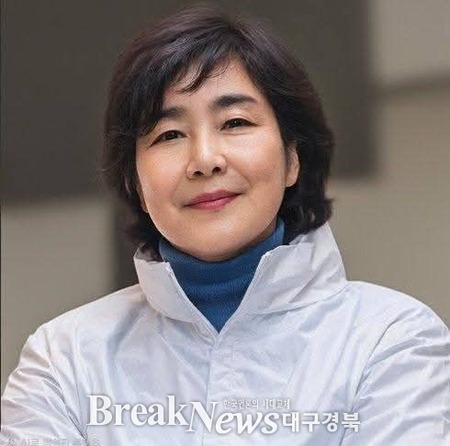
 ▲ 필자: 이일영 ©이일영 칼럼니스트 |
*아래는 위 기사를 '구글 번역'으로 번역한 영문 기사의 [전문]입니다. '구글번역'은 이해도 높이기를 위해 노력하고 있습니다. 영문 번역에 오류가 있을 수 있음을 전제로 합니다.<*The following is [the full text] of the English article translated by 'Google Translate'. 'Google Translate' is working hard to improve understanding. It is assumed that there may be errors in the English translation.>
I met a special person in Insa-dong on a holiday. It was Park Young-gi, an artist deeply devoted to our heritage; he is an Outstanding Recipient of the National Intangible Cultural Heritage of Gagok, the representative of the Park Young-gi Piri Training Center, and the president of the Gagok Pungryu Preservation Society. The stories that poured out throughout the interview were filled with such deep resonance that they overshadowed the midsummer heat of the holiday.
On April 5th, a Gagok performance by Park Young-gi, a Recipient of the National Intangible Cultural Heritage of Gagok, was held at the Pungryu Sarangbang of the National Gugak Center. As a stage that synthesized the current point of his journey of Gagok transmission built over more than 40 years, the performance pursued an experiential transmission stage where the audience could personally feel the depth of Gagok and breathe together through the finest accompaniment and commentary, based on the Gagok scores compiled by Lee Byeong-seong (1909–1960).
I was unable to attend this performance in person. However, I could fully surmise the significance of this stage solely from the materials and records remaining. Rather than an excuse, the distance from the venue served to remind us of the preciousness of the transmission pursued by the performance. Going beyond a mere individual recital, this was an important example demonstrating how Korean traditional vocal music continues to thrive. In particular, the performance, structured around the lineage extending from Lee Byeong-seong (1909–1960), the guardian of Korean traditional Gagok, was akin to preserving the spirit of history.
Anticipating much to discuss, I asked a question immediately after exchanging greetings with the artist scheduled for a workshop later that afternoon.
"Mr. Lee Il-young, this performance is based on the Gagok scores of the master Lee Byeong-seong. Master Lee Byeong-seong was a figure who carried on the lineage of a family of court music for the fourth generation, possessing a uniquely outstanding voice and talent. I would like to hear the musicological rationale behind your selection of Lee Byeong-seong's Gagok scores for this stage, as well as your intention in transmitting his 'immortal-like' voice to the modern era." [Park Young-gi] This Gagok recital was a culmination of the journey I have built over more than 40 years of transmitting Gagok. Its core was an empirical reproduction based on the Gagok scores personally transcribed and organized by Master Lee Byeong-seong (1909–1960, pen name: Dubong). Master Lee Byeong-seong was the fourth-generation successor of a hereditary court music family (Lee In-sik–Lee Won-geun–Lee Su-gyeong–Lee Byeong-seong). Active in the Royal Household Department, he was regarded as the most outstanding disciple of Master Ha Gyu-il. His Gagok reached an unrivaled level through the combination of his innate vocal talent and musical ability; the ancient audio materials (Dubong Lee Byeong-seong CD) restored and released by the National Gugak Center, along with his transcribed Gagok scores, serve as important standards for the transmission of Gagok today.
Park Young-gi Furthermore, the musicological basis for this selection is that Master Lee Byeong-seong’s Gagok scores are empirical materials that systematically record the oral transmission and actual performances of court Jeongga. The reason for choosing Lee Byeong-seong’s materials in the current transmission of Gagok is to prioritize the purity of the court tradition and the possibility of empirical reproduction.
As a descendant of a hereditary court music family, he most faithfully inherited the actual performance practices of the Aakbu (Royal Music Bureau) during the late Joseon Dynasty. His transcriptions are truly detailed, covering pitch, ornamentation, breathing techniques, and even the arrangement of lyrics. This enables academic reproduction verifiable through scores, moving beyond the oral-centered transmission where modern singers learn by listening. The selection of 15 songs (primarily male vocal Gagok) for this performance was also intended to systematically cover the representative repertoire included in his scores.
As a Piri player, I have pursued Gagok alongside my activities with Korean traditional music ensembles. Starting with early performances in 2009 such as *Namnyeochang Banubangye* and *Pyeonrak*, this Gagok recital at the National Gugak Center’s Pungnyu Sarangbang has been elevated into an ‘experiential transmission project’—a culmination of the results of support received from the National Heritage Administration, the National Intangible Cultural Heritage Center, and the National Heritage Promotion Agency. The Gagok score compiled by Lee Byeong-seong was the most suitable text for this process, simultaneously satisfying both historical accuracy and modern interpretation. It can be considered the culmination of a 40-year journey of transmission.
The artist poured out a ceaseless stream of well-organized stories. I quickly raised the next question.
“Lee Il-yeong” I understand that performing instrumental music and vocals together in traditional Gagok is a significant challenge, as they must complement each other while simultaneously enhancing the overall quality. I would like to hear the significance of your deep exploration, which places such importance on Master Lee Byeong-seong’s voice.
“Park Young-gi” Master Lee Byeong-seong’s vocal tone was considered unrivaled even in his time, and in later generations, it possessed a transcendent and purified beauty, to the extent that it was called *Seonga-jeok* (Zen-like). This is a sound that embodies not merely technical perfection, but the spiritual and philosophical depth of court music and the realm of the Immortal (Seon) that harmonizes with nature, humanity, and the universe. Listening to his recordings from the 1950s, the harmonious blend of vibrato and toe-seong in the descent from Jungnyeoeum to Taejueum evokes a spiritual emotion in the listener that transcends a clear and deep resonance.
Recreating this in the modern era is intended to prove that Gagok is not a relic of the past, but a living, breathing national heritage. Following the passing of Master Lee Byeong-seong in 1960, and with his disciples dwindling, his Gagok scores and audio recordings serve as his final testament. This performance is structured to allow the audience to experience firsthand the historical context of Gagok and the subtle nuances of its vocal tone, rather than simply listening. Beyond my own 40-year personal journey, this event held significance in laying the foundation for future generations to inherit and develop Lee Byeong-seong’s Seongga-esque vocal tone.
[Lee Il-young] Looking at the program composition, it encompasses the entire repertoire of Namchang Gagok, ranging from Pyeongjo Chosudaeyeop to Gyemyeonjo Taepyeongga. I would like to hear your explanation regarding the fact that while it is ours, it feels the most distant.
[Park Young-gi] The repertoire for this National Gugak Center Pungnyu Sarangbang Gagok Recital is structured to systematically encompass the entire repertoire of Namchang Gagok, starting with Pyeongjo Chosudaeyeop and extending through Daeyeop, Long, Rak, and Pyeon in both Pyeongjo and Gyemyeonjo, to finally reaching Gyemyeonjo Taepyeongga. This is not merely a simple listing of repertoire, but a comprehensive synthesis on a single stage of the entire structure of Namchang Gagok that I have mastered while walking the path of Gagok exclusively for over 40 years. Namchang Gagok consists of a total of 26 pieces (11 in Ujo and 15 in Gyemyeonjo) and was cherished as the essence of Jeongga in the royal court and aristocratic society during the late Joseon Dynasty. In this performance, while remaining faithful to the Gagok scores of Master Lee Byeong-seong, I have organized a natural and logical sequence by considering the flow of rhythm, transitions in modes, and subtle changes in vocal tone.
Throughout my more than 40 years of training, I have learned directly from my teachers (particularly those carrying on the lineage of Namchang Gagok), prioritizing the oral transmission of Gagok while simultaneously performing as a Piri player in traditional Korean music ensembles. Based on the technical perfection and interpretive skills I have accumulated over the years, this stage focuses on presenting the "whole picture" of Namchang Gagok to the modern era. The aim is to allow the audience to experience a flow that connects into a grand narrative and musical architecture, rather than listening to individual pieces in isolation.
"Lee Il-young": As someone who has walked a solitary path as a master of Gagok for over 40 years, I would like to hear your thoughts on the role of "Gagaek" (Guest Singer) that you performed on this stage, and on its identity.
"Park Young-gi": The title "Gagaek" holds special significance for me. It represents a traditional perspective that views a Gagok singer not merely as a singer, but as a being who treats the world like a guest through song and invites it through music. Just as the literati and royal court of the Joseon Dynasty referred to those who enjoyed Gagok as Gagaek, I intended to stand on this stage not merely as a Piri player, but as a pure Gagaek.
Furthermore, in my view, the identity of a Gagaek lies in the following three points:
First—the perspective of being a mediator of transmission. Gagok is an art form centered on oral tradition. While based on musical scores, it must be conveyed through living breath and vocal tone. Through the voice and breathing techniques I have cultivated over the years, I have strived to recreate the Zen-like vocal tone of Master Lee Byung-sung in a modern way. Second—I am a creator of interpretation. Gagok is not a fixed score, but living music in which the singer's skill, emotion, and the sentiments of the era are added. Based on the deep, resonant bass voice characteristic of male vocal music, I have added delicate expressions that modern audiences can empathize with, while preserving the meaning of the lyrics to the fullest. Third—I am a witness to culture. Today, male vocalists have become extremely rare. In a situation where the transmission of Gagok—a UNESCO Intangible Cultural Heritage of Humanity and a national intangible cultural heritage—is shrinking, performing 15 songs alone as a vocalist at an age past sixty was a great challenge and a sense of mission for me. This also served to convey the message to future generations that male vocal music can still continue.
This recital was an occasion for me to confirm my identity as a vocalist and to share it with all those who love Gagok. It was also a moment where the life of a piri player and the life of a vocalist harmonized into one.
The words of the artist were not mere explanations. It was a moment of encountering the will of sound that refuses to disappear, where the sound accumulated within the body over a long period poured out in words. In the next installment (Part 2), I intend to delve a little deeper into that sound. artwww@naver.com
#Gagok #NationalIntangibleHeritage #ParkYoungKi #ParkYoungKiGagokRecital #LeeByungSung #Dubong #Gagok #NamchangGagok #LeeIlYoungColumn
Author: Lee Il-Young
KOREA ART CENTER. Columnist. Poet