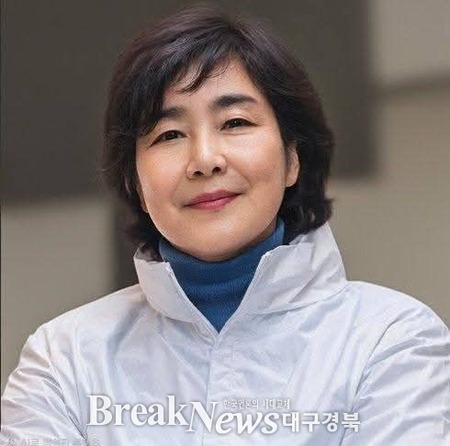
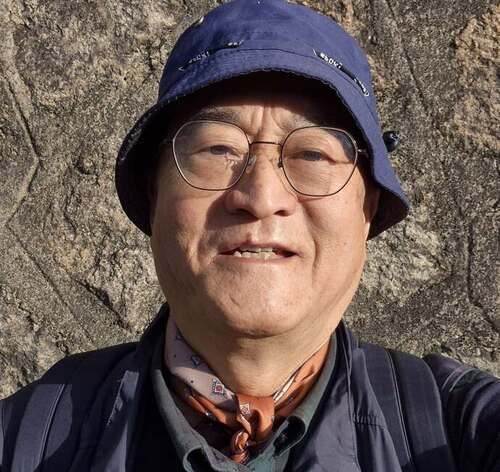
▲ 문일석 본지 발행인. ©브레이크뉴스 |
주간신문-인터넷 신문의 사주로서, 역설적인 스토리를 토해낸다. 1961년 5.16 군사 쿠데타를 일으킨 박정희 군부정권은 주간신문을 초토화 시켰다.
미국에서 공부, 박사가 된 이승만 대통령은 언론의 자유를 주었다. 박정희 군부 정권이 들어서자 600여개가 넘는 주간신문-주간잡지들은 일제히 군사정부 수립을 반대하고 나섰다. 박정희 군부정권은 집권 초기에 주간신문을 발간하려면 윤전기를 설치해야 한다는 법안을 통과(1963.12. '신문, 통신 등의 등록에 관한 법률') 시켰다.
'신문·통신 등의 등록에 관한 법률(시행=1964년 1월1일)' 제3조 (시설기준) 4항 3조(시설기준=특수일간신문 또는 일반 주간신문의 발행에 있어서는 윤전기 1대 이상과 대통령령으로 정하는 부수 인쇄시설)에 따라, 윤전기가 있는 주간신문-주간잡지들을 제외한 모든 주간신문들이 폐간-처분 됐다.
6백 여 개가 넘는 주간신문들이 시설 기준인 윤전기를 설치할 수 없어, 하루아침에 몰살(沒殺) 당했다. 박정희-전두환 정권 내내 그랬다. 일간신문의 부속품으로서의 주간지만 존재했다. 서울신문의 ‘선데이서울’, 경향신문의 ‘주간경향’ 류(類)의 주간지만 존재했다. 정치기사를 쓸 수 없는, '절름발이 주간지'였다.
군부정권의 주간신문 말살 정책은 노태우 정권 말기인 1989년에야 풀렸다. 첫 독립 주간신문(일간지 외 발행했던 주간신문)이 토요신문이었다. 필자는 나이 40세에 이 신문의 편집국장이 됐다. 필자는 “물을 만난 제비” 같았다. 왜냐? 당시, 필자는 한국 사회에서 34년간에 달하는 주간신문 발행 공백의 국가-사회적인 의미가 무엇인지를 알아차렸기 때문이다.
34년간이라는 긴 세월동안 군부권력에 빼앗긴 주간신문이라는 존재가 어떤 존재인지를 보여주려고 노력했다.
필자가 편집국장으로 이끌었던 주간신문들(토요신문-일요서울-주간현대)의 톱기사는 늘 과거의 정치폭로로 일관했다. 독자들은 구독으로 답해줬다. 매주 20-30만부 내외가 판매돼, 주간신문 전성시기를 구가했다.
당시 주간신문들은, 벌판에서 짚에 불을 붙였을 때, 들 바람에 불티 날리듯이 팔려나갔다.
필자는 1997년 5월, 시사주간신문 ‘주간현대’를 창간, 지난 27년간에 걸쳐 주간신문 발행인의 자리를 차지해왔다. 오늘에 이르기까지. 그 이후, 인터넷 언론(브레이크뉴스)으로 그때의 언론정신이 이어지고 있다.
군부 정권(박정희-전두환)이 주간신문을 탄압한 후유증은 아주 컸을 것이다. 일부 일간신문들은 주간신문-주간지를 독점 발행하며, 긴 기간을 생존해왔다. 그러나 필자는 탄압의 긴 기간을 거쳐 획득된 주간언론 자유의 덕을 톡톡히 보았던 언론인이었다.
역설적이지만, 필자인 나는 박정희-전두환의 덕을 가장 많이 본(?) 주간신문의 편집국장이자 발행인이었다? 짙은 그늘이 있으면, 밝은 햇볕을 쬐는 쪽도 있다? 나는 운이 좋은 사람이었다? moonilsuk@naver.com
*필자/문일석. 시인. 발행인.
*아래는 위 기사를 '구글 번역'으로 번역한 영문 기사의 [전문]입니다. '구글번역'은 이해도 높이기를 위해 노력하고 있습니다. 영문 번역에 오류가 있을 수 있음을 전제로 합니다.<*The following is [the full text] of the English article translated by 'Google Translate'. 'Google Translate' is working hard to improve understanding. It is assumed that there may be errors in the English translation.>
The author is the editor-in-chief and publisher of a weekly newspaper who benefited the most from Park Chung-hee and Chun Doo-hwan?
[Essay approach] “The aftereffects of the military regime (Park Chung-hee-Chun Doo-hwan) suppressing weekly newspapers must have been very significant.”
-Moon Il-suk, newspaper publisher
It tells a paradoxical story. The military regime of Park Chung-hee, who launched the May 16 military coup in 1961, devastated weekly newspapers.
President Syngman Rhee, who studied in the United States and received a doctorate, granted freedom of speech. When Park Chung-hee's military regime came into power, more than 600 weekly newspapers and magazines opposed the establishment of a military government. In the early days of his administration, Park Chung-hee's military regime passed a law (December 1963, 'Act on the Registration of Newspapers, Communications, etc.') requiring the installation of a rotary press to publish a weekly newspaper.
‘Act on Registration of Newspapers, Communications, etc. (Enforcement = January 1, 1964)’ Article 3 (Facility Standards) Paragraph 4 Article 3 (Facility Standards) For the publication of special daily newspapers or general weekly newspapers, one rotary press is required. In accordance with the above and the secondary printing facilities prescribed by Presidential Decree), all weekly newspapers except weekly newspapers and magazines with rotary presses were discontinued and disposed of.
More than 600 weekly newspapers were wiped out overnight because they could not install rotary presses as required. It was like that throughout the Park Chung-hee-Chun Doo-hwan regime. Only weekly newspapers existed as accessories to daily newspapers. There were only the Seoul Shinmun’s ‘Sunday Seoul’ and the Impact Shinmun’s ‘Weekly Kyunghyang’ type of weekly. It was a ‘lame weekly’ that could not write political articles.
The military regime's policy of eliminating weekly newspapers was lifted only in 1989, at the end of the Roh Tae-woo administration. The first independent weekly newspaper (a weekly newspaper published other than a daily newspaper) was the Saturday newspaper. I became the editor-in-chief of this newspaper at the age of 40. I was like a “swallow that meets water.” because? At that time, the author realized the national and social significance of the 34-year gap in weekly newspaper publication in Korean society.
We tried to show what kind of existence a weekly newspaper was that was taken over by military power for a long period of 34 years.
The top stories of the weekly newspapers (Saturday News - Sunday Seoul - Weekly Hyundai) that I led as editor-in-chief were always consistent with past political revelations. Readers responded by subscribing. Around 200,000 to 300,000 copies were sold every week, marking the heyday of weekly newspapers.
At that time, weekly newspapers were sold like sparks flying in the wild wind when straw was lit on fire in the fields.
The author founded the weekly current affairs newspaper ‘Weekly Hyundai’ in May 1997 and has been the publisher of the weekly newspaper for the past 27 years. Until today. Since then, the journalistic spirit of that time has continued through Internet media (Break News).
The aftereffects of the military regime (Park Chung-hee-Chun Doo-hwan) suppressing weekly newspapers must have been very significant. Some daily newspapers exclusively publish weekly newspapers and have survived for a long period of time. However, the author was a journalist who greatly benefited from the weekly freedom of speech achieved after a long period of oppression.
Paradoxically, I, the author, was the editor-in-chief and publisher of a weekly newspaper that benefited the most from Park Chung-hee and Chun Doo-hwan? If there is deep shade, there is also a side in bright sunlight? Was I a lucky person? moonilsuk@naver.com
*Writer/Moon Il-suk. poet. Newspaper publisher.