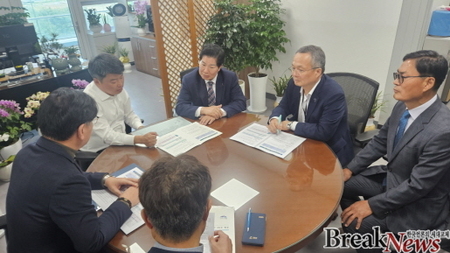
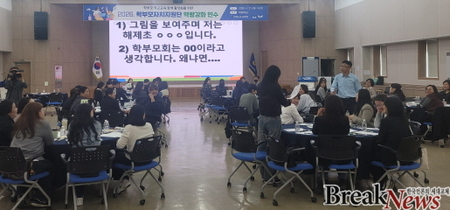
대통령리더십연구원(원장=최진 박사)은 지난 3월 8일 오후 2시-4시까지 국회 의원회관 제1세미나실에서 “22대 총선과 중도혁명”이란 주제로 토론회를 가졌다. 이날 토론회 패널 참석자들의 발표내용은 아래와 같다.
 ▲대통령리더십연구원(원장=최진 박사)은 지난 3월 8일 오후 2시-4시까지 국회 의원회관 제1세미나실에서 “22대 총선과 중도혁명”이란 주제로 토론회를 가졌다. ©브레이크뉴스 |
 ▲대통령리더십연구원(원장=최진 박사)은 지난 3월 8일 오후 2시-4시까지 국회 의원회관 제1세미나실에서 “22대 총선과 중도혁명”이란 주제로 토론회를 가졌다. ©브레이크뉴스 |
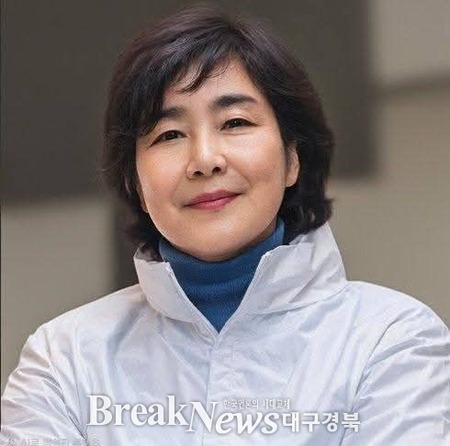
▲최진 대통령리더십연구원 원장=주제발표 제목 '22대 총선과 중도혁명'=한국정치는 겉으로 거대 양당이 지배하는 양극단 시대처럼 보이지만 실제로는 중도 층이 갈수록 넓어지고 강화되어 막판에 대세를 판가름하는 중도시대가 도래했다.
중도시대에는 양극단 세력 간 대결이 치열하게 맞붙을수록 양측이 팽팽하기 때문에, 오히려 중도층의 영향력이 커져서 결정적인 고비에 중도층이 어느 한쪽을 좀 더 지지하여 박빙 승부를 내는 것이 중도현상이다.
이처럼 팽팽한 양극단 대결→중도층의 막판 캐스팅보트→박빙 승패의 3단계 현상이 갈수록 빠르고 강력하게 나타나고 있는 것이 ‘중도혁명’이며, ‘강력한 중도시대’이다. 이는 한국을 비롯한 미국, 남미 등 세계적인 현상이다.(2022 대선 윤석열 0.73%p, 2021 전당대회 송영길 0.59%p차, 2021 민주당 경선 이낙연 0.29%p차, 국힘당 경선 홍준표 5%p차 2020 미국 대선 조지아주 바이든 0.3p차, 상원 50:49, 2024년 1월 미국 대선후보 바이든-트럼프 35% 동률, 2022 브라질 대선 1.8%p차, 2024년 3월8일 현재 국힘당과 민주당은 30%대 중후반 초박빙 보도이다.
이번 4.10 총선을 한달 앞두고 여야 지지율이 30%대 중후반으로 팽팽하게 초 접전중이다. 이를 조용히 지켜보는 중도층(2030 젊은층, 여성,자영업자, 소상공인)이 막판에 자신들의 이익을 좀더 대변해주는 정당을 지지함으로써 전국 곳곳에서 박빙 승부가 나는 선거구가 과거 어느 때보다 많을 것으로 보인다. 지난 2년 동안이나 여야 정당 지지율이 30%대 박스 권에서 갇혀있다는 것은 역설적으로 중도층이 그만큼 견고하고, 아직 어느 정당에도 만족하지 못하고 있다는 반증임. 이번 총선은 역대 어느 총선 때보다 중도층의 역할이 크고, 투표일 마지막 순간까지 임박해서 표심을 결정하며 초접전지역과 박빙 승패 선거구가 많은 진기록을 세울 것으로 보인다.
작금의 중도층은 이쪽도 저쪽도 싫은 ‘소극적 무당파’가 아니라 중요한 고비 때마다 이해관계와 필요에 따라서 이쪽도 저쪽도 지지할 수 있는 ‘적극적 무당파’이다. 이들은 탈정치-탈이념-친(親) 민생 성향이 강하기 때문에 정치이슈-이념적 편향성-과격한 투쟁을 싫어하고 비정치적 이슈-민생경제 이슈-타협과 상생을 좋아하는 경향이 강하다. 따라서 거대 정당과 제3지대 신당이 중도층을 좀 더 끌어들이기 위해서 치열하게 경쟁하여 승패를 결정짓는 정치가 ‘중도정치’이며, 이는 정치발전과 국민통합을 위한 올바른 방향이며 최대 과제이다.
오늘날 중도시대의 중도정치 하에서는 표의 일방적인 쏠림현상이나 어부지리를 얻는 반사이익 효과, 갑자기 상황을 변화시키는 돌발변수와 같은 정치 공학적 요인들의 영향력이 현저하게 약화되었다. 대신 SNS의 최첨단 무기로 중무장한 국민들 특히 중도층이 직접 나서서 정치를 주도하려는 ‘대중 주도시대’이기 때문에, 민생을 최우선시하는 ‘민생 제일주의’에 올인해야 중도층의 지지를 받을 수 있다.
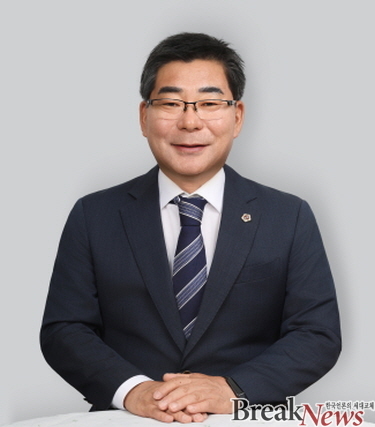
▲김택환 교수=대한민국은 중도좌파, 중도우파로 나누어져 있다. 세계적으로 제왕적 대통령 대통령의 폐해를 없애기 위해 총리제도 도입 국가들이 늘어나고 있다. 공동체 의식이 없어짐에 따라 서로를 공격하는 정쟁 정치만 남았다.
▲박상병 교수=중도의 중요성을 경험한 계기가 '안철수 신드롬'이 전국적으로 확산되던 시기에 대한민국 최초로 소수정당인 국민의당이 돌풍을 불며 국회의원 38석을 차지하게 되었다. 하지만, 현재의 안철수는 중도층의 희망을 저버리고, 국민의힘으로 당적을 옮기게 되었다. 그로인한 중도층의 실망과 배반의 트라우마는 깊이 오래 뇌리에 남게 되었다. 총선을 앞두고 제3지대에 마치 중도를 표방하는 신생 정당들이 늘어났다. 하지만 지지기반이 약한 이러한 소수정당들은 총선이 끝나면 과거의 기억처럼 허무하게 합당의 길을 걷게 될 것이라는 것을 현명한 중도층은 잘 알고 있기에 제 3지대에 대한 희망은 없다. 대한민국은 과거 독재정치를 경험하며, 대화합 대신 반 지지세력에 대한 탄압과 공격이 당연시 되는 비정상적인 정치적 상황이 초래되었다. 이는 연동형비례제 대신 위성정당의 세력을 키우는 모순이 반복되고 있다. 중도정치에 기반한 제 7공화국이 반드시 생겨나야 한다. 이를 통한 다당제도가 형성되어 정당 간 건강한 경쟁체제를 만들어야 한다.
▲장의관 교수=대한민국의 정치한계는 거대 양당제도의 지속이라는 민주주의의 경쟁과 감시기능의 감소로 국민들은 정치에 대한 분신, 혐오가 확대되고 있어서 이제는 차별화되는 정치 전략이 필요하다. 이는 정책별 좌파, 우파가 나누어져 있고, 중도층이 원하는 경제발전을 위한 정책적 차별화가 미흡하고 복잡 다양화되어 가는 사회변화에 대응해 줄 수 있는 슬기롭게 대처해주는 정당이 없다. 6.25 전쟁 이후 경제발전을 염원하는 대한민국 대다수 국민들의 열망이 민주주의의 진정한 이데올로기가 형성되지 못한 채 불안정한 상태로 변화해온다. 이는 정치적 이익에 따른 정당간의 이합합산의 변형적인 모습이 남아있다.
▲홍형식 대표=중도층의 40대(고학력, 탈이념, 탈정치화) 역할론을 강조해왔다. 중도층의 조용한 역할론 (20%[고정 좌파], 20%[고정 우파], 50%[중도], 10%[무당층, 정치에 관심없음], 중도층을 대변하는 정당이 없기 때문에 선거 때마다 기울어진 운동장처럼 좌파, 우파로 강제로 나누어 투표결과가 나오고 있다. 중도층의 기본적 특징:고학력, 도시지역 거주, 탈정당, 탈이념, 보편적 가치 추구, 실용적, 정책적 효율성에 민감하다. 중도층의 투표 참여시 투표율이 증가하여 선거판세가 급변하는 경우가 많았으나, 이와 반대로 중도층의 미 참여시 박빙 승부(이 경우 중도층이 Swing Voter의 역할을 함)의 형태를 보인다.
*아래는 위 기사를 '구글 번역'으로 번역한 영문 기사의 [전문]입니다. '구글번역'은 이해도 높이기를 위해 노력하고 있습니다. 영문 번역에 오류가 있을 수 있음을 전제로 합니다.<*The following is [the full text] of the English article translated by 'Google Translate'. 'Google Translate' is working hard to improve understanding. It is assumed that there may be errors in the English translation.>
Presidential Leadership Institute “22nd General Election and Centrist Revolution” theme debate presentation content (summary)
-Reporter Park Jeong-dae
The Presidential Leadership Institute (Director = Dr. Jin Choi) held a discussion session on March 8th from 2:00 PM to 4:00 PM in the first seminar room of the National Assembly Building under the topic “22nd general election and centrist revolution.” The presentations of the panel participants of the day's discussion are as follows.
▲Jin Choi, President of the Presidential Leadership Institute = Theme presentation title '22nd general election and centrist revolution' = On the surface, Korean politics appears to be a bipolar era dominated by the two major parties, but in reality, it is a centrist era in which the middle class is increasingly broadened and strengthened to decide the trend at the last minute. has arrived.
In the era of moderates, the more intense the confrontation between polar forces, the more tense the two sides become, so the influence of the moderates increases, and at a critical juncture, the moderates support one side more, resulting in a close match, which is a moderate phenomenon.
In this way, the three-stage phenomenon of tense confrontation between extremes → last-minute casting vote of the moderates → closely contested victory and defeat is emerging faster and more powerfully, which is the ‘middle-of-the-road revolution’ and the ‘strong middle-of-the-road era’. This is a global phenomenon, including in Korea, the United States, and South America. (2022 presidential election Yoon Seok-yeol 0.73% point difference, 2021 National Convention Song Young-gil 0.59% point difference, 2021 Democratic Party primary Lee Nak-yeon 0.29% point difference, Hong Jun-pyo 2020 People Power Party primary 5% point difference 2020 US presidential election Very Biden 0.3 point margin, Senate 50:49, January 2024 US presidential candidate Biden-Trump tied at 35%, 2022 Brazilian presidential election 1.8 percentage point margin, As of March 8, 2024, the People Power Party and the Democratic Party are around 30% This is a very close report from the mid to late season.
A month before the April 10 general election, the ruling and opposition parties are in a tight race with approval ratings in the mid to high 30% range. The moderates (young people in their 20s and 30s, women, self-employed people, small business owners) who are quietly watching this are supporting political parties that better represent their interests at the last minute, so there are likely to be more closely contested constituencies across the country than ever before. The fact that the approval ratings for the ruling and opposition parties have been stuck in the 30% range for the past two years is paradoxically proof that the moderates are that strong and are not yet satisfied with any political party. In this general election, the role of the moderates is greater than in any previous general election, and votes are decided close to the last minute of voting day, and it is expected to set a record with many closely contested areas and closely contested constituencies.
Nowadays, the moderates are not ‘passive independents’ who dislike neither side nor the other, but ‘active independents’ who can support one side or the other depending on their interests and needs at important junctures. Because they have a strong tendency to be post-political, post-ideology, and pro-people's livelihood, they dislike political issues - ideological bias - and radical struggle, and tend to like non-political issues - people's livelihood and economic issues - compromise and coexistence. Therefore, ‘centrist politics’ is politics in which large political parties and new third party parties compete fiercely to attract more moderates to determine victory or defeat, and this is the right direction and the biggest task for political development and national integration.
Under the centrist politics of today's centrist era, the influence of political engineering factors such as the one-sided concentration of votes, the reflexive benefit effect of gaining the upper hand, and unexpected variables that suddenly change the situation has been significantly weakened. Instead, since this is the ‘mass-led era’ where the people, especially the moderates, who are heavily armed with the cutting-edge weapons of SNS, are directly trying to lead politics, we must go all-in on the ‘people’s livelihood first’ policy of prioritizing the people’s livelihood in order to receive the support of the moderates.
▲Professor Taek-Hwan Kim=The Republic of Korea is divided into center-left and center-right. Around the world, an increasing number of countries are introducing the prime minister system to eliminate the negative effects of the imperial presidency. As the sense of community disappears, only political politics that attack each other remain.
▲Professor Sang-Byeong Park = The opportunity to experience the importance of moderation was when the ‘Ahn Cheol-Soo Syndrome’ was spreading across the country, and the People’s Party, the first minority party in Korea, took a huge hit and won 38 seats in the National Assembly. However, the current Ahn Cheol-soo abandoned the hopes of the moderates and changed his party affiliation to the People Power Party. The resulting trauma of disappointment and betrayal among the middle class remained deep in our minds for a long time. Ahead of the general election, new political parties claiming to be centrist have increased in the third zone. However, there is no hope for a third zone because the wise moderates are well aware that these minority parties with a weak support base will follow the path of merger as in the past as in vain after the general election. The Republic of Korea's experience of dictatorship in the past has led to an abnormal political situation in which repression and attacks on anti-supporters are taken for granted instead of dialogue and harmony. This is repeating the contradiction of increasing the power of satellite parties instead of the linked proportional system. A 7th Republic based on centrist politics must emerge. Through this, a multi-party system must be formed to create a healthy competition system between political parties.
▲Professor Jang Jang-Gwan = The political limit of the Republic of Korea is the continuation of the large two-party system, which is due to competition in democracy and the decline in surveillance functions, and the people's self-immolation and hatred of politics are increasing, so differentiated political strategies are now needed. This means that the left and right are divided by policy, there is insufficient policy differentiation for the economic development desired by the moderates, and there is no political party that can respond wisely to social changes that are becoming complex and diversified. After the Korean War, the aspirations of the majority of the people of the Republic of Korea for economic development have become unstable without the true ideology of democracy being formed. This remains a deformed form of merger between parties based on political interests.
▲CEO Hong Hyeong-sik = The role of moderates in their 40s (highly educated, de-ideological, de-politicized) has been emphasized. The theory of the quiet role of the moderates (20% [solid left wing], 20% [solid right wing], 50% [centrists], 10% [non-partisan, not interested in politics], because there is no political party representing the centrists, every election Like a tilted playing field, voting results are being forcibly divided into left and right. Basic characteristics of the moderate class: highly educated, living in urban areas, post-party, post-ideology, pursuit of universal values, pragmatic, and sensitive to policy efficiency. There were many cases where voter turnout increased when voting occurred and the voting situation changed rapidly, but on the contrary, when the moderates did not participate, it was a close race (in this case, the moderates played the role of swing voters).