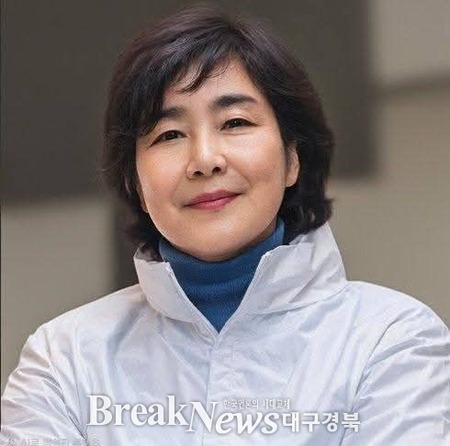
▲ 정길선 박사 ©브레이크뉴스 |
보이코 보리소프(Бойко Борисов)는 2005년 11월 8일부터 선거 전까지 소피아의 시장으로 재임했었던 인물이다. 그의 정당이었던 "유럽 발전을 위한 불가리아 시민(GERB)"당이 7월 초에 실시한 2009년 불가리아 의회 선거에서 승리한 후, 2009년 7월 27일에 불가리아의 50번째 총리가 되었다. 이들 GERB는 당시 집권당인 사회당(BSP)을 누르고 승리했다. 불가리아의 중앙선거관리위원회는 GERB가 39.7%의 지지를 얻어 17.72%를 얻은 사회당을 눌렀다.
당시 불가리아는 국제투명성기구에서 EU 회원국들 중 가장 부패한 나라로 꼽힐 정도로 악명 높은 나라였다. 족벌주의가 만연한 데다 기득권 세력의 범죄에 대한 사법처리도 전무한 국가였다. GERB의 성공은 현 정권의 부정부패를 집중적으로 추궁했으며 부패로부터 깨끗한 정부를 만들겠다고 공언한 것에 크게 주효했다. 세르게이 스타니세프(Сергей Станишев) 사회당 총재이자 당시 총리의 긴축정책으로 인한 경기 침체도 사회당 몰락의 원인이 되었다.
당시 개혁을 주제로 당선되었던 보이코 보리소프는 여러 직업을 두루 경험한 독특한 이력의 소유자로 알려져 있다. 1959년 소방관 아버지와 유치원 교사인 어머니 사이에서 태어난 그는 공인 9단의 태권도 선수로도 활동했고 태권도 불가리아 대표팀 코치도 지냈다. 20대에는 소방관, 경찰을 거쳐 1991년 사설 경호회사를 차리면서 불가리아의 지프코프 독재정권에 저항했다.
이 때문에 국민들은 보리소프에게 부패와 불가리아 마피아 등 지하 세계 대해 단호하게 대응할 것이란 이미지를 갖고 있었기에 그를 당선시킨 것이었다. 이후 소피아 세르디카 경찰서장을 거쳐 2001년 내무부 장관을 역임하기도 했다. 내무부 장관 당시 마약밀매와 범죄 현장을 직접 기습하는 등 대범한 추진력으로 ‘배트맨’이란 별명을 얻기도 했는데 그의 정당이 야당에 비해 세력이 약하기 때문에 연정을 구성해 총리로써 직위를 수행했다. 그는 친서방주의자였고 누구보다 부패척결에 앞장 섰던 인물이지만 침체된 경기를 살리는데 실패했다.
보리소프의 나라 치안과 내정, 그리고 부패 척결에 지대한 공이 있지만 역시 부정부패를 완전히 척결하지 못했고 더불어 서민 경제를 살리지 못했다는 것은 그의 정치력에 치명적인 오점으로 자리 잡았다. 이와 같은 어려운 상황에서 2013년 2월 15일, 국가 재정난을 해소하기 위해 전기 요금을 인상하기로 결정한다. 이와 같은 정책을 결정한 이유는 기존의 도나우 강을 중심으로 5개 수력발전소에서 전력을 뽑아내고 있었지만 대개 시설이 지프코프 시절인 1960년대 후반에 지어진 것이라 시설의 노후화가 심각했다.
이를 보수하기 위해 지프코프 정권 이후, 불가리아 정부는 지대한 노력을 기울였지만 문제는 불가리아의 재정이 이를 감당하지 못했던 것이다. 그래서 당시 시메온 총리가 2003년에 민영화 정책을 감행하여 체코국영전력공사(CEZ)와 오스트리아계 전력회사 등 외국자본을 끌어들였다. 이는 시메온 본인이 차르에서 퇴임한 후, 이집트로 망명하면서 유럽 각국을 전전했었고 특히 미국이나 영국의 민영화 정책에서 영감을 받아 도입한 서구식 민영화 정책의 시작이었던 것이다.
2012년 유로 내 경제 관련 조사에서 EU 국가 중 가장 먼저 파산할 위험의 국가로 불가리아가 지목되었던 것처럼 불가리아 내 심각한 재정난은 체코국영전력공사(CEZ)와 오스트리아계 전력회사의 전기 요금 인상으로 이어졌다. 이들 회사들은 지난해 7월 전기요금을 13% 포인트 올렸는데, 겨울철 난방비로 전기료가 급증하자 시민들이 분노한 것이다. 17일부터 수도 소피아를 비롯해 전국 5개 도시에서 수만 명이 모여 전기요금 인상과 정부의 부정부패, 경제난을 비판하며 시위를 벌였다.
19일 밤에는 소피아 거리 한 가운데서 유혈충돌까지 발생했다. 당시 시위는 1997년 은행의 파산, 물가 상승 등으로 인해 고통받던 국민들이 들고 일어나 당시 집권당인 사회당 내각을 총사퇴하게 했던 사건 이래로 가장 규모가 컸다. 당시 로이터 통신은 이 시위를 취재하면서 불가리아 일반인들을 상대로 인터뷰한 결과, 자신들이 구하는 일자리는 급료가 200~350달러 정도에 불과한데 전기료는 135달러 넘게 내야 한다고 말하며 분노를 터뜨렸다고 한다.
이 시위는 필자도 목격한 바 있으며 필자는 2013년 1월부터 소피아 대학에 소속되어 연구교수로 있어 소피아에 거주했다. 이 때 필자 또한 불가리아 사람들의 평균 월급이 약 250달러 정도였던 것으로 기억한다. 전기세가 인상되어 외국인인 필자도 생활이 쉽지 않았던 것으로 기억된다. 보리소프 총리는 시위가 확산되자 2월 18일 긴축 재정을 이끌어온 시메온 잔코프 재무장관을 해임한 데 이어 19일엔 불가리아 서부 지역 190만가구에 전력을 공급해온 체코국영전력공사와 계약을 파기하겠다고 밝혔으나 국민들의 분노는 가라앉지 않았다.
그러자 보리소프 총리는 국회에서 더 이상 국회가 국민들의 공격을 막기 위해 바리케이드를 치고 있는 것을 볼 수 없다며 사임 뜻을 밝히고 모든 책임을 지겠다며 2월 20일 전격 사퇴했다. 단순한 전기세 인상으로 왜 총리가 사퇴까지 해야 하는지 의아해 하는 한국인들도 많았던 것으로 기억한다. 그러나 무엇이든 현지의 입장에서 생각해야 한다. 물가가 오르고 월급은 그대로이며 받은 월급의 65%가 전기세로 나간다면 폭동이 일어나지 않는게 이상한 것이다.
결국 당시 보리소프 총리의 사퇴로 본래 7월 실시될 예정이었던 총선은 4~5월 열렸고 경제 위기 타개를 공약으로 내건 사회당의 플라멘 올레샤르스끼(Пламен Орешарски)가 총리에 당선되어 불가리아를 이끌었다.
*필자/ 정길선.
노바토포스 회원, 역사학자, 고고인류학자, 칼럼니스트, 러시아 과학아카데미 유라시아 고고인류학연구소 연구교수.
*아래는 위 기사를 '구글 번역'으로 번역한 영문 기사의 [전문]입니다. '구글번역'은 이해도 높이기를 위해 노력하고 있습니다. 영문 번역에 오류가 있을 수 있음을 전제로 합니다.<*The following is [the full text] of the English article translated by 'Google Translate'. 'Google Translate' is working hard to improve understanding. It is assumed that there may be errors in the English translation.>
In 2013, the prime minister and cabinet resigned due to protests against the privatization of Bulgarian public enterprises and an increase in electricity rates.
Gil-seon Jeong, columnist
Boykov Borisov (Бойко Борисов) was the mayor of Sofia from November 8, 2005 until his election. He became the 50th Prime Minister of Bulgaria on 27 July 2009, after his party, the Bulgarian Citizens for European Development (GERB), won the 2009 Bulgarian parliamentary elections held in early July. These GERBs won over the ruling Socialist Party (BSP) at the time. Bulgaria's Central Election Commission found that GERB won 39.7% of the vote, defeating the Socialist Party, which received 17.72%.
At the time, Bulgaria was a notorious country, ranked by Transparency International as the most corrupt country among EU member states. It was a country where nepotism was rampant and there was no judicial action against crimes committed by those with vested interests. GERB's success was largely due to its intensive investigation of corruption in the current administration and its pledge to create a government clean from corruption. The economic downturn caused by the austerity policies of Sergei Stanisev (Сергей Станишев), the leader of the Socialist Party and then Prime Minister, also contributed to the downfall of the Socialist Party.
Boyko Borisov, who was elected on the topic of reform at the time, is known as the owner of a unique career with experience in various occupations. Born in 1959 to a firefighter father and a kindergarten teacher mother, he was also a certified 9th dan Taekwondo athlete and coach of the Bulgarian Taekwondo national team. In his 20s, he worked as a firefighter and a police officer, and in 1991, he founded a private security company to resist the Zipkov dictatorship in Bulgaria.
For this reason, the people elected Borisov because they had the image that he would take firm action against corruption and the underworld such as the Bulgarian mafia. Afterwards, he served as police chief Sofia Serdica, and also served as Minister of the Interior in 2001. When he was Minister of the Interior, he earned the nickname 'Batman' for his bold drive, including directly raiding drug trafficking and crime scenes. However, because his party was weaker than the opposition party, he formed a coalition government and performed his duties as Prime Minister. Although he was pro-Western and took the lead in eradicating corruption more than anyone else, he failed to revive the stagnant economy.
Although Borisov has made great contributions to the country's security and internal affairs, and to eradicating corruption, his failure to completely eradicate corruption and his failure to revive the economy of the common people have become a fatal stain on his political power. In this difficult situation, on February 15, 2013, it was decided to increase electricity rates to solve the national financial crisis. The reason for deciding on this policy was that electricity was being extracted from five existing hydroelectric power plants centered on the Danube River, but most of the facilities were built in the late 1960s during the Zipkov era, so the facilities were seriously deteriorating.
To repair this, the Bulgarian government made great efforts after the Zivkov administration, but the problem was that Bulgaria's finances could not handle it. Therefore, Prime Minister Simeon at the time implemented a privatization policy in 2003, attracting foreign capital such as the Czech State Electricity Corporation (CEZ) and Austrian electric power companies. This was the beginning of a Western-style privatization policy introduced by Simeon himself, who, after resigning from office as tsar, went into exile in Egypt and traveled around European countries, particularly inspired by the privatization policies of the United States and the United Kingdom.
Just as Bulgaria was identified as the country most at risk of bankruptcy among EU countries in a 2012 Euro economic survey, the country's severe financial difficulties led to an increase in electricity rates by the Czech State Electricity Corporation (CEZ) and Austrian power companies. These companies raised electricity rates by 13 percentage points in July of last year, and citizens became angry as electricity bills soared due to heating costs in the winter. Starting on the 17th, tens of thousands of people gathered in five cities across the country, including the capital Sofia, to protest, criticizing the increase in electricity rates, government corruption, and economic difficulties.
On the night of the 19th, a bloody clash broke out in the middle of Sofia Street. At the time, the protests were the largest since 1997, when people suffering from bank failures and rising prices rose up and forced the then ruling Socialist Party cabinet to resign en masse. At the time, Reuters interviewed ordinary Bulgarians while covering this protest, and found that they were angry, saying that the jobs they were looking for only paid about $200 to $350, but that they had to pay more than $135 for electricity.
I also witnessed this protest, and I have lived in Sofia since January 2013 as a research professor at Sofia University. At that time, I also remember that the average monthly salary of Bulgarians was about $250. I remember that life as a foreigner was not easy due to the increase in electricity bills. As protests spread, Prime Minister Borissov dismissed Finance Minister Simeon Zhankov, who had led fiscal austerity, on February 18 and announced on the 19th that he would terminate the contract with the Czech National Electricity Corporation, which had been supplying electricity to 1.9 million households in western Bulgaria. The people's anger did not subside.
Prime Minister Borisov then announced his intention to resign at the National Assembly, saying he could no longer see the National Assembly erecting barricades to prevent attacks from the people, and resigned on February 20, saying he would take full responsibility. I remember many Koreans wondering why the Prime Minister had to resign over a simple increase in electricity rates. However, everything must be considered from the local perspective. If prices rise, salaries remain the same, and 65% of the salary received goes to electricity bills, it is strange that riots do not occur.
In the end, due to the resignation of Prime Minister Borissov at the time, the general election, which was originally scheduled to be held in July, was held in April and May, and the Socialist Party's Flamen Olesharsky, who pledged to overcome the economic crisis, was elected prime minister and led Bulgaria.