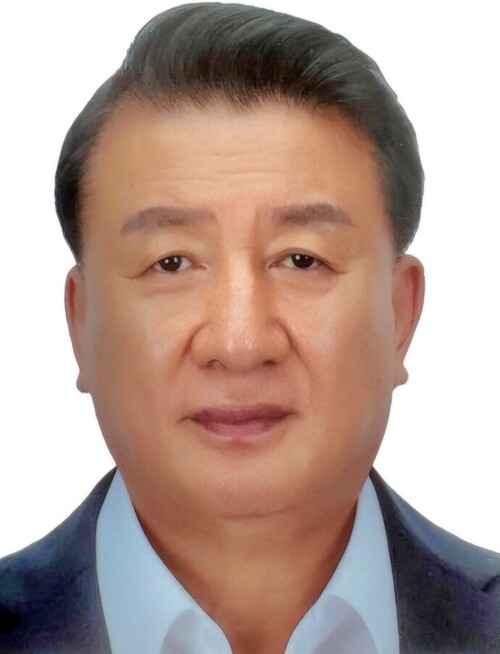
▲ 권기환 박사 ©브레이크뉴스 |
한국에서 독일 관념론은 어떤 방향으로 전개될 것인가? 이것은 해묵은 과제이기는 하지만, 그 방향설정과 핵심 문제가 본격적으로 다루어진 적은 거의 없다. 그러나 명확한 것은 이제부터는 독일 관념론이 한국에서의 단순한 수용이라는 일반적 담론의 수준을 넘어설 필요가 있다는 점이다. 이를 위해서는 우리가 한국의 고유한 전통사상과 독일 관념론 양쪽을 모두 포괄할 수 있는 사상의 이론적 응결지점을 밝혀야만 한다. 당연히 우리는 두 가지 측면을 염두에 두는데, 하나는 한국의 고유한 사상체계가 과연 존재했는지와 다른 하나는 한국에서 독일 관념론이 제대로 얼마나 뿌리가 내렸는지가 관건이다. 그러나 우리는 이 두 가지 중 어느 것도 분명한 방향설정이 되지 못한 채 아직 뚜렷한 해법을 제시하지 못하고 있다.
지난 세월 한국에서 독일 관념론이 한국의 철학도에게 많은 영향을 주어서, 양적인 의미에서 상당한 축적이 이루어지긴 했지만, 우리는 독일 관념론에 함축된 포괄적 의미에 대한 심오한 이해나 거기에서 다루어진 개별적 문제점이나 논쟁에 대한 철저한 분석을 제대로 가하지 못했다. 그러다 보니 독일 관념론이 한국 현실을 냉정하고 엄밀하게 판단하고, 이를 현명하게 대응할 한민족의 주체적 방향을 명확하게 제시하고, 이에 따른 실천적 안목을 키우는데 별다른 공헌을 하지는 못했다. 더욱이 이러한 상황은 동서양 사상을 함께 아우르는 방대하고 심층적인 흐름을 이루려는 세계철학의 흐름에 뒤처지게 했다. 그 까닭은 독일 관념론이 강단에서 한갓 전문용어에 대한 자구(字句)해석 혹은 일반적 개념에 관한 논의 수준으로부터 과감히 벗어나지 못한 채 머물러 있었기 때문이다. 그렇다면 이렇게 된 까닭은 무엇일까?
첫째, 독일 관념론이 한국에 이식되었던 전체 과정이 일본이라는 우회로를 통해 간접적으로 전해지다 보니, 그 당시에 한국의 철학도는 독일 관념론에 함축된 다양한 역사적 배경과 사상적 흐름이라는 전체적 맥락을 통해 전개된 세부적 문제에 관한 본질적 이해에 도달하기 어려웠다. 또 독일 관념론이 당시에 한국의 철학도에게는 일본에 의한 간접적 이해방식에 속박되다 보니, 구체적 한국 현실 사회에서 지니는 의미를 올바르게 파악하기가 제한적이었다는 점이다. 둘째, 일제의 한반도 강점은 건전한 민족(국민)의식을 만들어낼 조건을 이루지 못하게 했다. 따라서 해방과 함께 갑자기 불어닥친 서양의 사상적 풍조는 지나친 자유 방임을 수반해서, 전체적으로 사상과 정신의 큰 혼란을 빚었다. 더 나아가 이러한 혼란은 동양과 서양의 가치 평가적 기준에서 단지 서로의 갈등만을 드러냈을 뿐이며, 거기에서는 이 둘을 조화롭게 융합시키는 거시적 안목이 자리매김이 될 수 없었다. 셋째, 한국전쟁으로 인한 극심한 사회적 혼란은 일시적으로 실존주의가 우리의 불안한 의식에 침투하면서, 민족적 자각과 동양적 사회의 정체성을 타파하려는 진취적 시도를 가로막았다. 이때 실존주의는 그 당시에 철학도에게 그러한 시도로부터 뒤로 물러나서 현실을 외면하고 고정된 틀에 박혀 있으려는 안이한 태도를 부추겼다. 넷째, 독일 관념론이 마치 마르크스주의와 동일시하게 되어, 이를 금기시하는 현상으로 인해 매우 제한적으로 다루어졌으며, 이후에는 오히려 독일 관념론이 ‘관념론’이기 때문에 추상적이고 사변적인 철학으로 치부되었다. 그러나 우리가 막상 독일 관념론을 본격적인 궤도에서 심도 있는 연구를 진행하다 보면, 이 말은 유물론자들이 독일 고전철학을 비판적으로 다룰 때 붙이는 일종의 꼬리표에 불과할 뿐, 실제로 실재론과 관념론이 서로 불가분한 관계에서 논의되고 있음이 드러날 것이다.
사실 이러한 양상은 독일 관념론이 구체적 삶을 실천적 계기로 파악하려는 정신의 주체적 관점을 체계적 논리로 싹트게 하지도 못했으며, 한국철학과 사상의 특수성에 조명될 수 있는 추동력을 올바르게 포착하지도 못했다. 오랫동안 순환 논리적 사유와 역동성이 없는 정체성을 고수하는 사회질서에서는 아무리 새로운 선진 사상일지라도 그것이 역사 창조의 실질적 힘으로 승화되기는 어렵다. 따라서 이러한 상황에서는 주체적인 한국 철학의 정립을 위한 거시적 안목과 이에 합당한 방향의 설정도 상당히 요원할 수밖에 없다. 그렇다면 우리는 어떻게 해야 하는가? 구체적으로 말하기는 어렵지만 이를 위한 큰 틀은 상정될 수 있다.
우선 우리가 한국의 고유한 전통사상을 한갓 실증적 자료의 수집 및 정리 혹은 복고적인 자기 미화와 그 숭상에 집착할 것이 아니라 박진감 있게 빠르게 변화하는 현실 그 자체와 서로 유리시켜 놓기보다 이것을 내적 연관성에 놓아야 한다. 이럴 때 비로소 한국의 고유한 전통사상이 독일 관념론에 접목할 수 있다. 독일 관념론은 바로 이 지점에서 진정한 정신의 창조적 힘과 자기 도약을 무한히 지속해 나가는 주체 스스로 운동과 민족적 과업에 헌신한 전형적 표본모델이었다. 이러한 의미에서 독일 관념론이 한국의 고유한 전통사상과 일맥상통할 수 있는 사상적 토대를 마련한다면, 마치 중체서용(中體西用)의 완전한 합일과 같이 적용될 수 있다면, 이것은 그야말로 한국의 고유한 전통사상의 체계화에 따른 민족 문화의 새로운 발전을 이룰 수 있을 것이다. 그러나 이를 위해 한국의 고유한 전통사상이 자기 수양이나 혹은 현세 부정적인 소극적 명상에만 치우쳐서는 안 되고, 오히려 현실적 삶에 필요한 자양분으로 우리가 살아가는 땅 곳곳에 뿌려져야 한다. 즉 한국의 고유한 전통사상이 단지 사대부의 전유물로서만 점유했던 과거의 잘못된 차원을 탈피해서 이제 대중에게 다가가고, 구체적 삶의 현실에 대응하는 논리체계로 진화해야 한다. 바로 이 지점에서 한국의 전통사상도 자각적 정신과 이에 합당한 의지와 실천을 통해 구체적인 삶의 현실에 필요한 도구가 될 것이다. 또 그렇게 될 때 한국의 전통사상과 독일 관념론의 독창적 묘합(妙合)도 어느 정도 성취될 것이다.
한국에서 독일 관념론은 아직도 한국의 전통사상과 서로 유리된 채 그저 독일적인 독일 관념론에만 매달리는 형국이다. 서로의 사상적 토대가 완전히 다른 상황에서는 당연히 전자는 후자를 뒤쫓아가거나 단순히 모방하려고 할 뿐이다. 그런데 필자의 유학경험에서 보면 전혀 그럴 필요가 없다는 점이다. 필자가 그때 느꼈던 점은 다른 국가의 연구자들이 아무도 독일적 독일 관념론을 추종하거나 모방하지 않고, 오히려 이에 대해 비판적 관점을 견지한다는 것이다. 어찌 보면 맞는 말이다! 독일 관념론은 독일적 학술적 토양에서 자생적으로 성장해서 그 씨앗을 독일뿐만 아니라 각국에 뿌렸고, 그 결실은 각국의 상황에 맞게 수많은 걸출한 철학자를 배출하는 것으로 귀결했다. 한국도 그렇게 되지 말라는 법은 전혀 없다.
그러나 한국의 상황은 독일 관념론에 관한 이론적 토대의 취약함과 그 방향설정에서 여전히 기존의 틀을 좀처럼 깨지 못하고 있다. 그 까닭은 문제 자체에 대한 철학적 고민을 철저하게 파헤치면서 그 해법과 방법을 찾기보다는 각자가 엇비슷한 주제로 쳇바퀴만 돌려대면서, 그 이상의 한 걸음이라도 전진할 수 있는 추동력을 거의 상실했기 때문이다. 무엇을 위해 독일 관념론이 한국에 요구되는가? 어떻게 독일 관념론이라는 거대한 흐름이 한국에서 한국적 현실에 부합하는 구체적인 문제해결의 도구로서, 해결방안으로서 역할을 할 것인가? 한국에서 독일 관념론이 고유한 전통사상과 서로 유리되지 않고 서로 융합되어서 새로운 한국철학의 가능성에 공헌할 수 있다면 어떤 방향이 과연 설정되어야만 하는가?
물론 이러한 문제들은 한순간에 해결될 수 없다. 그러나 이제는 단순히 해결될 수 없다는 답변이 아니라, 그 해법이 무엇인지가 진지하게 논의되어야 한다. 덧붙여 추상적이고 공허한 담론이 중요한 것이 아니라, 이를 한국의 현실에 적합하게 구현할 의지와 지속할 수 있는 추동력이 확보되지 않으면 안 된다. 특히 후자에 관해 솔직히 확신은 어렵다. 그렇게 되었다면, 어쨌든 뭐라도 손에 쥐는 것이 있을 터인데, 아무것도 없는 걸 보면, 이것은 그저 팔짱 끼고 자리에 앉아 이러니저러니 하면서 실제로는 아무것도 하지 않은 무책임한 태도에 지나지 않는다. 과연 이러한 사람들에게 우리가 무엇을 기대할 수 있는지는 의문이 들기 마련이다. 지난 시절을 돌이켜 보면, 우리는 실로 이러한 방식에 과도한 에너지와 진력을 소진했다. 이제는 우리가 이보다는 문제와 그 해법에 관해 집중할 필요가 있지 않을까!
*필자/권기환
철학박사. 동국대에서 석사학위를, 독일 지겐대 제 1학부(역사-철학과)에서 철학박사학위(Dr. phil.)를 취득했다. 경희대, 경기대, 명지대, 상명대, 강남대, 홍익대 등에서 강의를 했다. 현재는 가천대에서 강의를 하고 있다. 주요 관심사는 독일 관념론, 독일 초기 낭만주의, 프랑스 현상학, 해석학, 동서 비교 철학 등이다. 한국 헤겔학회, 한국칸트학회, 한국해석학회, 한국 현상학회(전 정보이사), 서양 근대철학회 등에서 활동하고 있다.
*아래는 위 기사를 '구글 번역'으로 번역한 영문 기사의 [전문]입니다. '구글번역'은 이해도 높이기를 위해 노력하고 있습니다. 영문 번역에 오류가 있을 수 있음을 전제로 합니다.<*The following is [the full text] of the English article translated by 'Google Translate'. 'Google Translate' is working hard to improve understanding. It is assumed that there may be errors in the English translation.>
In what direction will German idealism develop in Korea?
Columnist Kwon Ki-hwan
In what direction will German idealism develop in Korea? This is a long-standing task, but its direction and core issues have rarely been seriously addressed. However, what is clear is that from now on, German idealism needs to go beyond the level of general discourse that it is simply accepted in Korea. To do this, we must identify a theoretical condensation point of thought that can encompass both Korea’s unique traditional thought and German idealism. Naturally, we have two aspects in mind: whether Korea’s unique ideological system actually existed, and the other is how well German idealism has taken root in Korea. However, we have not yet provided a clear solution, as neither of these two issues has been clearly set.
Although German idealism has had a great influence on Korean philosophy students over the years, and has accumulated considerably in quantitative terms, we have not been able to properly understand the comprehensive meaning implied in German idealism or thoroughly analyze the individual problems or controversies addressed therein. As a result, German idealism did not make much of a contribution to the objective direction of the Korean people to judge the reality of Korea coolly and strictly, to respond wisely to it, and to foster practical insight accordingly. Furthermore, this situation caused it to lag behind the flow of world philosophy that sought to form a vast and profound flow that encompassed Eastern and Western thought. The reason for this was that German idealism remained at the level of merely interpreting technical terms or discussing general concepts on the podium. Then, what was the reason for this?
First, since the entire process of transplanting German idealism to Korea was indirectly transmitted through Japan, it was difficult for Korean philosophy students at the time to reach an essential understanding of the detailed issues that were developed through the overall context of the various historical backgrounds and ideological trends implied in German idealism. In addition, since Korean philosophy students at the time were bound by the indirect understanding method of German idealism by Japan, it was limited in correctly understanding its meaning in the specific Korean society. Second, the Japanese occupation of the Korean Peninsula did not create conditions for the creation of a sound national consciousness. Therefore, the Western ideological trend that suddenly blew in after liberation entailed excessive laissez-faire, which caused great confusion in thought and spirit overall. Furthermore, this confusion only revealed the conflict between the Eastern and Western standards of value evaluation, and there was no macroscopic perspective that could harmoniously integrate the two. Third, the extreme social confusion caused by the Korean War temporarily blocked the progressive attempts to break away from national awareness and the identity of Eastern society, as existentialism infiltrated our anxious consciousness. At that time, existentialism encouraged the students of philosophy to retreat from such attempts, turn away from reality, and become comfortable with a fixed framework. Fourth, German idealism was treated very restrictively because it was identified with Marxism and was tabooed, and later, German idealism was considered an abstract and speculative philosophy because it was ‘idealism.’ However, if we actually conduct an in-depth study of German idealism in earnest, this term will be nothing more than a label that materialists attach when critically dealing with German classical philosophy, and it will be revealed that realism and idealism are actually discussed in an inseparable relationship.
In fact, this aspect did not allow German idealism to systematically develop a subjective perspective of the spirit that seeks to understand concrete life as a practical occasion, nor did it properly capture the driving force that could illuminate the uniqueness of Korean philosophy and thought. In a social order that has long maintained circular logical thinking and an identity without dynamism, it is difficult for even the most new and advanced thought to be sublimated into a real force for historical creation. Therefore, in this situation, the macroscopic vision for establishing a subjective Korean philosophy and the setting of a direction appropriate to it are bound to be quite distant. So what should we do? It is difficult to say specifically, but a big framework for this can be assumed.
First, we should not obsess over the collection and organization of empirical data or the retrospective self-glorification and worship of it, but rather place it in an internal connection with the reality itself that is rapidly changing with a sense of excitement. Only then can the unique traditional Korean thought be grafted onto German idealism. German idealism was a typical model that devoted itself to the movement and national task of the subject that infinitely continued the creative power of the true spirit and self-leap. In this sense, if German idealism can establish an ideological foundation that can be in line with Korea’s unique traditional ideology, if it can be applied like the complete unification of the Chinese and the Western, then this can truly lead to a new development of national culture through the systematization of Korea’s unique traditional ideology. However, in order to do this, Korea’s unique traditional ideology should not be limited to self-cultivation or negative, passive meditation on the present world, but rather should be spread throughout the land where we live as nutrients necessary for real life. In other words, Korea’s unique traditional ideology should escape the wrong dimension of the past when it was the exclusive property of the aristocracy and should now approach the public and evolve into a logical system that responds to the realities of concrete life. At this point, Korea’s traditional ideology will also become a tool necessary for the realities of concrete life through a self-conscious spirit and the will and practice that are appropriate to it. When this happens, the unique harmony of Korea’s traditional ideology and German idealism will also be achieved to some extent. In Korea, German idealism is still isolated from Korean traditional thought and is simply stuck on German-style German idealism. In a situation where the ideological foundations of the two are completely different, the former naturally follows the latter or simply tries to imitate it. However, based on my experience studying abroad, I can say that there is no need for that at all. What I felt at that time was that no researchers in other countries followed or imitated German-style German idealism, but rather maintained a critical viewpoint on it. In a way, this is true! German idealism grew naturally in German academic soil and sown its seeds not only in Germany but also in other countries, and the fruits of its labor were the production of numerous outstanding philosophers suited to each country’s circumstances. There is absolutely no reason why Korea should not follow the same path.
However, the situation in Korea is that the theoretical foundations of German idealism are weak and it is still difficult to break the existing framework in terms of setting its direction. The reason is that rather than thoroughly delving into the philosophical concerns about the problem itself and finding solutions and methods, each side is just spinning its wheels on similar topics, and has lost the driving force to take even one step forward. Why is German idealism needed in Korea? How can the great flow of German idealism serve as a specific problem-solving tool and solution that fits the Korean reality in Korea? If German idealism can contribute to the possibility of a new Korean philosophy by not being isolated from Korea’s unique traditional thought but by being fused with it, what direction should be set? Of course, these problems cannot be solved in an instant. However, now, rather than simply saying that they cannot be solved, we must seriously discuss what the solution is. In addition, abstract and empty discourse is not important, but the will to implement them in a way that suits the Korean reality and the driving force that can continue must be secured. It is especially difficult to be certain about the latter. If that were the case, there would be something to grab hold of anyway, but seeing that there is nothing, this is nothing more than an irresponsible attitude of just sitting with their arms folded and doing this and that, but actually doing nothing. It is questionable what we can expect from these people. Looking back, we have indeed wasted too much energy and effort on this method. Shouldn't we now focus on the problem and its solution instead?