|
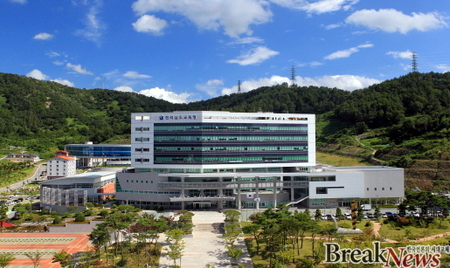
[브레이크뉴스경기남부=수원 이현준기자] 경기주택도시공사는 제로에너지 공동주택 4,5 등급 가이드라인을 수립했다.
ZEB는 단열성능을 극대화해 에너지 소비를 줄이고, 신재생 에너지를 활용해 에너지 소요량을 최소화하는 녹색 건축물이다. ZEB인증제는 에너지 자립률에 따라 총 5단계로 구분하는데, ZEB 5등급 달성을 위해서는 에너지 자립률이 20% 이상, 4등급은 40% 이상이 되어야 한다.
정부는 건물부문 탄소배출 저감을 위해 2023년부터 30세대 이상 공공 공동주택에 대해 ZEB 5등급 의무화를 시행하고 있으며, 민간분야 공동주택은 2025년부터 적용할 예정이다.
이번에 GH가 마련한 ZEB 가이드라인은 인증 등급별로 적용 가능한 최적의 기술로△단열 창호 기밀성능 등 패시브 요소 △열원설비 조명밀도 등 액티브 요소 △태양광 지열 연료전지 등 신재생에너지 요소를 제시했다. 특히 ZEB 인증평가시에너지 민감도가 높은 외벽, 지붕, 바닥, 창 등의 단열성능과 보일러, 전열교환기효율 등의 기술요소가 중요한 것으로 평가됐다.
이어 가이드라인은 ZEB 4,5등급 확보를 위한 가장 효율적인 방안으로 외벽(간접),창호, 현관문의 단열성능 및 조명밀도 기준을 강화해 건축물의 에너지 사용량을최소화하고, 신재생에너지로 태양광발전시스템을 설치하는 것을 제안했다.
GH 김세용 사장은 “공공건축물에 대한 ZEB 의무대상 확대와 등급 상향에 대비해 선제적으로 설계기준 및 가이드라인을 수립하고 직원역량 강화를 위해 ZEB 교육도 시행할 계획”이라고 전했다.
아래는 위 기사를 '구글 번역'으로 번역한 영문 기사의 [전문]입니다. '구글번역'은 이해도를 높이기를 위해 노력하고 있습니다. 영문 번역에 오류가 있을 수 있음을 전제로 합니다.<*The following is [the full text] of the English article translated by 'Google Translate'. 'Google Translate' is working hard to improve understanding. It is assumed that there may be errors in the English translation.>
[Break News Gyeonggi Southern = Suwon Reporter Lee Hyeon-jun] Gyeonggi Housing & Urban Development Corporation has established zero-energy apartment complex grade 4 and 5 guidelines.
ZEB is a green building that maximizes insulation performance to reduce energy consumption and minimizes energy consumption by utilizing renewable energy. The ZEB certification system is divided into five stages according to energy self-sufficiency rate. To achieve ZEB grade 5, the energy self-sufficiency rate must be 20% or higher, and grade 4 must be 40% or higher.
In order to reduce carbon emissions in the building sector, the government is enforcing mandatory ZEB grade 5 for public apartment complexes with 30 or more households starting in 2023, and plans to apply it to private-sector apartment complexes starting in 2025.
The ZEB guidelines prepared by GH this time present the following optimal technologies applicable to each certification grade: △passive elements such as insulation window airtightness performance, △active elements such as heat source facility lighting density, and △renewable energy elements such as solar power and geothermal fuel cells. In particular, when evaluating ZEB certification, insulation performance of exterior walls, roofs, floors, and windows with high energy sensitivity, as well as technical elements such as boiler and heat exchanger efficiency, were evaluated as important.
The guidelines then suggested strengthening insulation performance and lighting density standards for exterior walls (indirect), windows, and front doors to minimize the energy usage of buildings and installing solar power generation systems as new and renewable energy as the most efficient way to secure ZEB 4 and 5 grades.
GH President Kim Se-yong said, “In preparation for the expansion of ZEB mandatory targets for public buildings and the upgrade of grades, we plan to preemptively establish design standards and guidelines and implement ZEB education to strengthen employee capabilities.”
원본 기사 보기:브레이크뉴스 경기남부