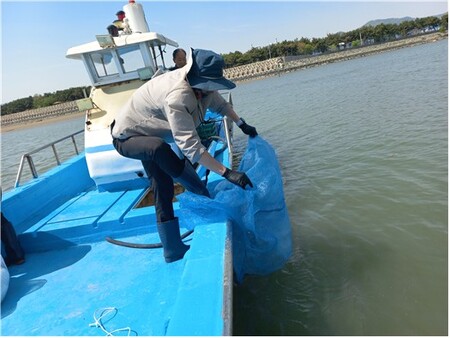
▲ 47년만에 충남 홍성군민들의 염원이 이뤄졌다. 해안권 개발 계획 수립 지역을 포함한 약 94만㎡의 천수만 수산자원 보호구역이 해제되며, 군의 해양관광산업 육성에도 청신호가 켜졌다. © 홍성군 제공 |
47년간 각종 개발 제약을 받아왔던 충남 홍성군 천수만 일대가 마침내 해양관광지로의 전환점을 맞이했다.
‘바다의 그린벨트’로 불리며 수산자원 보호를 이유로 각종 개발 행위가 제한됐던 천수만 수산자원보호구역 일부가 해제되며, 홍성군은 해안권 관광 활성화에 더욱 박차를 가할 전망이다.
군에 따르면, 이번에 해제된 보호구역은 약 94만㎡ 규모로, 군 관리계획 행정절차를 마친 뒤 해안권 개발계획 수립 지역에 포함되며 해제 승인을 받았다. 이는 매립 목적 이외의 사유로 수산자원보호구역이 해제된 전국 최초의 기초자치단체 사례로, 군의 지속적인 노력과 타당성 확보가 빛을 발한 결과다.
군은 지난 1978년 11월 천수만이 수산자원 보호구역으로 지정된 이후, 주민 생활 및 관광 인프라 조성에 큰 제약을 받아왔다. 죽도는 연간 수만 명의 관광객이 방문함에도 불구하고 숙박 및 편의시설 설치에 법적 제한이 있었고, 남당항 해양분수공원이나 홍성스카이타워 등 새로운 관광자원 역시 확장에 어려움을 겪었다.
이용록 홍성군수는 민선 8기 공약으로 수산자원보호구역 해제를 전면에 내세워 왔으며, 끈기와 도전의 행정 철학을 바탕으로 해양수산부와 충청남도를 대상으로 수차례 협의와 설득을 이어왔다. 그는 과거 부군수 재직 시절부터 4개 시·군 협의체를 구성하며 지속적인 논의 구조를 만들어왔고, 이러한 꾸준한 행보가 이번 해제 성과로 이어졌다.
군은 이번 조치로 인해 향후 해안권 관광 개발이 한층 더 탄력을 받을 것으로 보고 있다. 절차 간소화로 추진 기간이 단축되는 것은 물론, 관련 예산 부담도 경감될 것으로 예상되기 때문이다. 특히 죽도를 포함한 해양 관광거점 지역이 시설 확장과 환경 정비가 가능해지면서, 서부 해안 관광벨트의 핵심 축으로 거듭날 것으로 기대된다.
현재 홍성군은 연간 150만 명 이상의 관광객이 찾는 서부 해안지역의 관광 수요에 맞춰, ▲무지개빛 관광도로 조성, ▲남당항~어사항 구간의 야간경관 특화, ▲속동해안 일원의 바다전망쉼터 건립 등 다양한 관광 인프라 확충 사업을 추진 중이다. 또한 대표 축제인 새조개, 대하, 바다송어 축제와의 시너지 효과 극대화를 통해 체류형 해양관광지로서의 경쟁력을 강화해 나갈 계획이다.
이와 함께, 천수만의 생태환경 보전과 해양 개발을 병행하는 ‘청정어장 재생사업’ 공모에도 최종 선정되면서, 오는 2025년까지 20억 원 규모의 사업비로 해양 침적 쓰레기 수거, 주민 역량 강화 프로그램 등 지속 가능한 바다 환경 조성에도 힘을 쏟을 예정이다.
이번 해제를 계기로 홍성군은 ‘개발과 보전의 조화’를 새로운 도시 전략으로 내세우며, 청정 해양도시로의 미래 비전을 본격 가동할 방침이다.
이용록 군수는 “수 많은 노력의 결과로서 오늘의 수산자원보호구역 해제가 가능했다”며, “필요 시 천수만 일대 및 홍성호에 대한 보호구역 조정도 검토해 나가겠다”고 향후 군정 계획을 밝혔다.
한편, 천수만은 1970년대 도시화와 산업화로 인한 수산자원 고갈 우려에 따라 수산자원보호구역으로 지정된 바 있으며, 수십 년 간 유지돼 온 이 규제는 변화된 환경과 국민의 해양 관심도를 반영하지 못해 지역사회 발전의 걸림돌로 지적돼 왔다.
*아래는 위 기사를 '구글 번역'으로 번역한 영문 기사의 [전문]입니다. '구글번역'은 이해도를 높이기를 위해 노력하고 있습니다. 영문 번역에 오류가 있을 수 있음을 전제로 합니다.<*The following is [the full text] of the English article translated by 'Google Translate'. 'Google Translate' is working hard to improve understanding. It is assumed that there may be errors in the English translation.>
The area around Cheonsu Bay in Hongseong-gun, Chungcheongnam-do, which has been subject to various development restrictions for 47 years, has finally reached a turning point as a marine tourism destination.
Some of the Cheonsu Bay Fishery Resources Protection Zone, which was called the ‘Green Belt of the Sea’ and had various development activities restricted for the purpose of protecting fishery resources, has been lifted, and Hongseong-gun is expected to further spur coastal tourism.
According to the county, the protected zone lifted this time is approximately 940,000 m2 in size, and after completing administrative procedures for the county management plan, it was included in the coastal development plan establishment area and received approval for lifting. This is the first case of a local government in the country where the fishery resource protection zone was lifted for reasons other than reclamation purposes, and is the result of the county’s continuous efforts and securing feasibility.
Since Cheonsu Bay was designated as a fishery resource protection zone in November 1978, the county has faced significant restrictions on residents’ lives and the development of tourism infrastructure. Despite the fact that Jukdo receives tens of thousands of tourists annually, there were legal restrictions on the installation of accommodations and convenience facilities, and new tourist attractions such as Namdang Port Ocean Fountain Park and Hongseong Sky Tower also had difficulty expanding.
Hongseong County Governor Lee Yong-rok has been emphasizing the lifting of the fishery resource protection zone as a campaign promise for his 8th elected term, and has continued to negotiate and persuade the Ministry of Oceans and Fisheries and South Chungcheong Province on several occasions based on his administrative philosophy of perseverance and challenge. Since his time as deputy county governor, he has established a structure for continuous discussion by forming four city/county councils, and this steady progress has led to the lifting of the zone.
The county believes that this measure will further boost coastal tourism development in the future. This is because the simplification of procedures will shorten the promotion period and reduce the related budget burden. In particular, as the marine tourism hub area including Jukdo becomes capable of facility expansion and environmental improvement, it is expected that it will be reborn as a key axis of the western coastal tourism belt.
Currently, Hongseong-gun is promoting various tourism infrastructure expansion projects to meet the tourism demand of the western coastal area, which receives more than 1.5 million tourists annually, such as ▲creating a rainbow-colored tourist road, ▲specializing in nighttime scenery in the Namdang Port-Eosaeng section, and ▲building an ocean view shelter along the Sokdong Coast. In addition, it plans to strengthen its competitiveness as a residential marine tourism destination by maximizing the synergy effect with its representative festivals, such as the Saejogae, Loach, and Sea Trout Festivals.
In addition, as it was finally selected for the ‘Clean Fishery Regeneration Project’ contest that simultaneously preserves the ecological environment of Cheonsuman and develops the ocean, it plans to focus on creating a sustainable marine environment by collecting marine sediment waste and strengthening resident capacity with a project budget of 2 billion won by 2025.
With this release, Hongseong-gun plans to fully implement its future vision of a clean marine city by presenting ‘harmony between development and conservation’ as its new urban strategy.
Governor Lee Yong-rok said, “Today’s lifting of the fishery resource protection zone was possible as a result of numerous efforts,” and announced his future plans for the county administration, saying, “If necessary, we will also review the adjustment of the protection zone for the Cheonsu Bay area and Hongseong Lake.”
Meanwhile, Cheonsu Bay was designated as a fishery resource protection zone in the 1970s due to concerns over the depletion of fishery resources caused by urbanization and industrialization. This regulation, which has been maintained for decades, has been pointed out as an obstacle to the development of the local community as it does not reflect the changing environment and the public’s interest in the ocean.
원본 기사 보기:브레이크뉴스대전세종충청