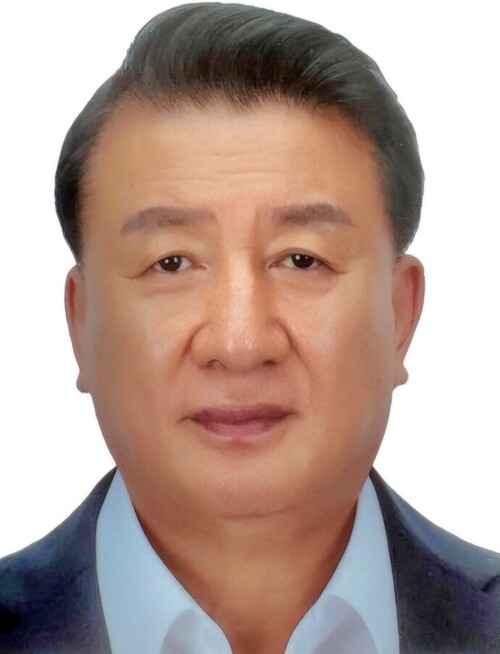
▲필자/ 김정기 칼럼니스트. ©브레이크뉴스 |
윤석열 정부가 한미동맹의 복원과 강화를 통해 잃어버린 5년을 수습하자, 대한민국 외교안보 지형은 제자리를 찾아가는 듯했다. 그러나 이재명 정부 출범 이후, 상황은 급변하고 있다. 대표적 좌편향 매체인 MBC, 경향신문, 한겨레, 오마이뉴스가 ‘자주파’의 목소리를 대변하며 ‘동맹파’를 노골적으로 견제하고 있는 가운데, 외교노선의 중심축이 다시 흔들리고 있다. 대한민국 외교안보의 나침반이 북을 향하느냐, 미국을 향하느냐는 생존의 문제다. 지금 우리는 또다시 그 분기점 앞에 서 있다.
한미동맹은 단순한 외교 문구나 선언이 아니다. 피로 맺어진 실질 동맹이다. 동맹의 어원인 ad-ligare, 즉 ‘가까이 묶는다’는 의미처럼, 동맹은 생존과 번영을 위한 신뢰의 결합이다. 이 신뢰는 언사가 아니라 행동으로 유지된다. 외교적, 군사적, 경제적 채널을 통해 이해와 이익을 조율하지 않으면 동맹은 형해화 된다. 이 구조를 흔드는 순간, 대한민국의 국제적 입지는 급속도로 위축될 수밖에 없다.
문재인 정부 시절, 한미동맹은 사실상 동력을 상실했고, 북·중·러에 기울었다. 주요 국제회의에서 ‘한국은 더 이상 미국의 확고한 동맹국이 아니다’라는 말이 공공연히 오갔다. 이재명 정부는 자주외교를 명분으로 한 동맹 이탈의 길을 더 노골적으로 걷고 있다. 자주파가 외교안보 라인의 주도권을 장악하면서, 한미 공조는 밀월에서 냉각기로 회귀하고 있다.
가장 우려스러운 것은 자주파들이 주권, 균형을 외치면서도 실상은 반미 정서에 입각한 노선을 고수하고 있다는 점이다. 한미연합훈련을 도발로 규정하고, 주한미군의 역할을 축소하자며, 쿼드·IPEF 등 미국 중심의 글로벌 구도에서 한국의 참여를 주저하게 만드는 흐름이 뚜렷하다.
대한민국 외교사는 전략적 동맹을 통해 위기를 돌파한 역사였다. 통일신라와 당, 조선과 명·청, 20세기 미소 냉전기까지, 생존은 언제나 줄을 서는 문제였다. 이승만 대통령이 반공포로 석방이라는 도박에 가까운 결단으로 한미상호방위조약을 이끌어낸 이래, 대한민국은 단 한 번도 동맹 없이 버틴 적이 없다.
그런데 이재명 정부는 표면적으로 한미동맹을 강조하면서도, 그 실질은 굴욕과 종속이라는 언어로 포장하여 동맹을 정치 소재화하고 있다. 자주파들이 말하는 자주는 과거 NL계 이념의 반복이며, 생존 전략이라기보다 반미 상징에 가깝다. 외교부 내에서 한미일 공조를 주도했던 관료들을 친미라는 이유로 좌천시키고, 대북 온건론자들을 중용한 사례는 그 편향성을 단적으로 보여준다.
자주는 동맹을 부정하는 것이 아니다. 진정한 자주는 신뢰할 수 있는 동맹 위에 설 때 가능하다. 미·중 균형외교를 추구하려면 전제는 흔들림 없는 한미동맹이다. 중립이라는 허상이나 민족 자주의 추상은 지정학의 현실 앞에서 무기력하다.
앞으로 100년, 미국은 과학기술, 금융, 군사력, 민주주의 시스템에서 세계질서의 중심축으로 남을 것이다. 그런 미국과의 전략적 동맹을 경시하는 것은 대한민국의 국력과 안보, 경제를 동시에 위협하는 일이다.
북한은 전술핵과 초대형 방사포로 남한을 조준하고 있고, 중국과 러시아는 북한의 손을 들어주며 새로운 권위주의 축을 세우고 있다. 이 상황에서 한미동맹의 약화는 곧 대한민국의 약화다. 윤석열 대통령이 초기 보여준 외교안보의 원칙주의는 이념적 고집이 아니라 현실주의적 생존 전략이었다.
이재명 정부는 외교안보에서 줄타기를 하고 있다. 실용외교를 말하면서도, 그 기반은 여전히 ‘자주’라는 낡은 구호다. 대통령은 실용과 국익을 강조하지만, 외교안보 정책을 좌우하는 자주파 세력은 동맹 자체를 불신하며 기회만 되면 동맹파를 밀어낼 태세다. 외교는 대통령 혼자서 하는 것이 아니다. 이념에 사로잡힌 측근들이 외교안보 정책을 주도한다면, 겉치레 외교는 결국 껍데기로 전락한다.
이재명 정부가 지금이라도 외교안보에서 자주라는 허울을 벗고, 실용과 연대의 원칙으로 되돌아오길 강력히 촉구한다. 대한민국은 정치실험의 무대가 아니다. 한반도는 세계에서 가장 불안정한 화약고 중 하나다. 그곳에서 나침반 없이 항해하는 배는 반드시 침몰한다. 지금 대한민국 외교안보는 나침반을 잃고 파도 위에 떠 있다. 그 중심축을 세우는 길은 단 하나, 동맹과 국제연대라는 현실적 기둥 위에 정책을 재건하는 것이다. 그것만이 대한민국이 살 길이다.
jeongkeekim@naver.com
*필자/김정기
● 학력
- 뉴욕주립대학교(Stony Brook) 정치학과 수석 졸업
- 마케트대학교(Marquette) 로스쿨 법학박사
- 하버드대학교(Harvard) 케네디스쿨 최고위 과정
- 베이징대학교(Peking) 북한학 연구학자
● 경력
- 세계스마트시티기구(WeGO) 사무총장 (현)
- 유엔 국제전기통신연합 (UN ITU) 가상세계 및 AI 글로벌 이니셔티브 집행위원(현)
- 아시아태평양지방정부네트워크(CityNet) 대표
- 제8대 주상하이 대한민국 총영사(13등급 대사)
- 2010 상하이엑스포 대한민국관 정부대표
- 제17대 대선 한나라당 이명박 대통령 후보 국제위원장
- 제20대 대선 국민의힘 윤석열 대통령 후보 정치개혁 공약 총괄
- 제21대 대선 국민의힘 김문수 대통령 후보 외교고문
- 자유한국당 오세훈 당대표 후보 SH전략회의 총괄 및 조직본부 총괄본부장
- 자유한국당 서울시장 예비후보
- 법무법인 대륙아주 중국 총괄 미국변호사
- 난징대학교 국제경제연구소 객좌교수
- 동국대학교 경영전문대학원 석좌교수
- 숭실사이버대학교 총장
● 저서
1. 대학생을 위한 거로영어연구[전 10권](거로출판사)
2. 나는 1%의 가능성에 도전한다(조선일보사)
3.<한국형 협상의 법칙> 저자.
4.<대한민국과 세계 이야기>의 저자.
*아래는 위 기사를 '구글 번역'으로 번역한 영문 기사의 [전문]입니다. '구글번역'은 이해도 높이기를 위해 노력하고 있습니다. 영문 번역에 오류가 있을 수 있음을 전제로 합니다.<*The following is [the full text] of the English article translated by 'Google Translate'. 'Google Translate' is working hard to improve understanding. It is assumed that there may be errors in the English translation.>
jeongkeekim@naver.com
Lee Jae-myung's Diplomatic Security Line: The Rise of the Autonomous Faction—The ROK-US Alliance Is Shaking Again!
- Columnist Kim Jeong-gi
As the Yoon Seok-yeol government recovered the five years lost by restoring and strengthening the ROK-US alliance, the diplomatic and security landscape of the Republic of Korea seemed to be returning to its proper place. However, since the inauguration of the Lee Jae-myung government, the situation has been rapidly changing. While representative left-leaning media outlets such as MBC, Kyunghyang Shinmun, Hankyoreh, and OhmyNews are speaking for the 'autonomous faction' and openly restraining the 'alliance faction', the central axis of the diplomatic line is shaking again. Whether the compass of the Republic of Korea's diplomatic security points north or toward the United States is a matter of survival. Now, we are once again standing at that crossroads.
The ROK-US alliance is not a simple diplomatic phrase or declaration. It is a real alliance forged in blood. As the etymology of the word alliance, ad-ligare, means “to tie close together,” an alliance is a bond of trust for survival and prosperity. This trust is maintained not by words but by actions. If interests and benefits are not coordinated through diplomatic, military, and economic channels, the alliance becomes a mere formality. The moment this structure is shaken, South Korea’s international standing will inevitably decline rapidly.
During the Moon Jae-in administration, the ROK-US alliance virtually lost its momentum and leaned toward North Korea, China, and Russia. At major international conferences, it was openly said that “South Korea is no longer a firm ally of the United States.” The Lee Jae-myung administration is more blatantly taking the path of alliance withdrawal under the pretext of independent diplomacy. As the independent faction takes the lead in diplomatic security, ROK-US cooperation is returning from a honeymoon to a cooling-off period.
The most worrisome thing is that the independent faction is clamoring for sovereignty and balance, but in reality, it is sticking to a line based on anti-American sentiment. There is a clear trend of defining the ROK-US joint military exercises as provocations, reducing the role of USFK, and making Korea hesitate to participate in the US-centered global structure such as Quad and IPEF.
The history of South Korea’s diplomacy is a history of overcoming crises through strategic alliances. From Unified Silla and Tang, to Joseon and the Ming and Qing Dynasties, and even the Cold War between the US and the Soviet Union in the 20th century, survival has always been a matter of standing in line. Since President Syngman Rhee led the ROK-US Mutual Defense Treaty with the gamble of releasing anti-communist prisoners, South Korea has never once endured without an alliance.
However, while the Lee Jae-myung administration superficially emphasizes the ROK-US alliance, it is actually politicizing the alliance by packaging it with the language of humiliation and subordination. The independence that the autonomy faction talks about is a repetition of the NL faction’s past ideology, and is closer to an anti-American symbol than a survival strategy. The case of demoting officials who led ROK-US-Japan cooperation within the Ministry of Foreign Affairs for being pro-American and promoting moderates toward North Korea clearly shows this bias.
Independence does not mean denying alliances. True independence is possible when it is based on a trustworthy alliance. The prerequisite for pursuing balanced diplomacy between the US and China is an unwavering ROK-US alliance. The illusion of neutrality or the abstraction of national independence are powerless in the face of the reality of geopolitics.
For the next 100 years, the US will remain the central axis of the world order in science and technology, finance, military power, and the democratic system. To disregard such a strategic alliance with the US is to threaten South Korea’s national power, security, and economy at the same time.
North Korea is targeting South Korea with tactical nuclear weapons and super-large rocket launchers, while China and Russia are supporting North Korea and establishing a new axis of authoritarianism. In this situation, the weakening of the ROK-US alliance means the weakening of South Korea. The principled approach to diplomacy and security that President Yoon Seok-yeol initially demonstrated was not ideological stubbornness but a realistic survival strategy.
The Lee Jae-myung administration is tightroping in diplomacy and security. While talking about pragmatic diplomacy, its foundation is still the old slogan of ‘independence.’ The president emphasizes pragmatism and national interest, but the independent faction that influences foreign affairs and security policy distrusts the alliance itself and is prepared to push out the allied faction whenever the opportunity arises. Diplomacy is not something the president does alone. If ideologically obsessed aides lead foreign affairs and security policy, superficial diplomacy will eventually degenerate into nothing more than a shell.
We strongly urge the Lee Jae-myung government to shed the facade of independence in foreign affairs and security and return to the principles of pragmatism and solidarity even now. South Korea is not a stage for political experiments. The Korean Peninsula is one of the most unstable powder kegs in the world. A ship sailing there without a compass will inevitably sink. South Korea’s foreign affairs and security have lost their compass and are floating on the waves. There is only one way to establish its central axis: to rebuild policies on the realistic pillars of alliances and international solidarity. That is the only way for South Korea to survive. jeongkeekim@naver.com
*Author/Kim Jeong-gi
● Education
- Graduated from Stony Brook University, Department of Political Science with honors
- Doctor of Law, Marquette University School of Law
- Harvard Kennedy School, Senior Program
- Peking University, North Korean Studies Research Scholar
● Career
- Secretary General of the World Smart Cities Organization (WeGO) (current)
- Executive Committee Member of the Virtual World and AI Global Initiative of the United Nations International Telecommunication Union (UN ITU) (current)
- Representative of the Asia-Pacific Local Government Network (CityNet)
- 8th Consul General of the Republic of Korea in Shanghai (13th Ambassador)
- Government Representative of the Republic of Korea Pavilion at the 2010 Shanghai Expo
- Chairman of the International Affairs Committee of the 17th Presidential Election, Grand National Party, Lee Myung-bak
- General Manager of the 20th Presidential Election, People Power Party, Yoon Seok-yeol
- Foreign Affairs Advisor of the 21st Presidential Election, People Power Party, Kim Moon-soo
- Liberty Korea Party Oh Se-hoon, candidate for party leader, SH Strategy Conference, General Manager and Organization Headquarters General Manager
- Liberty Korea Party Seoul Mayor Candidate
- Law Firm Continental Aju, General Manager of China, American Lawyer
- Visiting Professor, Nanjing University International Economic Research Institute
- Dongguk University Graduate School of Business, Distinguished Professor
- President, Soongsil Cyber University
● Books
1. Georo English Studies for College Students [10 Volumes] (Georo Publishing)
2. I Challenge the 1% Possibility (Chosun Ilbo)
3. Author of <The Laws of Korean Negotiation>.
4. Author of <The Story of the Republic of Korea and the World>.