최근 복합적인 경제 위기로 중소벤처기업들은 자금 조달의 어려움, 투자 심리 위축, 인력난 등 복합적인 성장의 난관에 직면해 있다. 이러한 상황에서 국내 경제에 활력을 불어넣고 혁신적인 중소벤처기업들이 글로벌 경쟁력을 갖춘 유니콘 기업으로 성장할 수 있도록 실질적인 지원 방안이 절실하다.
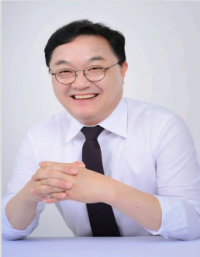
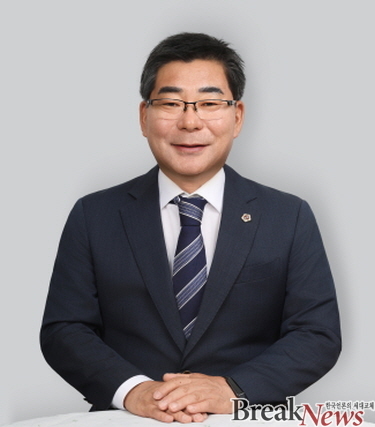
 ▲ 민병덕 의원은 “자본시장 안정과 중소벤처 생태계 회복을 위한 정책적 전환의 필요성을 강조하며, 디지털 자산을 포함한 정부의 전략적 투자와 회수 시장 정비를 통해 벤처기업이 글로벌 유니콘으로 성장할 수 있는 제도적 기반을 조성하는 데에 노력하겠다”고 밝혔다. © 김충열 정치전문기자 |
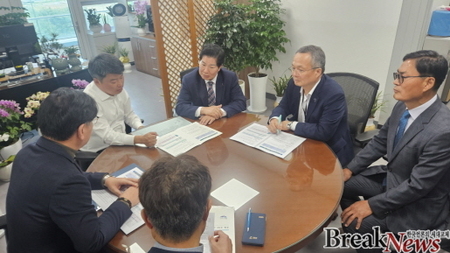
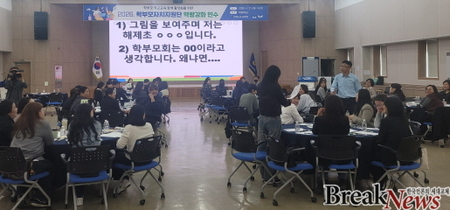
이에 더불어민주당 민병덕 의원실과 한국벤처창업학회(회장 이우진, 국민대)는 침체된 투자 심리를 전환하고 중소벤처기업의 지속적인 성장을 위한 효과적인 전략을 모색하며, 성공적인 투자 생태계 조성 방안을 논의하고자 국회의원회관에서 ‘코스닥 3000 유니콘 40 중소벤처기업 성장방안’ 세미나를 공동 개최했다.
이번 세미나는 특히 디지털 자산부터 코스닥에 이르는 다양한 투자 활성화 방안을 폭넓게 다뤘다. 급변하는 금융 환경 속에서 중소벤처기업이 새로운 투자 기회를 발굴하고, 궁극적으로 코스닥 시장을 통한 성공적인 성장을 이룰 수 있는 로드맵을 제시했다.
제1주제 발표자로 나선 전성민 가천대학교 경영학부 교수는 “지난 30년 간 로컬 중심 벤처투자 구조는 벤처의 양적 성장에는 기여해왔지만, 글로벌 시장을 선도할 초거대 스타트업의 탄생을 이끌기에는 한계가 분명하다”며, “이제는 기술력과 시장성을 갖춘 유망 스타트업이 초기부터 글로벌 스케일업을 목표로 성장할 수 있도록, 투자 전략 또한 전환되어야 한다.”고 역설했다.
전 교수는 이를 위해 “지역 분산형 투자에서 벗어나, 성장 가능성이 높은 기업에 대한 선택과 집중, 글로벌 진출을 염두에 둔 후속 투자 연계, 해외 투자자 및 LP와의 협력 기반 구축 등 확장형 투자 전략으로의 구조적 재편을 추진해 글로벌 유니콘 기업들을 배출해야 한다”고 제언했다.
원화 스테이블코인과 부동산 토큰화 등 디지털 자산을 활용 강조
제2주제 발표에 나선 강형구 한양대학교 경영학과 교수는 원화 스테이블코인과 부동산 토큰화 등 디지털 자산을 활용해 국내 벤처 생태계를 활성화하는 종합 전략을 발표했다. 이번 전략은 원화 스테이블코인의 발행 및 운용 과정에서 발생하는 수익(시뇨리지) 일부를 벤처 투자 재원으로 확보하는 것을 시작으로, 나아가 경제 전체적인 관점에서 상대적으로 비생산적인 주거용 부동산 자산을 토큰화하여 혁심 금융인 벤처 캐피탈 및 스타트업 자본조달에 투입하는 방안을 제시했다.
또한 AI, 바이오, 크리에이티브 섹터와 같은 미래 유망 산업에 디지털자산 기술을 접목하여 기업 가치를 높이고, 딜 소싱부터 엑시트에 이르는 벤처 투자 전 과정을 온체인 데이터 기반으로 혁신하고 자본조달을 원활하게 하여 생태계 전반의 투명성과 효율성을 극대화하는 청사진을 제안했다.
제3주제 발표에 나선 최영근 상명대 경영학과 교수는 “미국을 제외한 모든 국가들은 벤처캐피탈생태계를 조성하는데 정부가 단계적으로 개입하고 있는데, 우리나라의 벤처캐피탈 생태계는 정부가 직접 벤처캐피탈을 설립하여 투자하던 초기단계에서 정부는 민간 벤처캐피탈이 조성하는 벤처펀드의 주요한 출자자의 역할을 하는 하이브리드 단계에 있다.”며, “향후에는 정책과 제도의 혁신을 통한 간접개입이 필요하다”고 주장했다.
이를 위해, 정부는 투자측면에서는 미래산업 육성을 위한 투자가이드라인을 제시해야 하며, 벤처투자조합의 상장주식 취득 제안을 완화할 필요가 있다고 강조했다. 또한, 자금조달측면에서 모태펀드의 신규출자 예산 확대, 퇴직연금의 벤처펀드 출자 허용, 은행의 벤처펀드 출자 규제 완화를 주장했다. 뿐만 아니라, 회수측면에서 코스닥 시장의 지배구조를 개선하고, 코스닥 활성화 펀드를 조성하여 특히, 벤처투자 관련 파격적인 세제지원이 필요함을 제시했다.
이어진 토론에서 좌장을 맡은 광운대 이병헌 교수는 “우리나라 벤처 생태계가 글로벌 자본, 디지털 전환, 정책 혁신이라는 세 축을 중심으로 재구조화되어야 함을 시사하고 있다”며 “새 정부에서는 이 세 축이 어떻게 효과적으로 결합될 수 있을지, 더욱 심도 있는 논의가 필요하다”고 강조했다.
최민식 경희대 법무대학원 교수는 “중소벤처기업 성장을 위한 산업 육성과 이용자 보호라는 두 축을 균형 있게 반영하기 위해서는 제도적으로 뒷받침할 수 있는 법제를 마련해야 하며, 기업 규모에 따른 규제의 유연성·차등화 등을 통해 중소벤처기업에는 규제 부담을 완화하고, 혁신적 서비스에는 규제샌드박스 등을 확대해야 하며 국외 사업자에 대한 실질적 관리방안을 마련하여 국내외 사업자에 동일한 규제 원칙을 적용하고, 사업자의 자율규제를 위한 객관적이고 공정한 절차를 마련해야 한다”고 밝혔다.
500 글로벌의 신은혜 수석심사역은 “한국 벤처 생태계가 글로벌 자본과 연계되기 위해서는 해외 투자 규제 완화와 국제 기준에 부합하는 제도 개선이 필요하다.”며, “글로벌 LP 유치를 위해 언어·규약·세제 등 장벽을 제거하고, 국내 펀드의 개방성과 신뢰도를 높여야 하며, 대학기금, 연기금 등 민간 장기 자본의 참여 기반을 확대해 벤처투자 구조를 글로벌 친화형으로 전환해야 한다”고 강조했다.
빗썸의 김태윤 전무는 “글로벌 스타트업 리서치 기관인 CB Insight에 따르면, 글로벌 유니콘 기업 수는 ‘21년 959개에서 ‘24년 1,248개로 30% 정도 증가한 반면에, 한국은 ‘21년 18개에서 ‘24년 13개로 오히려 30% 정도 감소했다. 기술 기반의 스타트업이 성장하여 우리 산업 생태계에 새로운 먹거리와 일자리를 제공할 수 있도록 국가 차원의 세제, 규제 개선, 인력 양성 등 전방위적인 제도 수립이 필요하다”고 주장했다.
자본시장연구원의 김갑래 선임연구위원은 “2025년 1분기에만 미국의 국채 기반 토큰화 시장이 75% 이상 성장하는 등, 전 세계 RWA 시장이 빠른 속도로 확대되고 있다. 디지털자산 산업, 특히 RWA 분야의 성장을 촉진하려면 국내 창업 벤처기업들이 시장에 진입할 수 있도록 디지털자산 인프라 구축이 필요하다. 미국의 Composer X, 유럽의 D7 및 D-FMI처럼 디지털자산 인프라를 조성하고 이를 공익적으로 활용할 수 있는 기반 마련이 요구된다”라고 말했다.
이번 세미나를 주최한 민병덕 의원은 “자본시장 안정과 중소벤처 생태계 회복을 위한 정책적 전환의 필요성을 강조하며, 디지털 자산을 포함한 정부의 전략적 투자와 회수 시장 정비를 통해 벤처기업이 글로벌 유니콘으로 성장할 수 있는 제도적 기반을 조성하는 데에 노력하겠다”고 밝혔다. hpf21@naver.com
* 아래는 위 기사를 '구글 번역'으로 번역한 영문 기사의 [전문]입니다. '구글번역'은 이해도 높이기를 위해 노력하고 있습니다. 영문 번역에 오류가 있을 수 있음을 전제로 합니다.
*The following is [the full text] of the English article translated by 'Google Translate'. 'Google Translate' is working hard to improve understanding. It is assumed that there may be errors in the English translation.
Min Byeong-deok: “For the growth of SMEs, digital assets and KOSDAQ... investment market activation is urgently needed”
Need to shift from local venture investment to an expanded investment strategy that fosters mega startups
Recently, due to the complex economic crisis, SMEs are facing complex growth difficulties such as difficulties in raising funds, shrinking investment sentiment, and a shortage of manpower. In this situation, practical support measures are urgently needed to revitalize the domestic economy and enable innovative SMEs to grow into unicorn companies with global competitiveness.
In addition, the office of Min Byeong-deok, a member of the Democratic Party, and the Korean Venture Startup Society (Chairman Lee Woo-jin, Kookmin University) co-hosted a seminar titled “Growth Plans for KOSDAQ 3,000 Unicorns and 40 SMEs” at the National Assembly Members’ Hall to discuss ways to change the stagnant investment sentiment, find effective strategies for the sustainable growth of SMEs, and create a successful investment ecosystem.
This seminar broadly covered various investment activation measures ranging from digital assets to KOSDAQ. In the rapidly changing financial environment, a roadmap was presented for small and medium-sized venture companies to discover new investment opportunities and ultimately achieve successful growth through the KOSDAQ market.
Professor Jeon Seong-min of the Department of Business Administration at Gachon University, who presented the first topic, said, “The local-centered venture investment structure over the past 30 years has contributed to the quantitative growth of ventures, but it is clearly limited in leading the birth of giant startups that will lead the global market.” He emphasized, “Investment strategies should also change so that promising startups with technological prowess and marketability can grow from the beginning with the goal of global scale-up.”
To this end, Professor Jeon suggested, “We should move away from regionally distributed investment and pursue a structural reorganization into an expansion-oriented investment strategy that includes selection and concentration on companies with high growth potential, linking follow-up investments with global expansion in mind, and establishing a foundation for cooperation with overseas investors and LPs, thereby producing global unicorn companies.”
Professor Kang Hyung-gu emphasizes the use of digital assets such as KRW stablecoins and real estate tokenization
Hanyang University Business School Professor Kang Hyung-gu, who presented the second topic, announced a comprehensive strategy to vitalize the domestic venture ecosystem by utilizing digital assets such as KRW stablecoins and real estate tokenization. This strategy begins with securing a portion of the profits (seigniorage) generated in the process of issuing and operating KRW stablecoins as a venture investment resource, and further suggests a plan to tokenize relatively unproductive residential real estate assets from an overall economic perspective and invest them in innovative finance such as venture capital and startup capital procurement.
He also proposed a blueprint to maximize transparency and efficiency across the ecosystem by applying digital asset technology to promising future industries such as AI, bio, and creative sectors to increase corporate value, and to innovate the entire venture investment process from deal sourcing to exit based on on-chain data and facilitate capital procurement.
Professor Choi Young-geun of Sangmyung University’s Department of Business Administration, who gave the third presentation, said, “Except for the United States, all countries are gradually intervening in the creation of a venture capital ecosystem. However, Korea’s venture capital ecosystem is in the hybrid stage, where the government is playing a major role as an investor in venture funds created by private venture capitalists, rather than in the initial stage where the government directly established venture capitalists and invested in them.” He argued, “Indirect intervention through policy and institutional innovation is necessary in the future.”
To this end, the government should present investment guidelines for fostering future industries in terms of investment, and he emphasized the need to ease proposals for venture investment associations to acquire listed stocks. In addition, he argued for expanding the new investment budget of mother funds, allowing retirement pensions to invest in venture funds, and easing regulations on banks’ investment in venture funds in terms of fund raising. In addition, he suggested that the governance structure of the KOSDAQ market should be improved in terms of recovery, and a KOSDAQ activation fund should be created, and in particular, exceptional tax support related to venture investment should be provided.
In the discussion that followed, Professor Lee Byung-hun of Kwangwoon University, who chaired the discussion, emphasized, “This suggests that our country’s venture ecosystem should be restructured around the three axes of global capital, digital transformation, and policy innovation,” and “The new government needs to have more in-depth discussions on how these three axes can be effectively combined.”
Professor Choi Min-sik of Kyunghee University Law School stated, “In order to reflect the two axes of industrial development and user protection for the growth of SMEs in a balanced manner, we need to establish a legal system that can support it institutionally. We need to ease the regulatory burden on SMEs through flexibility and differentiation of regulations according to company size, expand regulatory sandboxes for innovative services, and prepare practical management measures for foreign businesses so that the same regulatory principles can be applied to domestic and foreign businesses, and establish objective and fair procedures for self-regulation by businesses.”
Shin Eun-hye, a senior judge at 500 Global, emphasized, “In order for the Korean venture ecosystem to connect with global capital, it is necessary to ease overseas investment regulations and improve the system to meet international standards.” She added, “In order to attract global LPs, we need to remove barriers such as language, regulations, and taxation, increase the openness and reliability of domestic funds, and expand the participation base of private long-term capital such as university funds and pension funds to transform the venture investment structure into a global-friendly one.”
Kim Tae-yoon, an executive director at Bithumb, argued, “According to CB Insight, a global startup research institute, the number of global unicorn companies increased by about 30% from 959 in 2021 to 1,248 in 2024, while in Korea, it actually decreased by about 30% from 18 in 2021 to 13 in 2024. We need to establish a comprehensive system at the national level, including taxation, regulatory improvement, and human resource development, so that technology-based startups can grow and provide new food and jobs to our industrial ecosystem.”
Kim Gap-rae, a senior researcher at the Capital Market Research Institute, said, “The global RWA market is expanding at a rapid pace, with the US Treasury-based tokenization market growing by more than 75% in the first quarter of 2025 alone. In order to promote the growth of the digital asset industry, especially the RWA sector, it is necessary to build a digital asset infrastructure so that domestic startup venture companies can enter the market. Like Composer X in the US and D7 and D-FMI in Europe, it is necessary to establish a foundation for creating a digital asset infrastructure and utilizing it for public good.”
Rep. Min Byeong-deok, who hosted this seminar, said, “I emphasize the need for a policy shift to stabilize the capital market and restore the small and medium-sized venture ecosystem, and I will work to create an institutional foundation for venture companies to grow into global unicorns through the government’s strategic investment including digital assets and the reorganization of the recovery market.” hpf21@naver.com