2025년 여름, 이스라엘이 감행한 이란 공격과 미국의 이란 핵시설 정밀 타격은 단순한 지역 분쟁을 넘어, 세계 핵질서의 균형을 뒤흔든 사건이었다. 미국이 이례적으로 직접 군사행동에 나선 것은 비공식 핵보유국 이스라엘과 비확산 원칙을 앞세우던 미국이 핵 확산 저지를 명분으로 연합 행동에 나선 첫 사례다. 전쟁은 끝나지 않았지만, 핵을 갖기 전에 맞는다는 메시지는 분명하다. 이란은 핵을 보유하지 못했기에 공격받았다. 반대로 북한은 이미 핵을 가졌기에 누구도 건드리지 못하고 있다.
이스라엘은 공식적으로 핵보유국이 아니지만, 그 누구도 이 사실을 의심하지 않는다. 수십 년간 전략적 모호성(Strategic Ambiguity)으로 핵 억지력을 유지해온 이스라엘은 이번에도 모호하게, 그러나 강하게 움직였다. 미국은 기존의 NPT 체제와 비확산 원칙을 뒤로하고, 실질적인 안보 이익을 위해 선제공격을 선택했다. 이란은 조약을 지키고도 공격받았고, 북한은 조약을 위반하고도 협상 테이블 위에 앉는다. 이것이 현실이다.]
 ▲ 김정은 북한 국무위원장이 지난 2024년 1월 28일(현지시각) 신형 잠수함발사전략순항미사일(SLCM) '불화살-3-31형' 시험발사를 지도했다고 29일 북한 조선중앙TV가 보도했다. (사진=조선중앙TV 캡처) 2024.01.29. ©브레이크뉴스 |
○핵을 버린 대가: 우크라이나의 교훈
더 참담한 교훈은 우크라이나 사례에서 확인된다. 1994년 부다페스트 각서에서 우크라이나는 구소련 시절 물려받은 1,900여 기의 핵탄두를 포기하고, 세계 3위 핵보유국에서 순식간에 비 핵 국가가 됐다. 대신 미국·영국·러시아는 영토 보전과 주권을 보장한다고 약속했다. 그러나 2014년 러시아의 크림반도 강제병합, 그리고 2022년 2월의 전면 침공 앞에서 이 약속은 휴지조각이 되었다. 핵을 보유한 러시아는 미국의 군사개입을 억제했고, 핵이 없었던 우크라이나는 무력하게 외면당했다. 미국은 단 한 명의 병사도 우크라이나를 위해 보내지 않았다. 어떤 조약도, 어떤 동맹도, 핵무기의 억지력을 대체할 수 없다는 사실이 만천하에 드러났다.
○북핵(北韓 核) 실전 배치 시대, 한국은 어디에 서 있는가?
한반도는 지금 위험한 실험대 위에 올라 있다. 북한은 최소 100기 이상의 핵무기를 보유한 사실상 핵보유국이다. 여섯 차례의 핵실험과 수차례의 ICBM 발사로 실전 능력을 입증했고, 이제는 억지력이 아니라 정치·외교적 협박 수단으로 핵을 활용하고 있다. 반면 한국은 비핵국가로서 미국의 핵우산에만 의존하고 있다. 하지만 그 우산은 점점 구멍 난 종이우산처럼 보인다. 북한이 서울뿐 아니라 괌, 하와이, 워싱턴까지 위협할 수 있는 상황에서, 미국이 서울을 지키기 위해 샌프란시스코를 희생할 수 있을까?
프랑스의 드골 대통령은 이를 간파하고 미국은 뉴욕을 희생해서 파리를 지키지 않는다며 독자 핵무장을 단행했다. 그 결과 프랑스는 지금도 전략적 자율성과 핵억지력을 동시에 보유하고 있다. 반면 한국은 여전히 미국이 대신 싸워줄 것이라는 막연한 믿음에 기대고 있다.
○핵정치의 시대, 한국이 선택할 수 있는 3가지 길
이제 한국은 안보전략의 근본을 다시 짜야 한다. 선택지는 세 가지다.
첫째, 핵우산에 모든 것을 건다—현상 유지 전략.
미국의 전략자산 순환배치를 확대하고, 확장억제협의체를 강화하는 방식이다. 그러나 북한이 실전 배치능력을 더욱 고도화할수록 이 전략은 무력해진다. 2022년 윤석열 정부가 추진한 한미 확장억제 전략협의체(EDSCG)는 일정한 성과를 거두었지만, 국민 여론 역시 미국이 과연 우리를 위해 핵을 써줄까?라는 회의로 빠르게 기울고 있다.
둘째, 나토식 핵공유 제도를 도입한다—억지력의 실질화.
미국 전술 핵 국가인 네델란드, 이탈리아, 터키 등은 나토 핵 공유 프로그램에 따라 자국 전투기에 미 핵무기를 장착할 수 있도록 공동 운용하고 있다. 이는 핵우산의 실효성을 보완하는 현실적 대안이지만, 중국과 북한의 강한 반발을 부를 수 있고, 동북아 핵 군비경쟁을 촉발할 가능성이 높다.
셋째, 자체 핵무장 또는 핵무장 능력을 확보한다—전략적 자율성 확보.
한국은 이미 세계적 수준의 핵연료 생산 기술, 고성능 미사일 기술, 핵물질 확보 능력을 보유하고 있다. 일본, 독일, 폴란드, 터키 등도 유사한 고민을 하고 있으며, NPT 체제의 이중잣대에 대한 회의가 쌓이고 있다. 물론 독자 핵무장은 외교적 고립과 경제 제재라는 큰 대가를 수반하지만, 우크라이나 사례 이후 그 비용보다 생존이 더 절박한 가치가 되었음은 부인할 수 없다.
○결단의 시점: 전쟁도, 협상도, 믿음도 더는 통하지 않는다!
이제 한국은 다음과 같은 전략적 전환을 진지하게 검토해야 한다. 우선, 핵우산의 실효성을 검증한다. 미국의 핵우산이 실제로 작동 가능한지, 위기 시 미국이 한국을 위해 핵무기를 사용할 의사가 있는지를 명확히 검증해야 한다. 다음으로, 미국과의 핵공동계획 체결을 추진한다. 단순한 보호국-피보호국 관계를 넘어, 핵전력의 운용 계획 수립과 실행 결정에 한국이 공동 결정권을 가져야 한다. 마지막으로, 국내 여론을 전략적으로 정비한다. 정치권은 핵개발이 아니라 생존을 위한 자위적 억지력 확보라는 현실적 언어로 국민을 설득해야 한다. 핵 없는 평화를 기도하는 시대는 끝났다. 핵 있는 현실을 직시해야 한다.
○한국은 미국의 보호국인가, 전략 파트너인가?
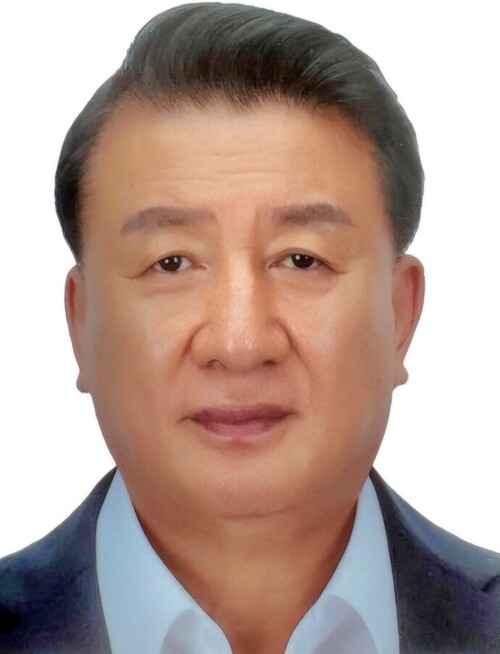
 ▲ 필자/김정기 <대한민국과 세계 이야기>의 저자. ©브레이크뉴스 |
이스라엘은 미국을 움직였다. 우크라이나는 미국을 믿다 버림받았다. 한국은 지금 그 사이 어딘가에 서 있다. 1948년 이스라엘 건국은 제2차 세계대전에서 정보전을 통해 승리를 이끈 유대인에 대한 서방의 역사적 보상이었다. 이후 유대인은 미국의 정치, 경제, 금융, IT, 과학, 군사, 언론 등 전 분야에서 막강한 영향력을 행사하며, 미국과 이스라엘 관계는 단순한 동맹을 넘어 전략적 혈연 관계로 자리 잡았다. 미국은 이스라엘을 위해 전쟁을 감행할 수 있다. 그러나 한국을 위해서도 같은 결단을 내릴 수 있을까?
○결론: 북한은 실전 배치했고, 우리는 아직도 회의 중이다!
북한은 이미 핵을 실전 배치하고 있다. 한국은 여전히 비핵 평화라는 이상주의적 언어 속에서 토론만 되풀이하고 있다. 그러나 핵이 있는 현실은 말이 아니라 억지로만 대응할 수 있다. 생존은 누구도 대신해주지 않는다. 더 늦기 전에, 한국은 결단해야 한다. jeongkeekim@naver.com
*필자/김정기
● 학력
- 뉴욕주립대학교(Stony Brook) 정치학과 수석 졸업
- 마케트대학교(Marquette) 로스쿨 법학박사
- 하버드대학교(Harvard) 케네디스쿨 최고위 과정
- 베이징대학교(Peking) 북한학 연구학자
● 경력
- 세계스마트시티기구(WeGO) 사무총장 (현)
- 유엔 국제전기통신연합 (UN ITU) 가상세계 및 AI 글로벌 이니셔티브 집행위원(현)
- 아시아태평양지방정부네트워크(CityNet) 대표
- 제8대 주상하이 대한민국 총영사(13등급 대사)
- 2010 상하이엑스포 대한민국관 정부대표
- 제17대 대선 한나라당 이명박 대통령 후보 국제위원장
- 제20대 대선 국민의힘 윤석열 대통령 후보 정치개혁 공약 총괄
- 제21대 대선 국민의힘 김문수 대통령 후보 외교고문
- 자유한국당 오세훈 당대표 후보 SH전략회의 총괄 및 조직본부 총괄본부장
- 자유한국당 서울시장 예비후보
- 법무법인 대륙아주 중국 총괄 미국변호사
- 난징대학교 국제경제연구소 객좌교수
- 동국대학교 경영전문대학원 석좌교수
- 숭실사이버대학교 총장
● 저서
1. 대학생을 위한 거로영어연구[전 10권](거로출판사)
2. 나는 1%의 가능성에 도전한다(조선일보사)
3.<한국형 협상의 법칙> 저자.
4.<대한민국과 세계 이야기>의 저자.
*아래는 위 기사를 '구글 번역'으로 번역한 영문 기사의 [전문]입니다. '구글번역'은 이해도 높이기를 위해 노력하고 있습니다. 영문 번역에 오류가 있을 수 있음을 전제로 합니다.<*The following is [the full text] of the English article translated by 'Google Translate'. 'Google Translate' is working hard to improve understanding. It is assumed that there may be errors in the English translation.>
The Return of Nuclear Power - The Israel-Iran War, the Korean Peninsula Becomes a Testing Ground for Nuclear-Weapon State North Korea
-Columnist Kim Jeong-gi
In the summer of 2025, Israel's attack on Iran and the US's precision strike on Iran's nuclear facilities were not just regional conflicts, but events that shook the balance of the global nuclear order. The US's unprecedented direct military action was the first time that Israel, an unofficial nuclear state, and the US, which had been advocating nonproliferation principles, took joint action under the pretext of preventing nuclear proliferation. The war is not over, but the message that it was hit before it had nuclear weapons is clear. Iran was attacked because it did not have nuclear weapons. On the other hand, North Korea already has nuclear weapons, so no one can touch it.
Israel is not officially a nuclear state, but no one doubts this fact. Having maintained its nuclear deterrence through strategic ambiguity for decades, Israel has moved ambiguously but strongly this time as well. The United States has chosen a preemptive strike for its own practical security interests, leaving behind the existing NPT regime and non-proliferation principles. Iran was attacked even though it was in compliance with the treaty, and North Korea is sitting at the negotiating table despite violating the treaty. This is the reality.
○ The price of abandoning nuclear weapons: Lessons from Ukraine
An even more dismal lesson is confirmed by the case of Ukraine. In the 1994 Budapest Memorandum, Ukraine gave up the 1,900 nuclear warheads inherited from the former Soviet Union, and in an instant, it went from being the world’s third-largest nuclear power to a non-nuclear state. In return, the United States, the United Kingdom, and Russia promised to guarantee territorial integrity and sovereignty. However, this promise became a scrap of paper in the face of Russia’s forced annexation of Crimea in 2014 and its full-scale invasion in February 2022. Russia, which possessed nuclear weapons, suppressed US military intervention, and Ukraine, which did not have nuclear weapons, was helplessly turned away. The United States did not send a single soldier to Ukraine. It has been revealed to the world that no treaty or alliance can replace the deterrence of nuclear weapons.
○ Where does South Korea stand in the era of North Korea’s nuclear weapons deployment?
The Korean Peninsula is now on a dangerous testing ground. North Korea is a de facto nuclear state with at least 100 nuclear weapons. It has proven its combat capability through six nuclear tests and several ICBM launches, and now uses nuclear weapons not as a deterrent but as a means of political and diplomatic intimidation. On the other hand, South Korea, as a non-nuclear state, relies solely on the US nuclear umbrella. However, that umbrella is increasingly looking like a paper umbrella with holes. In a situation where North Korea can threaten not only Seoul but also Guam, Hawaii, and Washington, will the US be able to sacrifice San Francisco to protect Seoul?
French President de Gaulle saw through this and decided to arm himself with nuclear weapons, saying that the US would not sacrifice New York to protect Paris. As a result, France still possesses both strategic autonomy and nuclear deterrence. On the other hand, South Korea still relies on the vague belief that the United States will fight for us.
○ Three paths South Korea can choose in the era of nuclear politics
South Korea must now reorganize its security strategy. There are three options.
First, bet everything on the nuclear umbrella—a status quo strategy.
This is a method of expanding the rotational deployment of US strategic assets and strengthening the Extended Deterrence Consultative Group. However, this strategy becomes ineffective as North Korea further advances its actual deployment capabilities. The South Korea-US Extended Deterrence Strategy Consultative Group (EDSCG) promoted by the Yoon Seok-yeol government in 2022 has achieved certain results, but public opinion is also quickly turning to skepticism about whether the United States will actually use nuclear weapons for us.
Second, introduce a NATO-style nuclear sharing system—realizing deterrence.
The Netherlands, Italy, and Turkey, which are US tactical nuclear states, are jointly operating US nuclear weapons on their fighters under the NATO nuclear sharing program. This is a realistic alternative that complements the effectiveness of the nuclear umbrella, but it could provoke strong opposition from China and North Korea and is highly likely to trigger a nuclear arms race in Northeast Asia.
Third, secure its own nuclear armament or nuclear armament capability—securing strategic autonomy.
Korea already possesses world-class nuclear fuel production technology, high-performance missile technology, and nuclear material acquisition capabilities. Japan, Germany, Poland, Turkey, etc. are also having similar concerns, and skepticism about the double standards of the NPT regime is growing. Of course, independent nuclear armament entails a great price in the form of diplomatic isolation and economic sanctions, but it cannot be denied that survival has become a more urgent value than the cost after the Ukraine incident.
○ Decision Point: War, Negotiation, and Trust No Longer Work!
Now, Korea must seriously consider the following strategic shift. First, verify the effectiveness of the nuclear umbrella. It must clearly verify whether the US nuclear umbrella is actually operational and whether the US is willing to use nuclear weapons on Korea in the event of a crisis. Next, we will pursue the conclusion of a joint nuclear plan with the United States. Beyond a simple protector-defendant relationship, Korea should have joint decision-making authority in establishing and executing nuclear power operation plans. Lastly, we should strategically organize domestic public opinion. The political world should persuade the people with realistic language that we should secure self-defense deterrence for survival, not nuclear development. The era of praying for peace without nuclear weapons is over. We should face the reality of nuclear weapons.
○Is Korea a protectorate of the United States or a strategic partner?
Israel moved the United States. Ukraine trusted the United States and was abandoned. Korea is now standing somewhere in between. The establishment of Israel in 1948 was the West’s historical compensation for the Jews who led the victory through information warfare in World War II. Since then, Jews have exerted enormous influence in all areas of the United States, including politics, economy, finance, IT, science, military, and media, and the relationship between the United States and Israel has become a strategic blood relationship that goes beyond a simple alliance. The United States can wage war for Israel. But can it make the same decision for Korea?
○Conclusion: North Korea has deployed nuclear weapons, and we are still in discussions!
North Korea has already deployed nuclear weapons. South Korea is still repeating discussions in the idealistic language of denuclearization and peace. However, the reality of nuclear weapons can only be dealt with by force, not words. No one can do survival for you. Before it is too late, South Korea must make a decision. jeongkeekim@naver.com
*Author/Kim Jeong-gi
● Education
- Graduated from Stony Brook University, Department of Political Science with honors
- Doctor of Law, Marquette University School of Law
- Harvard Kennedy School, Senior Program
- Peking University, North Korean Studies Research Scholar
● Career
- Secretary General of the World Smart Cities Organization (WeGO) (current)
- Executive Committee Member of the Virtual World and AI Global Initiative of the United Nations International Telecommunication Union (UN ITU) (current)
- Representative of the Asia-Pacific Local Government Network (CityNet)
- 8th Consul General of the Republic of Korea in Shanghai (13th Ambassador)
- Government Representative of the Republic of Korea Pavilion at the 2010 Shanghai Expo
- Chairman of the International Affairs Committee of the 17th Presidential Election, Grand National Party, Lee Myung-bak
- General Manager of the 20th Presidential Election, People Power Party, Yoon Seok-yeol
- Foreign Affairs Advisor of the 21st Presidential Election, People Power Party, Kim Moon-soo
- Liberty Korea Party Oh Se-hoon, candidate for party leader, SH Strategy Conference, General Manager and Organization Headquarters General Manager
- Liberty Korea Party Seoul Mayor Candidate
- Law Firm Continental Aju, General Manager of China, American Lawyer
- Visiting Professor, Nanjing University International Economic Research Institute
- Dongguk University Graduate School of Business, Distinguished Professor
- President, Soongsil Cyber University
● Books
1. Georo English Studies for College Students [10 Volumes] (Georo Publishing)
2. I Challenge the 1% Possibility (Chosun Ilbo)
3. Author of <The Laws of Korean Negotiation>.
4. Author of <The Story of the Republic of Korea and the World>.