2025년, 한국전쟁 발발 75주년을 맞은 오늘(6월 25일). 우리는 다시 한 번, 전쟁과 평화의 갈림길에 선 듯한 긴장 속에 있다. 그리고 꼭 30년 전, 한반도 운명을 가른 결정을 내렸던 한 지도자의 판단이 다시 주목받고 있다. 1994년 북핵 위기 당시, 미국은 북한 영변의 플루토늄 재처리 시설을 정밀 타격하는 군사작전을 구상했다. 작전명까지 부여된 이 계획은 한미 양국 군 병력 수십만 명이 동원될 전면전으로 비화할 위험을 안고 있었다. 그러나 전쟁은 일어나지 않았다. 대한민국 대통령 김영삼이 영변 폭격에 강하게 반대한 덕분이다. 그리고 30년이 지난 지금, 우리는 그 결정을 다시 묻는다. 그는 역사의 기회를 놓친 지도자였는가, 아니면 전쟁을 막은 대통령이었는가.
 ▲ 김영삼 전 대통령. |
○ 군사적 창문의 순간, 그러나 감당할 수 없는 대가
클린턴 행정부가 검토한 폭격은, 분석상 플루토늄만을 추출하는 영변 핵시설을 방사능 유출 없이 제거할 수 있다는 정밀 타격이었다. 당시 미국은 냉전 종식 이후 유일 초강대국으로 군림했고, 중국은 톈안먼 사태 이후 국제사회에서 고립돼 있었으며, 러시아는 구소련 붕괴의 혼란에 빠져 있었다. 즉 한반도의 지정학 환경으로는 좀처럼 쉽지 않은 미국의 단독 군사행동이 가능한 시기였던 것이다. 하지만 군사 타격은 성공 여부 그 자체보다, 그 후폭풍이 더 문제였다. 북한은 이미 수도권 인근에 1만 문이 넘는 장사정포를 배치한 상태였고, 전면전 발발 시 서울은 수일 내 초토화될 수 있었다. 미 국방부의 시뮬레이션에 따르면, 민간인 사망 100만 명, 난민 800만 명 이상이 발생할 가능성이 제기됐다. 미국은 작전을 개시한 뒤 떠날 수 있었지만, 그 대가는 한국이 오롯이 치러야 했다.
○ 성난 호랑이 김영삼과 애송이 대통령 클린턴
 ▲ 클린턴 미 전 대통령. ©뉴시스 |
당시 김영삼 대통령은 문민정부의 초대 대통령이자, 국내외에 민주주의의 상징으로 부상한 지도자였다. 클린턴 대통령은 첫 임기의 정치적 신인이었다. 김영삼은 미국의 전략적 계산에 대한민국의 운명을 맡기지 않겠다는 입장을 분명히 했고, 외교안보 참모들은 그를 성난 호랑이라 불렀다. 클린턴 대통령조차 훗날 YS가 그렇게 강하게 나올 줄은 몰랐다고 회고할 정도였다.
김영삼의 반대는 미국의 군사 옵션을 철회시키는 결정적 계기가 되었다. 전쟁이 멈췄고, 같은 해 말 카터 전 대통령의 방북이 성사됐다. 그 결과 제네바 합의가 도출되며, 북한의 플루토늄 생산은 최소 10년 이상 지연됐다. 이후의 역사가 그 약속을 지키지 못했다 해도, 그의 결단은 명백히 시간과 기회를 벌어준 것이었다.
○ 북핵의 뿌리 – 김일성의 핵 신앙
북한 핵개발은 단순한 외교 실패가 아니다. 그것은 북한 체제의 생존 전략이었다. 김일성은 히로시마와 나가사키, 한국전 당시 미국의 핵 위협을 목격한 뒤 핵무기를 생존의 보증으로 믿게 되었다. 1950년대부터 소련에 과학자를 파견해 핵 기술을 전수받았고, 1965년 영변에 연구용 원자로를 세운 뒤, 1980년대에 접어들며 본격적인 핵개발에 착수했다. 1989년, 프랑스 위성이 영변 시설을 포착하면서 국제사회는 북핵의 실체와 마주했다. 1991년 한반도 비핵화 공동선언과 미군 전술핵 철수는 한때 낙관을 불렀지만, 1993년 IAEA 사찰 거부로 제1차 북핵 위기가 발발했다. 이 위기를 막은 것이 바로 김영삼의 결단이었다.
○ 반복되는 위기, 실패한 비핵화
그러나 이후 북핵은 계속 진화했다. 2002년 제2차 북핵 위기, 2006년 1차 핵실험, 이후 6차례의 핵실험을 거쳐, 북한은 사실상의 핵보유국이 되었다. 탄두의 소형화, ICBM 개발, SLBM 실전화까지 이룬 북한은 미국 본토를 타격권에 두고 있다. 싱가포르(2018)와 하노이(2019) 정상회담은 순간의 긴장을 완화했을 뿐, 비핵화의 본질적 진전은 없었다. 북한은 단계적 비핵화라는 전략으로 시간을 벌고, 제재 완화와 대북투자를 유도하며, 체제 유지를 꾀하고 있다. 그러나 북한 수령 체제의 본질은 개방과 충돌하고, 외부 자본의 지속적 투입도 기대하기 어렵다.
○ 전쟁도, 평화도 멀다… 그럼 한국은?
오늘날 북핵을 군사적으로 제거하는 시나리오는 현실적이지 않다. 북한 전역에는 1만 개 이상의 지하시설이 있고, 동시다발적 타격은 사실상 불가능하다. 전면전이 발발하면 방사능 유출, 중국과 러시아의 반발, 북한의 미 본토 핵 공격까지 고려해야 한다. 다시 말해, 군사옵션은 이제 불가능한 카드다.
그렇다고 협상이 해답이 되지도 않는다. 북한은 결코 CVID를 수용하지 않을 것이다. 거짓 비핵화와 교환 조건을 반복하며, 결국 한국 안보와 주한미군까지 협상의 대상에 올릴 가능성이 있다. 전쟁도 어렵고, 평화도 멀다.
○ 전략의 나침반, 다시 김영삼으로
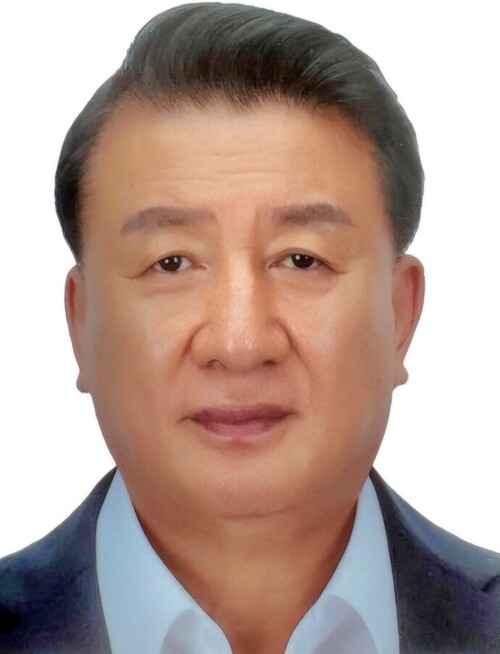
 ▲ 필자/김정기 <대한민국과 세계 이야기>의 저자. ©브레이크뉴스 |
그렇다면 우리는 무엇을 해야 하는가. 김영삼 대통령이 보여준 결단은 감정이 아닌 전략의 결과였다. 단기 승리가 아닌, 장기 생존을 택한 선택이었다. 냉철한 현실 인식, 초당적 안보전략, 북핵의 본질에 대한 구조적 접근, 실용적 외교와 군사력의 병행. 이것이 우리가 지금 되새겨야 할 전략의 나침반이다.
1994년, 그는 전쟁을 막았다. 그리고 북한 핵개발을 지연시켰다. 그것은 한 사람의 신념이 아니라, 한 국가의 운명을 바꾼 선택이었다. 한반도에 봄이 오지 않는다면, 그것은 북한 때문만이 아니다. 우리가 길을 잃었기 때문일 수도 있다. 지금 필요한 것은 감정의 정치가 아니라, 평화를 향한 용기다. 그것이 김영삼이 남긴 진짜 유산이다. jeongkeekim@naver.com
*필자/김정기
● 학력
- 뉴욕주립대학교(Stony Brook) 정치학과 수석 졸업
- 마케트대학교(Marquette) 로스쿨 법학박사
- 하버드대학교(Harvard) 케네디스쿨 최고위 과정
- 베이징대학교(Peking) 북한학 연구학자
● 경력
- 세계스마트시티기구(WeGO) 사무총장 (현)
- 유엔 국제전기통신연합 (UN ITU) 가상세계 및 AI 글로벌 이니셔티브 집행위원(현)
- 아시아태평양지방정부네트워크(CityNet) 대표
- 제8대 주상하이 대한민국 총영사(13등급 대사)
- 2010 상하이엑스포 대한민국관 정부대표
- 제17대 대선 한나라당 이명박 대통령 후보 국제위원장
- 제20대 대선 국민의힘 윤석열 대통령 후보 정치개혁 공약 총괄
- 제21대 대선 국민의힘 김문수 대통령 후보 외교고문
- 자유한국당 오세훈 당대표 후보 SH전략회의 총괄 및 조직본부 총괄본부장
- 자유한국당 서울시장 예비후보
- 법무법인 대륙아주 중국 총괄 미국변호사
- 난징대학교 국제경제연구소 객좌교수
- 동국대학교 경영전문대학원 석좌교수
- 숭실사이버대학교 총장
● 저서
1. 대학생을 위한 거로영어연구[전 10권](거로출판사)
2. 나는 1%의 가능성에 도전한다(조선일보사)
3.<한국형 협상의 법칙> 저자.
4.<대한민국과 세계 이야기>의 저자.
*아래는 위 기사를 '구글 번역'으로 번역한 영문 기사의 [전문]입니다. '구글번역'은 이해도 높이기를 위해 노력하고 있습니다. 영문 번역에 오류가 있을 수 있음을 전제로 합니다.<*The following is [the full text] of the English article translated by 'Google Translate'. 'Google Translate' is working hard to improve understanding. It is assumed that there may be errors in the English translation.>
Beyond the temptation of war, a great decision to choose peace... “Kim Young-sam’s choice and the lessons of 30 years of North Korea’s nuclear program” - Columnist Kim Jeong-gi
Today (June 25th), the 75th anniversary of the outbreak of the Korean War in 2025, we are once again in a state of tension, as if we are at a crossroads between war and peace. And the judgment of a leader who made a decision that determined the fate of the Korean Peninsula exactly 30 years ago is once again receiving attention. During the North Korean nuclear crisis in 1994, the United States planned a military operation to precisely strike the plutonium reprocessing facility in Yongbyon, North Korea. This plan, which even had an operation name, carried the risk of escalating into an all-out war that would mobilize hundreds of thousands of troops from both South Korea and the United States. However, war did not break out. This was thanks to South Korean President Kim Young-sam’s strong opposition to the bombing of Yongbyon. And now, 30 years later, we are asking about that decision again. Was he a leader who missed a historical opportunity, or a president who prevented war?
○ Moment of Military Window, but Unbearable Cost
The bombing considered by the Clinton administration was a precision strike that could eliminate the Yongbyon nuclear facility, which extracts only plutonium, without any radioactive leaks. At the time, the United States was the sole superpower after the end of the Cold War, China was isolated from the international community after the Tiananmen Incident, and Russia was in the midst of the chaos of the collapse of the former Soviet Union. In other words, it was a time when the geopolitical environment of the Korean Peninsula made it possible for the United States to take independent military action, which was not easy. However, the aftermath of the military strike was more problematic than whether it would succeed or not. North Korea had already deployed over 10,000 long-range artillery pieces near the capital area, and Seoul could be reduced to ashes within days if an all-out war broke out. According to simulations by the U.S. Department of Defense, there was a possibility that there would be 1 million civilian deaths and over 8 million refugees. The United States could have left after the operation began, but South Korea would have to pay the price.
○ Angry Tiger Kim Young-sam and President Clinton
At that time, President Kim Young-sam was the first president of the civilian government and a leader who emerged as a symbol of democracy at home and abroad. President Clinton was a political newcomer in his first term. Kim Young-sam made it clear that he would not leave the fate of the Republic of Korea to the strategic calculations of the United States, and his diplomatic and security advisors called him an angry tiger. Even President Clinton later recalled that he had not expected YS to come out so strongly.
Kim Young-sam’s opposition was a decisive factor in the withdrawal of the United States’ military option. The war stopped, and former President Carter’s visit to North Korea was realized later that year. As a result, the Geneva Agreement was reached, and North Korea’s plutonium production was delayed by at least 10 years. Even if subsequent history has shown that he failed to keep his promise, his determination clearly bought time and opportunity.
○ The Roots of North Korea’s Nuclear Weapons – Kim Il-sung’s Nuclear Belief
North Korea’s nuclear development is not simply a diplomatic failure. It was a survival strategy for the North Korean regime. Kim Il-sung came to believe that nuclear weapons were a guarantee of survival after witnessing the nuclear threats from the United States during Hiroshima, Nagasaki, and the Korean War. He dispatched scientists to the Soviet Union to learn nuclear technology starting in the 1950s, built a research reactor in Yongbyon in 1965, and began full-scale nuclear development in the 1980s. In 1989, the international community was confronted with the reality of North Korea’s nuclear program when a French satellite captured the Yongbyon facility. The 1991 Joint Declaration on Denuclearization of the Korean Peninsula and the withdrawal of US tactical nuclear weapons once brought optimism, but the first North Korean nuclear crisis broke out in 1993 due to the refusal of the IAEA to inspect. It was Kim Young-sam’s determination that prevented this crisis.
○ Repeated Crises, Failed Denuclearization
However, North Korea’s nuclear program continued to evolve after that. After the second North Korean nuclear crisis in 2002, the first nuclear test in 2006, and six subsequent nuclear tests, North Korea has become a de facto nuclear state. Having miniaturized warheads, developed ICBMs, and even deployed SLBMs, North Korea has placed the U.S. mainland within striking distance. The Singapore (2018) and Hanoi (2019) summits only eased tensions momentarily, but there was no substantial progress in denuclearization. North Korea is trying to buy time with a strategy of step-by-step denuclearization, induce sanctions relief and investment in North Korea, and maintain its regime. However, the nature of the dictatorial leadership system conflicts with openness, and it is difficult to expect continued investment of external capital.
○ Neither war nor peace are far away… So what about South Korea?
Today, the scenario of militarily eliminating North Korea’s nuclear weapons is not realistic. There are more than 10,000 underground facilities throughout North Korea, and simultaneous strikes are virtually impossible. If an all-out war breaks out, we will have to consider radioactive leaks, opposition from China and Russia, and even a nuclear attack on the US mainland by North Korea. In other words, the military option is now an impossible card.
However, negotiations are not the answer. North Korea will never accept CVID. It is possible that it will repeat false denuclearization and exchange conditions, and eventually even South Korea’s security and US forces in Korea will become the subject of negotiations. War is difficult, and peace is far away.
○ Compass of Strategy, Back to Kim Young-sam
So what should we do? The determination that President Kim Young-sam showed was the result of strategy, not emotion. It was a choice that chose long-term survival, not short-term victory. A cool-headed perception of reality, a bipartisan security strategy, a structural approach to the nature of North Korea’s nuclear weapons, and a parallel use of practical diplomacy and military force. This is the compass of strategy that we must now reflect on. In 1994, he prevented war. And he delayed North Korea’s nuclear development. It was not the belief of one person, but a choice that changed the fate of a nation. If spring does not come to the Korean Peninsula, it is not only because of North Korea. It may be because we have lost our way. What we need now is not the politics of emotion, but the courage to pursue peace. That is the real legacy of Kim Young-sam. jeongkeekim@naver.com
*Author/Kim Jeong-gi
● Education
- Graduated from Stony Brook University, Department of Political Science with honors
- Doctor of Law, Marquette University School of Law
- Harvard Kennedy School, Senior Program
- Peking University, North Korean Studies Research Scholar
● Career
- Secretary General of the World Smart Cities Organization (WeGO) (current)
- Executive Committee Member of the Virtual World and AI Global Initiative of the United Nations International Telecommunication Union (UN ITU) (current)
- Representative of the Asia-Pacific Local Government Network (CityNet)
- 8th Consul General of the Republic of Korea in Shanghai (13th Ambassador)
- Government Representative of the Republic of Korea Pavilion at the 2010 Shanghai Expo
- Chairman of the International Affairs Committee of the 17th Presidential Election, Grand National Party, Lee Myung-bak
- General Manager of the 20th Presidential Election, People Power Party, Yoon Seok-yeol
- Foreign Affairs Advisor of the 21st Presidential Election, People Power Party, Kim Moon-soo
- Liberty Korea Party Oh Se-hoon, candidate for party leader, SH Strategy Conference, General Manager and Organization Headquarters General Manager
- Liberty Korea Party Seoul Mayor Candidate
- Law Firm Continental Aju, General Manager of China, American Lawyer
- Visiting Professor, Nanjing University International Economic Research Institute
- Dongguk University Graduate School of Business, Distinguished Professor
- President, Soongsil Cyber University
● Books
1. Georo English Studies for College Students [10 Volumes] (Georo Publishing)
2. I Challenge the 1% Possibility (Chosun Ilbo)
3. Author of <The Laws of Korean Negotiation>.
4. Author of <The Story of the Republic of Korea and the World>.