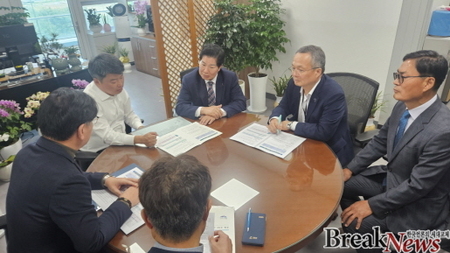
국회 과학기술정보방송통신위원회 소속 더불어민주당 정동영 의원(전북 전주시병)과 국민의힘 최형두 의원(경남 창원시마산합포구)이 공동주최하고, 정보통신산업진흥원(NIPA)이 주관한 「(시즌2)AI G3 강국을 위한 신기술 전략 조찬포럼」이 6월 25일(수), 국회의원회관 제8간담회의실에서 성황리에 개최됐다.
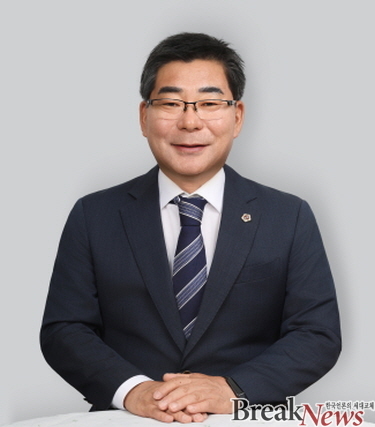
 ▲ 정동영 의원은 “글로벌 AI 패권 경쟁에서 G3 강국으로 도약하기 위해서는 엣지 AI와 같은 차세대 기술 패러다임에 선제적으로 대응해야 한다”고 밝혔다. (사진, 정동영 의원실 제공) *김충열 정치전문기자 |
이번 포럼은 각계의 전문가들이 참석해 국내 AI 인프라 현황을 점검하고, G3 강국을 위한 전략을 토론하는 시간이었다. 정 의원은 “미국의 오픈AI, 마이크로소프트, 엔비디아 등 주요 기업이 AI 인프라 투자에 속도를 내고 있는 가운데 한국도 민관 합동으로 빠른 정책 이행과 투자가 뒷받침되어야 한다”고 강조했다.
이영탁 SKT 부사장은 ‘AI 인프라 구축 및 생태계 조성 방안’을 주제로, 한국의 AI 인프라 경쟁력 강화를 위해 GPU 확보와 GPU 기반의 클리스터를 구축하고, 이를 활용한 AIX와 서비스 상용화 등의 전 주기적인 AI 생태계 구조가 필요함을 주장했다. 이를 위해서는 정부가 ▲CSP(Cloud Service Provider) 선정과 GPU 구매 지원 ▲AI 컴퓨팅 액세스 펀드(가칭)를 통한 바우처 지원 확대 ▲AI 데이터센터의 전력 인프라 및 부지 확보 지원에 나설 것을 제안했다.
또한, 이 부사장은 일본 정부의 지방거점 정비 지원사업을 예시로, 소프트뱅크가 홋카이도 도마코마이시에 건설하는 데이터센터 전체 사업비 약 6,045억 원(650억 엔) 중 약 2,790억 원(300억 엔)을 지원한 것을 설명하면서 정부의 적극적인 지원을 요청했다.
유승재 페르소나AI 대표 “엣지 AI 주도권 경쟁 본격화…국내는 아직 초기 단계”
유승재 페르소나AI 대표는 ‘글로벌 엣지 AI 모델 대응전략’을 주제로, 엣지 AI의 중요성을 강조했다. 미국을 중심으로 엣지 AI에 대한 관심이 급속히 확대되고 있지만 국내 기업들은 아직 엣지 AI 응용 및 모델 고도화가 해외 경쟁사에 비해 초기 단계에 머물러 있다. 유 대표는 “▲국가 차원의 엣지 AI 전용 모델 개발 지원 ▲산업별 수요 연계형 실증 프로젝트 추진 ▲반도체 등 하드웨어 생태계와의 연계 전략이 필요하다”고 제언했다.
정동영 의원은 “글로벌 AI 패권 경쟁에서 G3 강국으로 도약하기 위해서는 엣지 AI와 같은 차세대 기술 패러다임에 선제적으로 대응해야 한다”고 밝혔다.
포럼에 참석한 민형배 의원(광주 광산구을, 문체위), 김윤 의원(비례대표, 보건복지위)도 “산·학·연이 인프라를 구축하고 정부가 정책과 제도로 뒷받침하는 선순환 구조가 자리 잡을 수 있도록 긴밀한 협력이 필요하다”고 발언했다.
산업계를 대표해 이동수 네이버 이사, 이우섭 두산로보틱스 상무, 김정욱 딥엑스 부사장, 김태호 뤼튼테크놀로지스 이사, 박성현 리벨리온 대표, 신동주 모빌린트 대표, 허준 삼성글로벌리서치 상무, 정영범 퓨리오사AI 상무, 서영우 한화에어로스페이스 전무, 조현철 현대자동차 상무, 김유철 LG 부문장, 정상록 SK하이닉스 부사장, 이영탁 SKT 부사장, 박윤하 스피어AX 대표, 조용로 나인이즈 대표, 이정수 플리토 대표, 문용준 인콘 상무, 최병선 이노뎁 부사장이 참석해 다양한 의견을 제시했다.
이동수 네이버 이사는 AI가 음성 명령, 이메일 전송, 예약·구매 기능 등을 수행하는 에이전트 AI(Agent AI) 시대가 도래하고 있으며, 이로 인해 데이터 트래픽과 전력 소모가 폭증할 가능성을 지적했다. 예시로, 구글 수준의 트래픽을 기준으로 계산할 경우, 미국 전체 전력 사용량의 절반에 해당한다. 산업용 전기료에 대한 정부의 정책적인 대비가 필요함을 밝혔다.
박성현 리벨리온 대표는 “‘AI 인프라와 반도체 전략이 모델 개발에서 출발한다’는 인식이 필요하다”고 언급했다. AI 반도체 산업은 결국 ‘수요’가 성공의 핵심이며, 국민 모두가 AI 서비스를 실생활에서 활용할 수 있는 응용 분야의 활성화와 수요 창출 정책이 필요함을 강조했다.
학계를 대표해 김경수 카이스트 부총장은 기존의 AI 대학원에서 기계·전자·제조·바이오 등 AI 응용 중심의 학사과정 필요성을 주장하며, AX 대학 체제 논의가 카이스트에서 활발히 진행되고 있음을 밝혔다.
전국 대학교 1년치 전기료 5,236억 원, 전액 대학 부담… AI 인프라 구축에 부담 커져
한편, 사단법인 한국그린캠퍼스협의회가 한국전력에 확보한 자료에 따르면, 2023년 전국 고등교육기관(대학)이 부담한 전기료는 총 5,236억 원에 달했다. 이 중 서울대가 328억 원, 카이스트가 170억 원으로 최상위를 기록한 것으로 나타났다. 전기요금 전액은 대학이 자체 부담하고 있으며, 이러한 높은 에너지 비용은 AI 연구·교육 인프라 구축에도 부담 요인으로 작용하고 있다는 지적도 제기됐다.
공공 부문을 대표해 박윤규 NIPA 원장은 규제 개혁의 필요성을 강조하며, “전자서명법, 전자상거래법 이 정보화 시대에 등장했듯, AI 시대에 적절한 입법을 통해 변화에 신속히 대응할 필요가 있다”고 밝혔다.
과기정통부, ‘AI 혁신펀드’ 4,000억 원 조성 목표… 1·2차 추경 통해 정부 지원 대폭 확대
정부를 대표해 송상훈 과기정통부 실장은 SW중심대학을 ‘AI 중심 대학’으로 리브랜딩하고, 각 전공에 특화된 AX형 AI 융합 인재 양성을 위한 교육과정 개편도 국정기획위원회와 논의 중임을 밝혔다. 또한, 유망 AI 기업을 육성하기 위한 ‘AI 혁신펀드’가 1차 추경에서 450억 원, 2차 추경에서 2,000억 원으로 확대를 추진 중이며, 민간 투자까지 포함하면 총 4,000억 원 규모의 펀드 조성이 목표임을 밝혔다. hpf21@naver.com
* 아래는 위 기사를 '구글 번역'으로 번역한 영문 기사의 [전문]입니다. '구글번역'은 이해도 높이기를 위해 노력하고 있습니다. 영문 번역에 오류가 있을 수 있음을 전제로 합니다.
*The following is [the full text] of the English article translated by 'Google Translate'. 'Google Translate' is working hard to improve understanding. It is assumed that there may be errors in the English translation.
Jeong Dong-young & Choi Hyung-doo “Japanese government provides 279 billion won in data centers… Korea also needs to make bold investments”
Global AI hegemony competition, leap to G3 powerhouse… Must respond preemptively
The “(Season 2) AI G3 New Technology Strategy Breakfast Forum” co-hosted by Democratic Party of Korea member of the Science, Technology, Information, Broadcasting and Communications Committee of the National Assembly (Jeonju-si Byeong, Jeollabuk-do) and People Power Party member Choi Hyung-doo (Changwon-Masan-Happo-gu, Gyeongsangnam-do) and hosted by the National IT Industry Promotion Agency (NIPA) was held successfully on Wednesday, June 25 in the 8th conference room of the National Assembly Members’ Hall.
This forum was a time for experts from various fields to review the current status of domestic AI infrastructure and discuss strategies for becoming a G3 powerhouse. Rep. Jeong emphasized, “While major companies such as OpenAI, Microsoft, and Nvidia in the US are accelerating their investment in AI infrastructure, Korea should also support rapid policy implementation and investment through public-private cooperation.”
SKT Vice President Lee Young-tak argued that in order to strengthen Korea’s AI infrastructure competitiveness, a full-cycle AI ecosystem structure is necessary, including securing GPUs, building GPU-based clusters, and commercializing AIX and services utilizing them. To this end, he proposed that the government ▲support CSP (Cloud Service Provider) selection and GPU purchases ▲expand voucher support through the AI Computing Access Fund (tentative name) ▲support AI data center power infrastructure and land acquisition.
In addition, Vice President Lee requested active government support, citing the Japanese government’s local base development support project as an example, explaining that Softbank supported approximately KRW 279 billion (30 billion yen) out of the total project cost of approximately KRW 604.5 billion (65 billion yen) for the data center being built in Tomakomai City, Hokkaido.
Yoo Seung-jae, CEO of Persona AI, “Competition for Edge AI Leadership Intensifies…Domestic Market Still in Early Stage”
Yoo Seung-jae, CEO of Persona AI, emphasized the importance of edge AI under the theme of ‘Global Edge AI Model Response Strategy.’ Interest in edge AI is rapidly expanding, especially in the United States, but domestic companies are still in the early stages of edge AI application and model advancement compared to overseas competitors. Yoo suggested, “▲Support for development of edge AI-specific models at the national level ▲Promotion of industry-specific demand-linked verification projects ▲Strategies for linking with hardware ecosystems such as semiconductors are necessary.”
Rep. Jeong Dong-young stated, “In order to leap forward as a G3 powerhouse in the global AI hegemony competition, we must proactively respond to next-generation technology paradigms such as edge AI.”
Rep. Min Hyung-bae (Gwangju Gwangsan-gu, Culture, Sports and Tourism Committee) and Rep. Kim Yoon (proportional representation, Health and Welfare Committee), who attended the forum, also stated, “Close cooperation is necessary so that a virtuous cycle structure can be established in which industry, academia, and research institutes build infrastructure and the government supports it with policies and systems.”
Representing the industry, Naver Director Lee Dong-soo, Doosan Robotics Managing Director Lee Woo-seop, DeepX Vice President Kim Jeong-wook, Rutton Technologies Director Kim Tae-ho, Rebellion CEO Park Seong-hyeon, Mobilint CEO Shin Dong-joo, Samsung Global Research Managing Director Heo Jun, Furiosa AI Managing Director Jeong Yeong-beom, Hanwha Aerospace Executive Director Seo Yeong-woo, Hyundai Motor Company Managing Director Cho Hyun-chul, LG Division Director Kim Yoo-chul, SK Hynix Vice President Jeong Sang-rok, SKT Vice President Lee Young-tak, SphereAX CEO Park Yoon-ha, NineEase CEO Cho Yong-ro, Pluto CEO Lee Jeong-soo, Incon Managing Director Moon Yong-joon, and Innodep Vice President Choi Byeong-seon attended and presented various opinions.
Naver Director Lee Dong-soo pointed out that the era of Agent AI, in which AI performs voice commands, sends emails, and performs reservations and purchases, is coming, and that this could lead to a surge in data traffic and power consumption. For example, if calculated based on Google-level traffic, it would be equivalent to half of the total power consumption in the United States. He stated that the government needs to prepare for industrial electricity rates with policies.
Park Sung-hyun, CEO of Rebellion, stated that “we need to recognize that ‘AI infrastructure and semiconductor strategies start with model development.’” He emphasized that the AI semiconductor industry ultimately depends on ‘demand’ for success, and that policies are needed to activate application fields and create demand so that all citizens can utilize AI services in real life.
Representing the academic community, Vice President Kim Kyung-soo of KAIST asserted the need for undergraduate courses centered on AI applications such as machinery, electronics, manufacturing, and bio in existing AI graduate schools, and announced that discussions on the AX university system are actively underway at KAIST.
Universities nationwide pay 523.6 billion won in electricity bills per year, all of which are borne by universities… The burden of building AI infrastructure is growing
Meanwhile, according to data obtained from Korea Electric Power Corporation by the Korea Green Campus Council, the total electricity bills paid by higher education institutions (universities) nationwide in 2023 amounted to 523.6 billion won. Of these, Seoul National University and KAIST recorded the highest at 32.8 billion won and 17 billion won, respectively. The universities are paying all of their own electricity bills, and it has also been pointed out that these high energy costs are also a burden on building AI research and education infrastructure.
Representing the public sector, NIPA Director Park Yoon-gyu emphasized the need for regulatory reform, saying, “Just as the Electronic Signature Act and the Electronic Commerce Act emerged in the information age, we need to quickly respond to changes in the AI era through appropriate legislation.”
Ministry of Science and ICT aims to raise 400 billion won in ‘AI Innovation Fund’… Significant expansion of government support through the 1st and 2nd supplementary budgets
Representing the government, Song Sang-hoon, Director General of the Ministry of Science and ICT, announced that the rebranding of SW-centered universities into ‘AI-centered universities’ and the reorganization of the curriculum to foster AX-type AI convergence talents specialized in each major are also being discussed with the State Affairs Planning Committee. In addition, the ‘AI Innovation Fund’ to foster promising AI companies is being expanded from 45 billion won in the 1st supplementary budget to 200 billion won in the 2nd supplementary budget, and the goal is to create a fund of a total of 400 billion won including private investment. hpf21@naver.com