1. 시스템 사고로 읽는 북한 시장경제의 진화
북한 시장경제의 진화는 단순히 제도적 변화나 외부 압력에 의한 결과가 아니다. 이는 사회주의 계획경제라는 단단한 구조와, 그 구조 속에서 살아남기 위한 주민들의 창의적이고 유연한 행태가 끊임없이 충돌하고 상호작용하는 복합적 과정의 산물이다. 1990년대 경제위기와 배급제 붕괴는 국가가 주도하던 자원배분 시스템의 한계를 극명하게 드러냈고, 주민들은 생존을 위해 자생적으로 장마당을 만들고 시장적 행태를 확산시켰다. 이 과정에서 북한 경제는 계획경제와 시장경제가 서로 갈등하면서도 보완하는 이중적 구조, 즉 ‘이행경제체제’로 자리 잡았다.
시스템 사고의 관점에서 보면, 북한의 경제 변화는 구조(제도·법·권력관계)와 행태(주민의 실질적 적응과 거래)가 상호작용하며 새로운 질서와 생명력을 창출해내는 창발적 과정이다. 이러한 변화는 무질서 속에서 새로운 질서가 생성되는 복잡계의 적응력, 그리고 구조와 행태의 순환적 진화를 보여주는 대표적 사례로, 북한 경제의 실태를 이해하려면 전체적 구조와 구체적 행태를 동시에 입체적으로 조망해야 한다.
 ▲ 곽인옥 ©브레이크뉴스 |
2. 시스템 사고로 본 10가지 북한 시장경제 작동원리
1990년대 ‘고난의 행군’ 이후 북한 사회는 국가 주도의 계획경제가 무너지고, 주민들의 생존을 위한 자생적 시장경제가 빠르게 확산되었다. 이 과정에서 북한만의 독특한 시장경제 작동원리가 형성되었으며, 이는 국가의 통제와 주민의 자율성이 복합적으로 작용하는 새로운 경제 질서를 만들어냈다. 시스템 사고 관점에서 바라본 북한 시장경제의 10가지 주요 작동원리를 아래와 같이 정리한다.
첫째, 자생적인 시장질서 형성이다.
1990년대 ‘고난의 행군’ 이후 배급제가 붕괴되면서, 주민들은 생존을 위해 각지에서 장마당을 자발적으로 만들었다. 평양, 청진, 신의주 등 대도시의 공터와 역전, 골목에서 시작된 장마당은 점차 전국적으로 400~500개 이상으로 확대됐다. 초기에는 쌀, 옥수수, 생필품, 의약품, 심지어 중국산 전자제품까지 거래하는 공간으로 발전했다. 국가가 처음엔 단속했지만, 주민 참여가 워낙 광범위해 결국 공식적으로 인정하고 관리 대상으로 삼았다. 최근에는 장마당이 지역경제의 중심이 되어, 지방 발전 정책과 연계되어 운영되고 있다.
둘째, 시장가격의 작동이다.
공식 가격표는 있으나 실제 거래는 장마당에서 수요와 공급에 따라 가격이 결정된다. 예를 들어, 2024년 대중국 식량작물 수입이 급감하면서 쌀값이 두 배 가까이 상승했다. 장마당 상인들은 핸드폰 문자, 구전 등을 통해 전국적으로 가격 정보를 빠르게 공유한다. 이로 인해 평양의 쌀값이 오르면 곧바로 지방 시장에도 반영된다. 국가가 유통을 강화하려고 할수록 시장 가격이 불안정해지는 현상도 나타난다.
셋째, 돈주와 같은 신흥자본가의 부상이다.
‘돈주’는 장마당 거래, 밀수, 사금융, 부동산, 제조업 등에 투자하며 부를 축적한다. 예를 들어, 평양의 돈주들은 중국에서 기계 설비를 들여와 빵·과자·담배 공장을 세우고 전국에 상품을 유통한다. 또 다른 돈주는 해산물 수출로 외화를 벌어 대형 아파트를 소유하고, 국영기업과 합작해 사업권을 얻는다. 일부 돈주는 중앙당, 보위부 등 권력기관과 유착해 보호받으며, 100억 원대 자산가도 다수 존재한다. 이들은 투자자, 대부업자, 디벨로퍼, 심지어 ‘은행’ 역할까지 하며 경제 기반을 좌우한다.
넷째, 달러를 유통 결재수단으로 사용한다.
공식적으로는 외화 사용이 금지되어 있지만, 장마당과 상점에서는 달러, 위안화 등 외화가 주요 결제수단으로 널리 쓰인다. 평양의 전자제품 시장 등에서는 달러 거래가 일상화되어 있으며, 외화 환율이 경제 전반에 큰 영향을 미친다. 이는 북한 경제의 ‘달러라이제이션’ 현상으로, 국가도 이를 묵인하거나 세수 확보에 활용한다.
다섯째, 민간과 국가가 합작하여 생산이 이루어진다.
국영기업이 원자재를 민간에 공급하고, 민간 상인이 장마당에서 제품을 판매하는 구조가 일반화됐다. 예를 들어, 국영 방직공장이 돈주의 투자를 받아 생산량을 늘리고, 완제품은 민간 유통망을 통해 전국적으로 판매된다. 2010년대 도입된 ‘기업책임관리제’는 기업이 자체적으로 경영·생산 계획을 세우고, 일정 부분 이윤을 국고에 납부하면 나머지는 자율적으로 사용할 수 있게 했다. 이로 인해 국영기업과 민간의 경계가 흐려졌다.
여섯째, 사금융이 활발하게 이루어지고 있다.
공식 금융 시스템이 약화되면서, 돈주 등 개인 간 대출·투자·이자 거래가 활발해졌다. 예를 들어, 평양의 한 돈주는 장마당 상인에게 1,000달러를 빌려주고 월 10% 이자를 받는다. 국영기업도 공장 설비 확장, 원자재 구입 등 자금이 필요할 때 돈주에게 고리로 돈을 빌린다. 사금융은 사업 확장과 위기 극복의 핵심 자금줄이며, 돈주는 사실상 ‘은행’ 역할을 한다.
일곱째, 비공식적으로 부동산 시장의 활성화이다.
주택은 국가 소유지만, 실제로는 입사증(주택 사용권) 거래가 활발하다. 평양 신축 아파트는 1채에 1만~3만 달러에 거래되고, 중개업자(‘데꼬’)가 입사증 이전을 중개하며 웃돈을 챙긴다. 다주택자는 가족·지인 명의를 빌려 여러 채를 소유하고 임대수익을 올리기도 한다. 지방도시에서도 주택 임대·매매가 비공식적으로 이루어진다.
여덟째, 민간부문의 물류 네트워크의 성장이다.
중국산 상품이 신의주를 거쳐 평양, 함흥 등 전국으로 유통된다. 초기에는 보따리 장사가 주도했지만, 이제는 대형 도매상과 운송업자가 체계적으로 물류를 담당한다. 예를 들어, 평양의 한 돈주는 트럭 여러 대를 보유해 전국에 상품을 공급하고, 운송업자와 협력해 신속 배송 시스템을 구축했다. 최근에는 지방공업 공장 건설과 연계된 물류망도 강화되고 있다.
아홉째, 비공식 네트워크 및 뇌물은 거래비용이다.
장마당에서 좋은 좌판을 얻거나 사업권을 확보하기 위해 관리에게 뇌물을 주는 것이 관행이다. 예를 들어, 평양 장마당에서 1년치 좌판 사용권을 얻으려면 수백 달러의 뇌물이 필요하다. 국영기업과 돈주가 합작사업을 할 때도 권력기관과의 결탁이 필수적이다. 뇌물과 비공식 네트워크는 사업 성공의 핵심 요소다.
열째, 국가통제와 시장 간의 제도적 타협이다.
국가는 장마당을 공식 인정하고, 상인들로부터 세금을 징수한다. 예를 들어, 상인들은 매월 일정액의 사용료와 세금을 내고, 국가는 이를 통해 세수와 사회 안정을 도모한다. 장마당은 국가 명의로 운영되지만, 실질적 운영은 민간 상인들이 맡는다. 국가는 시장을 통제하려 하면서도, 세수 확보와 사회 안정이라는 현실적 이유로 시장의 존재를 일정 부분 인정하고 있다.
북한 시장경제는 국가 통제와 주민 자율성, 공식과 비공식, 민간과 국가가 복합적으로 얽혀 돌아가며, 실제 경제활동의 생생한 사례들이 이를 뒷받침한다. 돈주의 등장과 성장, 사금융과 부동산 시장, 민간 물류와 뇌물 관행 등은 북한 경제의 실상을 보여주는 대표적 현상이다. 2024~2025년에도 국제제재, 환율·물가 불안정, 국가의 정책 변화 등 복합적 변수 속에서 이러한 시장경제의 작동원리는 계속 진화하고 있다.
3. 구조와 행태의 순환, 그리고 북한 시장경제의 미래
북한의 시장경제는 단순한 체제의 허점이나 일시적 현상이 아니라, 구조와 행태가 상호작용하며 점진적으로 진화하는 현상이다. 북한 경제는 국가의 계획경제 틀과 민간 주도의 시장경제가 공존하는 이중구조로, 이 두 요소는 서로 대립하면서도 보완적인 순환 관계를 형성한다. 당국이 시장을 통제하면 주민들은 더 창의적인 방식으로 경제활동을 이어가고, 시장이 확대되면 다시 국가의 규제가 강화되는 식으로 구조와 행태가 끊임없이 영향을 주고받는 것이 특징이다.
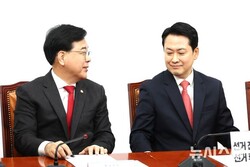
 ▲필자/ 곽인옥 교수. ©브레이크뉴스 |
김정은 집권 이후 민간 주도의 시장경제가 본격화된 것은 사실이다. 주민들은 "시장이 없으면 생활이 안 된다"고 인식할 만큼 시장에 깊이 의존하게 되었고, 이는 북한 경제의 중요한 변화이다. 그럼에도 불구하고 최근 북한 당국은 내각 중심의 통제와 사회주의 경제의 우월성을 강조하며 시장에 대한 규제를 강화하는 움직임을 보이고 있다. 이처럼 국가의 공식 통제와 주민들의 비공식 경제활동이 공존하는 복합적 시스템이 북한 경제의 현실이다.
앞으로 북한 시장경제의 미래는 외부 환경 변화와 내부 정책, 그리고 주민 집단의 선택에 따라 유연하게 진화할 것이다. 북한 경제 변화의 동력은 언제나 아래에서부터 시작된다는 점에서, 주민들의 적응력과 창의성, 그리고 시장 경험은 한반도 경제통합의 기반이자 미래의 중요한 자산이다. 이러한 변화는 한반도 전체의 경제를 더욱 풍요롭고 역동적으로 이끄는 힘이 될 것이다.
*필자/곽인옥 교수
*아래는 위 기사를 '구글 번역'으로 번역한 영문 기사의 [전문]입니다. '구글번역'은 이해도 높이기를 위해 노력하고 있습니다. 영문 번역에 오류가 있을 수 있음을 전제로 합니다.<*The following is [the full text] of the English article translated by 'Google Translate'. 'Google Translate' is working hard to improve understanding. It is assumed that there may be errors in the English translation.>
[Pyongyang Market Economy Report] Vitality that Blossomed from the Structure: Evolution of the North Korean Market Economy from a Systems Thinking Perspective
- Professor Kwak In-ok
1. Evolution of the North Korean Market Economy from a Systems Thinking Perspective
The evolution of the North Korean market economy is not simply the result of institutional change or external pressure. It is the product of a complex process in which the rigid structure of the socialist planned economy and the creative and flexible behavior of the residents to survive within that structure constantly collide and interact. The economic crisis and collapse of the distribution system in the 1990s clearly revealed the limitations of the state-led resource distribution system, and the residents spontaneously created markets and expanded market behavior in order to survive. In this process, the North Korean economy settled into a dual structure in which the planned economy and the market economy conflicted but complemented each other, that is, a ‘transitional economic system.’
From the perspective of systems thinking, economic change in North Korea is a creative process in which the structure (systems, laws, power relations) and behavior (residents’ actual adaptation and transactions) interact to create a new order and vitality. These changes are representative examples of the adaptability of complex systems in which new order is created in disorder, and the cyclical evolution of structure and behavior. In order to understand the reality of the North Korean economy, we must simultaneously and three-dimensionally view the overall structure and specific behavior.
2. Ten operating principles of the North Korean market economy from a systems thinking perspective
After the ‘Arduous March’ in the 1990s, the state-led planned economy collapsed in North Korean society, and a spontaneous market economy for the survival of residents rapidly spread. In this process, North Korea’s unique market economy operating principles were formed, which created a new economic order in which state control and residents’ autonomy worked together in a complex manner. The ten main operating principles of the North Korean market economy from a systems thinking perspective are summarized below.
First, the formation of a spontaneous market order.
After the rationing system collapsed in the 1990s, residents voluntarily created markets in various places to survive. The markets that started in vacant lots, train stations, and alleys in large cities such as Pyongyang, Chongjin, and Sinuiju gradually expanded to over 400-500 nationwide. Initially, they developed into spaces where rice, corn, daily necessities, medicine, and even Chinese electronics were traded. The state initially cracked down on them, but eventually officially recognized them and made them targets of management because the participation of residents was so extensive. Recently, markets have become the center of the regional economy and are operated in conjunction with local development policies.
Second, the operation of market prices.
There is an official price list, but actual transactions are determined by supply and demand in the markets. For example, when food crop imports from China plummeted in 2024, the price of rice nearly doubled. Market merchants quickly share price information nationwide through text messages and word of mouth. As a result, when the price of rice in Pyongyang rises, it is immediately reflected in local markets. The phenomenon of market prices becoming unstable also occurs as the state tries to strengthen distribution.
Third, the rise of new capitalists such as moneylenders. ‘Money owners’ accumulate wealth by investing in market transactions, smuggling, private finance, real estate, and manufacturing. For example, money owners in Pyongyang import machinery and equipment from China to set up bakery, confectionery, and cigarette factories and distribute products nationwide. Other money owners earn foreign currency by exporting seafood, own large apartments, and obtain business rights through joint ventures with state-run enterprises. Some money owners are protected by collusion with powerful organizations such as the Central Party and the Ministry of State Security, and there are many with assets worth 10 billion won. They act as investors, moneylenders, developers, and even ‘banks’, and control the economic foundation.
Fourth, the dollar is used as a means of payment for circulation.
Although the use of foreign currency is officially prohibited, foreign currencies such as dollars and yuan are widely used as the main means of payment in markets and stores. Dollar transactions are commonplace in Pyongyang’s electronics market, and foreign currency exchange rates have a major impact on the overall economy. This is the ‘dollarization’ phenomenon in the North Korean economy, and the state either tolerates it or uses it to secure tax revenue. Fifth, production is carried out through collaboration between the private sector and the state.
The structure in which state-run enterprises supply raw materials to the private sector and private merchants sell products at the market has become widespread. For example, a state-run textile factory receives investment from money lenders to increase production, and the finished products are sold nationwide through private distribution networks. The ‘corporate responsibility management system’ introduced in the 2010s allows companies to establish their own management and production plans, pay a certain portion of their profits to the national treasury, and use the rest autonomously. This has blurred the boundaries between state-run enterprises and the private sector.
Sixth, private finance is actively taking place.
As the official financial system has weakened, loans, investments, and interest transactions between individuals such as money lenders have become active. For example, a money lender in Pyongyang lends $1,000 to a market merchant and receives 10% interest per month. State-run enterprises also borrow money from money lenders at high interest rates when they need funds for expanding factory facilities or purchasing raw materials. Private finance is the core source of funds for business expansion and overcoming crises, and the money lenders actually act as ‘banks’.
Seventh, the unofficial activation of the real estate market.
Although houses are state-owned, in reality, the transaction of residence certificates (housing usage rights) is active. New apartments in Pyongyang are traded for $10,000 to $30,000 per unit, and brokers (‘decos’) make a profit by mediating the transfer of residence certificates. Owners of multiple homes borrow the names of family members or acquaintances to own multiple units and earn rental income. Housing rental and sales also take place unofficially in provincial cities.
Eighth, the growth of the logistics network in the private sector.
Chinese products are distributed nationwide, including Pyongyang and Hamhung, via Sinuiju. Initially, peddlers took the lead, but now large wholesalers and transporters are systematically responsible for logistics. For example, one money lender in Pyongyang owns several trucks to supply products nationwide and established a quick delivery system in cooperation with transporters. Recently, the logistics network linked to the construction of local industrial plants has also been strengthened. Ninth, informal networks and bribery are transaction costs.
It is common practice to bribe officials to secure a good stall or business license in the market. For example, a one-year stall usage license in the Pyongyang market requires a bribe of several hundred dollars. When state-run enterprises and money lenders conduct joint ventures, collusion with the authorities is essential. Bribery and informal networks are key elements of business success.
Tenth, institutional compromise between state control and the market.
The state officially recognizes the market and collects taxes from merchants. For example, merchants pay a certain amount of usage fee and tax every month, and the state seeks tax revenue and social stability through this. The market is operated under the name of the state, but the actual operation is handled by private merchants. While the state seeks to control the market, it also recognizes the existence of the market to some extent for practical reasons such as securing tax revenue and social stability. The North Korean market economy is a complex intertwining of state control and resident autonomy, official and unofficial, private and state, and vivid examples of actual economic activities support this. The emergence and growth of money lenders, private finance and real estate markets, private logistics and bribery practices are representative phenomena that show the reality of the North Korean economy. Even in 2024-2025, the operating principles of this market economy will continue to evolve amid complex variables such as international sanctions, exchange rate and price instability, and changes in state policy.
3. Circulation of Structure and Behavior, and the Future of the North Korean Market Economy
North Korea's market economy is not a simple loophole in the system or a temporary phenomenon, but a phenomenon in which structure and behavior interact and gradually evolve. The North Korean economy is a dual structure in which the state's planned economy framework and the private market economy coexist, and these two elements form a complementary circulatory relationship while opposing each other. When the authorities control the market, residents continue economic activities in a more creative way, and when the market expands, state regulations are strengthened again, so the structure and behavior constantly influence each other. It is true that the private-led market economy has been in full swing since Kim Jong-un came to power. The people have become so dependent on the market that they recognize that “we cannot live without the market,” and this is a significant change in the North Korean economy. Nevertheless, the North Korean authorities have recently been emphasizing cabinet-centered control and the superiority of the socialist economy and are showing a move to strengthen market regulations. In this way, the reality of the North Korean economy is a complex system where the official control of the state and the unofficial economic activities of the people coexist.
The future of the North Korean market economy will flexibly evolve according to changes in the external environment, internal policies, and the choices of the people. Since the driving force of economic change in North Korea always starts from the bottom, the adaptability, creativity, and market experience of the people are the foundation of economic integration on the Korean Peninsula and important assets for the future. This change will be a force that leads the entire Korean Peninsula economy to become more prosperous and dynamic.
*Author/Professor Kwak In-ok