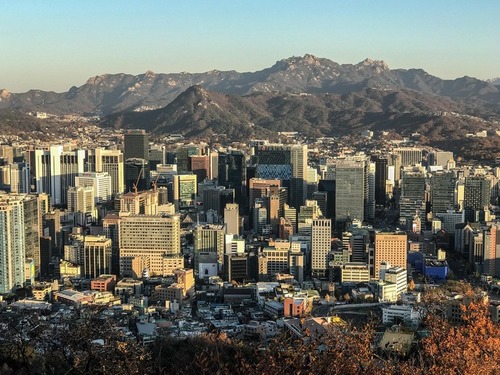
▲ ㈜한화 건설부문이 국토교통부가 주관한 ‘2025년도 건설사업자간 상호협력평가’에서 최고 등급인 ‘최우수’ 등급을 획득했다. 사진은 장교동 한화빌딩. |
㈜한화 건설부문(대표이사 김승모)이 국토교통부가 주관한 ‘2025년도 건설사업자간 상호협력평가’에서 최고 등급인 ‘최우수’ 등급을 획득했다.
국내 대형 건설사 가운데 상생경영에 대한 제도적 성과를 공인받은 사례로, ㈜한화는 협력사와의 공정하고 지속가능한 협력체계 구축 노력을 인정받으며 올해 평가에서 삼성물산, 현대건설, DL이앤씨 등과 함께 최우수 기업에 이름을 올렸다.
국토부의 ‘건설사업자간 상호협력평가’는 종합·전문 또는 대·중소 건설사 간의 상호협력 수준을 종합적으로 진단하는 제도로, 공동도급 실적, 하도급 이행 실적, 협력사 육성 프로그램, 신인도 등을 평가 지표로 삼는다.
상호협력 우수기업으로 선정되면 향후 조달청 및 지방자치단체 공공입찰 사전 평가(PQ) 시 가점을 부여받고, 시공능력평가액 산정 시 추가 가산점 혜택을 얻을 수 있어 실질적 사업 기회로도 이어진다.
㈜한화 건설부문은 상호협력 최우수 등급을 이끈 배경으로 ‘공정거래 문화 정착, 협력사 역량 향상, 실질적 소통 강화’라는 3대 상생 정책 축을 들고 있다.
먼저, 2007년부터 공정거래위원회의 4대 실천사항을 사규에 반영해 준법경영의 체계화를 이뤘으며, 전 임직원을 대상으로 한 윤리·준법교육을 의무화하고 있다.
이를 통해 현재까지 하도급법 관련 누산 벌점 ‘0점’을 유지하고 있으며, 동반성장위원회가 주관하는 동반성장지수 평가에서도 8년 연속 ‘우수’ 이상 등급을 기록하며 대외 신뢰도도 확보하고 있다.
협력사에 대한 금융지원 프로그램도 주목된다. ㈜한화는 ▲동반성장 자금 직접 대여 ▲동반성장 펀드 조성에 따른 간접 금융지원 ▲계약금액의 100%까지 대출 가능한 매출채권 담보대출 제도 등을 운용하며, 재무 여건이 취약한 협력사의 자금 유동성을 실질적으로 개선하고 있다.
더불어, ▲경영닥터제 ▲ESG 경영 컨설팅 ▲협력사 대상 직무역량 교육 등 비재무적 지원 프로그램도 확대해 경영 전반의 지속가능성 향상에 기여하고 있다.
협력사와의 상생은 단순 정책을 넘어 현장 중심의 실천으로 이어진다. ㈜한화 건설부문은 정기적인 우수협력사 간담회와 공종별 실무 간담회를 통해 현장의 애로사항을 수렴하고 있으며, 현장 간담회를 통해 직접적 피드백 반영 구조도 병행하고 있다.
또한, 협력사 임직원을 대상으로 ▲한화이글스 야구경기 단체 응원 ▲한화교향악축제 관람 등의 문화행사를 진행하며, 정서적 유대감 형성과 비즈니스 신뢰 기반 구축에 주력하고 있다.
김승모 ㈜한화 건설부문 대표이사는 “협력사와의 상생은 단순한 윤리의 문제가 아니라 기업 경쟁력 확보와 지속가능한 성장의 핵심 가치”라며 “앞으로도 실질적 지원과 전략적 소통을 바탕으로 협력사와 함께 멀리 나아가겠다”고 밝혔다.
이번 상호협력평가 최우수 등급 획득은 ㈜한화가 추진해 온 정책 중심의 상생이 아닌, 실천 중심의 상생경영이 제도적으로도 효과를 입증한 사례로 해석된다.
산업 내 구조적 위계와 불균형 해소를 위한 공정거래 기반의 협력모델이 점차 중요해지는 시점에서, ㈜한화의 사례는 건설업계의 ‘지속가능 경영 모델’로 참고될 수 있는 구조적 모범이 되고 있다.
*아래는 위 기사를 '구글 번역'으로 번역한 영문 기사의 [전문]입니다. '구글번역'은 이해도 높이기를 위해 노력하고 있습니다. 영문 번역에 오류가 있을 수 있음을 전제로 합니다.<*The following is [the full text] of the English article translated by 'Google Translate'. 'Google Translate' is working hard to improve understanding. It is assumed that there may be errors in the English translation.>
Hanwha Construction Division Achieves 'Excellent' Grade in Ministry of Land, Infrastructure and Transport's Mutual Cooperation Evaluation
-"The Power to Go Far Together" A Win-Win Policy Centered on Fairness, Finance, and Communication… Sustainable Competitiveness Proven Through Execution-
Hanwha Construction Division (CEO Kim Seung-mo) has been awarded the highest possible grade, 'Excellent,' in the '2025 Mutual Cooperation Evaluation Among Construction Businesses' organized by the Ministry of Land, Infrastructure and Transport.
This marks a recognized achievement in win-win management among major domestic construction companies. Hanwha Construction was acknowledged for its efforts in establishing a fair and sustainable cooperative system with its partners, joining the ranks of top-tier companies like Samsung C&T, Hyundai E&C, and DL E&C in this year's evaluation.
The Ministry of Land, Infrastructure and Transport's 'Mutual Cooperation Evaluation Among Construction Businesses' is a system that comprehensively assesses the level of mutual cooperation between general and specialized contractors, or large and small-to-medium-sized construction companies. Evaluation indicators include joint venture performance, subcontracting performance, partner nurturing programs, and credibility.
Companies selected as excellent in mutual cooperation receive additional points in the preliminary evaluation (PQ) for public bids from the Public Procurement Service and local governments, and extra credits when calculating their construction capability assessment value. This translates into tangible business opportunities.
Hanwha Construction Division attributes its 'Excellent' grade in mutual cooperation to three core pillars of its win-win policy: 'establishing a fair trade culture, enhancing partner capabilities, and strengthening practical communication.'
Firstly, since 2007, the company has systematized compliance management by incorporating the Fair Trade Commission's four practical guidelines into its company regulations. It also mandates ethics and compliance training for all executives and employees. Through these efforts, Hanwha Construction has maintained '0 cumulative penalty points' related to the Subcontracting Act to date. It has also secured external credibility by consistently achieving 'Excellent' or higher grades for eight consecutive years in the Shared Growth Index evaluation led by the Korea Commission for Corporate Partnership.
Robust Financial and Non-Financial Support for Partners
Financial support programs for partners are also noteworthy. Hanwha Construction operates various initiatives, including:
Direct loans for shared growth funds
Indirect financial support through the creation of shared growth funds
A receivables-backed loan system that allows loans up to 100% of the contract amount, significantly improving the financial liquidity of partners with weaker financial conditions.
Furthermore, the company expands non-financial support programs such as:
Management Doctor System
ESG management consulting
Job competency training for partners, contributing to the overall sustainability of their management.
Practical, Field-Oriented Cooperation
Cooperation with partners extends beyond mere policy to practical, field-oriented implementation. Hanwha Construction Division regularly holds meetings with excellent partners and working-level meetings by construction type to gather feedback on on-site difficulties. They also incorporate a direct feedback mechanism through on-site consultations.
Additionally, the company hosts cultural events for partner executives and employees, such as group cheering at Hanwha Eagles baseball games and attending the Hanwha Symphony Orchestra Festival. These initiatives focus on building emotional rapport and fostering a foundation of business trust.
A Model for Sustainable Management
Kim Seung-mo, CEO of Hanwha Construction Division, stated, "Win-win cooperation with partners is not merely an ethical issue but a core value for securing corporate competitiveness and sustainable growth. We will continue to move forward together with our partners based on practical support and strategic communication."
This 'Excellent' grade in the mutual cooperation evaluation is interpreted as evidence that Hanwha Construction's practice-oriented win-win management, rather than just policy-driven initiatives, has been institutionally proven effective.
At a time when fair trade-based cooperation models are becoming increasingly important for resolving structural hierarchies and imbalances within the industry, Hanwha Construction's case serves as a structural model that can be referenced as a 'sustainable management model' for the construction industry.