1990년대 중반, 북한은 "고난의 행군"이라 불리는 극심한 경제난을 겪으며 국가 주도의 중앙 배급 체계가 붕괴되는 전환점을 맞이했다. 이 과정에서 주민들은 생존을 위해 자생적인 경제 활동을 시작했고, 이는 오늘날 "장마당 경제"라는 비공식 시장으로 발전했다. 이 새로운 경제 체계는 단순히 물품 거래에 그치지 않고, 숙박업과 같은 서비스 분야로까지 확장되었다. 특히 평양역과 평성역 주변은 교통의 요충지로, 지방 상인과 출장자들이 몰리는 곳으로 알려져 있으며, 이곳에서 개인 숙박업이라는 새로운 형태의 그림자 경제가 태동했다.
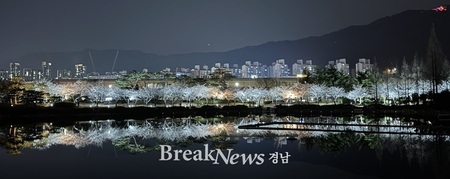
 ▲ 평양시 ©브레이크뉴스 |
북한의 개인 숙박업은 단순히 잠자리를 제공하는 것을 넘어, 국가 통제 아래에서 억압된 개인 경제 활동의 상징이자, 장마당 경제와 밀접하게 연결된 생존 전략으로 볼 수 있다. 그러나 그 이면에는 매춘과 같은 사회적 문제와 불법 활동이 얽혀 있어 복합적인 양상을 띠고 있다.
이 글에서는 평양역과 평성역을 중심으로 북한 개인 숙박업의 실태와 그로 인한 사회적 영향을 심층적으로 살펴보고, 이를 통해 북한 시장경제의 현재와 미래를 조망하고자 한다.
1. 평양역 주변 개인 숙박업 사례
평양역은 북한 수도 평양의 주요 교통 허브로, 지방에서 올라온 상인과 공무원이나 군인과 같은 출장자들이 자주 방문하는 요충지이다. 공식 숙박시설은 국가가 운영하는 호텔이나 여관뿐이지만, 높은 비용과 감시와 도청 등 까다로운 이용 절차로 인해 많은 사람들이 비공식 개인숙박을 선호한다.
평양역 근처 평천구역 주민들은 자신의 집 일부를 개조해 민박 형태로 운영하고 있는 세대가 100~200세대라고 한다. 평양역에서 육교를 건너 평천구역으로 가는 길목에서는 저녁에는 메뚜기 시장이 열리는데 물건을 파는 시늉을 하면서 개인숙박업 거간꾼들은 호객행위를 한다. 하루 숙박비를 현금이나 곡물, 또는 그 지역의 특산물로 받는다. 예를 들어, 한 지방 상인이 열차를 기다리며 하루 밤을 묵기 위해 1~2kg의 쌀이나 옥수수, 마른오징어를 지불하는 사례가 보고되었다. 기본요금에 추가하여 단체 손님이나 물품보관, 식사까지 제공하는 곳도 있다.
평양역은 장거리 이동 후 휴식을 취하려는 사람들에게 최적의 위치이다. 특히 열차 운행이 불규칙하거나 지연되는 경우 개인 숙박 수요가 급증한다. 하지만 이러한 개인 숙박업은 불법으로 간주되며 적발시 처벌받을 위험이 크다. 하지만 일부 주민들은 지역 안전원에게 뇌물을 제공해 단속을 피하고 영업을 지속한다.
 ▲ 평양시 ©브레이크뉴스 |
 ▲ 평양시 ©브레이크뉴스 |
2. 평성역 구역 개인 숙박업 사례
평성역은 평안남도의 중심지로, 지방과 수도를 연결하는 중요한 교통 거점지역으로서 전국적인 도매지역으로 유명한 곳이다. 특히 평성 새벽 도매시장은 새벽 4시부터 열리며, 평성도매상인 3만명, 평양 및 지방에서 온 7만명의 상인 총 10만명의 상인들이 모여 다양한 상품을 거래한다. 이곳 역시 공식 여관 시설이 부족하고 열악하여 비공식 민박 수요가 높다. 주요 고객층으로는 지방상인, 장마당 이용자, 출장자들이며, 특히 장거리 이동 후 하루 이상 머물러야 하는 경우 민박을 선호한다.
평성시 역전동과 옥전동(옥전시장), 은덕동 등 역 근처 지역에서 은밀하게 개인 숙박업이 이루어지고 있으며, 이는 주로 단층 주택이나 아파트 일부를 활용하는 방식이다. 다음은 평성시 중심구역의 개인숙박업 비율이다. 시장이 있는 옥전동과 평성역 앞 역전동, 은덕동이 개인숙박업을 많이 하고 있다.
▶ 옥전동 : 개인 숙박업 40%, 옥전시장이 있는 동으로 창고업 및 도소매업 60%
▶ 역전동 : 개인 숙박업 30%, 가내수공업 20%, 도소매업 40%, 서비스업 10%
▶ 은덕동 : 개인 숙박업 30%, 가내수공업 20%, 도소매업 40%, 서비스업 10%
▶ 중덕동 : 개인 숙박업 20%, 가내수공업 20%, 도소매업 40%, 서비스업 20%
▶ 양지동 : 개인 숙박업 0%, 가내수공업 30%, 도소매업 50%, 서비스업 20%
실제적으로 사례를 들어보면 평성시 역전동에 단층집을 3개를 합쳐서 큰 집을 가지고 있는 고모는 오랫동안 개인 숙박업을 해왔다. 주로 고모님께서 길주에서 시집을 와서 길주댁이라고 부르는데, 길주 장사 상인들이 주로 오는 숙박집이다. 길주 장사꾼들이 7~8명이 모여서 오는데 마른 오징어를 몇 보따리씩 가지고 와서 새벽도매시장에 넘기고, 평성 의류가공품을 사가지고 가는 상인들이 개인숙박을 사용한다. 여관이나 호텔과 비교해서 개인숙박이 좋은 점은 짐도 보관해주고 따뜻한 방에서 귀중품(달러, 돈)도 맡아주고, 맛있는 식사도 제공해주기 때문에 단골이 끊임없이 방문한다고 한다. 숙박검열이 있을 것을 대비하여 숨을 장소까지 준비해 두어서 마음 놓고 사용한다고 한다. 만약에 검열에 걸릴지라도 안전원과 인민반장도 존경하는 덕망이 있는 집주인이라 아무 탈 없이 해결된다고 한다.
3. 장마당 경제와 개인 숙박업의 상호작용
북한에서 장마당 경제는 단순히 물품의 거래를 넘어, 주민들의 일상과 생계에 깊은 영향을 미치는 중요한 경제 활동으로 자리 잡고 있다. 특히, 장마당 경제의 활성화는 개인 숙박업의 수요 증가와 밀접하게 연결되어 있으며, 이는 북한 사회의 비공식 경제 구조를 이해하는 데 중요한 단서를 제공한다.
장마당에서 활동하는 상인들은 물품을 운반하거나 거래하기 위해 지방과 도시를 오가는 빈도가 매우 높다. 예를 들어, 지방에서 생산된 물품을 평양이나 평성 같은 주요 도시로 운반해 판매하거나, 필요한 물품을 구매해 다시 지방으로 가져가는 과정에서 상인들은 이동 중 숙박이 필요하다. 그러나 북한에서는 공식 여관이나 숙박 시설이 부족할 뿐만 아니라, 그 비용도 일반 주민들에게는 부담스럽다. 이러한 상황에서 상인들은 자연스럽게 비공식 개인숙박(민박)을 이용하게 된다.
비공식 민박은 주민들이 자신의 주택 일부를 활용해 제공하는 숙박 서비스로, 비교적 저렴한 가격에 숙소를 제공하며 상인들에게 실질적인 도움을 준다. 예컨대, 한 상인이 지방에서 평양까지 물품을 운반한 뒤 거래를 마무리하기 위해 하루 이상 머무르는 경우, 이러한 민박은 필수적인 역할을 한다. 이처럼 장마당 경제의 활성화는 물류와 유통 네트워크를 촉진하고, 이는 개인 숙박업의 수요 증가로 자연스럽게 이어지고 있다.
북한 주민들에게 개인 숙박업은 단순히 추가적인 소득원이 아니라, 생계를 유지하기 위한 중요한 방법 중 하나로 자리 잡고 있다. 특히, 경제난이 심화된 상황에서는 이러한 비공식 경제 활동이 주민들의 생활에 큰 영향을 미친다. 개인 숙박업은 특별한 기술이나 초기 자본 없이도 시작할 수 있어 접근성이 높고, 지역에 따라 가격도 다양하게 책정된다. 도시 지역에서는 하루 약 1~3만 원 정도의 숙박료가 일반적이며, 농촌 지역에서는 5천 원 수준으로 책정된다. 또한, 식사 제공이나 독방 사용 같은 추가 서비스도 선택적으로 제공되며 추가 요금이 부과된다.
숙박업 운영은 단순히 소득 창출에 그치지 않고, 장마당 경제와 연계된 주민들 간의 네트워크를 형성하는 데도 기여한다. 상인들은 단골 민박집을 찾는 경우가 많아 신뢰 관계가 형성되고, 이는 반복적인 거래와 안정적인 수익으로 이어질 수 있다.
장마당 경제와 개인 숙박업은 서로 긴밀히 연결되어 있는 북한의 비공식 경제 구조를 보여주는 대표적인 사례이다. 장마당이 활성화될수록 물류 이동과 거래가 빈번해지고, 이에 따라 비공식 민박과 같은 개인 숙박업도 더욱 활발해진다. 동시에 개인 숙박업은 주민들에게 새로운 생계 수단을 제공하며, 장마당 경제를 뒷받침하는 기반 역할을 한다.
4. 개인 숙박업과 매춘: 불법 행위와 연결된 사회적 문제
북한의 북한에서의 숙박업은 기본적으로 국가가 운영하는 호텔과 여관을 통해 이루어져야 하지만, 경제난이 심화되면서 개인이 운영하는 비공식 숙박업이 점차 확산되고 있다. 개인 숙박업은 초기 자본이 적게 들고, 비교적 쉽게 시작할 수 있는 생계형 사업으로 자리 잡았으며, 주로 "대기여관" 또는 "민박" 형태로 나타난다.
대기여관은 주로 개인 가정에서 방 한 칸을 손님에게 빌려주는 형태로 운영된다. 여행증명서 없이 이동하는 주민, 장사꾼, 또는 지방에서 도시로 이동하는 사람들이 주요 고객층이다. 이러한 숙박업은 공식 허가를 받지 않은 불법 행위로 간주되지만, 당국의 단속은 지역에 따라 다르며, 일부는 뇌물 등을 통해 묵인되기도 한다.
북한에서 매춘은 공식적으로 엄격히 금지된 불법 행위이다. 그러나 경제난과 사회적 혼란 속에서 매춘이 은밀히 확산되고 있다는 보고가 꾸준히 제기되고 있다. 북한 주민들, 특히 여성들은 생계를 유지하기 위해 극단적인 선택을 강요받는 경우가 많다. 매춘은 이러한 생존 전략 중 하나로 나타난다. 매춘의 소비자는 주로 고위층, 중산층, 군인들(장교들), 대학생, 상인들이다. 평양시에서 매춘 여성은 2~3만명으로 매춘 가격으로는 2017년 기준으로 북한돈으로 긴 밤을 자면 10만원, 1시간 타임은 2~3만원이라고 한다.
대도시(평양, 청진, 함흥 등)와 국경 지역(특히 중국 접경 지역)에서 매춘이 더 활발히 이루어진다고 알려져 있다. 국경 지역에서는 중국으로부터 들어오는 물자와 돈을 노린 조직적인 매춘 활동도 존재한다.
매춘과 개인 숙박업의 증가에는 여러 사회적 문제가 뒤따른다. 매춘은 종종 조직범죄와 연결된다. 특히 인신매매나 강제 노동과 같은 심각한 인권 침해가 동반될 가능성이 높다. 매춘을 통한 성병 확산은 단순히 개인의 건강 문제를 넘어 가족과 지역 사회 전체에 영향을 미칠 수 있다. 경제난 속에서 청소년이나 젊은 여성들이 매춘으로 내몰리고 있는 실정이다. 이들은 생존을 위해 스스로 매춘에 나서거나 강제로 끌려가는 경우도 있다. 이는 북한 사회 내에서 여성 인권 문제를 더욱 악화시키는 요인으로 작용한다.
5. 정부의 단속 및 태도 변화
북한 정부는 경제난 속에서 개인 숙박업이 주민들의 생계유지에 기여한다는 점을 인식하고 있다. 일부 지역에서는 뇌물을 통해 단속이 느슨해지거나, 특정 조건하에 비공식적으로 허용되는 사례도 나타난다. 예를 들어, 평양역이나 평성역 주변에서는 지방 상인과 장마당 이용자들을 대상으로 한 민박 형태의 숙박업이 활성화되어 있으며, 이는 공식 여관 시설 부족을 보완하는 역할을 하고 있다.
북한 정부는 외화벌이를 목적으로 일부 공식 숙박시설을 관광객 유치나 외국인 대상 숙소로 활용하고 있다. 하지만 국제사회의 제재로 인해 이러한 활동은 점차 제한받고 있다.
김정은 체제 하에서 국가 통제는 더욱 강화되고 있다. 특히 개인 숙박업이 반정부 활동이나 사회적 혼란으로 이어질 가능성을 차단하기 위해 지속적인 검열과 단속이 이루어지고 있다. 이는 체제 안정성을 최우선으로 하는 북한 정부의 특성을 반영한다.
6. 합법화 가능성과 미래 전망
북한의 개인 숙박업은 국가 통제와 법적 제약 속에서도 시장화와 경제난에 의해 점차 확대되고 있다. 특히 평양역과 평성역 주변은 교통 요충지로서 비공식 숙박업이 활발히 이루어지는 지역으로 주목받고 있다. 그러나 이러한 활동은 종종 매춘 및 불법 행위와 연결되어 있어 사회적 문제를 야기하고 있다.
중국은 1980년대 덩샤오핑의 개혁·개방 정책을 통해 시장경제를 도입하며 비공식 경제 활동이 확산되었다. 이 과정에서 개인이 운영하는 민박이나 여인숙 형태의 숙박업이 자연스럽게 등장했다. 초기에는 이러한 숙박업이 법적 규제 없이 운영되었으나, 관광 산업과 도시화가 발전하면서 정부는 이를 관리 대상으로 삼기 시작했다. 1990년대 이후, 중국 정부는 비공식 숙박업을 정식 산업으로 편입하기 위해 법적 기반을 마련했으며, 2000년대 이후, 중국은 인터넷과 디지털 플랫폼을 허가하면서 숙박업계를 현대화했다.
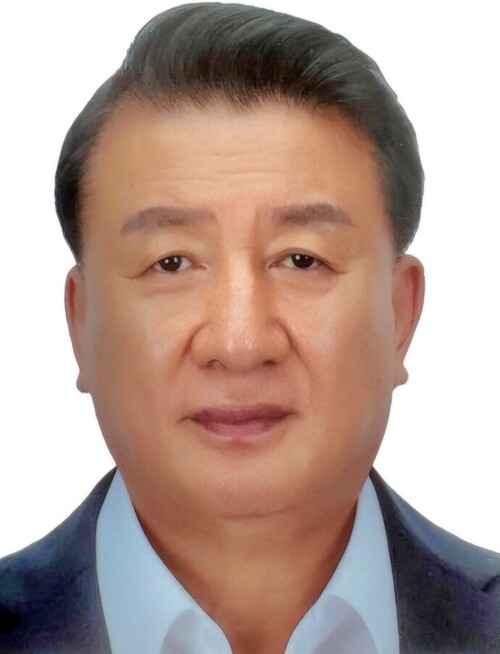
 ▲ 필자/곽인옥 교수. ©브레이크뉴스 |
중국의 개인숙박업의 합법화와 디지털 플랫폼으로의 변화처럼 향후 북한이 경제 개혁이나 개방 정책을 추진한다면, 개인 숙박업의 합법화와 규제 정비가 필요할 것으로 보인다. 이를 통해 주민들의 생계 안정과 지역 경제 활성화를 도모할 수 있을 것이다. 또한 정부 차원에서 개인 숙박업에 대한 체계적인 관리와 지원이 이루어진다면 불법 행위를 줄이고 더 나아가 북한 내 시장경제 발전에 기여할 가능성이 크다.
*필자/곽인옥 교수
*아래는 위 기사를 '구글 번역'으로 번역한 영문 기사의 [전문]입니다. '구글번역'은 이해도 높이기를 위해 노력하고 있습니다. 영문 번역에 오류가 있을 수 있음을 전제로 합니다.<*The following is [the full text] of the English article translated by 'Google Translate'. 'Google Translate' is working hard to improve understanding. It is assumed that there may be errors in the English translation.>
[Pyongyang Market Economy Report] Private lodging industry in Pyongyang, North Korea
North Korea's shadow economy blossoming in the heart of Pyongyang
- Professor Kwak In-ok
In the mid-1990s, North Korea experienced a severe economic crisis called the "Arduous March," and reached a turning point when the state-led central distribution system collapsed. During this process, residents began to engage in self-generated economic activities to survive, which developed into the informal market known today as the "market economy." This new economic system did not stop at simply trading goods, but expanded into service sectors such as the lodging industry. In particular, the area around Pyongyang Station and Pyongsong Station is known as a transportation hub where local merchants and business travelers gather, and this is where a new form of shadow economy called the private lodging industry was born.
North Korea's private lodging industry goes beyond simply providing a place to sleep, and can be seen as a symbol of private economic activity suppressed under state control and a survival strategy closely linked to the market economy. However, behind it, social issues such as prostitution and illegal activities are intertwined, creating a complex picture. This article examines the current state of North Korea’s private lodging industry and its resulting social impact, focusing on Pyongyang Station and Pyongsong Station, and through this, aims to provide an insight into the present and future of North Korea’s market economy.
1. Cases of private lodging around Pyongyang Station
Pyongyang Station is a major transportation hub in the North Korean capital Pyongyang, and is a strategic location frequently visited by merchants from the provinces, civil servants, and military personnel on business trips. Official lodging facilities are only state-run hotels and inns, but many people prefer unofficial private lodging due to high costs and complicated procedures such as surveillance and wiretapping.
It is said that 100 to 200 households in the Pyongchon District near Pyongyang Station have renovated part of their houses and are operating them as guesthouses. In the evening, a grasshopper market opens on the way from Pyongyang Station to Pyongchon District, where private lodging brokers pretend to sell goods and solicit customers. They receive daily lodging fees in cash, grain, or local specialties. For example, there have been reports of local merchants paying 1-2 kg of rice, corn, or dried squid to stay overnight while waiting for a train. In addition to the basic fee, some places even offer group accommodation, luggage storage, and meals.
Pyongyang Station is the best location for people looking to rest after a long trip. In particular, when trains are irregular or delayed, the demand for private accommodations increases rapidly. However, such private accommodations are considered illegal and are at high risk of punishment if caught. However, some residents bribe local security officials to avoid crackdowns and continue their business.
2. Case of private accommodations in the Pyongsong Station area
Pyongsong Station is the center of South Pyongan Province, and is an important transportation hub connecting the provinces and the capital, and is famous as a nationwide wholesale area. In particular, the Pyongsong dawn wholesale market opens at 4 a.m., and 30,000 Pyongsong wholesalers and 70,000 merchants from Pyongyang and the provinces gather to trade various products, a total of 100,000 merchants. Here, too, there is a lack of official guesthouse facilities and poor conditions, so there is a high demand for unofficial guesthouses. The main customer base is local merchants, market users, and business travelers, and they especially prefer private lodging when they have to stay for more than a day after a long distance. Private lodging businesses are secretly operated in areas near stations such as Yeokjeon-dong, Okjeon-dong (Okjeon Market), and Eundeok-dong in Pyeongseong-si, and these are mainly done by utilizing single-story houses or parts of apartments. The following is the ratio of private lodging businesses in the central area of Pyeongseong-si. Private lodging businesses are mostly operated in Okjeon-dong where the market is located, Yeokjeon-dong in front of Pyeongseong Station, and Eundeok-dong. ▶ Okjeon-dong: 40% private accommodation, 60% warehouse and retail trade in the neighborhood where Okjeon Market is located
▶ Yeokjeon-dong: 30% private accommodation, 20% home-based handicrafts, 40% wholesale and retail trade, 10% service industry
▶ Eunduk-dong: 30% private accommodation, 20% home-based handicrafts, 40% wholesale and retail trade, 10% service industry
▶ Jungdeok-dong: 20% private accommodation, 20% home-based handicrafts, 40% wholesale and retail trade, 20% service industry
▶ Yangji-dong: 0% private accommodation, 30% home-based handicrafts, 50% wholesale and retail trade, 20% service industry
For an actual example, my aunt, who owns a large house by combining three single-story houses in Yeokjeon-dong, Pyeongseong-si, has been running a private accommodation business for a long time. It is mainly called Giljudaek because the aunt married in Gilju, and it is a lodging house where Gilju merchants mainly visit. Seven or eight Gilju merchants come together and bring several bundles of dried squid to the dawn wholesale market, and merchants who buy and take Pyeongseong clothing products use private lodging. It is said that the advantages of private lodging compared to inns or hotels are that they store luggage, keep valuables (dollars, money) in a warm room, and provide delicious meals, so regulars visit continuously. It is said that they prepare a place to hide in case of lodging inspections, so they use it with peace of mind. Even if they are inspected, it is said that the landlord is a virtuous person who is respected by the security guard and the people's unit leader, so it is resolved without any problems.
3. Interaction between the Market Economy and Private Lodging Industry
In North Korea, the market economy is not just a simple transaction of goods, but has become an important economic activity that has a profound impact on the daily lives and livelihoods of residents. In particular, the activation of the market economy is closely linked to the increase in demand for private lodging, which provides important clues to understanding the informal economic structure of North Korean society.
Merchants operating in the market frequently travel between the provinces and the city to transport or trade goods. For example, merchants need accommodation while traveling to major cities such as Pyongyang or Pyongsong to sell goods produced in the provinces, or to purchase necessary goods and take them back to the provinces. However, in North Korea, not only are there a shortage of official inns or lodging facilities, but their cost is also burdensome for ordinary residents. In such a situation, merchants naturally use informal private lodging (minbak).
Informal minbak is a lodging service provided by residents using part of their own homes, providing accommodation at relatively low prices and providing practical assistance to merchants. For example, when a merchant transports goods from the provinces to Pyongyang and stays for more than a day to conclude a transaction, such minbak plays an essential role. In this way, the activation of the market economy promotes logistics and distribution networks, which naturally leads to an increase in demand for private lodging. For North Korean residents, private lodging is not just an additional source of income, but is also an important way to make a living. In particular, in times of severe economic hardship, this informal economic activity has a significant impact on the lives of residents. Private lodging can be started without special skills or initial capital, making it highly accessible, and prices vary depending on the region. In urban areas, the typical rate is around 10,000 to 30,000 won per day, while in rural areas, it is around 5,000 won. In addition, additional services such as meals or private rooms are optionally provided and charged additional fees.
Operating a lodging business is not limited to simply generating income, but also contributes to forming a network among residents linked to the market economy. Merchants often visit regular guesthouses, which forms a relationship of trust, which can lead to repeated transactions and stable profits.
The market economy and private lodging are representative examples of North Korea’s informal economic structure, which are closely connected. As the market becomes more active, logistics movement and transactions become more frequent, and private lodging such as informal guesthouses also become more active. At the same time, private lodging provides residents with a new means of livelihood and serves as a foundation for the market economy.
4. Private lodging and prostitution: Social issues linked to illegal activities
In North Korea, lodging in North Korea is basically managed by state-run hotels and inns, but as the economic crisis worsens, informal lodging businesses run by individuals are gradually spreading. Private lodging has established itself as a livelihood business that requires little initial capital and is relatively easy to start, and mainly appears in the form of "daegi motels" or "minbak."
Daegi motels are mainly operated in the form of renting a room in a private home to guests. The main customers are residents, merchants, or people moving from the provinces to the city without a travel document. Such lodging businesses are considered illegal activities without official permission, but crackdowns by the authorities vary by region, and some are tolerated through bribery, etc.
Prostitution is an illegal activity that is officially strictly prohibited in North Korea. However, there are constant reports that prostitution is secretly spreading amid economic difficulties and social chaos. North Koreans, especially women, are often forced to make extreme choices to make a living. Prostitution appears as one of these survival strategies. The consumers of prostitution are mainly the upper class, middle class, soldiers (officers), college students, and merchants. In Pyongyang, there are 20,000 to 30,000 prostitutes, and the price of prostitution is said to be 100,000 won for a long night's sleep and 20,000 to 30,000 won for an hour in North Korean currency as of 2017.
It is known that prostitution is more active in large cities (Pyongyang, Chongjin, Hamhung, etc.) and border areas (especially areas bordering China). In border areas, organized prostitution activities targeting goods and money from China also exist.
The increase in prostitution and private lodging businesses is accompanied by various social problems. Prostitution is often linked to organized crime. In particular, it is highly likely that serious human rights violations such as human trafficking and forced labor will be accompanied. The spread of sexually transmitted diseases through prostitution can affect not only the health of individuals but also the entire family and community. In the midst of economic difficulties, adolescents and young women are being forced into prostitution. Some of them engage in prostitution on their own or are forced into it to survive. This is a factor that further worsens the issue of women’s rights in North Korean society.
5. Government crackdown and change in attitude
The North Korean government recognizes that private lodging businesses contribute to the livelihood of residents amid economic difficulties. In some areas, crackdowns are relaxed through bribery, or unofficially permitted under certain conditions. For example, around Pyongyang Station and Pyongsong Station, lodging businesses in the form of guesthouses targeting local merchants and market users are active, and this serves to supplement the lack of official hotel facilities.
The North Korean government is using some official lodging facilities to attract tourists or as lodging for foreigners in order to earn foreign currency. However, such activities are gradually being restricted due to international sanctions.
Under the Kim Jong-un regime, state control is being further strengthened. In particular, continuous censorship and crackdowns are being carried out to prevent private lodging businesses from leading to anti-government activities or social unrest. This reflects the characteristics of the North Korean government that prioritizes regime stability.
6. Possibility of legalization and future prospects
Despite state control and legal restrictions, private lodging businesses in North Korea are gradually expanding due to marketization and economic difficulties. In particular, the areas around Pyongyang Station and Pyongsong Station are noteworthy as transportation hubs where informal lodging businesses are active. However, these activities are often linked to prostitution and illegal activities, causing social problems. In China, informal economic activities expanded as a result of the introduction of a market economy through Deng Xiaoping’s reform and opening-up policy in the 1980s. During this process, private lodging businesses in the form of guesthouses and inns naturally emerged. Initially, these lodging businesses operated without legal regulations, but as the tourism industry and urbanization developed, the government began to manage them. Since the 1990s, the Chinese government has established a legal basis to incorporate informal lodging businesses into formal industries, and since the 2000s, China has modernized the lodging industry by permitting the Internet and digital platforms.
Like China’s legalization of private lodging businesses and their transformation into digital platforms, if North Korea pursues economic reform or openness policies in the future, it seems necessary to legalize and improve regulations on private lodging businesses. This will help stabilize the livelihoods of residents and revitalize the local economy. In addition, if the government systematically manages and supports private lodging businesses, it is highly likely that it will reduce illegal activities and further contribute to the development of the market economy in North Korea.
*Author/Professor Kwak In-ok