대미 통상 교섭을 놓고 위기감이 고조되고 있다. 짚을 게 있다. 무역 장벽은 두 가지다. 관세장벽과 비관세장벽. 세계 많은 나라들이 미국에 수출, 막대한 이윤을 남기면서 자국 시장엔 이런 저런 직간접적 행정적 조치로 무역 장벽을 쌓아놓은 경우가 있다. 미국의 주장도 일리가 있다. 관건은 시장 개방이다. 지금 미국은 소고기보다 한국의 쌀 시장 개방에 더 큰 관심을 두는 것 같다. 왜일까? 과거 한미 간 FTA 체결을 위해 소고기 수입을 허용하는 과정에서 한국에서 ‘광우병 선동’이 일어났다. 그건 ‘오버’였다. 더 큰 ‘오버’는 미국산 소고기 수입으로 인해 국산 한우 값이 떨어질 거라는 우려였다.
 ▲ 도널드 트럼프 미국 대통령. ©AP/뉴시스 |
 ▲7월27일, 서울 시내에 부착된 만 트럼프 포스터. ©브레이크뉴스 |
이는 ‘독점적 경쟁(monopolistic competition)’을 이해하지 못해 벌어진 일이었다. 독점적 경쟁 이론에 따르면, 한 시장 내에서 각 제품의 수요가 일정하게 주어진 것으로 파악한다. 예를 들면, 가수가 매우 많다고 하지만 조용필을 좋아하는 팬들에겐 오로지 조용필이다. 조용필이 그 팬들에 대해선 ‘독점적’ 지위를 누리는 것이다. 그 팬들은 조용필이 은퇴를 하면 비로소 다른 가수를 찾을 것이다. 즉, 그 팬들에겐 다른 어떤 가수도 조용필을 ‘대체’하지 못한다.
상품도 마찬가지다. 특히 식재료 먹거리 등은 더욱 그렇다. 사람들은 자신이 항상 수요하는 브랜드를 계속 수요 하는 경향이 있다. 그 맥락에서 파악할 때, 한국 소고기와 미국 소고기도 대체관계가 성립하지 않는다. 짧게 말해, 그 두 종류의 소고기는 ‘같은’ 소고기가 아닌 것이다. 품질이 ‘차별화’되어 있기에, 한국 소고기와 미국 소고기는 사실상 완전히 ‘다른’ 제품처럼 여겨지는 것이다. 증거가 있다. 당장 마트에 가보라. 한우(특정 지역 한우), 호주산 소고기, 캐나다산 소고기, 미국 산 소고기 등 그 원산지 정보가 나열되어 있고 모두 서로 다른 가격에 팔리고 있으며 수요 패턴도 전혀 다르다.
당신이 오늘 누군가에게 선심을 쓴다고 해보자. 한우로 사줄 텐가, 아님 미국 소고기로 사줄 텐가? 그 두 경우는 전혀 다르다. 강조하지만 대체관계가 아닌 것이다. 상대방도 그 정보를 알고 있고 한우와 미국 소고기를 전혀 다르게 취급한다. 따라서 미국 소고기를 수입한다 하더라도 한국 한우 수요에 큰 영향을 미치지 못한다. 이론적으로 ‘독점적 경쟁’ 상황이기 때문이다.
소고기 시장 개방하고 축산 농가 우려대로 소고기 값이 떨어졌나? 오히려 가격이 더 올랐다. 한우는 국내 소비자들에게 ‘독점적’ 지위를 누리고 있다. 선호도 때문이다. 한우도 지역 별로 브랜드가 다양하다. 이제 미국은 소고기보다 쌀 시장 개방에 초점을 둘 수도 있다. 소고기 수출로 큰 재미를 보지 못했기 때문이다. 모든 나라는 자국 이익을 우선시한다. 무역상대국에 대해 시장 개방을 요구하는 건 당연한 처사라고 볼 수 있다. 문제는 한국의 대응방식이다.
마치 쌀 시장이 개방되면 쌀값이 폭락하고 자국 쌀 시장이 붕괴될 것마냥 ‘패닉’ 상태가 되어 부정확한 정보가 퍼지는 것이다. ‘패닉’ 상태까지 될 필요는 없다. 중요한 건 정확한 원산지 정보일 것이다. 즉 미국산과 한국산이 뒤 섞이거나, 누군가 고의로 속지 않는다면 한국산 쌀은 나름대로 기본적 수요를 누릴 수 있을 것이다. 쌀값이 폭락할 거라는 예측도 너무 앞서간 것일 수도 있다. 한미 FTA가 체결되고 꾸준히 미국산 소고기가 수입되고 있지만 한우 소고기 값은 내려가지 않았다.
한국의 소비자들의 입맛이 갈수록 까다로워지고 ‘고품질’ 식재료에 대해 수요가 많아지는 추세다. 물론 미국 쌀 수요도 있을 테다. 하지만 원산지 정보가 정확히 공개되면 국산 쌀 가격에 큰 영향을 미칠 정도는 아닐 수도 있다.
발상의 전환이 필요하다. 쌀 시장 개방에 주눅 들지 말고 ‘독점적 경쟁’ 상황 속에 미국산 쌀을 이용해 더 많은 먹거리를 만들어 보는 것이다. 그게 ‘소비 다양성’이다. 현대 무역이론에서 무역이익은 ‘소비 가능성’ 진작도 있지만 ‘소비 다양성’ 진작도 있다. 무역이론에 기여한 공로를 인정받아 노벨경제학상을 수상한 폴 크루구먼 교수의 통찰이다.
중요한 건 다양성이다. 쌀이 밀을 대체할 수도 있다. 미국의 쌀 주산지는 캘리포니아다. 한국 기업이 캘리포니아에 진출해 식품 공장을 만들어 현지 한인 시장에 다양한 쌀 제품을 공급해도 좋을 것이다. 미국인들 입맛에 맞춰 신(新) 상품을 개발해 보는 것도 방법이 될 수 있다. 어쩌면 기회일 수도 있다. 우왕좌왕 할 게 아니라 위기를 기회로 삼는 지혜가 필요하다. yslee1992@kunsan.ac.kr
*필자/이양승
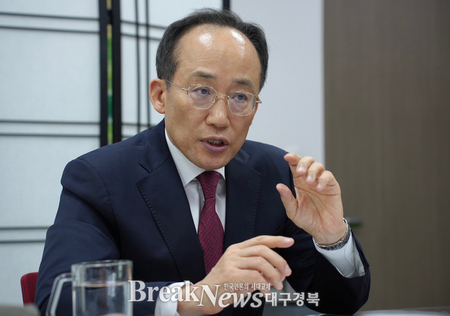
 ▲ 필자/이양승 군산대 교수. ©브레이크뉴스 |
군산대 교수. 국제경제, 게임이론 그리고 지역 발전전략에 대해 연구하는 학자이다. 현재 국립 군산대 무역학과 교수로 재직 중이다. 이전엔 캐나다 앨버타 대학교(University of Alberta) 경제학과에서 ‘게이임(gaming)’에 대해 연구와 강의를 했으며, 한국건설산업연구원에서 연구위원으로 근무했다.
전북 남원에서 출생해 전주한일고와 전북대 상과대학을 졸업했다. 이후 미국으로 건너가 노스 캐롤라이나 주립대학교 (North Carolina State University)에서 통계학과 경제학을 공부해 석사를 받았으며, 캔자스 대학교(The University of Kansas)에서 산업조직과 게임이론에 대한 연구로 경제학 박사를 받았다.
저서로는 '메트로 이코노미 (타임라인)'과 ‘와일드 게임이론 (박영사)’, ‘무역학개론(공저, 두남)’, ‘문화지체에 빠진 건설산업 (공저, 한국건설산업연구원)’ '자유무역론(박영사)' 등이 있고, 36편의 단독연구 학술논문이 있다.
*아래는 위 기사를 '구글 번역'으로 번역한 영문 기사의 [전문]입니다. '구글번역'은 이해도 높이기를 위해 노력하고 있습니다. 영문 번역에 오류가 있을 수 있음을 전제로 합니다.<*The following is [the full text] of the English article translated by 'Google Translate'. 'Google Translate' is working hard to improve understanding. It is assumed that there may be errors in the English translation.>
Crisis in US-North Korea Trade Negotiations?...‘Consumption Diversity’ is also a Trade Benefit!
“Rather than being confused, we need wisdom to turn a crisis into an opportunity”
- Professor Lee Yang-seung of Kunsan National University
A sense of crisis is growing over the US-North Korea trade negotiations. Here’s something to think about. There are two types of trade barriers: tariff barriers and non-tariff barriers. Many countries around the world have built trade barriers in their own markets through direct and indirect administrative measures while exporting to the US and making huge profits. The US’s argument also makes sense. The key is market opening. Right now, the US seems to be more interested in opening the Korean rice market than in beef. Why is that? In the past, during the process of allowing beef imports for the Korea-US FTA, there was a ‘mad cow disease propaganda’ in Korea. That was ‘over the top.’ An even bigger ‘over top’ was the concern that the price of domestic Korean beef would fall due to the import of US beef.
This was caused by a lack of understanding of ‘monopolistic competition.’ According to the theory of monopolistic competition, the demand for each product in a market is considered to be given at a certain level. For example, there are many singers, but for fans who like Cho Yong-pil, it is only Cho Yong-pil. Cho Yong-pil enjoys an ‘exclusive’ status for those fans. Those fans will only find another singer when Cho Yong-pil retires. In other words, for those fans, no other singer can ‘replace’ Cho Yong-pil.
The same goes for products. This is especially true for food ingredients. People tend to continue to demand the brands they always demand. In that context, Korean beef and American beef are not substitutes. In short, the two types of beef are not the ‘same’ beef. Since their quality is ‘differentiated’, Korean beef and American beef are actually considered completely ‘different’ products. There is evidence. Go to the supermarket right now. You will see information on the origins of Korean beef (Korean beef from a specific region), Australian beef, Canadian beef, and American beef, all of which are sold at different prices and have completely different demand patterns.
Let’s say you do someone a favor today. Would you buy Korean beef or American beef? The two cases are completely different. I emphasize that they are not substitutes. The other party also knows that information and treats Korean beef and American beef completely differently. Therefore, even if American beef is imported, it will not have a significant impact on Korean demand for Korean beef. This is because it is theoretically a situation of ‘monopolistic competition.’
Did the price of beef fall as livestock farmers feared after the opening of the beef market? In fact, the price has risen even more. Korean beef enjoys a ‘monopolistic’ status among domestic consumers. This is due to preference. Korean beef brands also vary by region. Now, the United States may focus on opening the rice market rather than beef. This is because it has not made much profit from beef exports. All countries prioritize their own interests. It is natural to demand that their trading partners open their markets. The problem is how Korea responds.
It is as if the opening of the rice market will cause a ‘panic’ and spread inaccurate information, as if the price of rice will plummet and the domestic rice market will collapse. There is no need to panic. What is important is accurate information on the origin. In other words, unless American and Korean rice are mixed or someone is deliberately deceived, Korean rice will be able to meet its own basic demand. The prediction that rice prices will plummet may have been too early. Even though the Korea-US FTA was concluded and American beef has been steadily imported, the price of Korean beef has not fallen.
Korean consumers are becoming increasingly picky and demand for ‘high-quality’ ingredients is increasing. Of course, there will be demand for American rice. However, if the origin information is accurately disclosed, it may not have a significant impact on the price of domestic rice.
A change in thinking is needed. Rather than being intimidated by the opening of the rice market, try to make more food using American rice in a ‘monopolistic competition’ situation. That is ‘consumption diversity.’ In modern trade theory, trade benefits include promoting ‘consumption potential’ as well as ‘consumption diversity.’ This is the insight of Professor Paul Krugman, who won the Nobel Prize in Economics in recognition of his contribution to trade theory.
Diversity is important. Rice can replace wheat. The main rice producing region in the United States is California. It would be good for Korean companies to enter California, build food factories, and supply various rice products to the local Korean market. Developing new products that suit the tastes of Americans could also be a method. It could also be an opportunity. Rather than being confused, we need the wisdom to turn a crisis into an opportunity. yslee1992@kunsan.ac.kr
*Author/Yang Seung Lee
Professor at Kunsan National University. He is a scholar who studies international economics, game theory, and regional development strategies. He is currently a professor in the Department of Trade at Kunsan National University. Previously, he researched and lectured on ‘gaming’ at the Department of Economics at the University of Alberta in Canada, and worked as a research fellow at the Korea Construction Industry Research Institute.
Born in Namwon, Jeollabuk-do, he graduated from Jeonju Hanil High School and Jeonbuk National University's College of Commerce. He later moved to the United States and studied statistics and economics at North Carolina State University, where he received a master's degree, and a doctorate in economics from the University of Kansas for his research on industrial organization and game theory.
His books include 'Metro Economy (Timeline)', 'Wild Game Theory (Park Young-sa)', 'Introduction to Trade (co-authored, Doo Nam)', 'Construction Industry in Cultural Lag (co-authored, Korea Construction Industry Research Institute)', 'Free Trade Theory (Park Young-sa)', and 36 independent academic papers.