이번 한미 관세 협상 결과에 대해 한국 정부는 형평성 있는 타결이라 자평했다. 표면만 본다면 그렇게 평가할 수도 있다. 미국은 일본, 유럽연합(EU), 한국 모두에게 15%라는 동일한 관세율을 적용했고, 한국도 그 틀 안에 들어갔기 때문이다. 그러나 협상이란 단순한 숫자의 교환이 아니다. 협상은 맥락과 전략의 싸움이며, 그 결과는 겉으로 드러난 수치가 아니라 내면의 구조로 평가되어야 한다.
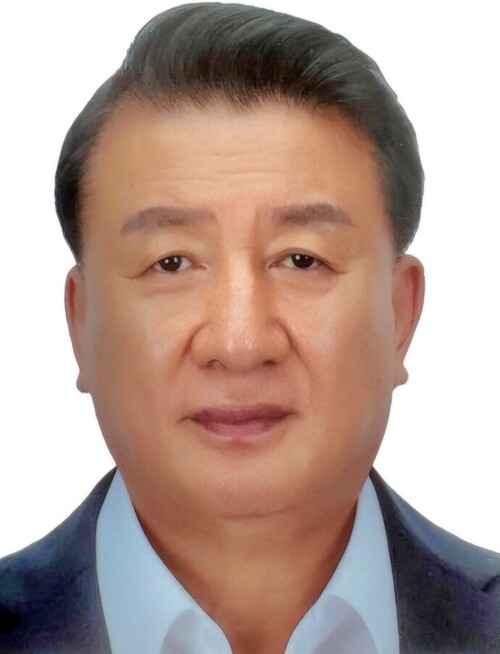
 ▲필자/ 김정기 <대한민국과 세계 이야기>의 저자. ©브레이크뉴스 |
가장 상징적인 예는 자동차다. 한국, 일본, EU 모두에게 15%라는 동일한 관세율이 적용됐다. 수치만 놓고 보면 공정한 대우처럼 보인다. 정부는 최악은 피했다는 논리를 내세우고 있고, 일부에서는 같은 조건이라면 다행이라는 평가도 나온다. 그러나 실상을 들여다보면 얘기는 전혀 달라진다. 일본과 EU는 기존 2.5%의 관세를 부담하고 있었으나 한국은 한미 FTA로 0%였다. 즉, 한국만이 실질적으로 15%의 관세 인상을 단번에 맞게 된 셈이다. 이 차이는 단순한 숫자의 문제가 아니라, 협상의 철학과 구조의 문제다.
더 심각한 것은 이번 협상이 단일 품목 문제가 아니라는 점이다. 미국은 자동차, 철강, 반도체, 조선, 배터리를 포괄하는 전략적 산업 프레임을 앞세웠다.
철강은 2025년 6월 기존 25%에서 한 번에 50%로 인상된 관세를 그대로 유지했고, 반도체와 조선 역시 향후 재조정 가능성이 높다. 그러나 한국은 자동차에만 집중했다. 산업 간 연계는커녕, 개별 품목별로 대응하는 방어적 접근에 머물렀다. 결국 미국이 구축한 거시적 틀에 한국은 끌려 들어갔고, 협상 테이블에서 주도권을 잃었다.
여기서 한국 통상 외교의 실패는 뚜렷하게 드러난다. 트럼프식 앵커링(Anchoring)의 고전적 함정에 빠진 것이다. 미국은 초기부터 25% 관세 부과 가능성을 내세우며 공포 분위기를 조성했다. 이에 따라 한국 정부는 15%를 협상의 ‘성공선’으로 받아들이는 심리적 구조에 묶여버렸다. 협상의 기본 원칙은 최선의 대안(BATNA)을 확보한 상태에서 최대치를 추구하는 것이다. 그러나 한국 정부는 BATNA 없이 최악을 피하는데 협상 초점을 맞췄고, 결국 15%라는 관세를 자발적으로 수용하게 된 것이다.
만약 우리의 목표점이 15%가 아니라, 원래 갖고 있던 FTA의 0% 유지였다면 어땠을까? 0% 유지라는 명확한 목표점을 설정하고, 자동차뿐 아니라 반도체, 철강, 조선, 배터리를 묶은 산업 패키지 전략을 통해 미국과 대등한 프레임을 구성했더라면, 협상은 달라졌을 것이다. 미국은 실리적 타협을 꾀할 수밖에 없었고, 한국은 최소한 단계적 인상이나 유예 조항, 혹은 전기차 분야의 예외조항 등 다양한 방식의 보완책이 가능했을 것이다.
게다가 한국은 협상의 가장 중요한 자산인 ‘시간’조차 내주었다. 미국은 8월 1일이라는 발표일을 정해놓고 강한 시간 압박 전략을 구사했다. 반면 한국은 아무런 시한도 설정하지 못한 채 미국의 템포에 끌려 다녔다. 협상에서 시간은 단순한 경과가 아니라 심리적 지배력이다. 시간을 주도한 미국은 한국의 저항을 단계적으로 약화시켰고, 결국은 심리적 압박에 밀려 정부 스스로 협상 목표를 낮추고 조기 수용하는 결과를 낳았다.
이처럼, 이번 자동차 관세 협상은 형식의 평등이라는 말 뒤에 숨어 있는 실질의 굴복, 전략 없는 응수형 협상의 전형, 그리고 정부 외교라인의 협상 철학 부재를 그대로 드러낸 사건이다.
한국이 이번 협상에서 실패한 이유를 협상학적인 관점에서 보자.
첫쩨, BATNA(최선의 대안)를 갖지 못했다.
무역 다변화, 제3시장 확보, 미국 내 생산 확대, 협상 결렬 시 시나리오 등 협상 실패를 전제한 대안을 준비하지 못했다. 받지 않으면 안 되는 협상은 협상이 아니라 굴복이다.
둘째, 산업을 통합 프레임으로 엮지 못했다.
자동차를 따로, 반도체를 따로, 철강을 따로 대응했다. 미국은 산업 전체를 보호전략으로 엮어 접근했고, 일본과 EU는 패키지 전략을 구사했다. 한국만 분절 대응에 갇혀 협상력을 스스로 축소했다.
셋째, 프레임과 시간의 주도권을 상실했다.
미국이 제시한 25% 앵커링에 속았고, 15%라는 프레임을 상대적으로 양호한 수준이라 오인했다. 정부는 협상에서 단 한 번도 프레임을 전환하지 못했고, 시간전술도 주도하지 못했다.
이재명 정부는 농산물 문제에는 주권을 말하고, 쌀 시장 개방엔 민생을 내세운다. 그러나 자동차, 반도체, 조선, 철강 같은 진짜 국부 산업에는 전략도, 목소리도 없다. 동맹이니까 받아들일 수밖에 없다는 식의 자기 위안은 산업 주권을 잃어가는 결정적 순간에 나온 최악의 접근이었다.
우리는 이번 협상을 뼈아프게 기억해야 한다. 숫자는 같았지만, 내용은 달랐다. 자동차 15%는 단순한 수치가 아니라, 전략 없는 통상 외교의 결과이며, 준비 없는 협상의 청구서다.
이제는 ‘한국형 협상 전략’이 절실하다. 국가는 감정이 아니라 설계로 움직이고, 협상은 의지가 아니라 전략, 정보, 프레임, 시간의 싸움이다. 한국이 진정 통상 외교 강국으로 거듭나려면, 다음 협상에서 만큼은 목표점을 스스로 설정하고, 대안을 확보하며, 프레임을 주도할 협상가들이 전면에 나서야 한다. 그렇지 않으면 다음엔 15%가 아니라, 전면 무역 전쟁이 기다리고 있을 것이다.
협상은 국가의 운명을 건 전쟁이다. 이재명 정부가 미국과의 관세 협상에서 보여준 결과는 단순한 경제적 손실이 아니라, 대한민국이 국가 간 협상에 얼마나 준비되지 않았는지를 드러낸 구조적 실패다. 그럼에도 정부는 얻은 것이 있으니 잃은 것도 있다는 식의 안이한 자세를 보이고 있다. 이것이 과연 책임 있는 정부의 태도인가.
문제는 이번이 처음이 아니라는 데 있다. 우리는 수십 년간 국제 협상을 부처별 임기응변에 맡긴 구조 속에서 움직여 왔다. 고속철도는 국토교통부, 어업은 해양수산부, 문화재 반환은 문화체육관광부가 각기 협상에 나섰지만, 이들은 협상 전문가도 아니고 훈련을 받은 적도 없다. 부처 이기주의와 전문성 결여가 누적된 결과가 바로 지금의 협상력 부재다.
21세기의 국제 협상은 군사와 영토 문제에 국한되지 않는다. 정보, 무역, 기술, 환경, 문화까지 국가 생존이 걸린 영역 전반에서 ‘비가시적 전쟁’이 벌어지고 있다. 이 전쟁에서 패배한 대가는 곧 국민의 삶으로 돌아온다. 우리는 자주 최악은 피했다는 식의 자기위안으로 30% 성과에 만족하지만, 그것은 70을 받을 수 있었던 상황에서 30만 얻고 돌아온 협상 실패일 뿐이다.
 ▲도널드 트럼프 미국 대통령. |
 ▲서울 시내에 등장한 반 트럼프 포스터. ©브레이크뉴스 |
국제 협상 전문 미국 변호사, 협상학 교수, <한국형 협상의 법칙> 저자인 내가 해결책을 제시하고자 한다. 이제는 전문성과 전략을 갖춘 협상 인재를 국가 차원에서 체계적으로 양성해야 한다. 총리실 산하에 ‘국가협상전략연구원(Korea National Institute for Negotiation Strategy)’을 신설하고, 미국 로스쿨 출신 변호사들을 중심으로 국제 협상 교육 체계를 마련해야 한다. 영어와 법률적 사고, 전략적 분석을 겸비한 실전형 협상가 양성이 시급하다. 국립외교원의 외교관 양성과정처럼, 1년제 집중 과정 또는 전문 석사급 프로그램을 통해 교육하고, 수료자는 협상 특채 사무관으로 임용하여 각 중앙부처에 배치하면, 지금처럼 비전문가 공무원이 협상 테이블에 앉는 상황은 막을 수 있다.
미국 국무부나 유럽 주요국의 협상 대표들이 대부분 로스쿨을 졸업한 변호사 출신 전략가인 것과는 달리, 한국은 여전히 실무 공무원이 자료 몇 장만 들고 나서는 구조다. 이대로는 국제무대에서 의미 있는 협상 결과를 기대하기 어렵다.
향후 협상은 더 이상 개별 부처의 몫이 아니라, 국가 전체의 전략적 총력전이어야 한다. 국가협상전략연구원은 통상, 외교, 재정, 산업을 관통하는 협상의 컨트롤타워가 되어야 하며, 산업통상자원부, 외교부, 기획재정부, 국토교통부, 해양수산부, 농림축산식품부, 문체부 등과 유기적 협업 체계를 구축해야 한다.
이재명 정부의 대미 관세 협상 실패는 예고된 참사였고, 무지와 준비 부족의 산물이었다. 지금 이대로라면, 다음 협상에서도 우리는 줄 수 있는 70을 내주고 30만 받고 돌아오며, 또다시 최악은 피했다고 자위할 것이다. 이는 단순한 실책이 아니라, 국민의 미래를 포기하는 국가적 무능이다.
지금이 변화의 출발점이다. 협상 전문가 양성은 선택이 아니라, 대한민국 생존을 위한 전략적 필수 과제다. 전쟁에 나설 준비가 된 나라만이, 협상에서 살아남는다. jeongkeekim@naver.com
*필자/김정기
● 학력
- 뉴욕주립대학교(Stony Brook) 정치학과 수석 졸업
- 마케트대학교(Marquette) 로스쿨 법학박사
- 하버드대학교(Harvard) 케네디스쿨 최고위 과정
- 베이징대학교(Peking) 북한학 연구학자
● 경력
- 세계스마트시티기구(WeGO) 사무총장 (현)
- 유엔 국제전기통신연합 (UN ITU) 가상세계 및 AI 글로벌 이니셔티브 집행위원(현)
- 아시아태평양지방정부네트워크(CityNet) 대표
- 제8대 주상하이 대한민국 총영사(13등급 대사)
- 2010 상하이엑스포 대한민국관 정부대표
- 제17대 대선 한나라당 이명박 대통령 후보 국제위원장
- 제20대 대선 국민의힘 윤석열 대통령 후보 정치개혁 공약 총괄
- 제21대 대선 국민의힘 김문수 대통령 후보 외교고문
- 자유한국당 오세훈 당대표 후보 SH전략회의 총괄 및 조직본부 총괄본부장
- 자유한국당 서울시장 예비후보
- 법무법인 대륙아주 중국 총괄 미국변호사
- 난징대학교 국제경제연구소 객좌교수
- 동국대학교 경영전문대학원 석좌교수
- 숭실사이버대학교 총장
● 저서
1. 대학생을 위한 거로영어연구[전 10권](거로출판사)
2. 나는 1%의 가능성에 도전한다(조선일보사)
3.<한국형 협상의 법칙> 저자.
4.<대한민국과 세계 이야기>의 저자.
*아래는 위 기사를 '구글 번역'으로 번역한 영문 기사의 [전문]입니다. '구글번역'은 이해도 높이기를 위해 노력하고 있습니다. 영문 번역에 오류가 있을 수 있음을 전제로 합니다.<*The following is [the full text] of the English article translated by 'Google Translate'. 'Google Translate' is working hard to improve understanding. It is assumed that there may be errors in the English translation.>
[Korea-US Tariff Negotiations] "In reality, it's a humiliation! A Korean-style negotiation strategy is desperately needed."
Korea-US Mutual Tariff of 15%: Negotiations, but No Strategy: The Bare Face of Korean Trade Diplomacy
- Columnist Kim Jeong-gi
The Korean government has characterized the outcome of the recent Korea-US tariff negotiations as a fair agreement. Superficially, this might seem like a fair conclusion. The US applied the same 15% tariff rate to Japan, the European Union (EU), and Korea, and Korea also fell within that framework. However, negotiations are not simply a matter of exchanging numbers. They are a battle of context and strategy, and the results should be judged not by the numbers on the surface, but by the underlying structure.
The most emblematic example is automobiles. The same 15% tariff rate was applied to Korea, Japan, and the EU. Looking at the numbers alone, it appears to be fair treatment. The government argues that the worst has been avoided, while some argue that the same conditions are fortunate. However, a closer look at the reality reveals a completely different story. Japan and the EU were already facing a 2.5% tariff, while Korea's tariff was 0% under the Korea-US FTA. In other words, only Korea effectively faced a 15% tariff increase all at once. This difference is not simply a matter of numbers, but rather a problem of the philosophy and structure of the negotiations.
Even more serious is that these negotiations are not about a single product. The US has prioritized a strategic industrial framework encompassing automobiles, steel, semiconductors, shipbuilding, and batteries.
Steel tariffs, which were raised from 25% to 50% in June 2025, remain in place, and semiconductors and shipbuilding are also likely to be readjusted in the future. However, Korea focused solely on automobiles. Far from fostering inter-industry linkages, it remained defensive, responding to individual products on a case-by-case basis. Ultimately, Korea was dragged into the macro framework established by the US and lost the initiative at the negotiating table.
Here, the failure of Korea's trade diplomacy becomes clear. It has fallen into the classic trap of Trump-style anchoring. The US created a climate of fear from the outset, threatening a 25% tariff. Consequently, the South Korean government became trapped in a psychological framework that considered 15% the "success line" for negotiations. The fundamental principle of negotiation is to pursue the maximum possible tariff while securing a best-effort alternative (BATNA). However, the South Korean government focused on avoiding the worst-case scenario without a BATNA, ultimately voluntarily accepting the 15% tariff.
What if our goal had been not 15%, but maintaining the 0% tariff under our original FTA? Had we established a clear target of maintaining 0% tariffs and established an equal framework with the US through an industrial package strategy encompassing not only automobiles but also semiconductors, steel, shipbuilding, and batteries, the negotiations would have been different. The US had no choice but to seek pragmatic compromises, while South Korea could have at least offered various remedies, such as gradual increases, grace periods, or exceptions for the electric vehicle sector.
Furthermore, South Korea gave up even the most crucial asset in negotiations: time. The US employed a strong time-pressure strategy, setting an August 1st announcement date. Korea, on the other hand, was unable to set any deadline and was dragged along by the US's tempo. In negotiations, time is not simply the passage of time, but rather psychological control. By controlling the timing, the US gradually weakened Korea's resistance, ultimately forcing the government to lower its negotiation goals and accept them early, under psychological pressure.
Thus, the recent auto tariff negotiations clearly revealed the substantive surrender hidden behind the formality of equality, a typical example of reactive negotiations without strategy, and the government's lack of a negotiation philosophy within its diplomatic network.
Let's examine the reasons for Korea's failure in these negotiations from a negotiation theory perspective.
First, Korea lacked a BATNA (Best Alternative to NA).
It failed to prepare alternatives, such as trade diversification, securing third markets, expanding production in the US, or scenarios for a breakdown in negotiations, in case of a negotiation failure. Negotiations that must be accepted are not negotiations, but surrender.
Second, it failed to integrate its industries into a unified framework.
They responded to automobiles, semiconductors, and steel separately. The US approached the entire industry with a protectionist strategy, while Japan and the EU employed a package strategy. Only Korea, trapped in a fragmented response, voluntarily diminished its negotiating power.
Third, they lost control of their frame and timing.
They were deceived by the US's proposed 25% anchoring target and misinterpreted the 15% target as a relatively favorable level. The government never shifted its frame during negotiations, nor did it take the lead in timing tactics.
The Lee Jae-myung administration emphasizes sovereignty on agricultural issues and emphasizes people's livelihoods when opening the rice market. However, it lacks strategy or a voice in truly wealthy industries like automobiles, semiconductors, shipbuilding, and steel. The self-consolation that allies are the only option was a devastating approach, delivered at a critical moment when industrial sovereignty was being lost.
We must painfully remember these negotiations. The numbers were the same, but the substance was different. The 15% automobile target is not simply a figure; it is the result of unstrategic trade diplomacy and a bill for unprepared negotiations.
A "Korean-style negotiation strategy" is now desperately needed. A nation is driven by design, not emotion, and negotiation is a battle of strategy, information, frameworks, and time, not will. If Korea is to truly emerge as a powerhouse in trade diplomacy, negotiators who can set their own goals, secure alternatives, and lead the framework must take the lead in the next round of negotiations. Otherwise, the next round will not be a 15% reduction, but a full-scale trade war.
Negotiations are a battle that determines the fate of a nation. The Lee Jae-myung administration's tariff negotiations with the United States were not simply economic losses; they were structural failures that exposed South Korea's lack of preparation for international negotiations. Despite this, the government maintains a complacent attitude, believing that what it has gained must also be lost. Is this truly a responsible government?
The problem is that this isn't the first time. For decades, we have operated within a structure that has left international negotiations to the discretion of individual ministries. The Ministry of Land, Infrastructure and Transport (MOLIT) negotiated the high-speed rail project, the Ministry of Oceans and Fisheries (MOF) negotiated the fisheries project, and the Ministry of Culture, Sports and Tourism negotiated the return of cultural assets. However, they are neither negotiation experts nor trained. The accumulated result of inter-ministerial egoism and a lack of expertise is the current lack of negotiation power.
International negotiations in the 21st century are not limited to military and territorial issues. An "invisible war" is unfolding across all areas where national survival hinges, from information and trade to technology, the environment, and even culture. The cost of defeat in this war is directly reflected in the lives of the people. We often console ourselves with the notion that we've avoided the worst and are satisfied with a 30% win, but that's simply a failed negotiation, with only a 30% win when we could have achieved a 70% win.
As an American lawyer specializing in international negotiations, a professor of negotiation studies, and author of "The Laws of Korean Negotiation," I propose a solution. It's time for the nation to systematically cultivate negotiation talent equipped with expertise and strategy. The Korea National Institute for Negotiation Strategy should be established under the Prime Minister's Office and a training system for international negotiations should be established, centered around lawyers who graduated from US law schools. Cultivating practical negotiators equipped with English, legal reasoning, and strategic analysis is urgently needed. Similar to the Korea National Diplomatic Academy's diplomat training program, training should be provided through one-year intensive courses or specialized master's programs. Graduates should be appointed as negotiation officers and assigned to central government ministries. This will prevent the current situation of non-expert civil servants at the negotiating table.
Unlike the US State Department and major European countries, where negotiating representatives are mostly law school-educated lawyers and strategists, Korea's structure still relies on working-level civil servants armed with only a few documents. If this continues, it is difficult to expect meaningful negotiation outcomes on the international stage.
Going forward, negotiations should no longer be the responsibility of individual ministries, but rather a strategic, all-out effort by the entire nation. The National Negotiation Strategy Institute should serve as a control tower for negotiations spanning trade, diplomacy, finance, and industry, and should establish an organic collaborative system with the Ministry of Trade, Industry and Energy, the Ministry of Foreign Affairs, the Ministry of Economy and Finance, the Ministry of Land, Infrastructure and Transport, the Ministry of Oceans and Fisheries, the Ministry of Agriculture, Food and Rural Affairs, and the Ministry of Culture, Sports and Tourism.
The Lee Jae-myung administration's failure in tariff negotiations with the US was a foregone conclusion, a product of ignorance and lack of preparation. If things continue as they are, in the next negotiations, we will give up 70% of our potential and receive only 30%, once again claiming we've avoided the worst. This is not simply a mistake; it is a national incompetence that abandons the future of our people.
Now is the starting point for change. Developing negotiation experts is not an option; it is a strategic imperative for the survival of the Republic of Korea. Only a nation prepared for war will survive negotiations. jeongkeekim@naver.com
*Author/Kim Jeong-gi
● Education
- Graduated summa cum laude from the State University of New York (Stony Brook) with a degree in Political Science
- Doctor of Law, Marquette Law School
- Graduated from Harvard Kennedy School of Government
- North Korean Studies Research Scholar, Peking University
● Career
- Secretary General of the World Smart Cities Organization (WeGO) (current)
- Executive Committee Member, Virtual World and AI Global Initiative, UN International Telecommunication Union (UN ITU) (current)
- Representative of the Asia-Pacific Local Government Network (CityNet)
- 8th Consul General of the Republic of Korea in Shanghai (Ambassador, Class 13)
- Government Representative, Republic of Korea Pavilion, 2010 Shanghai Expo
- Chairman of the International Affairs Committee, Grand National Party (GNP) Presidential Candidate Lee Myung-bak in the 17th Presidential Election
- Chief of Political Reform Pledges, People Power Party Presidential Candidate Yoon Seok-yeol in the 20th Presidential Election
- Foreign Affairs Advisor, People Power Party Presidential Candidate Kim Moon-soo in the 21st Presidential Election
- Liberty Korea Party Oh Se-hoon, candidate for party leadership, SH Strategy Council, and General Manager of the Organization Headquarters
- Liberty Korea Party's preliminary candidate for Seoul mayor
- American attorney, China representative, Continental Aju Law Firm
- Visiting Professor, Nanjing University International Economics Institute
- Distinguished Professor, Dongguk University Graduate School of Business
- President, Soongsil Cyber University
● Books
1. Georo English Studies for University Students [10 Volumes] (Georo Publishing)
2. I Challenge the 1% Chance (Chosun Ilbo)
3. Author of <The Laws of Korean Negotiation>
4. Author of <The Story of Korea and the World>