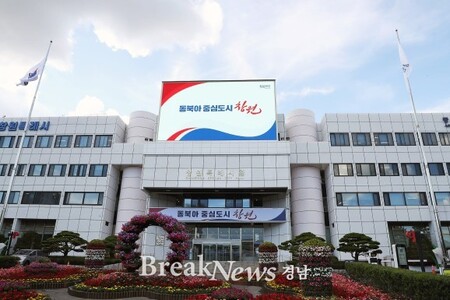
과천시는 과천시 막계동 일원, 공공주택지구 내 면적 약 108,333㎡ (약 32,770평)규모에 2030년까지 자족기능을 갖춘 융복합 도시 조성을 추진하고 있다.
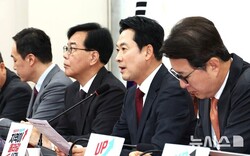
 ▲ 이 프로젝트는 과천시가 단순한 병원 유치를 넘어, 의료·산업·문화가 조화된 자족형 융복합 도시로 발전시키려는 게 핵심 전략이다. 뿐만 아니라 과천시 막계동 특별계획구역 개발사업은 단순한 도시개발을 넘어, 지역 경제 활성화와 도시 경쟁력 강화를 목표로 하고 있다. © 김충열 정치전문기자 |
주요 개발 내용은 대학병원급 종합의료시설과 IT, BT, 나노 등 첨단기업 유치를 위한 첨단산업 클러스터, 세대 공존형 실버타운과 연계된 헬스케어 시설 인 헬스케어타운, 호텔, 영화관 등 편의시설 확충을 위한 문화 및 상업시설 등이 들어설 야심찬 계획을 추진 중이다.
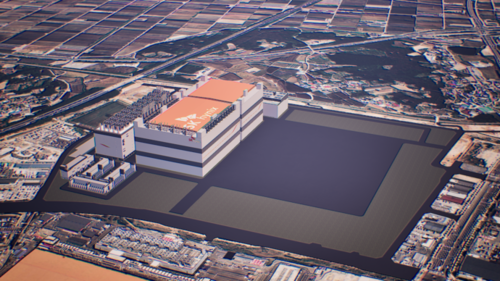
막계동 프로젝트의 입지적 장점은 서울대공원에 인접한 280만 평 이상의 녹지 인프라 활용 가능과 강남권 접근성이 좋아 수도권 중심 입지로 희소가치 높다는 게 장점으로 지적되고 있다.
이 프로젝트는 과천시가 단순한 병원 유치를 넘어, 의료·산업·문화가 조화된 자족형 융복합 도시로 발전시키려는 게 핵심 전략이다. 뿐만 아니라 과천시 막계동 특별계획구역 개발사업은 단순한 도시개발을 넘어, 지역 경제 활성화와 도시 경쟁력 강화를 목표로 하고 있다.
직접적인 경제효과는 예외로 하더라도 간접적인 경제 효과는 일자리 창출, 종합병원, 헬스케어타운, 문화·상업시설 등에서 다수의 고용 유발이 예상된다. 특히 병원 및 클러스터 이용자 유입으로 인근 상권 활성화로 지역 소비가 증가되고 부동산 가치 상승으로 역세권 입지와 서울대공원 인접성으로 인한 토지 및 주택 가치 상승이 기대된다.
과천시 도시 경쟁력 강화
자족도시 기반 마련으로 의료·산업·문화 기능이 융합된 클러스터로 도시 자립도 향상, 기업 유치 효과로 R&D센터, 성장센터 등 중견기업 클러스터 조성으로 기업 활동 증가로 인구 유입을 촉진시켜 2035년까지 인구 약 14만 명, 유동인구 약 12만 명의 증가가 예상되고 있다.
지금까지 과천시 막계동 프로젝트에 참여 의향을 밝힌 차병원, 아주대병원, 넷마블·코웨이 컨소시엄 등이 진출을 준비하고 있다.
 ▲ 막계동 프로젝트의 입지적 장점은 서울대공원에 인접한 280만 평 이상의 녹지 인프라 활용 가능과 강남권 접근성이 좋아 수도권 중심 입지로 희소가치 높다는 게 장점으로 지적되고 있다. (사진 출처, 국토부) © 김충열 정치전문기자 |
의료기관 : 차병원 vs 아주대병원 그리고 넷마블·코웨이
차병원(성광의료재단)과 아주대병원이 1차·2차 공모 모두 참여하고 계열사까지 의향서 제출하여 공식 접수는 안 했지만 컨소시엄 구성 논의 중인 것으로 알려졌다. 차병원은 매우 적극적인 반면에 아주대 병원은 검토단계이다.
차병원은 병상·계열사 확보하고 바이오·헬스케어 중심으로 의료 중심 자족도시를 추구하고 있다. 또한 차병원은 과천 프로젝트에 대한 참여 의지와 준비도가 높고, 계열사와 함께 헬스케어 클러스터를 구축할 수 있는 강점이 있다.
반면, 아주대병원은 과천병원에 앞서 평택 병원 진출이 지연 중이라 과천 병원 동시 추진이 우려되고 있다. 하지만 대학병원 중심, 브랜드 파워는 강하지만 동시다발적 병원 건립에 따른 자금·인력 부담이 변수로 작용할 수 있는 것으로 지적되고 있다.
병원건립방식의 구조적 차이는 차병원은 병원을 직접 건립주체가 되어 컨소시엄 지원금 외 병원자체 재원을 투입해 완공하는 구조인 반면에 아주대병원은 컨소시엄에서 병원 건립 후 아주대에 기부 체납하는 방식으로, 실제로 병원을 운영할 주체인 아주대는 아무런 건립책임도지지 않는 구조이다.
과천시가 우려하는 것은 연세의료원의 송도세브란스 병원이 15년째 개원이 지연되고 있으며, 착공조차 못한 상황에서 애물단지로 전락하고 있는 것을 반면교사로 삼아 제2의 우정병원 전철을 밟지 않기 위해서 노심초사하고 있다.
이와 관련 더불어민주당 홍기원 국회의원(평택시 갑)은 해외출장중이라 보좌관을 통해 ”아주대 병원장을 최근에 만났다. 평택시 입장은 평택병원 추진은 기정사실이다. 건축비 상승 의정갈등 등으로 지연된 것은 맞지만 이 건과 관련하여 8월중으로 병원장과 의논할 계획이다“라고 밝혔다.
국회 정무위 소속 김현정 민주당 대변인(평택시 병)은 ”아주대 입장은 의료원지위유지(수원, 과천, 평택)를 위해 3개 병원을 통해 의료인 순환보직을 추진 중이다“며, ”우리나라에 서울대, 연세대, 고려대에 이어 아주대는 4번째 의료원을 개설하기 위한 방편으로 평택, 과천에 병원 건립을 추진하려 한다“고 설명했다. 과천, 평택 동시 추진에 재정부담은 있지만 국가지원도 생각하고 있다는 견해를 피력했다.
평택시청 최창민 미래전략국장은 ”브레인시티 산단에 아주대 500병상 건립은 확실하다. 막계동 추진과는 별개로 변함없이 행정지원을 할 것이다“라고 분명히 밝혔다.
넷마블·코웨이 컨소시엄은 게임·AI 기반 R&D 중심으로 스마트홈·헬스케어 구독경제 기반한 과천 지식정보타운에 1430억 규모 R&D센터 ‘G-TOWN’ 착공했다. 이 회사는 의료기관과 달리 산업·기술 중심의 자족기능 강화에 기여를 내세우고 있다. 특히 넷마블은 AI 기반 R&D센터를 통해 과천을 첨단산업 허브로 만들 수 있는 잠재력이 크고, 코웨이는 스마트헬스케어 분야에서 의료시설과의 시너지 효과가 기대된다.
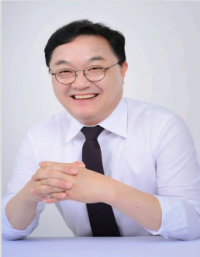
 ▲ 아주대병원은 과천병원에 앞서 평택 병원 진출이 지연 중이라 과천 병원 동시 추진이 우려되고 있다. 하지만 대학병원 중심, 브랜드 파워는 강하지만 동시다발적 병원 건립에 따른 자금·인력 부담이 변수로 작용할 수 있는 것으로 지적되고 있다. © 김충열 정치전문기자 |
과천시민이 원하는 청사진은?
지난 2024년 9월 과천시민회관에서 열린 사업설명회에는 400여명 이상의 시민이 참여하여 좌석이 부족할 정도로 관심이 폭발적이었다. 시민들이 바라는 방향성은 “단순한 병원 유치가 아니라, 의료·산업·헬스케어가 조화된 융복합 도시로 발전하길 원한다”는 게 과천시의 공식 입장이자 시민들의 공감대였다. 특히 종합병원 유치와 첨단산업 클러스터 조성에 대한 기대가 높았다.
과천시민들이 원하는 주요 요구사항은 첫째, 대학병원급 의료시설 유치 즉, 시민들은 응급실을 갖춘 종합병원을 꼭 필요로 하는 숙원 사업 둘째, 헬스케어타운과 세대 공존형 복합시설로 고령화와 가족구조 변화에 따라 실버타운과 헬스케어 연계시설에 대한 관심도 셋째, 첨단산업 중심 도시로의 도약 넷째, 문화·상업시설 확충으로 병원만 있는 도시가 아니라, 호텔·영화관·쇼핑시설 등 생활 인프라도 함께 조성되길 원했다.
과천시 00단체 A모 회장은 “과천시민들은 의료 인프라 확충과 첨단산업 유치가 균형 있게 이루어진 자족형 도시를 원하고 있다”며, “단순한 개발이 아니라, 삶의 질을 높이는 미래형 문화도시 공간을 꿈꾸고 있다.”고 밝혔다.
이름을 밝히기 거부한 6단지에 거주하고 있는 김모(51)씨는 ”과천시는 우정병원 건립에 대한 뼈아픈 경험이 있다. 병원문제 때문에 과천시 명운이 달린 사업이 틀어지지 않기를 희망한다“며, ”무엇보다 제2의 우정병원 전철을 밟지 않아야 한다. 최근 저출생 문제로 대한민국이 위기에 처한 상황에서 아이 낳고 기르기 좋은 과천에 걸 맞는 병원이 건립되길 바란다“고 피력했다.
과천시민들은 한 목소리로 “과천시 발전은 물론 시민의 삶의 질이 높아져야 한다‘며, ”헬스케어타운과 연계한 세대 공존형 실버타운으로 종합병원과 연결되어 고령층 복지 강화하고 액티브 시니어와 청년층이 공존하고 세대 간 소통을 통해 더불어 함께 살아가는 터전이 마련되길 바란다“는 여론이 지배적이었다.
결론적으로 막계동 프로젝트는 과천시 발전을 위해서 단순한 병원 유치가 아니라, 과천시를 수도권의 의료·산업·문화 중심 도시로 도약시키기 위한 자족형 융복합 도시로의 도약이 과천시 발전방향이다. 특히 과천시민들이 요구한 응급의료체계와 시민의 삶의 질을 높이고, 기업과 인재가 모이는 도시로 만드는 것이 궁극적인 목표다.
한편, 과천시 막계동 프로젝트의 최종결정은 오는 8월 19일 접수마감 후 과천시 도시계획심의윈단 56명중 랜덤으로 12명을 최종 선출하여 8월 말경 발표할 것으로 알려졌다. 여기서 우선 협상자가 선정되면 3개월 후쯤 최종 심의를 거쳐 선정될 것으로 알려졌다. 하지만 그 최종결과는 누구도 알 수 없다. hpf21@naver.com
* 아래는 위 기사를 '구글 번역'으로 번역한 영문 기사의 [전문]입니다. '구글번역'은 이해도 높이기를 위해 노력하고 있습니다. 영문 번역에 오류가 있을 수 있음을 전제로 합니다.
*The following is [the full text] of the English article translated by 'Google Translate'. 'Google Translate' is working hard to improve understanding. It is assumed that there may be errors in the English translation.
Gwacheon City's Makgye-dong Special Planning Zone Project: Creating a Cluster Converging High-Tech Industry, Healthcare, and Culture
Gwacheon, a Self-Sufficient Multi-Complex City with the Highest Level of Healthcare and Culture in the Seoul Metropolitan Area
Gwacheon City is pursuing the development of a self-sufficient, multi-complex city by 2030 within a public housing district in Makgye-dong, Gwacheon City, encompassing approximately 108,333 square meters (approximately 32,770 pyeong).
Key developments include an ambitious plan to build comprehensive medical facilities comparable to a university hospital; a high-tech industrial cluster to attract cutting-edge companies in IT, BT, and nanotechnology; a healthcare town linked to a senior center for coexistence of generations; and cultural and commercial facilities to expand amenities such as a hotel and movie theater.
The Makgye-dong project's locational advantages include the availability of over 2.8 million pyeong of green space adjacent to Seoul Grand Park and excellent access to Gangnam, making it a highly desirable location in the heart of the Seoul Metropolitan Area.
The core strategy of this project is to develop Gwacheon City beyond simply hosting a hospital, into a self-sufficient, convergent city harmonizing healthcare, industry, and culture. Furthermore, the Makgye-dong Special Planning Zone Development Project in Gwacheon City aims to go beyond mere urban development and revitalize the local economy and enhance urban competitiveness.
Aside from direct economic impacts, indirect economic impacts are expected to include job creation, employment creation in general hospitals, healthcare towns, and cultural and commercial facilities. In particular, the influx of users from the hospital and clusters is expected to revitalize nearby commercial districts, boosting local consumption. Furthermore, the city's location near subway stations and proximity to Seoul Grand Park is expected to boost land and housing values.
Enhancing Gwacheon City's Urban Competitiveness
By establishing a self-sufficient city foundation, Gwacheon City will foster a cluster that integrates healthcare, industry, and culture, enhancing its self-sufficiency. Furthermore, by attracting businesses, the city will foster a cluster of mid-sized companies, including R&D centers and growth centers, which will increase corporate activity and stimulate population inflow. This is expected to lead to a population increase of approximately 140,000 and a floating population of approximately 120,000 by 2035.
So far, Cha Medical Center, Ajou University Hospital, and the Netmarble-Coway consortium have expressed interest in participating in the Makgye-dong project in Gwacheon City, and are preparing to enter the market.
Medical Institutions: Cha Medical Center vs. Ajou University Hospital and Netmarble-Coway
Cha Medical Center (Sungkwang Medical Foundation) and Ajou University Hospital participated in both the first and second rounds of bidding, and even their affiliates have submitted letters of intent. Although they haven't officially accepted the offer, they are reportedly in discussions to form a consortium. Cha Medical Center is very active, while Ajou University Hospital is only in the review phase.
Cha Medical Center is pursuing a self-sufficient medical city centered on bio and healthcare, securing hospital beds and affiliates. Furthermore, Cha Medical Center is highly committed and prepared to participate in the Gwacheon project, and has the potential to build a healthcare cluster with its affiliates.
Conversely, Ajou University Hospital's Pyeongtaek hospital has been delayed before Gwacheon Hospital, raising concerns about its simultaneous pursuit of the Gwacheon hospital. However, while university hospitals enjoy strong brand power, the financial and human resources burden of simultaneous hospital construction is being pointed out as a potential variable.
The structural difference in the hospital construction methods is that Cha Hospital is the direct builder and completes the hospital using its own funds in addition to consortium support. Meanwhile, Ajou University Hospital is a consortium that builds the hospital and then donates the unpaid debt to Ajou University. Ajou University, which will actually operate the hospital, bears no responsibility for the construction.
Gwacheon City is concerned that Yonsei University Medical Center's Songdo Severance Hospital, which has been delayed for 15 years and has not even begun construction, is becoming a burden. They are eager to avoid the same fate as Woojung Hospital.
In this regard, Democratic Party of Korea lawmaker Hong Ki-won (Pyeongtaek A), currently on an overseas business trip, stated through an aide, "I recently met with the director of Ajou University Hospital. Pyeongtaek City's position is that the Pyeongtaek Hospital project is a done deal. While it's true that there have been delays due to rising construction costs and legislative conflicts, we plan to discuss this matter with the hospital director in August."
Kim Hyun-jung, spokesperson for the Democratic Party of Korea (Pyeongtaek B), a member of the National Assembly's Political Affairs Committee, explained, "Ajou University is pursuing a rotational system for medical staff positions across its three hospitals (Suwon, Gwacheon, and Pyeongtaek) to maintain its status as a medical center." She added, "Ajou University is pursuing the construction of hospitals in Pyeongtaek and Gwacheon as a means of establishing its fourth medical center in Korea, following Seoul National University, Yonsei University, and Korea University." She expressed her view that while pursuing the simultaneous construction of hospitals in Gwacheon and Pyeongtaek would be a financial burden, she is considering government support.
Choi Chang-min, Director of the Future Strategy Bureau at Pyeongtaek City Hall, stated, "The construction of 500 Ajou University beds in the Brain City Industrial Complex is certain. Regardless of the Makgye-dong project, we will continue to provide administrative support."
The Netmarble-Coway consortium has broken ground on "G-TOWN," a 143 billion won R&D center in Gwacheon Knowledge Information Town, a smart home and healthcare subscription economy focused on gaming and AI-based R&D. Unlike medical institutions, the company emphasizes its contribution to strengthening self-sufficiency centered on industry and technology. Netmarble, in particular, sees great potential in transforming Gwacheon into a high-tech industry hub through its AI-based R&D center, while Coway anticipates synergies with medical facilities in the smart healthcare sector.
What blueprint do Gwacheon citizens want?
The business briefing session held at the Gwacheon Citizens' Hall in September 2024 attracted over 400 citizens, generating explosive interest and filling the space. The official position of Gwacheon City and the consensus among citizens was that "we want to develop the city into a convergence hub, harmonizing medicine, industry, and healthcare, rather than simply attracting a hospital." Expectations were particularly high for the attraction of a general hospital and the creation of a high-tech industry cluster.
The key demands of Gwacheon citizens included: first, the attraction of university hospital-level medical facilities. This fulfilled the long-held desire for a general hospital with an emergency room. Second, the establishment of a healthcare town and a multi-generational complex, reflecting the aging population and changing family structures, fostering interest in a senior center and healthcare-related facilities. Third, the city's leap forward as a high-tech industry-centered city. Fourth, the expansion of cultural and commercial facilities, aiming to create a city that goes beyond a hospital-only environment and encompasses living infrastructure such as hotels, movie theaters, and shopping.
A representative of Gwacheon City's 00 Group, identified as A, stated, "Gwacheon citizens want a self-sufficient city that balances the expansion of medical infrastructure with the attraction of cutting-edge industries. They envision a future-oriented cultural city space that enhances quality of life, not simply development."
Kim (51), a resident of Complex 6 who declined to be identified, said, "Gwacheon City has a painful history with the construction of the Woojung Hospital. I hope that the project, which hinges on the city's future, won't be derailed by the hospital's problems." He added, "Above all, we must avoid repeating the same mistakes as Woojung Hospital. With South Korea facing a crisis due to its low birth rate, I hope that a hospital befitting Gwacheon, a place where children can thrive, is built."
Gwacheon citizens unanimously agreed, stating, "Gwacheon City's development must be enhanced, and the quality of life for its citizens must be improved." The prevailing sentiment was, "We hope that a multigenerational silver town, linked to a healthcare town and connected to a general hospital, will strengthen the welfare of the elderly, foster the coexistence of active seniors and young people, and foster intergenerational communication, creating a foundation for coexistence."
In conclusion, the Makgye-dong Project is not simply about attracting a hospital to Gwacheon City's development. It aims to transform Gwacheon into a self-sufficient, convergent city, positioning it as a medical, industrial, and cultural hub in the Seoul metropolitan area. The ultimate goal is to provide the emergency medical system Gwacheon citizens demanded, improve the quality of life for its citizens, and create a city where businesses and talent gather.
Meanwhile, the final decision on the Makgye-dong Project in Gwacheon City will be made around the end of August, after the application deadline of August 19th. Twelve finalists will be selected at random from the 56 members of the Gwacheon City Urban Planning Review Committee. It is reported that an announcement will be made. Once a preferred negotiator is selected, a final review will take place approximately three months later. However, the final outcome remains unknown. hpf21@naver.com