1. 폐쇄 경제 속 ‘보이지 않는 화폐 혁명’의 서막
1990년대 중반, 북한은 ‘고난의 행군’이라 불린 혹독한 경제 붕괴를 겪으며 국가 배급망이 무너졌다. 그 순간, 생존의 해답을 스스로 찾아야 했던 주민들은 주저 없이 장마당으로 향했다. 금지와 단속, 그리고 끊임없는 위험 속에서도, 장마당은 쌀 한 되, 기름 한 병, 신발 한 켤레, 나아가 외부 세계로 통하는 스마트폰과 영상 USB까지 오가는 생존의 무대가 됐다.
평양을 비롯한 도시와 시골 곳곳에 뿌리내린 이 장마당은 비공식 경제이자 주민 개개인의 삶을 지탱하는 ‘그림자 금융권’이었다. 그러나 거래의 심장은 언제나 불안을 안고 뛰었다.
북한 원화의 끝없는 가치 하락과 화폐개혁 실패는 주민들의 신뢰를 송두리째 앗아갔고, 그 자리를 대신한 것은 중국 위안화와 미국 달러였다. 하지만 이 외화조차 현금이라는 물리적 한계를 지니고 있었다. 단속원의 시선, 갑작스러운 압수, 도난의 위험은 지폐를 쥔 손을 무겁게 했다.
일부 상인들은 집 안 깊숙한 은닉처에 돈을 숨기지만, 더 은밀하고 안전한 방법도 존재한다.
바로 신흥자본가는 전혀 모르는 지방의 ‘충성된 집’에 현금을 장기간 맡기는 것이다. 이 집들은 돈주의 친척이나 지인이 아니며, 자본가의 신뢰를 얻어, 매달 일정 금액을 받아 생활이 가능하기 때문에 맡겨진 현금을 충성스럽게 지킨다. 집수리 명목으로 마당을 파고 깊이 묻는 등 은밀한 방식이 사용되며, 이런 ‘보관처’는 한 곳이 아니라 여러 지역에 분산돼 있어 위험을 줄인다.
그렇다면, 이런 제약을 완전히 뛰어넘는 방법이 존재한다면? 스마트폰 속 몇 초의 전송으로 손에 잡히지 않는 ‘디지털 달러’가 장마당에 도착한다면? 물리적 현금 대신 블록체인 상의 데이터가 안전하고 은밀하게 이동한다면, 그리고 이 변화가 장마당을 넘어 북한 사회의 구조와 동북아 금융 질서를 흔든다면?
지금, 북한 장마당에는 ‘보이지 않는 화폐 혁명’의 서막이 열리고 있다. 그것이 바로 스테이블코인이다.
 ▲ 스테이블코인. ©브레이크뉴스 |
2. 스테이블코인과 북한 장마당의 변화
● 현금의 역설 : 장마당이 안고 있는 구조적 한계
1990년대 중반 ‘고난의 행군’은 북한 경제의 결정적 전환점이었다. 국가의 배급망이 붕괴한 뒤, 주민들은 생존을 위해 스스로 거래 공간을 만들었고, 이렇게 장마당이 전국적으로 확산됐다. 초기에는 농민과 노동자가 재배·제작한 물품을 은밀히 교환하는 형태였으나, 2000년대 들어 자유시장의 핵심 인프라로 자리 잡으며 국가가 부분적으로 묵인·관리하는 반공식 경제권으로 성장했다.
오늘날 평양을 비롯해 주요 도시와 농촌 장마당에서는 쌀·옥수수·기름 같은 필수 식량뿐 아니라 의약품, 가전제품, 외국산 스마트폰, USB 영상 콘텐츠까지 거래된다. 그러나 북한 원화는 환율 불안정성과 구매력 하락, 화폐개혁 실패로 신뢰를 상실했고, 중국 위안화와 미국 달러가 거래의 표준 통화가 됐다.
“100달러 지폐 한 장이 집에 있으면, 그날 밤 잠이 오지 않는다.” – 평양 상인 A씨
외화는 가치를 보존하지만 단속·압수·도난 대상이 되기 쉽고, 가족 간 갈등의 원인으로도 작용한다.
● 불안의 일상 : 현금 거래의 위험과 손실
북한 장마당 상인들의 하루는 현금을 지키기 위한 긴장 속에 흐른다. 장사 뒤 귀가길에 단속원에게 붙잡히면 하루 벌이가 순식간에 사라질 수 있어, 속옷·신발 속, 김치독 같은 은닉처에 돈을 숨기는 것은 일상이다.
재고 구입을 위해 달러와 위안을 환전하는 과정에서도 변동 환율과 높은 수수료 탓에 손실이 발생한다. 해외에서 돈을 받는 경우, 브로커와 운반책, 경비 등 여러 단계를 거치느라 실제 받는 금액은 절반 이하로 줄어드는 경우도 흔하다. 이러한 불안과 손실은 현금 의존 구조의 한계를 잘 보여준다.
● 속도와 신뢰의 도입 : 스테이블코인의 잠재력
스테이블코인은 법정화폐와 1:1로 연동되는 디지털 자산으로, 블록체인 기술을 기반으로 빠르고 안전한 거래가 가능하며, 중간 브로커와 환전 단계를 생략해 속도와 비용, 위험을 획기적으로 줄일 수 있는 결제 수단이다.
핵심 장점은 다음과 같다. 결제와 송금이 실시간으로 처리되어 자금 순환이 빨라지고, 상인들은 해외 자금이 도착하자마자 재고 구매 등에 바로 활용해 자금 회전율과 장사 속도, 수익성을 높일 수 있다. 국경 간 결제 시 별도의 환전, 복잡한 중개 단계를 없애 비용과 위험을 절감할 수 있다. 전통 송금 대비 수수료도 훨씬 낮은 1% 이내 수준이며, 일부는 1달러 미만까지 절감된다.
블록체인 기반으로 투명성(모든 거래가 공개 원장에 기록됨), 글로벌 호환성(인터넷만 있으면 누구나 사용), 프로그래밍 가능한 거래(스마트 컨트랙트 활용) 등의 특성을 가진다. 현금이나 카드 결제가 불가능했던 환경이나 은행 접근성이 부족한 지역에서는 전자지갑만으로 디지털 금융 참여가 가능해진다. 해외 공급처와 직접 결제 가능해 희망 품목 다양화 및 원가 절감이 가능하다.
▶일상적 실이익 예시는 다음과 같다. 해외에서 받은 자금이 곧바로 전자지갑에 도착, 이 자금을 재고 구매에 즉시 활용 → 자금 회전율 및 이윤 상승
▶수출입 기업도 수수료와 환율 변동 부담 없이 다양한 국가에서 실시간 정산 및 대금 결제 가능
이와 같은 특징 때문에 글로벌 기업들과 각국 정부, 투자자들이 결제 혁신 및 디지털 경제 인프라 변화의 중심축으로 스테이블코인을 주목하고 있다.
● 이해관계자들의 계산법
▶ 북한 당국의 통제 전략과 한계
북한 당국은 스테이블코인의 확산을 외환 유출과 금융 통제 체제 약화로 이어질 수 있는 중대한 위협으로 보고 있다. 디지털 자산이 통제 밖에서 국경을 넘어 유통되면 체제 유지에 필요한 재정·금융 관리력이 약화된다고 판단한다. 이에 블록체인 접속 차단, 전자지갑 앱 탐지·제거, 거래 기록 추적 강화 등 기술적·제도적 통제책을 병행할 가능성이 크다. 과거 휴대폰과 USB 단속처럼 물리적 단속은 강력할 수 있지만, 블록체인 거래의 익명성과 탈중개성으로 인해 완전한 차단은 어려울 것이라는 한계도 안고 있다. 당국의 기본 입장은 외화 흐름을 철저히 관리해 국가 안정을 지키는 것이다.
▶ 국제사회의 기회와 우려
국제사회는 북한의 디지털 결제 확산을 두고 긍정과 부정 양면을 본다. 긍정적으로는 인도적 지원금이 빠르고 투명하게 전달돼 주민 생활 안정에 기여할 수 있다는 점이 있다. 반면 부정적으로는 국제 제재를 우회하는 통로, 불법 자금 세탁과 밀수 등 범죄 활동의 수단이 될 수 있다는 우려가 크다. 이런 이유로 유엔, 미국 등은 디지털 자산 관련 거래를 추적·감시하고 차단할 수 있는 국제 공조와 기술적 대응을 강화하는 방향을 검토하고 있다.
▶ 중국의 상황별 유연 대응
중국은 북한과의 접경 지역 거래·송금에 대해 유연하면서도 선택적인 대응을 할 가능성이 높다. 가족 간 소액 송금 등 인도적·생활적 필요성이 인정되는 경우에는 사실상 묵인하지만, 대규모 거래나 정치적으로 민감한 사안에서는 단속과 통제를 강화할 수 있다. 접경 지역 경제와 인적 네트워크의 특성을 반영해, 실질적 이익과 위험을 균형 있게 조율하는 전략을 쓸 것으로 전망된다.
● 다가올 장면 : 2028년 디지털 장마당
아침 6시, 평양 장마당의 한 상인은 단둥에 있는 형부로부터 300 USDT를 전송받는다. 소요 시간은 18초. 현금을 숨기거나 환전상의 수수료를 감수할 필요 없이 곧바로 중국 도매상에 식용유와 라면을 주문한다. 점심 전 화물차가 도착해 진열대가 채워지고 장사는 활기를 띤다.
한편 국경경비대는 블록체인 모니터링 프로그램으로 이 거래를 포착하지만 익명 지갑 주소 벽 앞에서 추적이 멈춘다. 장마당은 현금에서 데이터로, 은닉에서 개방으로 변모해간다.
3. 장마당에서 시작되는 미래, 한반도를 흔들다
스테이블코인은 단순히 새로운 결제 방식이 아니다. 그것은 북한 장마당이라는 제한된 경제권 안에서, 시간과 비용, 위험이라는 세 겹의 벽을 단숨에 허무는 ‘속도와 신뢰의 도구’다. 보이지 않는 데이터 형태의 돈은 더 이상 단속원에게 압수당하지 않고, 국경의 물리적 장벽을 몇 초 만에 뛰어넘는다. 이는 평양의 한 상인에게는 장사 속도를 두 배로 끌어올릴 수 있는 무기이고, 국경 밖 가족에게는 사랑하는 이를 실시간으로 돕는 다리이며, 외부 세계를 향한 작은 창이 된다.
그러나 모든 혁신이 그렇듯, 이 변화는 양날의 검이다. 스테이블코인은 주민에게는 안전과 효율을, 정권에는 통제 약화의 공포를, 국제사회에는 인도적 지원의 기회이자 제재 무력화의 위협을 안긴다. 북한 당국은 이를 막으려 기술과 정책을 동원하겠지만, 완전한 차단은 어려울 것이다. 이는 곧 해방과 통제, 개방과 차단이 맞붙는 새로운 전장이다.
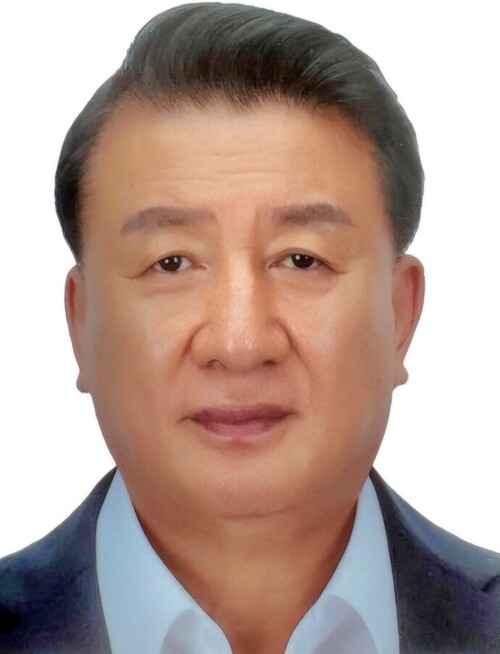
 ▲ 필자/곽인옥 교수. ©브레이크뉴스 |
미래를 내다보면, 장마당의 디지털화는 필연적으로 외부 세계와의 연결 고리를 넓히게 된다. 그 과정에서 북한 사회는 조심스럽게 변화하고, 동북아 금융 질서와 대북 정책도 이에 맞춰 재편될 수밖에 없다. 이 흐름이 장기화된다면, 그것은 단지 ‘장마당 안의 거래 혁신’이 아니라, 한반도의 권력 구조와 국제 관계까지 흔드는 조용한 혁명이 될 것이다.
오늘 장마당 상인의 손끝에서 시작된 디지털 송금이, 내일은 북한 전역과 국경을 넘어 흐르며, 궁극적으로는 폐쇄된 사회에 점진적이지만 거스를 수 없는 개방을 불러올 수 있다.
그날, 장마당은 더 이상 북한 내부만의 시장이 아니라, 세계와 호흡하는 거대한 네트워크의 한 노드가 되어 있을 것이다.
*필자/곽인옥 교수.
*아래는 위 기사를 '구글 번역'으로 번역한 영문 기사의 [전문]입니다. '구글번역'은 이해도 높이기를 위해 노력하고 있습니다. 영문 번역에 오류가 있을 수 있음을 전제로 합니다.<*The following is [the full text] of the English article translated by 'Google Translate'. 'Google Translate' is working hard to improve understanding. It is assumed that there may be errors in the English translation.>
[Pyongyang Market Economy Report] Digital Dollar: Potential to Change the North Korean Market
Economic and Political Implications of Stablecoins
-Professor Kwak In-ok
1. The Prelude to an "Invisible Currency Revolution" in a Closed Economy
In the mid-1990s, North Korea suffered a severe economic collapse known as the "Arduous March," and the national distribution system collapsed. At that moment, citizens, forced to find their own way to survive, turned without hesitation to the market. Despite prohibitions, crackdowns, and constant danger, the market became a haven for survival, where everything from a doe of rice to a bottle of oil to a pair of shoes, even smartphones and USB drives connecting to the outside world, could be traded.
Traditionally rooted in Pyongyang and other cities and rural areas, these markets served as an unofficial economy and a "shadow financial sector" that supported the lives of individual residents. However, the heart of these transactions constantly beat with anxiety. The endless devaluation of the North Korean won and the failure of the currency reform eroded the trust of the North Korean people, and the Chinese yuan and US dollars replaced them. However, even these foreign currencies had the physical limitations of being cash. The stares of security guards, the risk of sudden confiscation, and theft weighed heavily on the hands of those holding banknotes.
Some merchants hid their money in hidden places deep within their homes, but there were also more discreet and secure methods.
These were long-term deposits of cash with "loyal houses" in rural areas, completely unknown to the new capitalists. These houses, not relatives or acquaintances of the donju, earned the trust of the capitalists and, thanks to a fixed monthly payment that enabled them to live, loyally guarded the entrusted cash. They employed covert methods, such as digging up yards and burying them deep under the pretext of home repairs. These "storage places" were not located in a single location, but rather in multiple locations, reducing risk.
So, what if there was a way to completely overcome these limitations? What if an intangible "digital dollar" arrives at the marketplace in a few seconds on a smartphone? What if data on a blockchain, instead of physical cash, moves securely and secretly? And what if this change goes beyond the marketplace and shakes the very fabric of North Korean society and the financial order of Northeast Asia?
Right now, the prelude to an "invisible currency revolution" is dawning in North Korea's marketplaces. This is stablecoins.
2. Stablecoins and the Transformation of North Korea's Markets
● The Paradox of Cash: The Structural Limitations of the Markets
The "Arduous March" of the mid-1990s marked a critical turning point for the North Korean economy. After the collapse of the state distribution network, residents created their own trading spaces to survive, leading to the nationwide proliferation of markets. Initially, they were clandestine exchanges of goods grown and produced by farmers and workers. However, by the 2000s, they had become a core infrastructure of the free market, growing into a semi-official economic zone partially sanctioned and managed by the state. Today, markets in Pyongyang, major cities, and rural areas trade not only essential foods like rice, corn, and oil, but also medicine, home appliances, foreign smartphones, and USB video content. However, the North Korean won has lost credibility due to exchange rate instability, declining purchasing power, and the failure of the currency reform, and the Chinese yuan and US dollar have become the standard currencies for transactions.
"If I have a $100 bill at home, I can't sleep at night." – Pyongyang merchant A
Foreign currency retains its value, but it's also vulnerable to crackdowns, confiscation, and theft, and can even be a source of family conflict.
● A Daily Life of Anxiety: The Risks and Losses of Cash Transactions
The days of North Korean market merchants are filled with the tension of protecting their cash. Being caught by security guards on the way home after trading can wipe out their daily earnings, so hiding money in undergarments, shoes, and kimchi jars is commonplace.
Exchanging dollars and yuan for inventory also incurs losses due to fluctuating exchange rates and high fees. When receiving money from overseas, the actual amount received is often reduced by more than half due to the multiple steps involved, including brokers, carriers, and security guards. This anxiety and loss clearly demonstrates the limitations of a cash-dependent structure.
● Introducing Speed and Trust: The Potential of Stablecoins
Stablecoins are digital assets pegged 1:1 to fiat currencies. Based on blockchain technology, stablecoins enable fast and secure transactions. By eliminating intermediaries and currency exchange, they are a payment method that dramatically reduces speed, costs, and risks.
Key advantages include: Real-time processing of payments and remittances accelerates fund circulation. Merchants can immediately use overseas funds to purchase inventory and other items upon arrival, increasing cash flow, business speed, and profitability. Cross-border payments eliminate separate currency exchanges and complex intermediaries, reducing costs and risks. Fees are also significantly lower than traditional remittances, at less than 1%, and in some cases, even below $1.
Based on blockchain technology, stablecoins offer transparency (all transactions are recorded on a public ledger), global compatibility (anyone with an internet connection can use them), and programmable transactions (using smart contracts). In environments where cash or card payments were unavailable or where banking access was limited, digital financial participation is now possible with just an e-wallet. Direct payments with overseas suppliers allow for a wider variety of desired products and cost savings.
▶ Examples of practical benefits include: Funds received overseas arrive immediately in the e-wallet, which can be used immediately to purchase inventory → Increased cash flow and profits.
▶ Import and export companies can also conduct real-time settlements and payments in various countries without the burden of fees and exchange rate fluctuations.
Because of these features, global companies, governments, and investors are focusing on stablecoins as a central pillar of payment innovation and digital economy infrastructure transformation.
● Stakeholders' Calculation Methods
▶ North Korean Authorities' Control Strategy and Limitations
North Korean authorities view the proliferation of stablecoins as a significant threat, potentially leading to foreign exchange outflows and a weakening of the financial control system. They believe that if digital assets circulate beyond their control and cross borders, the fiscal and financial management necessary to maintain the regime will be weakened. Therefore, they are likely to implement technical and institutional control measures, such as blocking blockchain access, detecting and removing e-wallet apps, and strengthening transaction record tracking. While physical crackdowns, like those used in the past to crack down on mobile phones and USB drives, can be powerful, the anonymity and disintermediation of blockchain transactions make complete blocking difficult. The authorities' fundamental position is to maintain national stability by thoroughly managing foreign currency flows.
▶ Opportunities and Concerns of the International Community
The international community views the proliferation of digital payments in North Korea as both positive and negative. On the positive side, it offers the potential for humanitarian aid to be delivered quickly and transparently, contributing to the stability of the people's livelihoods. On the negative side, there are growing concerns that it could serve as a conduit for circumventing international sanctions and a means for criminal activities such as money laundering and smuggling. For these reasons, the UN, the US, and others are considering strengthening international cooperation and technological responses to track, monitor, and block digital asset transactions.
▶ China's Flexible Response to Situations
China is likely to adopt a flexible yet selective approach to transactions and remittances in border areas with North Korea. While it will effectively tolerate small-sum remittances between family members for humanitarian or livelihood reasons, it may intensify crackdowns and controls on large-scale transactions or politically sensitive matters. Reflecting the characteristics of the border region's economy and human networks, it is expected that a strategy will be adopted that balances tangible benefits and risks.
● Upcoming Scene: The Digital Market in 2028
At 6 a.m., a merchant in the Pyongyang market receives a 300 USDT transfer from his brother-in-law in Dandong. The transaction takes 18 seconds. Without having to hide the cash or incur currency exchange fees, he immediately orders cooking oil and ramen from a Chinese wholesaler. Before lunchtime, a truck arrives, restocking shelves, and business booms.
Meanwhile, border guards capture this transaction using a blockchain monitoring program, but their tracking stops at a wall of anonymous wallet addresses. The market is transforming from cash to data, from concealment to openness.
3. The Future Begins in the Market, Shaking the Korean Peninsula
Stablecoins are not simply a new payment method. It's a "tool of speed and trust" that instantly breaks down the triple barriers of time, cost, and risk within the limited economic sphere of North Korea's marketplace. Money, in the form of invisible data, is no longer confiscated by law enforcement and can leap over the physical border barrier in seconds. For a merchant in Pyongyang, it's a weapon that can double the speed of business. For a family outside the border, it's a bridge to help loved ones in real time, and a small window to the outside world.
However, like all innovations, this change is a double-edged sword. Stablecoins offer residents security and efficiency, the regime fears weakened control, and the international community both opportunities for humanitarian aid and the threat of sanctions dismantlement. The North Korean authorities will deploy technology and policies to prevent this, but complete blocking will be difficult. This is a new battlefield where liberation and control, openness and isolation, collide.
Looking to the future, the digitalization of the marketplace will inevitably broaden its connections with the outside world. In the process, North Korean society will cautiously transform, and the Northeast Asian financial order and North Korea policy will inevitably be restructured accordingly. If this trend continues, it will not simply be a "transaction innovation within the marketplace," but a quiet revolution that will shake up the power structure and international relations on the Korean Peninsula.
The digital remittances that begin today at the fingertips of marketplace merchants could flow throughout North Korea and across its borders tomorrow, ultimately bringing about a gradual but irreversible opening of this closed society.
On that day, the marketplace will no longer be a market solely within North Korea, but a node in a vast network that interacts with the world.
*Author: Professor Kwak In-ok