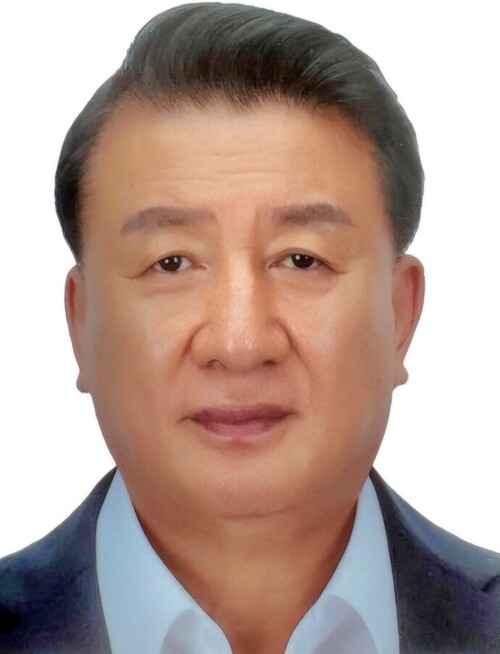
▲ 예수병원이 도내 최초로 처음으로 부정맥 환자를 대상으로 초소형 무전극성 심박동기 '마이크라(Micra)' 시술 50례를 달성했다. (C) 김현종 기자 |
전북 전주 예수병원 심장혈관센터가 도내 처음으로 부정맥 환자를 대상으로 초소형 무전극성 심박동기 '마이크라(Micra)' 시술 50례를 달성했다.
예수병원은 지난 2023년부터 꾸준하게 부정맥 환자에게 시술이 안정적으로 이뤄져 성공률 100%를 기록하며 시술의 안전성과 유효성이 입증됐다고 29일 밝혔다.
부정맥은 심장의 수축과 이완을 담당하는 심장근육에 비정상적인 전기적 신호가 전달돼 발생한다.
중증도와 환자의 기저질환 상태에 따라 필요한 심박동기 종류가 다양하게 결정된다.
전통적인 인공심박동기는 흉부 피부를 절개해 본체와 전선을 삽입하는 방식으로 감염이나 출혈 등 부작용 위험이 있었다.
하지만, 부정맥 시술 발전을 앞당긴 초소형 무전극성 심박동기는 마이크라는 길이 2.6cm에 불과한 초소형 심박동기로 알약과 비슷한 크기다.
대퇴혈관을 통해 스텐트를 삽입하듯 카테터를 심장 우심실에 직접 부착하기 때문에 피부 절개가 필요 없다.
특히 본체가 외관상 드러나지 않고 피부 절개나 전선이 없어 감염이나 혈관 합병증 발생 위험이 기존 심박동기에 비해 가능성이 적다.
절개나 장시간 시술에 부담이 있는 고령 환자와 출혈 위험이 높은 기저질환 환자ㆍ기존 심박동기 삽입 부위 감염으로 재시술이 필요한 환자에게 효과적인 치료법으로 평가받고 있다.
시술 후 기기 위치 변경이나 재시술이 필요한 사례는 단 한 건도 발생하지 않았다.
평균 시술 시간도 30분 미만으로 기존 심박동기보다 50% 이상 단축됐다.
예수병원 순환기내과 김선화 과장은 "'마이크라'를 사용하면 기존 박동기 부위 감염이나 전선 문제 등으로 일상생활에 어려움을 겪던 환자도 합병증 낮고 그만큼 회복이 빠르다"며 "감염ㆍ출혈 위험성이 높거나 기존 심박동기 시술이 부담스러운 부정맥 환자에게 마이크라 심박동기는 삶의 질 개선 및 합병증 예방에 효과적인 치료법으로 인정받고 있다"고 말했다.
☞ 아래는 위 기사를 구글 번역이 번역한 영문 기사의 '전문' 입니다.
구글 번역은 이해도를 높이기 위해 노력하고 있으며 영문 번역에 오류가 있음을 전제로 합니다.
【Below is the 'full text' of the English article translated by Google Translate.
Google Translate is working hard to improve understanding, and assumes that there are errors in the English translation.】
Yesu Hospital achieves first 50 cases in Jeonbuk
Miniature non-polar pacemaker implantation… Improving patients' quality of life
Reporter Kim Hyun-jong
The Cardiovascular Center at Jeonju Presbyterian Hospital in Jeollabuk-do Province has become the first in the province to perform 50 procedures using the ultra-small, non-polar pacemaker 'Micra'for arrhythmia patients.
Presbyterian Hospital announced on the 29th that it has consistently performed these procedures on arrhythmia patients since 2023, achieving a 100% success rate and proving the safety and efficacy of the procedure.
Arrhythmias are caused by abnormal electrical signals transmitted to the cardiac muscle, which is responsible for contraction and relaxation of the heart.
The type of pacemaker required varies depending on the severity of the condition and the patient's underlying medical condition.
Traditional pacemakers require an incision in the chest to insert the device and wires, which carries the risk of complications such as infection and bleeding.
However, the micro-electrode pacemaker, called the MICRO, which has accelerated the development of arrhythmia treatment, is a tiny pacemaker measuring just 2.6 cm in length, similar to a pill.
It eliminates the need for a skin incision because the catheter is directly attached to the right ventricle of the heart, much like a stent is inserted through the femoral artery.
In particular, because the device is invisible and there are no skin incisions or wires, the risk of infection or vascular complications is lower than with existing pacemakers.
It is considered an effective treatment for elderly patients who are burdened by incisions or long procedures, patients with underlying conditions that increase the risk of bleeding, and patients who require repeat pacemaker insertion site infection.
There have been no cases requiring device repositioning or repeat procedures after the procedure.
The average procedure time is less than 30 minutes, which is more than 50% shorter than with existing pacemakers.
Kim Seon-hwa, head of the Department of Cardiology at Yesu Hospital, said, "If you use 'Micra', patients who had difficulties in their daily lives due to infections or wire problems at the pacemaker site can recover quickly with fewer complications."
He added, "For patients with arrhythmia who have a high risk of infection or bleeding or who find conventional pacemaker procedures burdensome, the Micra pacemaker is recognized as an effective treatment for improving quality of life and preventing complications."
원본 기사 보기:브레이크뉴스 전북판