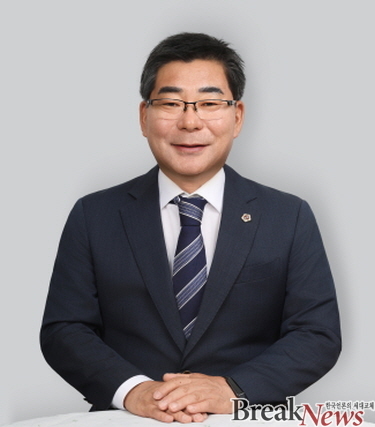
▲ 정길선 박사 ©브레이크뉴스 |
차베스는 한 때, 베네수엘라의 구세주이면서 미국에 대항하는 지도자로 평가받았으나 그의 사후 미국의 경제제재 및 그의 갖은 실정으로 축적한 문제점들이 폭발하여 베네수엘라가 아이티를 제외하면 라틴아메리카 최악의 경제가 파탄된 국가로 전락했다. 그로 인해 차베스는 전 세계적으로 포퓰리즘의 반면교사를 언급할 때 반드시 나타나는 무능한 독재자로 평가받고 있다. 이와 같은 차베스의 통치는 기본적으로 국민들의 지지를 얻는 대중 독재의 방식을 취하고 있다. 우선 쿠데타로 정계에 등장했다는 부분이 있고, 쿠데타가 실패했음에도 불구하고 대중의 인기를 끌어 순식간에 선거로 권력을 쟁취하고 대중 독재를 했다는 부분에서 권력 장악의 과정은 히틀러가 권력을 쟁취하는 과정과 매우 유사하다. 실제로 차베스가 사망한지 14년이 지난 현재, 친미 성향을 갖고 있는 후안 과이도(Juan Guaidó)보다 친(親) 차베스 성향을 갖고 있는 니콜라스 마두로가 인기가 더 높은 것은 다 이유가 있는 것이다. 기본적으로 볼 때, 민주 사회에서 국민의 지지를 얻는 정책 기조는 당연한 일이다.
그러나 문제는 그 다수의 지지라는 명목하에 잦은 국민투표를 벌여 헌법을 고치고 대통령 직의 권한을 강화하는 등 대중 독재의 행보를 보였다는 것에 있다. 그러나 이와 같은 대중 독재도 민주주의 사회에서 마냥 비판할 수 없다. 자국 국민에게 도움을 주고 국가를 성장시켰다면 대중 독재여도 국민이 그를 원했기 때문에 마냥 비판받아야 할 문제는 아니라는 것이다. 그러나 차베스의 대중 독재는 부정부패에 이은 권력욕과 국가에 나락에 빠뜨렸다는 것에 있다. 베네수엘라는 세계에서 유일하게 국민 소환 투표제(Votación revocatoria nacional)가 있는 국가다. 그래서 국민이 대통령을 직접 탄핵하는 것도 가능한 국가가 베네수엘라다. 그러나 실현 가능성은 매우 낮은 편이다. 2004년에 이미 국민 소환 투표가 이루어진 전래가 있었으나 이는 부결되었다. 차베스의 경제 정책을 보자면 기본적으로 베네수엘라의 자원을 팔며 복지를 확충하는 것에만 신경을 썼다. 이는 본질적인 국가 경제 체제의 개선은 무시하는 결과를 가져오게 되었고, 장기적인 관점으로 볼 때 베네수엘라의 경제가 완전히 절망적인 수준으로 멸망하는 결정적인 원인이 되었다.
차베스가 살아있을 때부터 이와 같은 포퓰리즘과 반미 정책으로 인해 많은 사람들의 우려했다. 그러나 베네수엘라 국민들이 차베스를 지지한 끝에 차베스의 연합사회당 정권을 계속 이어갔다. 그리고 차베스 사후 미국의 경제 제재와 셰일가스를 만들어 냄으로 인해 유가가 떨어지자 석유에 모든 것을 올인했던 베네수엘라의 경제는 수습이 불가능할 정도로 나락으로 떨어지게 된다. 차베스는 폭력적인 독재자인 히틀러와 반대의 의미를 지닌 포퓰리즘과 포퓰리즘의 달콤한 유혹을 벗어나지 못한 성숙하지 않은 민주주의의 한계를 보여주게 된 미개한 국민들, 그리고 가장 극단적이면서 파괴적인 사례로 자리매김하게 되었다. 차베스가 석유로 얻는 부를 가난한 자들에게 나눠 주었고, 이에 자본가들 및 국내 기업가들과 대립해 베네수엘라의 개혁에 실패했다는 논리도 존재하고 있다. 그러나 이러한 자본가들과 기업가들이 그 정도로 국가 베네수엘라 경제를 움직일 수 있는 힘이 있다면 그들을 달래서 협조를 이끌어내야 하는 것이 상식이다. 그런데 차베스는 대놓고 이들 기업가들과 완전히 적대하는 어리석은 정책을 폈다.
더불어 차베스의 반대파들은 단순히 자본가 뿐만이 아니라 상당수의 중산층이 포함된 광범위한 집단이 결속되어 있었다. 차베스 정권은 국민의 절반을 완전히 적으로 만들고 절반의 국민만을 위한 정권으로 존재했다. 차베스는 자원에 의존 하는 것을 막고 새로운 대체 경제를 도입하기 위해 뽑혔지만 무려 15년에 달하는 4차례의 임기 동안 집권했음에도 실패했다. 차베스의 사후 그의 뒤를 이은 정치 세력이 차베스와 유사한 정책을 펴고 있음에도 베네수엘라 하층민들의 경제 상황은 여전히 가난한 것은 똑같았다. 이는 갑자기 돈을 손에 쥐게 된 하층민들의 소비가 엄청났고, 이러한 국민성은 그들이 여전히 하층민일 수밖에 없는 이유가 되었다. 이처럼 지도자 한 사람이 이끌고 가는 정책 성과가 결국 국가 구조 자체의 개선에 실패했다. 베네수엘라가 실패한 원인은 국가 자체에서 나타난 고질적인 문제 뿐만 아니라, 포퓰리즘의 젖어 생업은 하지 않고, 국가가 주는 돈으로 소비만 일삼는 저열한 국민성, 차베스의 정책과 노선 자체의 근본적 한계 등이 현재의 빈곤한 베네수엘라를 만들었다.
베네수엘라의 몰락은 저유가 때문이지 경제 정책 때문이 아니라는 주장도 존재한다. 그러나 세계 경제는 많은 극심한 변화를 겪기 마련이고, 정부는 이러한 급변하는 상황에 항상 대비하고 있어야만 한다. 차베스는 막대한 무역 수지 흑자 시대를 겪고 이러한 흑자 시기가 끝나는 시대도 겪었다. 이를 기반으로 삼아 산업을 고도화 하지 않았으며 자원에 대한 의존도 더욱 높였다. 이는 차베스가 사망한 이후에 발생했고 마두로의 책임이라는 이야기도 있지만 이미 차베스 말기 때부터 그러한 균열은 발생했던 상황이었다. 게다가 외교 정책 또한 반미와 반서방 일변도를 강조했다. 그러나 중국, 러시아와 거리가 멀기에 반미와 반서방 일변도는 오하려 라틴 아메리카 내에서 스스로 고립화를 가져왔다. 차베스는 특유의 거침없는 말투와 욕 내뱉기를 좋아하는 성격을 지녔고, 특히 공적, 사적으로도 미국과 쌓인 감정이 많기 때문에 미국을 자주 도발했다. 미국 남부 지역이 카트리나 허리케인으로 인해 막대한 피해를 입자 미국을 위해 지원금 좀 보내주자고 주장해 실제로 지원금을 보내기도 했다.
또한 후에 CITGO를 통해 미국 북부 저소득층 가정에 난방용 석유를 지원하기도 했다. 적국이면서도 미국 정부를 싫어할 뿐이지 일반 미국 시민은 미국 정부와 별개로 여겨 그다지 싫어하지 않은 모양이다. UN 연설문에서 전 미국 대통령 조지 W. 부시를 대놓고 이라크를 침공한 악마라 비난했다. 그 전날 부시가 연설했다는 점을 이용하여 "이라크 사막에서의 유황 냄새가 가시지 않았다(El olor a azufre persistía en el desierto iraquí)" 라며 부시를 조롱했다. 반면 버락 오바마는 악마가 아니라고 하면서 책을 선물로 주어 우호감을 표시했다. 그러나 2010년 2월 13일, 육, 해병대 6,000명 이상, UAV 다수, IED에 대응하기 위한 다수의 폭발물 제거차량, 아파치 헬기 등 대규모 병력을 동원해 아프가니스탄에Operation Moshtarak을 개시하자 다시 오바마에게 실망했다고 발언했다. 차베스는 미국 다음으로 콜롬비아를 강하게 비난했다. 이는 반미, 반서방을 추구하는 자국의 이념 성향과 맞추지 않는다는 이유여서였다. 그는 콜롬비아의 대통령을 미국의 하수인이라고 멸칭했으며 콜롬비아에 대해 수많은 비난의 언행을 남겼다.
그러다가 2010년 8월, 후안 마누엘 산토스(Juan Manuel Santos) 대통령이 취임하자, 그는 여기에 축전을 보내며 가까스로 콜롬비아와 화해했다. 천안함이 북한의 공격으로 침몰하자 전 세계가 북한을 규탄하는 가운데 혼자서 미국의 소행이라고 미국을 비난하는 기행을 벌이기도 했다. 그는 쿠바의 카스트로, 이란의 마무드 아마디네자드, 알리 하메네이, 시리아의 바샤르 알 아사드, 짐바브웨의 로버트 무가베, 벨라루스 알렉산드르 루카셴코, 리비아의 무아마르 카다피, 심지어는 당시 국제적으로 고립된 상태였던 이라크의 사담 후세인까지 북한을 제외한 전 세계 반미 지도자들은 모두 만나면서 친분을 과시했다. 다만, 차베스의 반미외교는 진정성 없이 그저 반항적이며 충동적이라는 주장도 있다. 이는 당시 차베스의 집권 기간 중에 대미 무역량이 줄어들지 않았고 오히려 늘어나는 모습까지 보였기 때문이다. 이는 베네수엘라 경제가 차베스 정권 때 대미 무역 의존도는 전혀 개선되지 않았고 오히려 심화되었다는 것이다. 실제로 차베스 이후로도 맥도날드나 코카콜라 같은 미국 기업이 철수하지 않고 성황리에 영업하기도 했다.
한편으로는 반미외교를 펼치면서도 중남미 각국에 석유를 지원하며 영향력을 강화했으며 특히 볼리비아의 에보 모랄레스(Evo Morales)와 에콰도르의 라파엘 코레아(Rafael Correa)가 당선되는데 도움을 주기도 했다. 후일 차베스가 사망한 이후, 콜롬비아 마르크스주의 게릴라 세력들과 협력해 미국 사회에 코카인을 뿌리라고 지시했다는 사실이 밝혀졌다. 월스트리트저널(WSJ)에 의하면 차베스 전 대통령이 지난 2005년 콜롬비아 무장 혁명군(FARC)의 도움을 받아 미국 사회에 코카인을 대량으로 유통 시킬 계획을 논의하기 위해 고위 관료들을 소집했다. 지난 2012년 미국으로 도피한 아폰테는 미국 마약단속국(DDA)에 차베스는 당시 회의에서 코카인을 미국 사회에 뿌리는 것을 포함해 미국과 사투를 벌이기 위한 정책 목표들을 촉진하라고 관료들을 압박했다고 했다. 미국 검찰은 스페인 법원에 차베스 정권에서 군 정보 당국을 이끌었던 우고 카르바할(Hugo Karbahal) 의 신병 인도를 요구하는 과정에서 이 문건을 작성했다. 미국은 지난 2008년 마약 밀매 혐의로 카르바할을 기소했는데, 몰래 숨어지내던 카르바할이 스페인에서 위조 여권을 사용하다 체포되자 범죄인 송환을 스페인 측에 요청하기 위해 이 같은 사실의 문건을 작성한 것이다.
차베스의 최측근인 카르바할은 당시 회의에 참석한 고위급 관료 중 하나였다. 스페인 현지 언론 엘 문도는 차베스와 군부 고위 관료, 사법 관료 등으로 구성된 베네수엘라 핵심 지도층들은 콜롬비아에서 베네수엘라를 거쳐 미국으로 유입되는 코카인의 이동을 수월하게 만들기 위해 협력했다고 했다. 차베스 정권은 콜롬비아 카르텔들을 이 같은 계획의 동맹군으로 포섭하기 위해 마약 수익을 나누는 한편 이들 반군들에게 무기를 직접 제공하는 방안도 논의했던 것으로 알려졌다. 당시 미국 법원 측은 코카인이 미국의 해안 지대 등 특정 지역으로만 들어갔다면 이와 같은 문서들이 공개되지 않았겠지만 베네수엘라 당국의 획책으로 인해 실제 미국 사회에서 마약 밀매가 크게 활성화됐다고 주장했다. 실제로 카르바할의 기소장에는 태양의 카르텔(베네수엘라 군부가 운영하는 마약사업 카르텔)의 목표는 단순히 회원들을 부유하게 만드는 일을 넘어 코카인을 대미 항전을 위한 ‘무기’로 사용하는 것이었다고 했다. 이는 약물이 복용자 개인에게 미치는 부작용은 물론 광범위한 사회적 폐해를 일으킬 수 있다는 점을 고려한 술책이라 적시했다.
따라서 라틴 아메리카 좌파 포퓰리스트의 상징인 차베스가 국제 마약 밀매 유통망에서 어떤 역할을 했는지 처음으로 그 윤곽이 드러났다고 했다. 트럼프가 베네수엘라에 마약 카르텔 소탕 등은 이 같은 차베스 정권의 마약 밀매 및 카르텔과 관련된 범죄 행위를 두고 마두로 정권을 축출하기 위한 명분으로 삼았다는 것을 알 수 있다.
*필자/ 정길선.
노바토포스 회원, 역사학자, 고고인류학자, 칼럼니스트, 러시아 과학아카데미 유라시아 고고인류학연구소 연구교수.
*아래는 위 기사를 '구글 번역'으로 번역한 영문 기사의 [전문]입니다. '구글번역'은 이해도 높이기를 위해 노력하고 있습니다. 영문 번역에 오류가 있을 수 있음을 전제로 합니다.<*The following is [the full text] of the English article translated by 'Google Translate'. 'Google Translate' is working hard to improve understanding. It is assumed that there may be errors in the English translation.>
Hugo Chávez, the Man Who Made Venezuela an Anti-American Nation - (Part 2)
Columnist Gil-seon Jeong
Chávez was once considered Venezuela's savior and a leader who opposed the United States. However, after his death, US economic sanctions and the accumulated problems caused by his various mismanagement exploded, leaving Venezuela with the worst economic collapse in Latin America, excluding Haiti. Consequently, Chávez is often seen as an incompetent dictator, a constant reference to the negative aspects of populism. Chávez's rule fundamentally relied on a popular dictatorship, garnering popular support. First, he entered politics through a coup d'état. Despite the coup's failure, he quickly seized power through elections, establishing a popular dictatorship. This process of seizing power bears a striking resemblance to Hitler's rise to power. Indeed, 14 years after Chávez's death, Nicolás Maduro, with his pro-Cávez stance, is more popular than Juan Guaidó, with his pro-American leanings, and there's a reason for that. Fundamentally, in a democratic society, it's natural for policymakers to seek popular support.
However, the problem lies in the fact that, in the name of this popular support, he has repeatedly held referendums to amend the constitution and strengthen the power of the presidency, demonstrating a form of populist dictatorship. However, such populist dictatorships cannot be simply criticized in a democratic society. If a dictatorship has helped its citizens and fostered national growth, it shouldn't be criticized simply because the people wanted it. However, Chávez's populist dictatorship stemmed from his lust for power, which was followed by corruption and led to the country's downfall. Venezuela is the only country in the world with a national recall election system. Venezuela is a country where citizens can directly impeach their president. However, the likelihood of this happening is extremely low. A recall referendum was held in 2004, but was defeated. Chavez's economic policies primarily focused on expanding welfare by selling Venezuela's resources. This neglected fundamental improvements to the national economic system, and in the long term, it became a decisive factor in the complete and hopeless collapse of the Venezuelan economy.
Even during Chavez's lifetime, his populist and anti-American policies raised concerns among many. However, the Venezuelan people supported Chavez, allowing his United Socialist Party to continue in power. After Chavez's death, US economic sanctions and the development of shale gas caused oil prices to plummet, sending Venezuela's economy, which had been betting heavily on oil, into an irreversible abyss. Chávez has become a prime example of the limitations of an immature democracy, unable to escape the sweet temptations of populism, a populism that carries the opposite meaning of a violent dictator like Hitler, and an uncivilized people who have failed to overcome the temptations of populism. Some argue that Chávez distributed oil wealth to the poor, thereby clashing with capitalists and domestic entrepreneurs, and thus failed to reform Venezuela. However, if these capitalists and entrepreneurs possess such power to drive the Venezuelan economy, it would be reasonable to appease them and encourage their cooperation. Instead, Chávez pursued a foolish policy of openly and completely opposing these entrepreneurs.
Moreover, Chávez's opponents encompassed a broad spectrum of groups, including not only capitalists but also significant members of the middle class. The Chávez regime effectively turned half the population into enemies and operated solely for the benefit of the other half. Chavez was elected to curb resource dependence and introduce a new, alternative economy, but despite holding power for four terms spanning a staggering 15 years, he failed. Despite the political forces that succeeded him pursuing similar policies after his death, the economic situation of Venezuela's lower classes remained impoverished. This was due to the sudden rise in wealth among the lower classes, which led to massive consumption, and this national character perpetuated their perpetual status. Thus, the policies of a single leader ultimately failed to improve the national structure itself. The reasons for Venezuela's failure were not only the chronic problems inherent in the country itself, but also the low-class character of the populist populace, who refused to engage in any kind of work and instead consumed state-provided funds. These factors, along with the fundamental limitations of Chavez's policies and approach, contributed to the current state of poverty in Venezuela.
Some argue that Venezuela's downfall stemmed not from low oil prices, but from economic policies. However, the global economy is subject to many drastic changes, and governments must always be prepared for these rapid changes. Chavez experienced periods of massive trade surpluses and periods when these surpluses ended. He failed to build on this foundation by upgrading industries and further increasing his dependence on resources. While some argue that this occurred after Chavez's death and that Maduro was responsible, these rifts had already been present since the end of his reign. Furthermore, his foreign policy emphasized a single-minded anti-American and anti-Western stance. However, due to his distance from China and Russia, this single-minded anti-American and anti-Western stance ultimately isolated him within Latin America. Chavez, with his characteristically blunt and apt personality, frequently provoked the United States due to his deep-seated animosity towards the United States, both publicly and privately. When the southern US was devastated by Hurricane Katrina, he advocated for aid funds, which he actually sent.
Later, through CITGO, he also provided heating oil to low-income families in the northern US. Although he dislikes the US government, which is an enemy country, he does not seem to dislike ordinary American citizens as he views them as separate from the US government. In a speech to the UN, he openly criticized former US President George W. Bush as the devil who invaded Iraq. Taking advantage of Bush's speech the day before, he mocked Bush by saying, "The smell of sulfur in the Iraqi desert has not gone away (El olor a azufre persistía en el desierto iraquí)." On the other hand, Barack Obama denied being the devil and showed his friendship by giving him a book as a gift. However, on February 13, 2010, when he launched Operation Moshtarak in Afghanistan, mobilizing a large force including over 6,000 soldiers and marines, numerous UAVs, numerous explosive ordnance disposal vehicles to counter IEDs, and Apache helicopters, he again expressed his disappointment in Obama. After the US, Chávez strongly criticized Colombia, saying that it did not align with his country's anti-American and anti-Western ideology. He disparaged the Colombian president as an American lackey and made numerous critical remarks about Colombia.
Then, in August 2010, when President Juan Manuel Santos took office, he sent a congratulatory message and barely managed to reconcile with Colombia. When the Cheonan was sunk by North Korea, while the world condemned North Korea, he single-handedly blamed the United States for the incident. He met and flaunted his friendship with every anti-American leader in the world, excluding North Korea: Cuba's Castro, Iran's Mahmoud Ahmadinejad and Ali Khamenei, Syria's Bashar al-Assad, Zimbabwe's Robert Mugabe, Belarus's Alexander Lukashenko, Libya's Muammar Gaddafi, and even Iraq's Saddam Hussein, who was then internationally isolated. However, some argue that Chavez's anti-American diplomacy was insincere, merely rebellious and impulsive. This is because during Chávez's tenure, trade with the United States did not decrease; rather, it increased. This means that Venezuela's economic dependence on US trade did not improve at all under the Chávez regime; rather, it deepened. Indeed, even after Chávez's presidency, American companies like McDonald's and Coca-Cola continued to operate successfully.
While pursuing anti-American diplomacy, Chávez strengthened his influence by providing oil aid to Latin American countries, particularly helping to elect Evo Morales in Bolivia and Rafael Correa in Ecuador. After Chávez's death, it was revealed that he had collaborated with Colombian Marxist guerrillas to distribute cocaine in American society. According to the Wall Street Journal (WSJ), in 2005, former President Chávez convened a meeting of high-ranking officials to discuss a plan to distribute large quantities of cocaine in the United States with the help of the Revolutionary Armed Forces of Colombia (FARC). Aponte, who fled to the United States in 2012, told the U.S. Drug Enforcement Administration (DDA) that during the meeting, Chávez pressured officials to promote policy goals aimed at fighting the United States, including distributing cocaine to American communities. The document was drafted by U.S. prosecutors as they sought the extradition of Hugo Carbahal, who led military intelligence under the Chávez regime. The U.S. indicted Carbahal on drug trafficking charges in 2008, and the document was drafted to request his extradition after he was arrested in Spain while in hiding using a forged passport.
Carbahal, a close associate of Chávez, was one of the high-ranking officials present at the meeting. Spanish local media El Mundo reported that Chavez and Venezuela's top leadership, including high-ranking military and judicial officials, collaborated to facilitate the movement of cocaine from Colombia through Venezuela to the United States. The Chavez regime reportedly discussed sharing drug profits with Colombian cartels to win them over as allies in this scheme, while also directly providing weapons to the rebels. The U.S. court at the time argued that these documents would not have been released if the cocaine had only reached specific areas, such as the U.S. coastline, but that the Venezuelan authorities' scheme actually significantly boosted drug trafficking in the United States. In fact, Carvajal's indictment stated that the Cartel of the Sun (a drug cartel run by the Venezuelan military) aimed not simply to enrich its members, but to use cocaine as a "weapon" in its war against the United States. It noted that this tactic took into account not only the drug's adverse effects on individual users but also its potential for widespread social harm.
Therefore, it was said that the outlines of the role of Chávez, a symbol of Latin American leftist populism, in the international drug trafficking network were revealed for the first time. Trump's crackdown on Venezuelan drug cartels suggests that he used the Chávez regime's drug trafficking and cartel-related criminal activities as a justification for ousting the Maduro regime.