이영호 전 의원(수산학 박사/수산양식 기술사/대통령실 해양수산비서관)은 최근 발표한 “바다, 21세기 한국의 새로운 희망! 양식 해조류로 탄소 배출권 확보“ 제목의 글에서 ”우리는 '석유 한 방울 나지 않는 한국'이라는 말로 자원 빈국의 한계를 이야기해 왔습니다. 하지만 이제는 ‘한국 국토는 3면이 바다’라는 천혜의 자산을 가진 나라라는 자부심으로 시선을 바꿔야 합니다. 21세기 대한민국 경제의 새로운 도약은 바로 이 바다에서 시작될 것입니다. 과거 조선업과 해상 무역이 산업화의 기틀을 다졌다면, 이제는 바다를 단순한 운송로를 넘어 미래 성장 동력으로 재정의해야 합니다.“고 전제하고 ”바다는 단순히 비어있는 공간이 아닙니다. 식량 자원을 품고 있는 생태계이자, 새로운 에너지와 첨단 기술이 탄생하는 종합적인 성장 자산입니다. 해양 생태계는 인류의 생존과 직결되며, 해양 바이오산업은 미래 의약품과 신소재 개발의 핵심이 될 것입니다. 또한, 해상풍력ㆍ조력ㆍ파력 등과 같은 해양 에너지는 탄소중립 시대를 이끌어갈 중요한 축이 될 것입니다“고 피력했다.
 ▲ 연설하는 이영호 수산학 박사. ©브레이크뉴스 |
 ▲ 세미나 장면. ©브레이크뉴스 |
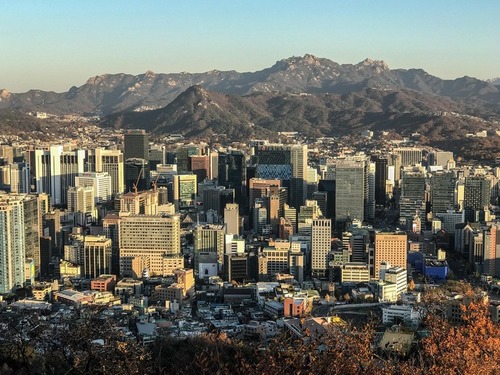
 ▲ 한국의 해안가. ©브레이크뉴스 |
이어 이 글에서 “대한민국이 진정한 해양 강국으로 나아가기 위해서는 단기적인 성과에 집중하기보다 장기적인 비전과 전략을 수립하고 일관되게 추진하는 것이 중요합니다. 이 전략은 다음 세 가지 핵심 분야를 포괄해야 합니다. 지속 가능한 해양 생태계 보호: 바다는 무한한 자원이 아닙니다. 오염으로 병들어가는 바다를 회복시키고 보호하는 일은 미래 세대의 생존권과 직결됩니다. 과학적 데이터를 기반으로 한 해양 보호구역을 확대하고, 해양 쓰레기 관리 시스템을 강화하는 노력이 필요합니다”면서 “첨단 해양 산업 육성: 과거의 조선업과 해상 물류를 넘어, 해양 바이오, 해양 에너지, 해양 관광 등 고부가가치 첨단 해양 산업을 적극적으로 육성해야 합니다. 이를 위해 연구개발(R&D) 투자를 확대하고, 관련 스타트업을 지원하는 생태계를 조성해야 합니다”고 지적했다.
또한 “해양 안보 및 영토 수호: 바다는 우리의 삶과 직결된 경제적 자원이자, 국가 안보의 핵심 영역입니다. 해양 영토를 수호하고, 해상 교통로의 안전을 확보하는 것은 해양 강국으로서의 위상을 공고히 하는 기본 전제입니다. 바다의 탄소 흡수력을 경제적 가치로 특히, 기후변화 대응이라는 전 지구적 과제 앞에서 바다의 역할은 더욱 중요해지고 있습니다. 숲이 육지의 허파라면, 바다는 지구의 허파입니다. 그중에서도 해조류 양식은 단순히 식량 자원을 생산하는 것을 넘어 '블루카본(Blue Carbon)'이라는 새로운 경제적 가치를 창출하는 핵심적인 수단이 될 것입니다. 해양 생태계에 흡수되는 탄소를 의미하는 블루카본은 주로 맹그로브 숲, 염습지, 잘피밭 등 연안 습지에 의해 저장되는 탄소를 일컫습니다. 하지만 양식 해조류와 해양 미생물 역시 탄소 흡수에 중요한 역할을 합니다. 특히, 한국은 김, 미역, 다시마 등 해조류 양식 기술이 세계 최고 수준이며, 본인 또한 해양수산공무원 교육원 강의ㆍ국회의원 재직시 이미 이를 활용해 양식 해조류 탄소배출권을 확보하는 전략을 논하는 세미나ㆍ심포지움을 수십차례 하여 왔기에 이를 더 적극적으로 모색해야 합니다.”고 강조했다.
이영호 전 의원은 이 글에서 “양식 해조류를 통해 이산화탄소를 흡수하고, 이를 국제 탄소 시장에서 거래할 수 있는 새로운 탄소 배출권으로 인정받는다면, 이는 어업인들의 소득을 증대시키는 동시에 국가 탄소중립 목표 달성에 크게 기여할 것입니다. 이는 단순히 환경 보호를 위한 노력을 넘어, 미래 해양 산업의 새로운 성장 동력을 창출하는 길입니다”면서 “해양 강국으로의 도약은 어느 한 부처나 기업의 노력만으로는 불가능합니다. 정부는 명확한 정책 방향을 제시하고, 민간은 혁신적인 기술과 아이디어로 도전해야 합니다. 무엇보다 중요한 것은 해양의 가치에 대한 국민적 공감대를 형성하는 것입니다. 바다가 단순히 멀리 떨어진 공간이 아니라, 우리 모두의 삶을 풍요롭게 하는 소중한 자산임을 인식해야 합니다. 대한민국은 이미 세계 최고 수준의 조선 기술과 해상 물류 역량을 갖추고 있습니다. 이 강점을 바탕으로 미래를 위한 새로운 투자를 진행한다면, 우리는 진정한 해양 강국으로 우뚝 설 수 있습니다. 바다를 향한 우리의 도전은 이제 시작입니다. '삼면의 바다'라는 축복을 미래 성장 동력으로 삼아, 대한민국이 다시 한번 세계의 중심으로 나아가기를 기대합니다.”고 덧붙였다.
*아래는 위 기사를 '구글 번역'으로 번역한 영문 기사의 [전문]입니다. '구글번역'은 이해도 높이기를 위해 노력하고 있습니다. 영문 번역에 오류가 있을 수 있음을 전제로 합니다.<*The following is [the full text] of the English article translated by 'Google Translate'. 'Google Translate' is working hard to improve understanding. It is assumed that there may be errors in the English translation.>
Dr. Lee Young-ho, Ph.D. in Fisheries Science: "Korea is surrounded by the sea on three sides—a nation blessed with natural assets."
"An ecosystem that harbors food resources and a comprehensive growth asset where new energy and cutting-edge technologies emerge."
- Reporter Park Jeong-dae
Former lawmaker Lee Young-ho (Ph.D. in Fisheries Science/Certified Aquaculture Technician/Secretary to the President for Maritime Affairs and Fisheries) recently published an article titled "The Sea, Korea's New Hope in the 21st Century! Securing Carbon Credits with Farmed Seaweed": "We have been talking about the limitations of a resource-poor nation with the phrase 'Korea, which doesn't produce a single drop of oil.' However, we must now shift our perspective to the pride of a nation blessed with natural assets: 'Korea is surrounded by the sea on three sides.' The new leap forward for the Korean economy in the 21st century will begin with the sea. While shipbuilding and maritime trade laid the foundation for industrialization in the past, we must now redefine the sea beyond a simple transportation route and into a future growth engine." He continued, "The sea is not simply an empty space. It is an ecosystem that harbors food resources and a hub for new energy and cutting-edge technologies." It is a comprehensive growth asset where technology is born. The marine ecosystem is directly linked to human survival, and the marine bio industry will be key to the development of future medicines and new materials. Furthermore, marine energy sources such as offshore wind, tidal, and wave power will be crucial for leading the carbon-neutral era,” he stated.
He continued, “For South Korea to become a true maritime powerhouse, it is crucial to establish and consistently pursue a long-term vision and strategy, rather than focusing on short-term results. This strategy should encompass three key areas: Protecting a sustainable marine ecosystem: The ocean is not an infinite resource. Restoring and protecting the ocean, which is suffering from pollution, is directly related to the survival of future generations. Efforts are needed to expand marine protected areas based on scientific data and strengthen marine waste management systems.” He also emphasized, “Fostering advanced marine industries: Beyond the shipbuilding and maritime logistics of the past, we must actively foster high-value-added, cutting-edge marine industries such as marine biotechnology, marine energy, and marine tourism. To this end, we must expand R&D investment and foster an ecosystem that supports related startups.”
Also, "Maritime Security and Territorial Defense: The ocean is an economic resource directly linked to our lives and a core area of national security. Protecting maritime territory and ensuring the safety of maritime transportation routes are fundamental prerequisites for solidifying our status as a maritime powerhouse. The ocean's carbon absorption capacity is becoming increasingly important, particularly in the face of the global challenge of climate change response. If forests are the lungs of the land, then the ocean is the lungs of the Earth. Among these, seaweed farming will become a key means of creating new economic value, called "Blue Carbon," beyond simply producing food resources. Blue Carbon, referring to carbon absorbed by marine ecosystems, primarily refers to the carbon stored in coastal wetlands such as mangrove forests, salt marshes, and seaweed beds. However, farmed seaweed and marine microorganisms also play a crucial role in carbon absorption. In particular, Korea boasts world-class seaweed farming technology for laver, wakame, and kelp. I, as a lecturer at the Maritime and Fisheries Officials Training Institute and a member of the National Assembly, have already leveraged this technology to develop strategies for securing carbon credits for farmed seaweed. “We have held dozens of seminars and symposiums discussing this issue, so we need to explore this more actively,” he emphasized. In this article, former lawmaker Lee Young-ho stated, "If carbon dioxide is absorbed through farmed seaweed and recognized as new carbon credits tradable on the international carbon market, this will increase the income of fishermen and significantly contribute to achieving the nation's carbon neutrality goal. This goes beyond simply protecting the environment; it creates a new growth engine for the future maritime industry." He added, "A leap forward as a maritime powerhouse cannot be achieved through the efforts of any single ministry or company alone. The government must establish clear policy directions, and the private sector must take on the challenge with innovative technologies and ideas. Above all, it is crucial to build a national consensus on the value of the ocean. We must recognize that the ocean is not simply a distant space, but a valuable asset that enriches all of our lives. South Korea already possesses world-class shipbuilding technology and maritime logistics capabilities. By leveraging these strengths and making new investments for the future, we can stand tall as a true maritime powerhouse. Our quest for the ocean has only just begun. I hope that South Korea will once again become a global leader, leveraging the blessing of being surrounded by the sea on three sides as a future growth engine."