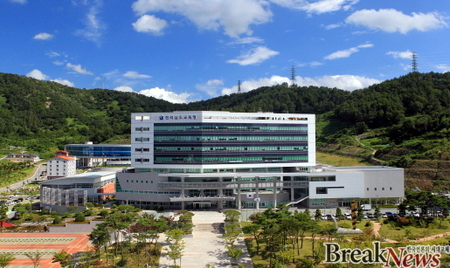
▲ 경남보건환경연구원에서 주요 농산물을 대상으로 안전성 검사를 실시하고 있다 |
[브레이크뉴스=박찬호 기자] 경남보건환경연구원이 올해 도내 집단급식소에 납품되는 농산물에 대한 특별 점검을 실시한 결과, 모두 '안심' 판정을 내렸다.
2025년 상반기와 하반기 두 차례에 걸쳐 총 56건의 농산물을 수거해 검사한 결과, 잔류농약 및 중금속 성분 모두 기준치 이하로 확인되면서 우리 아이들의 급식 식탁이 '찐 안전'을 인증받았다.
개학 시기만 되면 늘 신경 쓰였던 급식 식재료 안전 문제! 경남도에서는 매년 이런 걱정을 덜어주기 위해 집단급식소에서 특히 많이 소비되는 감자, 고구마, 당근, 호박, 무 등 주요 농산물에 대해 꾸준히 안전성 검사를 진행하고 있다.
올해 상반기에는 지난 2월 17일부터 21일까지 5일간 밀양, 거제, 김해, 함안, 창녕, 고성 지역에서 28건의 농산물을 수거해 검사를 진행했고, 하반기에는 8월 25일부터 29일까지 5일간 창원, 진주, 남해, 거창, 합천에서 나머지 28건을 수거했다.
총 56건의 시료를 대상으로 무려 471종의 잔류농약과 납, 카드뮴 등 중금속 검사를 진행했으며, 모든 검사 항목에서 안전 기준치를 훌쩍 넘긴 '적합' 결과를 받았다.
경상남도보건환경연구원은 이처럼 도민들의 식탁 안전을 위해 경남도 식품위생과 및 각 시·군과 손발을 맞춰 유통되는 농산물에 대한 주기적인 검사를 꾸준히 이어오고 있다.
특히, 봄철이나 명절(설·추석), 그리고 김장철처럼 농산물 소비가 급증하는 시기에는 주요 품목들을 '픽'해서 집중적으로 검사하며 혹시 모를 위험 요소를 미리미리 차단하고 있다. 여기에 공영도매시장에 반입되는 농산물은 경매 전 '초고속 검사'를 통해 유해 농산물을 아예 유통 단계에서부터 막아버리는 '선제적 방어'도 펼치고 있다.
김혜정 식약품연구부장은 "우리 도민들이 농산물을 완전 안심하고 드실 수 있도록 시기별, 테마별로 잔류농약 검사를 '핵'철저하게 이어갈 것"이라며, "앞으로도 도민이 믿고 먹을 수 있는 먹거리 환경을 만드는 데 최선을 다하겠다"고 약속했다.
*아래는 위 기사를 '구글 번역'으로 번역한 영문 기사의 [전문]입니다. '구글번역'은 이해도 높이기를 위해 노력하고 있습니다. 영문 번역에 오류가 있을 수 있음을 전제로 합니다.
*Below is the full text of the English article translated by Google Translate. 'Google Translate' strives to improve understanding. It assumes that there may be errors in the English translation.
The Gyeongnam Institute of Public Health and Environment conducted a special inspection of agricultural products supplied to group meal service facilities in the province this year, and all were deemed "safe."
After collecting and testing a total of 56 agricultural products over two rounds in the first and second half of 2025, pesticide residues and heavy metals were found to be below standard levels, confirming the "truly safe" status of our children's school meals.
The safety of school meal ingredients is a constant concern every school year! To alleviate these concerns, Gyeongnam Province consistently conducts safety inspections of key agricultural products, such as potatoes, sweet potatoes, carrots, pumpkins, and radishes, which are particularly common in group meal service facilities.
In the first half of this year, 28 agricultural products were collected and tested in Miryang, Geoje, Gimhae, Haman, Changnyeong, and Goseong over a five-day period from February 17th to 21st. In the second half of the year, the remaining 28 products were collected in Changwon, Jinju, Namhae, Geochang, and Hapcheon over a five-day period from August 25th to 29th.
A total of 56 samples were tested for 471 pesticide residues and heavy metals such as lead and cadmium, and all tested items received "pass" results, far exceeding safety standards.
To ensure the safety of residents' dining tables, the Gyeongsangnam-do Health and Environment Research Institute consistently collaborates with the Gyeongsangnam-do Food Sanitation Division and each city and county to conduct regular inspections of distributed agricultural products.
In particular, during periods of rapid agricultural product consumption, such as spring, holidays (Lunar New Year and Chuseok), and kimchi-making season, key products are selected and tested intensively to proactively prevent potential risks. Furthermore, agricultural products entering public wholesale markets undergo "ultra-fast inspections" before auctions, implementing a "preemptive defense" strategy to block harmful agricultural products from the distribution stage.
Kim Hye-jeong, Director of the Food and Drug Research Division, stated, "We will continue to conduct thorough pesticide residue testing by season and theme to ensure that our residents can enjoy agricultural products with complete confidence." She pledged, "We will continue to do our utmost to create a food environment where residents can trust and eat."
원본 기사 보기:브레이크뉴스경남