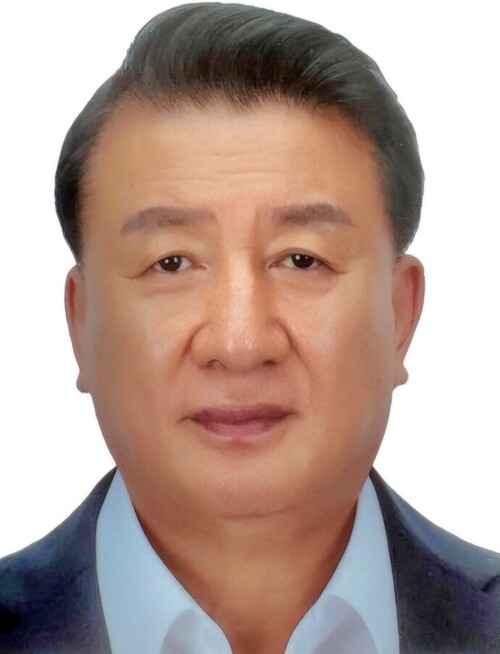
▲ 필자/권기환 박사 ©브레이크뉴스 |
루카치 죄르지(1885-1971)는 헝가리 출신의 비판적 마르크스주의자이면서 미학자로서 알려져 있다.
루카치는 마르크스주의자면서도 당시 소련의 볼셰비키당과 독일 사민당 그 어느 쪽으로부터도 환영받지 못했을 뿐만 아니라 스탈린주의에 대항한 헝가리 혁명에 참여했지만, 너지 정권이 소련의 침공으로 무너졌을 때, 너지 정권을 지지했다는 혐의로 루마니아로 추방되기도 했다. 이후 헝가리로 되돌아왔지만, 루카치의 말년은 불우했으며, 그는 더 이상 현실에 직접 관여하지 않았다. 루카치의 삶은 마르크스주의가 그에게 안겨 주었던 기대와 실망, 기대와 좌절의 교차에서 점철된 시대의 자화상이기도 하다. 루카치에게 마르크스주의는 파시즘에 대항한 사상적 무기였지만, 정작 마르크스주의라는 사상적 무기를 들었을 때 현실은 루카치의 이상과 정반대였다. 그럼에도 불구하고 루카치는 마르크스주의를 고수하면서도 당대의 마르크스주의에 대한 비판을 수행한다. 이것은 루카치가 『역사와 계급의식』에서 제기했던 정통 마르크스주의에 관한 언급에서 확인될 수 있다. “[···] 최근의 연구에 의해 마르크스의 개별적 진술들 전부가 사실적으로 부정확하다는 것이 이론의 여지 없이 증명되었다고 – 비록 인정할 수는 없지만 – 가정하더라도 진지한 정통 마르크스주의자라면 누구나 이 모든 새로운 성과들을 거리낌 없이 인정하고 마르크스의 개별적 주장들 전부를 거부할 수 있을 것이며, 그렇다고 해서 자신의 마르크스주의적 정통성을 한순간이라도 포기할 필요는 없을 것이기 때문이다. 따라서 정통 마르크스주의는 마르크스의 연구 결과를 무비판적으로 인정하는 것을 의미하지 않으며 이런 주장 혹은 저런 주장에 대한 믿음이나 어떤 신성한 책의 해석을 의미하지도 않는다”(한국어 번역본, 55-56쪽). 이러한 루카치의 진술은 마르크스주의자들이 과연 마르크스를 제대로 이해했는지에 대한 강한 의문에서 비롯된다. 어쩌면 레닌의 언급대로 마르크스 사후 50년이 흘렀지만, 마르크스를 제대로 이해한 마르크스주의자가 단 한 명도 없었다는 한탄의 목소리도 한몫한다고 하겠다. 이러한 점에서 루카치는 아마도 레닌에 상당히 동조했을 것이다.
하여튼 루카치가 중요하게 생각했던 것은 ‘사물화’(Verdinglichung)라는 개념이고 이것을 극복하기 위한 대안이 바로 프롤레타리아의 계급의식이었다. ‘사물화’는 마르크스가 초기 철학에서 분석해 낸 소외문제에서 유래했다고 하지만, 더 거슬러 올라가면 헤겔 철학에 기원한다. 루카치는 이 지점에서 헤겔과 마르크스의 접점을 발견했을 것이다. 루카치의 사물화 개념은 이후 프랑크푸르트학파의 비판이론과도 자연스럽게 연결된다. 그런데 소외문제를 다루었던 철학은 실존주의도 마찬가지인데, 루카치의 관점은 어쩌면 이 문제를 극복할 방법이 마르크스주의냐 아니면 실존주의냐의 갈림길에서 비판적 마르크스주의로 귀결된다고 하겠다. 마르크스주의는 마르크스의 말대로 세계에 대한 이론적 해석이 아니라 실천적으로 세계 자체를 변혁시킬 수 있는 사상적 무기라고 한다면, 실존주의는 인간의 주체성 회복이라는 관점에서 불합리한 세계에 대한 저항의 메시지를 제공한다. 그런데 마르크스주의는 경제결정론과 역사적 객관주의에 함몰된 채 스스로 생명력을 상실했고, 오히려 스탈린주의로 이어지면서 급기야 마르크스나 레닌의 말보다 스탈린의 지침이 우선시되면서 이에 대한 비판은 철저하게 통제되었다. 실존주의는 개안의 결단만을 강조하는 방향이 되면서 구체적인 실천 방법이 불충분했을 뿐만 아니라 적절한 대안보다 상황에 매몰된 채로 흘러갔다.
마르크스의 절친이었던 엥겔스는 마르크스를 위한 조사(弔詞)에서 마르크스에게 적들이 많았지만, 개인적 원수를 지니는 사람은 단 한 사람도 없을 것이라 말했다. 어쩌면 맞는 말일 것이다. 마르크스가 헤겔 철학을 비판했던 것도 마찬가지일 것인데, 마치 신칸트주의자인 에밀 라스크(1875-1915)가 말했듯이 “헤겔의 비판자일지라도 변증법적으로 변화하는 개념들이 받아들일 수 있을 때” 헤겔 철학의 극복도 가능할 것이다. 루카치는 마르크스주의의 개방성을 염두에 두면서 마르크스주의에 새로운 방향 설정에 불씨를 던졌다. 그러나 그 불씨는 거센 바람에 꺼져버렸고, 시대의 희생양으로 되어버렸다. 루카치가 던진 마르크스주의 정통성 문제는 여전히 마르크스주의가 과연 무엇인지를 우리에게 새삼 상기시키고 있다.
루카치의 철학과 미학은 한국에서도 1980년대와 1990년대를 걸치면서 마르크스주의와 더불어 유행했지만, 사회주의권의 몰락과 더불어 빛을 잃었다. 그 당시 루카치에 대한 관심도가 높았던 까닭들 가운데 하나는 헤겔과 마르크스의 연결 통로가 루카치였기 때문이라고 하지만, 일부 스탈린주의에 비판적 태도적 입장을 견지하면서도 마르크스주의를 고수했던 일련의 사람들에게는 루카치의 철학이 일종의 단비와 같은 낙수효과를 누렸기 때문이다. 그런데 그와 같은 효과는 근본적으로 헤겔과 마르크스의 관계가 제대로 해명되지 못한 채로 그저 루카치에만 의존하는 방식으로 한계에 봉착할 수밖에 없다. 루카치도 따지고 보면 마르크스주의라는 튼 철학적 담론들 가운데 하나일 뿐임에도 당시에 분위기는 마르크스주의라면 타의 추종을 불허하는 식의 태도가 지배적이었다. 이것은 또 다른 맹종이 아니고 무엇이란 말인가? 루카치든 마르크스주의든 그 어떤 것이든 비판 없이는 맹종이 지배할 뿐이라는 사실을 우리가 정녕 모른단 말인가!
루카치의 이론적 취약점도 있다. 예를 들어 마르크스가 설명했던 토대와 상부구조의 관계는 경제 결정론적으로 해석될 수 있지만, 엥겔스가 이미 토대와 상부구조의 상호관계를 인정했던 만큼 루카치의 ‘총체성’(Totalität)이라는 개념은 빛을 가릴 수밖에 없다. 계급의식도 프롤레타리아 계급이 성장하지 못한 국가에서 과연 계급의식만으로 역사적 과업을 수행할 수 있을지는 실로 의문스럽다. 루카치는 철학적으로 그와 같은 개념들을 정교하게 구체적으로 입증하지 못하고 단지 가능성만을 보여주는 데 만족했다. 이 지점에서 루카치는 지나치게 과도한 비판에 의존하고 있을 뿐, 비판을 넘어선 대안을 제시하지 못한다. 물론 루카치는 비판 없는 맹종을 경계하는 데에는 이르렀을지 모르겠지만, 대안 없는 비판에 머물러 버리고 만다.
루카치가 제시했던 헤겔과 마르크스의 관계는 헤겔에서 마르크스가 아니라 반대로 마르크스에게 헤겔로 그 역전의 가능성이 어느 정도 있을지도 여전히 숙제로 남아 있다. 헤겔 없는 마르크스 혹은 마르크스 없는 헤겔보다 헤겔-마르크스의 관계가 더 나을 수 있겠지만, 이 구도 자체는 마르크스주의에서 헤겔 철학을 과연 어떻게 볼 것인지에 따라 좌우될 것이다. 마르크스 사후 다양한 마르크스주의자들은 마르크스만으로 뭔가 불충분하다는 생각에 헤겔과 어떤 방식으로든 연관되는데, 이것은 근본적으로 마르크스 자신도 마찬가지였다는 사실이다. 문제는 그들에게 헤겔-마르크스의 관계가 상당히 불균형적이라는 점에 있다. 루카치도 마르크스를 정점으로 놓고 보면 헤겔보다 레닌에 더 근접해 있기도 하다. 마르크스주의를 실천 철학적으로 보면 이런 구도는 어느 정도 이해되지 못할 바는 아니다.
사회주의권의 몰락 이후 마르크스주의는 쇠퇴했지만, 여전히 자본주의의 위기 앞에 언제든 도전장을 내밀 것이다. 이때 한 가지 조건이 있다. 교조적 마르크스주의로는 더 이상 아무런 의미가 없고 오히려 마르크스에 대한 다양한 해석의 가능성과 마르크스주의의 개방성이 전제될 때 비로소 그 가능성은 드러날 것이다. 만일 그 가능성이 루카치에게 남아 있다면, 우리가 루카치를 수정주의자로 낙인찍는 태도보다 그의 비판적 마르크스주의에도 귀를 기울일 필요가 있다. 이것은 마르크스주의를 역사적 유물로만 보는 차원을 넘어서서 다양한 마르크스주의의 역사에 접근함으로써 그 가능성의 발견도 얼마든지 가능할 것이다.
오늘날 인간에게 봉착한 각종 위기가 복합적으로 나타나고 있으며 아직 뚜렷한 대안이 가시적이지 않다. 더 나아가 루카치의 마르크스주의가 과연 이에 합당한 구체적 대안이 될 수 있는지는 의문이다. 그러나 한 가지는 적어도 생각해 볼 수 있을 것이다. 마르크스주의의 개방성이 전제된다면 아예 대안조차 없는 것보다 새로운 가능성만이라도 있는 것이 좋을 것이다. jgfichte@naver.com
*필자/권기환
철학박사. 동국대에서 석사학위를, 독일 지겐대 제 1학부(역사-철학과)에서 철학박사학위(Dr. phil.)를 취득했다. 경희대, 경기대, 명지대, 상명대, 강남대, 홍익대 등에서 강의를 했다. 현재는 가천대에서 강의를 하고 있다. 주요 관심사는 독일 관념론, 독일 초기 낭만주의, 프랑스 현상학, 해석학, 동서 비교 철학 등이다. 한국 헤겔학회, 한국칸트학회, 한국해석학회, 한국 현상학회(전 정보이사), 서양 근대철학회 등에서 활동하고 있다.
*아래는 위 기사를 '구글 번역'으로 번역한 영문 기사의 [전문]입니다. '구글번역'은 이해도 높이기를 위해 노력하고 있습니다. 영문 번역에 오류가 있을 수 있음을 전제로 합니다.<*The following is [the full text] of the English article translated by 'Google Translate'. 'Google Translate' is working hard to improve understanding. It is assumed that there may be errors in the English translation.>
Lukács: The Critical Spirit Alive in the Self-Portrait of a Frustrated Marxist
- Kwon Ki-hwan, Columnist
György Lukács (1885-1971) was a Hungarian-born critical Marxist and aesthetician known for his work. Despite being a Marxist, Lukács was not only unwelcome by both the Soviet Bolshevik Party and the German Social Democratic Party, but also participated in the Hungarian Revolution against Stalinism. However, when the Nagy regime collapsed due to the Soviet invasion, he was exiled to Romania on charges of supporting it. Although he returned to Hungary, Lukács's later years were unfortunate, and he no longer directly engaged with reality. Lukács's life is a portrait of an era marked by the interplay of hope and disappointment, and the frustrations and hopes that Marxism brought him. For Lukács, Marxism was an ideological weapon against fascism, but when he actually took up this ideological weapon, the reality was diametrically opposed to his ideals. Nevertheless, Lukács maintained Marxism while also conducting a critique of contemporary Marxism. This can be confirmed in Lukács's remarks on orthodox Marxism in History and Class Consciousness: “[…] even if recent research were to prove beyond doubt the factual inaccuracy of every single statement of Marx—though this cannot be admitted—any serious orthodox Marxist would be able to freely accept all these new findings and reject every single one of Marx's assertions, without for a moment having to renounce his Marxist orthodoxy. Therefore, orthodox Marxism does not mean uncritical acceptance of Marx's findings, nor does it imply belief in this or that assertion, or the interpretation of some sacred book” (Korean translation, pp. 55-56). Lukács's statement stems from a deep doubt about whether Marxists truly understood Marx. Perhaps, as Lenin lamented, 50 years after Marx's death, not a single Marxist truly understood him. In this respect, Lukács likely agreed with Lenin to a large degree.
In any case, what Lukács considered crucial was the concept of "reification" (Verdinglichung), and the alternative to overcoming it was the class consciousness of the proletariat. While "reification" is said to have originated from the problem of alienation analyzed by Marx in his early philosophy, its roots can be traced back further to Hegelian philosophy. Lukács likely found a connection between Hegel and Marx here. Lukács's concept of reification naturally connects with the critical theory of the Frankfurt School. However, existentialism, too, has addressed the issue of alienation. Lukács's perspective, perhaps at the crossroads of whether Marxism or existentialism is the way to overcome this problem, culminates in critical Marxism. If Marxism, as Marx claimed, is not a theoretical interpretation of the world but an ideological weapon capable of practically transforming the world itself, then existentialism offers a message of resistance against an irrational world from the perspective of restoring human subjectivity. However, Marxism lost its vitality, mired in economic determinism and historical objectivism. Rather, it gave way to Stalinism, where Stalin's directives were prioritized over the words of Marx and Lenin, and criticism of this was thoroughly suppressed. Existentialism, emphasizing only the decisiveness of enlightenment, not only lacked concrete practical methods, but also became mired in circumstantial issues rather than adequate alternatives.
Engels, Marx's close friend, remarked in his eulogy that Marx had many enemies, but not a single one of them was a personal enemy. Perhaps this is true. The same holds true for Marx's critique of Hegelian philosophy. As the neo-Kantian Emil Rask (1875-1915) put it, overcoming Hegelian philosophy is possible only when "even Hegel's critics can accept the dialectically changing concepts." Lukács, mindful of Marxism's openness, ignited a new direction for Marxism. However, that spark was extinguished by a strong wind, and he became a victim of his time. The question of Marxist legitimacy posed by Lukács still reminds us of the true nature of Marxism.
Lukács's philosophy and aesthetics were popular alongside Marxism in Korea throughout the 1980s and 1990s, but they faded with the collapse of the socialist bloc. One reason for the high interest in Lukács at the time is said to be his role as a bridge between Hegel and Marx. However, for some who held a critical stance toward Stalinism while still adhering to Marxism, Lukács's philosophy enjoyed a trickle-down effect, like a welcome shower. However, this effect inevitably encountered limitations, as it relied solely on Lukács, leaving the relationship between Hegel and Marx unexplained. While Lukács, after all, was merely one of the many philosophical discourses within Marxism, the prevailing sentiment at the time was that Marxism was unrivaled. Was this not another form of blind obedience? Are we truly unaware that, whether it's Lukács or Marxism, blind obedience reigns supreme without criticism?
Lukács also has theoretical weaknesses. For example, the relationship between base and superstructure as explained by Marx can be interpreted in terms of economic determinism. However, since Engels already recognized the reciprocal relationship between base and superstructure, Lukács' concept of "totality" (Totalität) is inevitably overshadowed. It's truly questionable whether class consciousness alone can accomplish historical tasks in a country where the proletariat has not yet developed. Lukács failed to philosophically substantiate such concepts, settling for merely demonstrating their potential. At this point, Lukács relies excessively on criticism, failing to offer an alternative that transcends it. While Lukács may have warned against blind obedience without criticism, he remains stuck in criticism without an alternative.
The relationship between Hegel and Marx, as proposed by Lukács, remains open to question, whether the reversal—from Hegel to Marx, to Marx to Hegel—might be more plausible. While a Hegel-Marx relationship might be preferable to a Marx without Hegel or a Hegel without Marx, this structure itself will depend on how Marxism views Hegel's philosophy. After Marx's death, various Marxists, believing Marx alone was somehow inadequate, have associated themselves with Hegel in some way. This fundamentally applies to Marx himself. The problem lies in the significant imbalance in the Hegel-Marx relationship for them. Even Lukács, considering Marx as the pinnacle, is closer to Lenin than to Hegel. This structure is understandable when viewed from the perspective of Marxism's practical philosophy.
While Marxism declined after the collapse of the socialist bloc, it remains a constant challenge to the crisis of capitalism. However, there is one condition: Dogmatic Marxism is no longer meaningful. Rather, the potential for diverse interpretations of Marx and the openness of Marxism will only be revealed when these possibilities are presupposed. If this potential remains in Lukács, we need to listen to his critical Marxism rather than label him a revisionist. This possibility can be fully discovered by moving beyond viewing Marxism as a mere historical artifact and approaching the diverse histories of Marxism.
The various crises facing humanity today are complex, and no clear alternatives are yet apparent. Furthermore, it is questionable whether Lukács's Marxism can truly provide a suitable, concrete alternative. However, one thing can be considered: if the openness of Marxism is presupposed, it is better to have new possibilities than no alternatives at all. jgfichte@naver.com
*Author/Kwon Ki-hwan
Doctor of Philosophy. He received his master's degree from Dongguk University and his doctorate in philosophy (Dr. Phil.) from the Department of History and Philosophy at the University of Siegen in Germany. He has lectured at Kyung Hee University, Kyonggi University, Myongji University, Sangmyung University, Kangnam University, and Hongik University. He currently teaches at Gachon University. His main interests include German idealism, early German Romanticism, French phenomenology, hermeneutics, and Eastern-Western comparative philosophy. He is active in the Korean Hegel Society, the Korean Kant Society, the Korean Society for Hermeneutics, the Korean Phenomenology Society (former Director of Information), and the Society for Modern Western Philosophy.