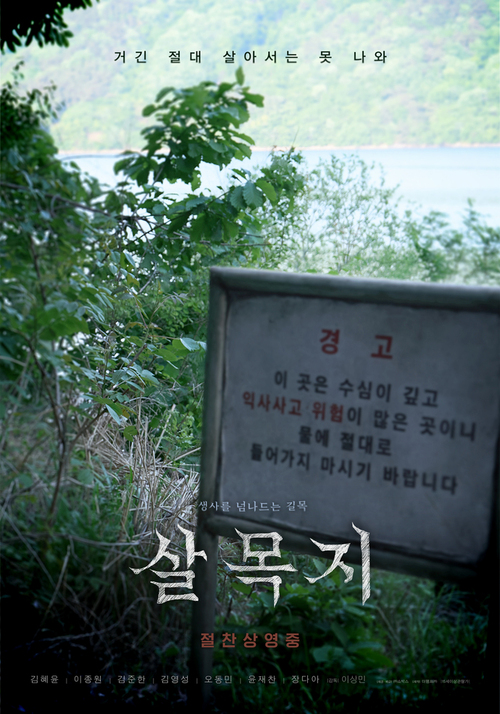
시집 <내려놓음, 비움> 표지 © 박미섬 문학평론가 |
이상진 시조시인이 세 번째 시조집 <내려놓음, 비움>(학이사)을 펴냈다. 더 깊고 넓어진 시인의 신앙 세계와 진한 삶의 냄새를 느낄 수 있는 시조집이다.
어지러운 시대, 기독교 신앙의 바탕 위에서 쓰인 작품을 통해 현대인이 살아가야 할 바른 방향을 제시한다.
이상진 시인은 이번 시조집에서 등단한 지 30년을 넘어선 시인이 삶의 현장에서 생각하고 깨달은 것을 담았다. 새벽 기도, 일상에서의 땀과 눈물, 낯선 땅 나들이에서의 새로운 만남 등 수록된 100수의 시조 모두 진한 삶의 냄새가 배어 있다.
이상진 시조의 특징은 “문학적 기교에 치중하기보다 자신의 순진무구한 정신세계를 솔직하게 작품화”하고 있으며, “탄탄한 기독교 신앙을 시조 세계의 인프라로 삼고 있다”(리강룡 시인 해설 중)는 점이다.
살다 보면 누구에게나 불어오기 마련인 외풍을 이겨낼 수 있는 최후의 보루가 있음이 작품 전편에서 진하게 느껴진다.
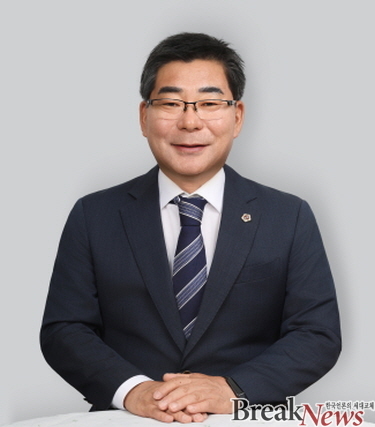
 이상진 시인 (사진 제공: 이상진 시인) © 박미섬 문학평론가 |
시조집은 ‘살아가는 힘’, ‘헹가래’, ‘있을 때 잘해’, ‘떨켜’, ‘곰배령 자작나무’ 5부로 나뉜다. 내려놓고 비우는 삶, 신앙생활, 행복론, 자연과 인간 등이 시적 소재.
기행 시조를 더해 서정과 견문의 확장을 불러일으킨다. 살며, 생각하며, 사랑하며 더 깊고 넓어진 시인의 신앙 세계를 통해 올바른 삶의 방향과 내려놓음, 비움에 대해 생각해보게 된다.
아침의 출근길
한낮의 삶의 무게
뭐 그리 여유 없어 하늘을 잊고 살아
찬란한 별이 뜨는가 경건한 밤 옵니다
더 많이 갖기 위해 더 높이 오르려고
한 치도 빈틈없이 치열하게 살아온 삶
더 비움 은발銀髮의 지혜 다가섬을 봅니다
(「내려놓음, 비움」 중)
*필자/박미섬(시인/문학박사) parkmisum@gmail.com
 ▲ ©박미섬 문학평론가 |
*아래는 위 기사를 '구글 번역'으로 번역한 영문 기사의 [전문]입니다. '구글번역'은 이해도 높이기를 위해 노력하고 있습니다. 영문 번역에 오류가 있을 수 있음을 전제로 합니다.
<*The following is [the full text] of the English article translated by 'Google Translate'. 'Google Translate' is working hard to improve understanding. It is assumed that there may be errors in the English translation.>
Poet Lee Sang-jin has published his third collection of sijo poems, "Letting Go, Emptiness" (Hakisa). This collection allows readers to experience the poet's deepened and broadened world of faith and the rich aroma of life.
In these turbulent times, through works grounded in Christian faith, he offers a sound path for modern people to navigate.
In this collection, poet Lee Sang-jin, who has been writing for over 30 years, has captured the thoughts and insights he has gained from his own life. Each of the 100 poems, including those of dawn prayer, the sweat and tears of everyday life, and new encounters on excursions to unfamiliar lands, is imbued with the rich aroma of life.
A defining characteristic of Lee Sang-jin's sijo is that he "honestly portrays his innocent spiritual world rather than focusing on literary technique," and "he uses his solid Christian faith as the infrastructure of his sijo world" (from poet Lee Kang-ryong's commentary).
Throughout his work, we sense a powerful sense of the existence of a final bastion, a defense against the inevitable external forces that confront us all.
The collection of sijo is divided into five parts: "The Power of Living," "Henggarae," "Do Well When You Have It," "Trembling," and "Gombae-ryeong Birch Tree." The poetic themes include letting go and emptying, religious life, theories of happiness, and nature and humanity.
The addition of travel sijo evokes lyricism and an expansion of perspective. Through the poet's deepened and broadened world of faith through living, thinking, and loving, the collection invites reflection on the right direction of life, letting go, and emptying.
The morning commute
The weight of life at midday
Why am I so relaxed, I forget the sky and live
Do brilliant stars rise? A sacred night comes
To possess more, to climb higher
A life lived fiercely, without a single flaw
I see the wisdom of silver hair approaching, emptying itself even more.
(From "Letting Go, Emptiness")