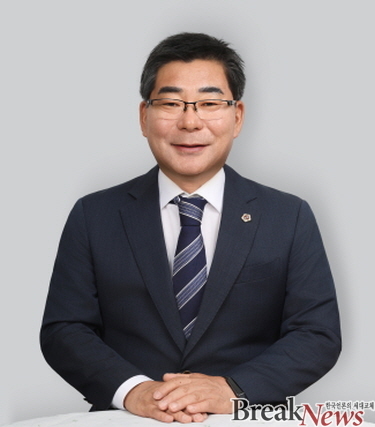
브레이크뉴스 김충열 정치전문기자 = 이재명 정부는 출범 이후 세 차례의 부동산 대책을 내놓았다. 6·27 대책으로 대출 규제를 강화하며 집값 안정 기대를 모았으나, 불과 두 달 뒤 발표한 9·7 대책에 대규모 경기부양 조치가 포함되며 집값 상승세가 나타났다. 이어 한 달 후 발표한 10·15 대책은 규제지역 확대와 주택담보대출 제한을 포함했지만, 국지적 땜질식 조치라는 지적을 받고 있다. 더불어 규제지역 내 고가 아파트를 고위공직자들이 갭투자 등으로 매입한 사실이 드러나며 ‘내로남불’ 논란까지 확산되었다. 이로 인해 정부 부동산 정책의 진정성과 신뢰성에 대한 의구심이 커지고 있다.
 ▲ 경실련은 고위공직자의 부동산 관련 논란을 해소하기 위해서는 고위공직자 1주택 이외 토지 및 주택 보유 매매를 원칙 금지해야 하며, 진짜 서민주거 정책으로 분양제도 정상화와 공공주택 공급구조 혁신, 매입임대 금지가 핵심이라고 강조했다. (사진, 경실련 제공) © 김충열 정치전문기자 |
이에 경실련은 11월 4일(화), 국회의원 부동산재산 전수조사 결과를 발표했다. 이번 발표는 내로남불 논란을 넘어, 신뢰받을 수 있는 부동산 정책 수립을 위해 고위공직자의 실사용 외 부동산 매매 금지 등 입법 필요성을 제기하고, 서민 주거 안정을 위한 근본적 부동산 대책을 촉구하는 자리로서 의미를 지닌다.
경실련의 분석 결과, 국회의원 신고 부동산재산 평균은 5억으로, 국민 평균 4.2억의 4.68배이다. 상위 10명은 1인당 165.8억 보유 중인 것으로 나타났고, 여기에는 박정 더불어민주당 의원, 박덕흠 국민의힘 의원, 김은혜 국민의힘 의원, 서명옥 국민의힘 의원, 백종헌 국민의힘 의원, 김기표 더불어민주당 의원, 정점식 국민의힘 의원, 이언주 더불어민주당 의원, 김기현 국민의힘 의원, 고동진 국민의힘 의원 등이 포함된다.
국회의원 중 유주택자는 234명이고, 이 중 2주택 이상 다주택자는 61명으로, 다주택 비율은 40% 인 것으로 나타났다. 국회의원 본인, 배우자 명의 보유신고 주택은 총 299채인데, 이 중 서울에 총 134채(44.81%)가 집중된 것으로 나타났다. 강남 4구에 61채, 비강남에 73채이다.
주택 보유 신고가액이 큰 의원은 고동진 국민의힘 의원, 박성훈 국민의힘 의원, 박덕흠 국민의힘 의원, 서명옥 국민의힘 의원, 강유전 전 국회의원, 권영세 국민의힘 의원, 정점식 국민의힘 의원, 나경원 국민의힘 의원, 주호영 국민의힘 의원, 안상훈 국민의힘 의원 등이다.
비주택 건물의 보유도 많았다. 299명 중 72명(24.08%)가 비주택 건물의 보유를 신고했다. 비주택 건물 150채 중 강남 4구가 11채, 비강남이 42채로 서울에 63채(42.00%) 집중되어 있었다. 비주택 보유 신고가액이 큰 상위 10명에는 박정 더불어민주당 의원, 김은혜 국민의힘 의원, 백종헌 국민의힘 의원, 서명옥 국민의힘 의원, 김기표 더불어민주당 의원, 김기현 국민의힘 의원, 이언주 더불어민주당 의원, 조은희 국민의힘 의원, 김도읍 국민의힘 의원, 이철규 국민의힘 의원 등이다.
한편, 전세 임대를 주고 있는 국회의원은 299명 중 95명(31.77%)이다. 이 중 주택 임대가 59명, 비주택이 48명이다. 한편, 서울 지역에 본인, 배우자 명의의 주택 보유를 신고한 의원은 128명인데, 이 중 해당 주택을 전세 임대 준 의원은 34명(26.56%)로 달했다.
강남4구 지역에 본인, 배우자 명의의 주택 보유를 신고한 의원은 61명인데, 이 중 해당 주택을 전세 임대 준 의원은 17명으로 파악된다. 국민의힘에 곽규택 의원, 서일준 의원, 송언석 의원, 진종오 의원이, 더불어민주당에 김병기 의원, 민홍철 의원, 박균택 의원, 안도걸 의원, 이건태 의원, 이언주 의원, 전현희 의원, 정동영 의원, 정준호 의원, 최기상 의원 등이 포함되었고, 위성락 전 국회의원, 임광현 전 국회의원도 포함됐다.
국회의원이 보유한 아파트 251채 중 분양권, 주소나 면적 등이 불명확한 30채를 제외한 221채를 대상으로 시세조사를 진행했다. 이 아파트들의 평균 신고액은 5억 원이나, 2025년 현재 시세는 15.2억 원으로 나타났다.
경실련은 이를 바탕으로 공직자의 부동산 투기를 차단하고 주거 불평등을 해소하기 위한 제도개선을 촉구했다. 경실련은 고위공직자의 부동산 관련 논란을 해소하기 위해서는 고위공직자 1주택 이외 토지 및 주택 보유 매매를 원칙 금지해야 하며, 진짜 서민주거 정책으로 분양제도 정상화와 공공주택 공급구조 혁신, 매입임대 금지가 핵심이라고 강조했다. hpf21@naver.com
* 아래는 위 기사를 '구글 번역'으로 번역한 영문 기사의 [전문]입니다. '구글번역'은 이해도 높이기를 위해 노력하고 있습니다. 영문 번역에 오류가 있을 수 있음을 전제로 합니다. *The following is [the full text] of the English article translated by 'Google Translate'. 'Google Translate' is working hard to improve understanding. It is assumed that there may be errors in the English translation.
Citizens' Coalition for Economic Justice: "The average real estate holdings of the 22nd National Assembly members are worth 500 million won... 4.68 times the national average."
Calls for the sale of homes not in use... "Legislation is urgently needed to curb real estate speculation by high-ranking public officials.
Break News Political Reporter Kim Choong-lyoul = The Lee Jae-myung administration has introduced three real estate measures since taking office. The June 27th measures strengthened lending regulations, raising expectations for stabilizing housing prices. However, the September 7th measures, announced just two months later, included large-scale economic stimulus measures, triggering a surge in housing prices. The October 15th measures, announced a month later, included expanded regulated areas and restrictions on mortgage loans, but these measures were criticized as patchy and patchy. Furthermore, the revelation that high-ranking public officials purchased expensive apartments within regulated areas through gap investments fueled the "hypocrisy" controversy. This has raised doubts about the sincerity and credibility of the government's real estate policies.
In response, the Citizens' Coalition for Economic Justice announced the results of a comprehensive survey of National Assembly members' real estate holdings on Tuesday, November 4th. This announcement highlights the need for legislation, including a ban on the sale of real estate by high-ranking public officials for purposes other than actual use, to move beyond the hypocrisy and establish trustworthy real estate policies. This event is significant as it raises concerns about the real estate market and calls for fundamental real estate measures to stabilize housing for the working class.
According to an analysis by the Citizens' Coalition for Economic Justice, the average reported real estate holdings of National Assembly members are 500 million won, 4.68 times the national average of 420 million won. The top 10 members are found to have 16.58 billion won per person, including Rep. Park Jeong of the Democratic Party of Korea, Rep. Park Deok-heum of the People Power Party, Rep. Kim Eun-hye of the People Power Party, Rep. Seo Myung-ok of the People Power Party, Rep. Baek Jong-heon of the People Power Party, Rep. Kim Ki-pyo of the Democratic Party of Korea, Rep. Jeong Jeong-sik of the People Power Party, Rep. Lee Un-ju of the Democratic Party of Korea, Rep. Kim Ki-hyun of the People Power Party, and Rep. Koh Dong-jin of the People Power Party.
Among the National Assembly members, 234 own homes, of which 61 own two or more, representing a multiple-home ownership rate of 40%. A total of 299 homes are reported by the National Assembly members and their spouses, 134 (44.81%) of which are located in Seoul. The number of non-residential properties was found to be concentrated. 61 were in the four Gangnam districts and 73 were in non-Gangnam districts.
The lawmakers with the highest reported value of non-residential properties were People Power Party lawmaker Koh Dong-jin, People Power Party lawmaker Park Sung-hoon, People Power Party lawmaker Park Deok-heum, People Power Party lawmaker Seo Myung-ok, former National Assembly member Kang Yoo-jeon, People Power Party lawmaker Kwon Young-se, People Power Party lawmaker Jeong Jeong-sik, People Power Party lawmaker Na Kyung-won, People Power Party lawmaker Joo Ho-young, and People Power Party lawmaker Ahn Sang-hoon.
Non-residential property ownership was also high. 72 out of 299 lawmakers (24.08%) reported ownership of non-residential properties. Of the 150 non-residential properties, 11 were in the four Gangnam districts and 42 were in non-Gangnam districts, with 63 (42.00%) concentrated in Seoul. The top 10 lawmakers with the highest reported value of non-residential properties were Democratic Party lawmaker Park Jeong, People Power Party lawmaker Kim Eun-hye, People Power Party lawmaker Baek Jong-heon, People Power Party lawmaker Seo Myung-ok, and People Power Party lawmaker Lee Myung-ok. They include Democratic Party of Korea lawmakers Kim Ki-pyo, People Power Party lawmakers Kim Ki-hyun, Lee Un-joo, Cho Eun-hee, Kim Do-eup, and Lee Cheol-gyu.
Meanwhile, 95 out of 299 National Assembly members (31.77%) are renting out their properties on jeonse (long-term lease). Of these, 59 are renting residential properties and 48 are renting non-residential properties. Meanwhile, 128 lawmakers in Seoul reported owning properties in their own or their spouse's name, and 34 (26.56%) of them rented out these properties on jeonse (long-term lease).
61 lawmakers in Gangnam's four districts reported owning properties in their own or their spouse's name, and 17 of them are known to have rented out these properties on jeonse (long-term lease). Representatives Kwak Gyu-taek, Seo Il-jun, Song Eon-seok, and Jin Jong-oh from the People Power Party, and Representatives Kim Byung-ki, Min Hong-cheol, Park Gyun-taek, and Ahn Do-geol from the Democratic Party. The survey included lawmakers Lee Kun-tae, Lee Un-ju, Jeon Hyun-hee, Chung Dong-young, Chung Jun-ho, and Choi Ki-sang, as well as former lawmakers Wi Seong-rak and Lim Gwang-hyun.
Of the 251 apartments owned by lawmakers, a market price survey was conducted on 221 units, excluding 30 with unclear presale rights, addresses, or floor areas. The average reported value of these apartments was 500 million won, but their current market value as of 2025 was 1.52 billion won.
Based on this, the Citizens' Coalition for Economic Justice (CCEJ) called for institutional reform to prevent real estate speculation by public officials and address housing inequality. To resolve the controversy surrounding high-ranking public officials' real estate practices, the CCEJ emphasized that the sale of land and housing, other than their first home, should be prohibited in principle. Furthermore, the core of a genuine housing policy for the common people should be the normalization of the presale system, innovation in the public housing supply structure, and a ban on purchase-to-lease policies. hpf21@naver.com