브레이크뉴스 김충열 정치전문기자 = 21세기에 들어서면서 인공지능(AI) 기술은 급속도로 발전하며 산업 전반에 걸쳐 국가 혁신을 이끌고 있다. AI가 국가미래를 좌우하고 있다. 이에 국회미래연구원(원장 김기식)은 11월 11일(화)에 “AI 패권 시대 인재전략: 중국의 AI 산업생태계 구축과 정책적 시사점” 브리프를 발간했다. 브리프는 글로벌 AI 기술 경쟁이 국가 차원의 경제·산업·안보 질서를 좌우하는 ‘전략적 패권경쟁’으로 확산되는 가운데, 중국이 지난 10여 년간 추진해온 인재 중심의 AI 산업생태계 전략을 분석하고 정책적 시사점을 도출했다.
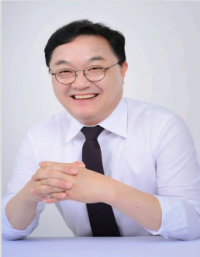
 ▲ 여영준 부연구위원은 “AI 패권 경쟁은 기술의 문제가 아니라, 인재를 중심으로 한 국가 시스템 경쟁으로 전환되고 있다”며, “중국은 인재의 선발부터 정착까지를 하나의 생태계로 설계함으로써 기술 경쟁력을 제도적 기반 위에 올려 놓았다”고 밝혔다. |
브리프는 글로벌 AI 경쟁의 핵심이 기술보다 ‘인재’에 있으며, 중국이 지난 10년간 AI 논문과 특허 점유율 모두에서 세계 1위를 기록했다고 밝혔다. 중국에서 같은 기간 AI 연구자 규모가 연평균 30% 증가하고, 상위 100대 AI 전문가 중 절반 이상이 중국계로 나타나 인재 집중이 심화된 것으로 분석됐다.
국가 차원의 AI 인재정책 구조 재설계와 생태계 전환 시급
반면 우리나라는 상위 100대 AI 연구자에 단 1명만 포함되고, 인구 1만 명당 AI 전문가 순유출 규모도 0.36명으로 OECD 국가 중 상위 수준에 해당하는 것으로 나타났다. 브리프는 이러한 결과를 “양적 부족과 질적 격차가 동시에 심화되는 국내 AI 인재생태계의 이중 위기”로 진단하며, 국가 차원의 인재 생태계 재구조화가 시급하다고 지적했다.
브리프는 중국이 AI 기술 굴기와 인재 굴기를 달성할 수 있었던 배경으로, 국가 차원의 전략적 AI 생태계 구축을 핵심 요인으로 제시했다. 특히, ▲스타트업부터 대기업까지 협력하는 개방형 AI 혁신 구조, ▲AI 연구와 산업 적용을 연결하는 기술 전주기 연계체계, ▲정부 주도 고위험 R&D 선행투자 확대, ▲AI 학습을 뒷받침하는 공공데이터 개방과 거버넌스 정비, ▲대규모 연산자원 등을 통합한 국가 AI 인프라 구축, ▲응용 중심의 AI 기술 자립화 전략 등을 주요한 요인으로 지목했다. 브리프는 이러한 복합 전략이 기술, 인재, 데이터, 인프라가 유기적으로 결합된 통합형 AI 혁신생태계를 완성한 동력이 되었다고 평가했다.
특히, 중국은 국가의 전략적 개입 아래 정부·산업·학계가 협력하는 개방형 인재 생태계를 구축해, 인재의 진입부터 정착까지 전 과정을 제도적으로 연계한 것으로 브리프는 분석했다. 또한 브리프는 중국이 AI 인재양성, 연구개발, 산업 활용을 하나의 순환 구조 안에서 작동하면서 AI 경쟁력을 위한 구조적 기반을 확보한 것으로 평가했다. 이에 한국 역시 AI 인재정책의 구조적 재설계와 생태계 차원의 대응체계 확립이 시급하다고 브리프는 지적했다.
이에 따라 브리프는 ▲인재의 진입, 양성, 활용, 정착이 단절되지 않도록 AI 인재 생애주기 연계 강화, ▲기초연구형과 산업응용형으로 구분된 AI 인재 유형별 맞춤 전략 추진, ▲핵심 연구거점과 혁신 클러스터를 중심으로 AI 인재 정착 기반 확충, ▲해외 우수 인재의 유입·정착·재유입을 촉진하는 글로벌 인재순환 체계 고도화 등을 제안하면서, 이를 토대로 AI 인재생태계의 자생력과 구조적 안정성을 높이고 기술 자립과 산업 경쟁력 강화를 함께 이끌 전략 축을 확립해야 한다고 강조했다.
아울러 브리프는 인재의 발굴에서 정착에 이르는 전 생애주기를 ①진로 탐색, ②입시·선발, ③역량형성, ④연구개발 및 역량 고도화, ⑤인재유치·정착 등으로 구분하고, 단계별 핵심 제약요인과 정책혁신 방향을 구체적으로 제시했다. 특히 ▲탑티어 인재 조기 선발체계 확립, ▲융합형 대학 교육모델 확산, ▲연구거점 중심 R&D 지원구조 개편, ▲기업 설립 대학(원) 활성화 통한 산업 주도 인재양성 모델 확산, ▲민간 주도 교육훈련 및 자격체계 구축, ▲글로벌 인재 유입·정착 지원 등 인재 파이프라인 전반의 구조적 개선과 거버넌스 혁신 필요성을 강조했다.
브리프를 작성한 여영준 부연구위원은 “AI 패권 경쟁은 기술의 문제가 아니라, 인재를 중심으로 한 국가 시스템 경쟁으로 전환되고 있다”며, “중국은 인재의 선발부터 정착까지를 하나의 생태계로 설계함으로써 기술 경쟁력을 제도적 기반 위에 올려 놓았다”고 밝혔다.
이어 “우리나라도 단기적 인력 양성에서 벗어나, 인재의 순환과 성장 구조를 뒷받침하는 지속가능한 인재정책으로 전환해야 한다”며, “한국이 기술과 인프라에서 일정 수준의 경쟁력을 확보한 만큼, 앞으로는 인재정책이 그 토대를 완성할 마지막 축이 되어야 한다”고 덧붙였다. hpf1naver.com
* 아래는 위 기사를 '구글 번역'으로 번역한 영문 기사의 [전문]입니다. '구글번역'은 이해도 높이기를 위해 노력하고 있습니다. 영문 번역에 오류가 있을 수 있음을 전제로 합니다. *The following is [the full text] of the English article translated by 'Google Translate'. 'Google Translate' is working hard to improve understanding. It is assumed that there may be errors in the English translation.
National Assembly Research Institute for the Future: "Of the top 100 AI researchers globally, more than half are from China, while Korea has only one."
"AI Talent Ecosystem Design" Determines National AI Competitiveness
Break News Political Reporter Kim Choong-lyoul = Since the beginning of the 21st century, artificial intelligence (AI) technology has rapidly developed, driving national innovation across industries. On Tuesday, November 11th, the National Assembly Research Institute for the Future (President Kim Ki-sik) published a brief titled "Talent Strategy in the Era of AI Hegemony: Building China's AI Industrial Ecosystem and Policy Implications." The brief analyzes China's talent-centered AI industrial ecosystem strategy, pursued over the past decade, and draws policy implications as the global AI technology competition escalates into a "strategic hegemony competition" that will determine national economic, industrial, and security orders.
The brief states that the core of the global AI competition lies in "talent," rather than technology, and that China has ranked first in the world in both AI papers and patent share over the past decade. In China, the number of AI researchers increased by an average of 30% annually over the same period, and more than half of the top 100 AI experts were of Chinese descent, indicating a deepening concentration of talent.
National-level restructuring of AI talent policy and ecosystem transformation are urgently needed.
In contrast, South Korea has only one AI researcher among the top 100, and its net outflow of AI experts per 10,000 people is 0.36, one of the highest among OECD countries. The brief diagnosed these results as a "dual crisis in the domestic AI talent ecosystem, with both a quantitative shortage and a qualitative gap deepening," and emphasized the urgent need for a national-level restructuring of the talent ecosystem.
The brief identified the establishment of a strategic national AI ecosystem as a key factor behind China's advancement in AI technology and talent development. In particular, the brief identified key factors as ▲an open AI innovation structure collaborating from startups to large corporations, ▲a technology lifecycle linkage system connecting AI research and industrial application, ▲expanding government-led upfront investment in high-risk R&D, ▲opening public data and refining governance to support AI learning, ▲establishing a national AI infrastructure integrating large-scale computational resources, and ▲an application-focused AI technology self-reliance strategy. The brief assessed that these complex strategies have served as the driving force behind the completion of an integrated AI innovation ecosystem organically combining technology, talent, data, and infrastructure.
In particular, the brief analyzed that China, under strategic government intervention, has established an open talent ecosystem where government, industry, and academia collaborate, institutionally linking the entire process from talent entry to settlement. Furthermore, the brief assessed that China has secured a structural foundation for AI competitiveness by operating within a single, cyclical structure encompassing AI talent development, R&D, and industrial application. Accordingly, the brief noted that Korea also urgently needs a structural redesign of its AI talent policy and the establishment of an ecosystem-level response system.
Accordingly, the brief proposed: ▲ Strengthening the AI talent lifecycle to ensure uninterrupted entry, development, utilization, and settlement of talent; ▲ Promoting tailored strategies for each AI talent type (basic research and industrial application); ▲ Expanding the AI talent settlement foundation centered on core research hubs and innovation clusters; and ▲ Advancing the global talent circulation system to facilitate the inflow, settlement, and re-inflow of outstanding overseas talent. It emphasized the need to establish a strategic axis to enhance the self-sufficiency and structural stability of the AI talent ecosystem and simultaneously drive technological independence and industrial competitiveness.
Furthermore, the brief divided the entire lifecycle of talent from discovery to settlement into four stages: ① career exploration, ② admissions and selection, ③ competency development, ④ R&D and competency advancement, and ⑤ talent attraction and settlement. It also specifically presented key constraints and policy innovation directions for each stage. In particular, the brief emphasized the need for structural improvements and governance innovation across the entire talent pipeline, including establishing a system for early selection of top-tier talent, expanding a convergence university education model, restructuring the R&D support structure centered on research hubs, expanding an industry-led talent development model by revitalizing corporate-founded universities, establishing a private-sector-led education, training, and qualification system, and supporting the influx and settlement of global talent.
Deputy Research Fellow Yeo Young-jun, who authored the brief, stated, "The competition for AI hegemony is no longer a matter of technology; it is shifting to a national system competition centered on talent." He added, "China has built its technological competitiveness on an institutional foundation by designing a single ecosystem from talent selection to settlement."
He continued, "South Korea must also move beyond short-term talent development and transition to a sustainable talent policy that supports talent circulation and growth." He added, "Now that Korea has secured a certain level of competitiveness in technology and infrastructure, talent policy must become the final pillar to complete that foundation." hpf1naver.com