브레이크뉴스 김충열 정치전문기자 = 김영배 더불어민주당 의원은 최근 한미 간 ‘조인트 팩트시트’ 발표가 지연된 배경에 대해 “미국 내 일각에서 한국의 핵무장 가능성을 의심했기 때문”이라고 지적하며, “윤석열 정부와 구여권 인사들의 핵무장 발언이 외교·안보에 심각한 악영향을 끼쳤다”고 비판했다.
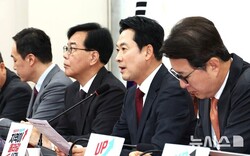
 ▲ 김영배 더불어민주당 의원이 14일 오전 서울 여의도 국회 외교통일위원회에서 열린 통일부 등에 대한 국정감사에서 질의를 하고 있다.2025.10.14 © 뉴시스 |
김 의원은 18일, 자신의 SNS를 통해 이같이 밝히며 “윤석열 대통령이 2023년 신년 업무보고에서 전술핵 배치와 자체 핵 보유 가능성을 언급하고, 같은 해 4월 하버드대 연설에서도 ‘1년 내 핵무장 가능’ 발언을 한 것이 미국의 신뢰를 흔들었다”고 주장했다.
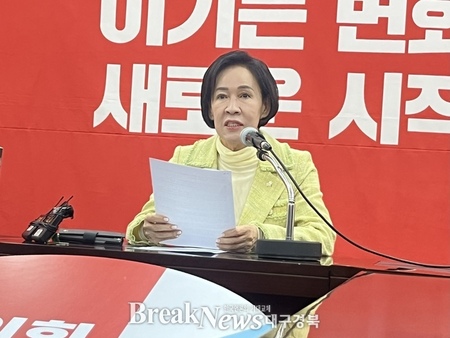
이어 “2024년 6월에는 나경원 국힘 의원이 SNS를 통해 ‘이제는 우리도 핵무장을 해야 한다’고 주장했고, 오세훈 서울시장과 홍준표 전 대구시장도 핵균형론을 거론했다”며 "당시 여권 인사들의 일련의 발언이 미국의 경계심을 자극했다”고 밝혔다.
그 결과, 한국은 미국으로부터 ‘민감국가’로 지정되었고, 이로 인해 핵추진 잠수함 건조 승인과 조인트 팩트시트 발표가 지연되는 등 외교적 차질이 발생했다는 것이다.
김영배 의원은 “윤석열 정부와 국민의힘의 자극적인 핵무장론은 미국의 불신만 키우고 국익을 해치는 결과를 낳았다”며, 반면에 “이재명 정부는 조용하지만 끈기 있게 관세 협상을 타결하고, 핵잠 건조와 핵 재처리 시설에 대한 미국의 찬성까지 이끌어냈다”며 이재명 정부의 외교적 성과를 강조했다.
김 의원은 “오세훈 시장과 나경원 의원은 경거망동한 핵무장 발언으로 인해 핵추진 잠수함 사업이 좌초될 뻔한 사안에 대해 국민 앞에 공개 사과해야 한다”며 강도 높은 사과를 촉구했다.
이번 논란은 북러 간 군사 협력 강화와 맞물려 한반도 안보 정세가 민감하게 요동치는 가운데, 국내 정치권의 발언이 외교적 파장을 불러올 수 있음을 다시금 상기시키고 있다.
핵잠수함 추진의 필요성과 전략적 의미
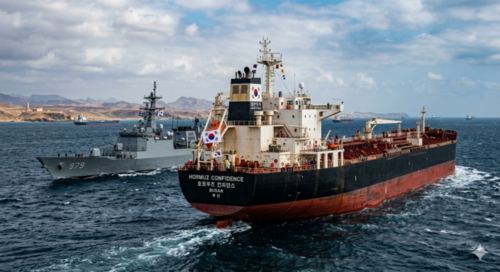
핵추진 잠수함은 디젤 잠수함보다 훨씬 오랜 시간 동안 수중 작전이 가능해, 북한뿐 아니라 중국·러시아의 해양 활동을 감시하고 억제하는 데 효과적이다. 전략적 억제력 강화 차원에서 SLBM(잠수함발사탄도미사일) 탑재가 가능해지면, 북한의 핵·미사일 위협에 대한 ‘보복 능력’이 강화된다. 이는 확장억제의 실효성을 높이는 수단이 될 수 있다.
신냉전체제 전환과 한국의 딜레마
미국의 ‘아시아판 나토’ 구상으로 미국은 인도·태평양 지역에서 중국 견제를 위해 일본, 한국, 호주 등과의 다층적 동맹 네트워크를 강화하고 있으며, 한국의 핵잠수함 보유는 이 전략의 일환으로 해석된다. 이 과정에서 북중러의 반발이 우려되는데 중국은 자국 주변 해역에서의 미국 및 동맹국의 군사력 증강에 민감하게 반응하고 있으며, 한국의 핵잠 보유는 북중러의 군사적 결속을 자극할 수 있다.
한국의 전략적 선택, 자율성과 균형의 확보
한미일 안보협력 강화는 단기적으로는 북핵 억제에 도움이 되지만, 장기적으로는 한국이 미일 전략에 종속될 위험이 있다. 이는 외교적 자율성을 제약할 수 있다. 한국은 지정학적 위치상 북중러와도 일정 수준의 외교적, 경제적 관계를 유지할 필요가 있으며, 지나친 진영화는 경제·안보 모두에 부담이 될 수 있다.
따라서 핵잠수함 추진은 필요하지만, 이를 미국의 전략적 틀 안에서만 해석하기보다는 독자적 기술 확보와 외교적 중립성 유지라는 이중 전략이 요구된다.
결론적으로, 핵잠수함은 한국 안보에 실질적 도움이 되는 전략 자산이지만, 이를 추진하는 과정에서 신냉전 구도에 편승하는 방식은 바람직하지 않다. 한국은 자주적 안보 전략과 균형외교를 통해, 기술적 진보와 외교적 자율성을 동시에 추구해야 할 시점이다. hpf21@naver.com
* 아래는 위 기사를 '구글 번역'으로 번역한 영문 기사의 [전문]입니다. '구글번역'은 이해도 높이기를 위해 노력하고 있습니다. 영문 번역에 오류가 있을 수 있음을 전제로 합니다. *The following is [the full text] of the English article translated by 'Google Translate'. 'Google Translate' is working hard to improve understanding. It is assumed that there may be errors in the English translation.
Rep. Kim Young-bae: "Oh Se-hoon and Na Kyung-won's 'nuclear armament' remarks led to the near-grounding of a nuclear-powered submarine."
Reckless calls for nuclear armament undermine national interests… Oh Se-hoon and Na Kyung-won must publicly apologize.
Break News Political Reporter Kim Choong-lyoul = Rep. Kim Young-bae of the Democratic Party of Korea pointed out that the recent delay in the release of the "Joint Fact Sheet" between South Korea and the United States stemmed from "some suspicions within the United States about the possibility of South Korea arming itself with nuclear weapons." He criticized the remarks, saying, "The remarks by the Yoon Seok-yeol administration and former ruling party members on nuclear armament have had a serious negative impact on diplomacy and security."
Rep. Kim made this announcement on his social media account on the 18th, arguing, "President Yoon Seok-yeol's mention of deploying tactical nuclear weapons and the possibility of possessing our own nuclear weapons in his 2023 New Year's report, and his remark in his Harvard University speech in April of the same year that 'nuclear armament is possible within a year' have shaken the trust of the United States."
He continued, "In June 2024, People Power Party lawmaker Na Kyung-won asserted on social media, 'It's time for us to arm ourselves with nuclear weapons,' and Seoul Mayor Oh Se-hoon and former Daegu Mayor Hong Joon-pyo also discussed the nuclear balance theory." He added, "A series of remarks by ruling party figures at the time aroused US vigilance."
As a result, South Korea was designated a "sensitive country" by the US, leading to diplomatic setbacks such as delays in approval for the construction of nuclear-powered submarines and the release of a joint fact sheet.
Representative Kim Young-bae stated, "The provocative nuclear armament calls of the Yoon Seok-yeol administration and the People Power Party only deepened US distrust and harmed national interests." In contrast, he emphasized the Lee Jae-myung administration's diplomatic achievements, saying, "The Lee Jae-myung administration quietly but persistently concluded tariff negotiations and even secured US approval for the construction of nuclear submarines and nuclear reprocessing facilities."
Rep. Kim urged a strong apology, saying, "Mayor Oh Se-hoon and Rep. Na Kyung-won should publicly apologize to the public for their rash nuclear armament remarks, which nearly derailed the nuclear-powered submarine project."
This controversy, coupled with the growing military cooperation between North Korea and Russia, has heightened the sensitivity of the security situation on the Korean Peninsula, and serves as a reminder that domestic political statements can have diplomatic repercussions.
The Necessity and Strategic Significance of Nuclear-Powered Submarines
Nuclear-powered submarines can operate underwater for much longer periods than diesel-powered submarines, making them effective in monitoring and deterring maritime activities not only from North Korea but also from China and Russia. To strengthen strategic deterrence, the ability to mount SLBMs (submarine-launched ballistic missiles) would strengthen the "retaliatory capability" against North Korea's nuclear and missile threats. This could serve as a means of enhancing the effectiveness of extended deterrence.
The Transition to a New Cold War System and Korea's Dilemma
With the US's vision of an "Asian NATO," the US is strengthening its multi-layered alliance network with Japan, South Korea, Australia, and others to contain China in the Indo-Pacific region. South Korea's possession of nuclear submarines is seen as part of this strategy. This process raises concerns about potential backlash from North Korea, China, and Russia. China is sensitive to the military buildup of the US and its allies in its surrounding waters, and South Korea's possession of nuclear submarines could spur military solidarity among these three countries.
South Korea's Strategic Choice: Securing Autonomy and Balance
Strengthening security cooperation between South Korea, the US, and Japan may help deter North Korea's nuclear program in the short term, but in the long term, South Korea risks becoming subordinate to US-Japan strategies. This could limit its diplomatic autonomy. Given its geopolitical position, South Korea needs to maintain a certain level of diplomatic and economic relations with North Korea, China, and Russia. Excessive expansion could be detrimental to both its economy and security.
Therefore, while pursuing nuclear submarines is necessary, rather than interpreting it solely within the US strategic framework, a dual strategy of securing independent technology and maintaining diplomatic neutrality is required.
In conclusion, nuclear submarines are a strategic asset that substantially contributes to South Korea's security, but pursuing them in a way that aligns with the new Cold War dynamic is undesirable. South Korea must simultaneously pursue technological advancement and diplomatic autonomy through an independent security strategy and balanced diplomacy. hpf21@naver.com