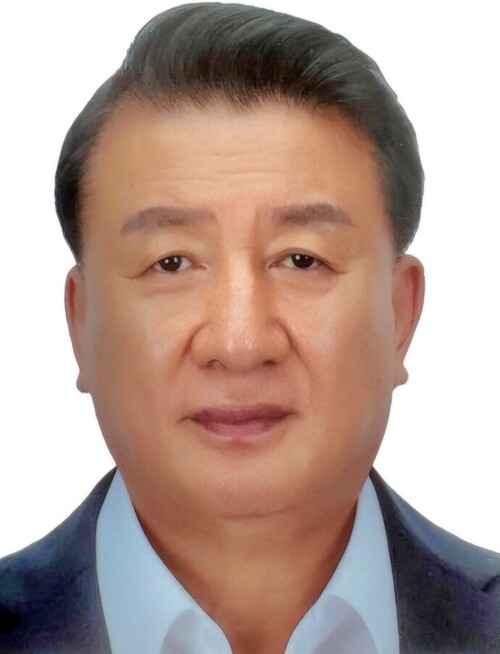
▲필자/ 이양승 군산대 교수. ©브레이크뉴스 |
극우주의는 굉음과 함께 등장하는 게 아니다. 논리적이면 ‘극우’가 아니라고 생각하는 사람들이 많은 것 같다. 착각이다. 가장 무서운 순간은 극단주의가 ‘논리적 언어’의 외피를 쓰고 대중에게 스며들 때다. 히틀러의 ‘나의 투쟁’이 그랬다. 내용에 논리가 없었던 게 아니라 대중의 감정을 자극, 특정 집단을 ‘비인간화’ 했던 게 문제였다. 인간은 혐오를 얼마든지 합리적 주장으로 포장할 수 있다. 세상 어디를 가나 궤변가들이 없는 곳이 없다. 없을 때도 없다.
극우주의를 판별하는 가장 핵심적인 기준은 네 가지다. 배타적 민족주의, 권위주의적 리더십 숭배, ‘우리 대 그들’ 같은 대결구도의 포퓰리즘, 그리고 약자 소수자에 대한 체계적 배제. 이 중 어느 하나만 충족해도 극단주의 방향으로 기울기 시작한다. 문제는 그러한 사고방식이 화려한 말솜씨와 정치적 논리로 포장되어 정치의 장에 침투하는 것이다. 사람들은 주장이 논리적이면 그 주장 자체에 윤리성까지 부여하기 쉽다. 바로 그 지점에서 극우주의가 싹틀 수 있다. 히틀러가 연설을 못하고 문장력이 부족했던 게 아니다.
최근 국민의힘 박민영 대변인이 같은 당 김예지 의원을 향해 비난성 표현을 사용한 게 문제가 되고 있다. 물론 박 대변인의 본심은 아닐 것이다. 하지만 아무리 전후 맥락이 있다고 해도 박 대변인의 발언은 ‘장애인 비하’로 오인되기 쉽다. 결코 가볍게 넘길 일이 아니다. 더 큰 문제는 박 대변인의 지지자들일 수도 있다. 박 대변인의 말이 뭐가 틀렸냐는 식의 주장만 거듭할 뿐이다. 정당은 단순한 정책 집단이 아니라 사회적 약자와 그 권리를 보호하는 공적기구여야 하지 않을까 싶다. 정당 조직 내부에서 약자 비하가 발생할 때, 사람들은 그걸 한 개인의 실수로만 치부하지 않을 것이다.
한국 정치의 과도한 경쟁은 종종 대중의 감정에 기대 상대를 공격하는 언어를 부추긴다. 하지만 약자를 공격하는 언어, 혐오를 조장하는 정치 전략은 결코 성공할 수 없다. 단기적으로 지지층 결집을 유도할 수 있을지는 몰라도, 사회적 신뢰를 훼손해 정치 수준을 떨어뜨릴 뿐이다. 제대로 된 민주주의 나라에서 약자보호는 기본이다. 한국의 민주주의는 나이를 거꾸로 먹어 갈수록 혐오를 자양분으로 삼는 경향이 있다. 기본을 되새길 때다.
비판을 금지하자는 게 아니다. 정치에서 비판은 없을 수 없다. 하지만 비판과 비하는 다르다. 인간을 대상화하고 조롱하는 언어는 비판이 아니라 배제다. 그러한 배제가 일상화될 때, 극단주의가 자리를 잡고 조직의 체질을 바꿀 수 있다. ‘논리적인 말하기’로 포장된 극단주의가 실은 더 위험할 수도 있다. 사람들로 하여금 그게 합리적 주장이라고 착각하게 만들기 때문이다.
정치에서 필요한 건 더 많은 논리가 아니라, 더 깊은 인간애가 아닐까? 약자를 향한 언어를 보면 그 사회의 수준이 드러난다고 한다. 작은 말실수처럼 보일지라도, 그 언어가 무엇을 향하고 있는지, 어떤 가치관 세계관을 지향하는지 점검이 필요해 보인다. 극우주의를 하면 거대한 깃발과 군화 소리를 연상하지만 실은 일상의 언어 속 작은 ‘비인간화’에서 시작된다. 논리적이면 무조건 정당할까? 지금 국민의힘은 그렇다고 대답하려는 것 같다. 착각이다. yslee1992@hotmail.com
*필자/이양승
군산대 교수. 국제경제, 게임이론 그리고 지역 발전전략에 대해 연구하는 학자이다. 현재 국립 군산대 무역학과 교수로 재직 중이다. 이전엔 캐나다 앨버타 대학교(University of Alberta) 경제학과에서 ‘게이임(gaming)’에 대해 연구와 강의를 했으며, 한국건설산업연구원에서 연구위원으로 근무했다.
전북 남원에서 출생해 전주한일고와 전북대 상과대학을 졸업했다. 이후 미국으로 건너가 노스 캐롤라이나 주립대학교 (North Carolina State University)에서 통계학과 경제학을 공부해 석사를 받았으며, 캔자스 대학교(The University of Kansas)에서 산업조직과 게임이론에 대한 연구로 경제학 박사를 받았다.
저서로는 '메트로 이코노미 (타임라인)'과 ‘와일드 게임이론 (박영사)’, ‘무역학개론(공저, 두남)’, ‘문화지체에 빠진 건설산업 (공저, 한국건설산업연구원)’ '자유무역론(박영사)' 등이 있고, 36편의 단독연구 학술논문이 있다.
*아래는 위 기사를 '구글 번역'으로 번역한 영문 기사의 [전문]입니다. '구글번역'은 이해도 높이기를 위해 노력하고 있습니다. 영문 번역에 오류가 있을 수 있음을 전제로 합니다.<*The following is [the full text] of the English article translated by 'Google Translate'. 'Google Translate' is working hard to improve understanding. It is assumed that there may be errors in the English translation.>
Dehumanization disguised as logic: What is far-rightism?
- Professor Lee Yang-seung, Kunsan National University
Far-rightism doesn't emerge with a roar. Many people seem to think that if something is logical, it's not "far-right." This is a misconception. The most frightening moment is when extremism, disguised as "logical language," infiltrates the public. Hitler's "Mein Kampf" was like this. The problem wasn't that the content lacked logic, but that it provoked public emotion and "dehumanized" a specific group. Humans can easily disguise hatred as rational argument. There are countless sophists everywhere, and there are always those who are absent.
There are four key criteria for identifying far-rightism: exclusive nationalism, the worship of authoritarian leadership, populism based on an "us versus them" confrontation, and the systematic exclusion of vulnerable minorities. When any one of these criteria is met, the trend toward extremism begins. The problem is that such thinking, disguised as flowery rhetoric and political logic, infiltrates the political arena. People tend to ascribe morality to arguments that are logical. This is precisely where far-right extremism can sprout. Hitler wasn't a speechwriter or writer.
Recently, Park Min-young, spokesperson for the People Power Party, has become a problem for using derogatory language toward fellow party member Kim Ye-ji. Of course, this wasn't Park's true intention. However, even with the context, her remarks could easily be misinterpreted as "disparaging the disabled." This is not something to be taken lightly. A bigger problem may be Park's supporters, who simply repeat the same argument, questioning what was wrong with her words. Shouldn't a political party be a public institution dedicated to protecting the socially vulnerable and their rights, not simply a policy body? When disparaging the vulnerable occurs within a political party, people won't dismiss it as a single individual's mistake.
The excessive competition in Korean politics often fuels language that exploits public sentiment and attacks opponents. However, language that attacks the vulnerable and political strategies that incite hatred will never succeed. While it may mobilize supporters in the short term, it only undermines social trust and lowers the standard of politics. In a proper democracy, protecting the vulnerable is fundamental. As Korean democracy ages, it tends to feed on hatred. It's time to revisit the fundamentals.
I'm not suggesting we ban criticism. Criticism is inevitable in politics. However, criticism and disparagement are different. Language that objectifies and mocks people is not criticism; it's exclusion. When such exclusion becomes routine, extremism can take hold and change the very fabric of an organization. Extremism disguised as "logical language" can actually be more dangerous, as it fools people into believing it's rational.
Isn't what politics needs not more logic, but a deeper humanity? It's said that language directed at the vulnerable reveals the quality of a society. Even if it seems like a small slip of the tongue, it's necessary to examine the direction of that language, the values it promotes, and the worldview it fosters. When we think of extreme right-wing extremism, we think of huge flags and the clatter of military boots, but it actually begins with the small "dehumanization" of everyday language. Is logic always justifiable? The People Power Party seems to be trying to answer yes. It's a mistake. yslee1992@hotmail.com
*Author/Yangseung Lee
Professor at Kunsan National University. He studies international economics, game theory, and regional development strategies. He currently serves as a professor in the Department of International Trade at Kunsan National University. Previously, he researched and lectured on "gaming" in the Department of Economics at the University of Alberta in Canada and served as a research fellow at the Construction and Economy Research Institute of Korea.
Born in Namwon, North Jeolla Province, he graduated from Jeonju Hanil High School and the College of Commerce at Chonbuk National University. He later moved to the United States, where he earned a master's degree in statistics and economics from North Carolina State University and a doctorate in economics from the University of Kansas, focusing on industrial organization and game theory.
His books include 'Metro Economy (Timeline),' 'Wild Game Theory (Parkyoungsa),' 'Introduction to Trade Studies (co-authored, Doonam),' 'The Construction Industry in Cultural Lag (co-authored, Korea Construction Industry Research Institute),' and 'Free Trade Theory (Parkyoungsa),' and he has published 36 independent academic papers.