[노병한의 관상·칼럼]글자 모양에 비유하는 관상의 유형에는 ‘갑(甲)자상·유(由)자상·신(申)자상·전(田)자상·동(同)자상·왕(王)자상·원(圓)자상·목(目)자상·용(用)자상·풍(風)자상’ 등 10가지가 대표적이다. 오늘은 납 목자형(目字形)관상·목자상(目字相) 얼굴의 생김새의 특징을 살펴보자.
목자형(目字形) 관상의 얼굴·생김새의 특징은 대체로 직사각형을 세워 놓은 듯해 눈 목(目)자의 한자를 닮았다. 목자형(目字形) 관상은 이마·이마뼈·천정(天庭)·중정(中庭)과 의 부위가 광대뼈 모두 넓은데가 없이 좁고 높으며 콧대가 길며 턱이 좁고 길며, 얼굴의 네 귀가 각이 지면서 전체적으로 갸름한 상이다.
한마디로 목(目)자형의 관상은 얼굴의 전체 윤곽이 세로로 길고, 이마와 턱은 좁은 편이며, 코와 눈이 길고 선이 곧아 뚜렷하며, 눈매가 깊고 길며, 눈동자가 명확하여 ‘빛나는 눈’이고, 볼의 살이 적고 얼굴 중심부인 ‘코·눈 주변’이 강조되어 ‘중앙집중형’의 인상인데, 입은 작으나 선이 단정하다는 인상을 주며, 옆모습에서 보면 코·입·턱이 한 선상에 가깝게 배치되어 정제된 느낌을 주는 관상이다.
목(目)자형의 관상은 오행의 목(木)형에 가까운 관상이다. 그래서 목(目)자형의 관상은 얼굴이 목(目)자의 형태처럼 위아래의 폭이 같기에 전체적으로 길고 가늘게 보이는 게 특징이다. 콧날이 길게 뻗어 전체적으로 처진 것과 같은 형상이고 대체로 말(馬)의 형상에 가까운 상이다. 그런데 얼굴이 목(目)자형·말(馬)의 형상인 관상이라도 운명이 정반대로 나타나는 사람도 있다.
이렇게 ‘눈 목(目)’이라는 글자처럼 세로로 길고 중앙이 두드러진 얼굴형의 목자상(目字相)을 가진 사람의 기질과 성격은 어떨까? 목(目)자형의 관상을 가진 사람은 대체로 지성적·분석력·통찰력·관찰력이 뛰어나 세밀한 부분을 잘 놓치지 않고, 감정보다는 이성, 직감보다는 논리로 판단하는 경향이 강하다.
목자상(目字相)은 내면이 깊고 사색적이며, 겉으로 감정을 드러내지 않고 자기 확신이 강해 외유내강형으로 겸손하게 표현하는 타입인데, 진실을 꿰뚫어 보는 눈이 있어 사람·상황을 꿰뚫는 능력이 탁월하다.
목(目)자형의 관상을 가져 얼굴이 좁고 긴 사람은 총명한 두뇌와 특별히 뛰어나듯 발군(拔群)의 재치를 지닌 상이다. 목(目)자형의 관상은 온후한 성품과 선량하고 사랑이 깊으며 내성적이나 한번 화를 내면 무섭고 신경질적이다.
 ▲ 목(目))자형 관상과 운세의 특징 © 노병한 사주풍수칼럼니스트 |
목(目)자형의 말(馬)상은 얼굴이 야위어 보이고 뼈가 바르고 눈썹과 눈이 단정하고 품위가 있는 사람은 고귀한 관상이다. 그렇지만 마음이 좁고 구두쇠 기질이 있어서 도량이 큰 인물이라고 말하기는 어려운데, 약간 까다로워 보이며 우울증을 겪을 수 있는 관상이다.
그리고 목(目)자형의 말(馬)상이라도 얼굴의 생김새가 혼탁하면 재운(財運)이 좋지 않아 평생 고생할 수 있는 관상이라 판단해야 옳다. 그리고 여성이 목(目)자형의 관상일 경우 동서지간과 시부모님과 갈등이 많은 관상이다.
목(目)자형의 관상을 가진 사람이 오관(五官)에 해당하는 ‘눈·코·입·귀·눈썹’의 이목구비가 균형을 이루지 못하면 허영심이 강하고 실패를 반복하며 좋은 재주를 가지고서도 화합하지 못해 인간관계가 원만하지 못한 경우가 많다.
목(目)자형의 관상을 가진 사람이 오관(五官)에 해당하는 ‘눈·코·입·귀·눈썹’의 이목구비가 균형을 이루지 못하면 감성이 좋고 지력(智力)이 탁월하나 가벼운 일에도 이성과 지혜를 뜻하는 이지(理智)와 감정이 충돌해 번뇌를 많이 한다.
목(目)자형의 관상을 가진 사람이 턱·아래턱(下巴)·하관(下觀)·지각(地閣)의 부위가 지나치게 큰 경우에는 실행력은 있으나 감정이 이성·지혜를 뜻하는 이지(理智)보다 앞서 감정에 치우치는 경향이 짙은 게 문제다.
목(目)자형의 관상을 가진 사람의 강점과 장점은 우수한 통찰력·집중력·기억력과 함께 판단의 정확성과 실행의 논리성이 뛰어나며, 꾸준한 노력형·성실형으로 신뢰를 얻는 타입으로, 상대방의 의도를 정확히 꿰뚫는 ‘눈의 힘’이 있어 협상·조정 능력이 뛰어나며, 의지가 강하고 자신이 좋아하는 분야에 끈질기게 노력해 나가는 유형이다.
목(目)자형의 관상을 가진 사람의 약점은 과도한 분석과 자기비판으로 인해 우유부단함이 있고, 감정 표현이 부족해 인간관계가 냉정해 보일 수 있으며, 완벽주의 성향으로 주변과 충돌 가능성도 있고, 지나친 몰입으로 체력·정신의 피로 누적이 잦은 게 문제이며, 허세를 부리거나 쓸데없는 행동으로 도가 지나친 경우가 종종 있음을 단점이라 할 수 있다.
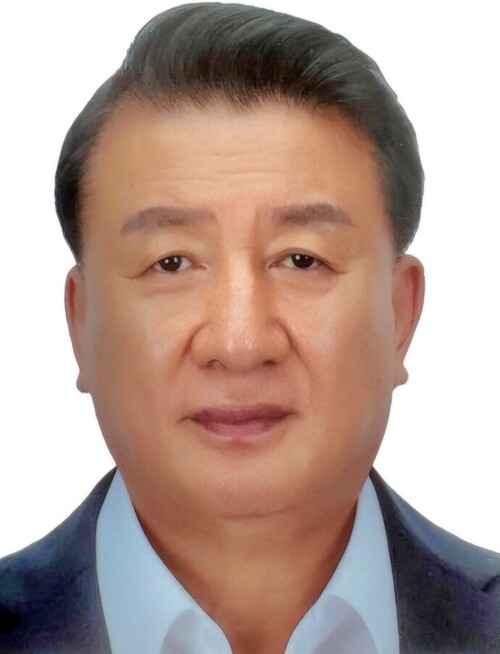
 ▲ 목(目)자형 관상의 관상의 이미지 © 노병한 사주풍수칼럼니스트 |
목(目)자형 관상의 관상의 이미지
재계의 유명 인사 중 ‘목(目)자형 관상’에 속한 경우는 정몽준·손경식·조현준·허창수·정의선·김택진·구광모 등이다. 한편 연예계의 유명 인사 중 ‘목(目)자형 관상’에 속한 경우는 이병헌·정우성·전지현·이이유·지진희·차승원·공유·이승기 등이다. 정계의 유명 인사 중 ‘목(目)자형 관상’에 속한 경우는 이명박·이낙연·정운찬·유승민·조정훈 등을 들 수 있다.
목(目)자형의 관상을 가진 사람은 진로와 직업 측면에서 분석·관찰·판단이 필요한 분야에서 두각을 나타낼 수 있기에, 학자·판사·검사·의사·철학자·예술감독·과학자·정보분석가·심리학자·컨설턴트·언론계·출판계·연구직·정책기획·IT·데이터 분석 등의 분야와 잘 맞는 관상이다.
한편 목(目)자형의 관상을 가진 사람이 시각적인 예민함을 잘 살리면 사진가·디자이너·영상감독 등에도 가능한 관상이다. 그래서 ‘목(目)자형’의 관상을 가진 경우 기질적으로 예능 계통으로 진출하는 경우가 많고 요리조리 헤아려 보고 생각해 낸 꾀를 뜻하는 계교(計巧)와 사실을 왜곡해 속임수를 사용하는 등 모략(謀略)을 겸하는 상업 분야로 진출하는 경향도 많다.
‘목(目)자형’의 관상을 가진 사람은 한 가지 일에 정진하는 게 좋다. 즉 이공계에서 기술을 익히거나 예능 계통에서 재능과 재주를 익히는 게 장래를 위해서 바람직한 관상이다. ‘목(目)자형’의 관상에 약간 각(角)이 진 얼굴을 가진 사람은 조각가·공예가가 많은 게 특징이다. 그리고 ‘목(目)자형’의 관상에 붉은 기운의 찰색(察色)의 도는 사람은 학문·예술 분야 등에서 두각을 보이며 성공하는 사례도 많다.
‘목(目)자형의 관상’의 초년운·중년운·말년운의 운세 흐름을 보자. ‘목(目)자형의 관상’의 [0세~30세의 전후] 초년운은 씨앗이 뿌리내리며 인생 초반의 성격 형성과 인간관계·습관이 자리를 잡는 시기다. 그래서 ‘목(目)자형의 관상’은 초년 시기에 두뇌가 명석하고 학업 성취도가 우수해 주위의 인정을 받으나, 내성적 성향으로 연구·탐구형의 성장 스타일로 가정의 영향이 크며 조기 유학·전공 심화에 유리한 관상이다. 목(目)자형의 관상을 가진 사람은 초년운은 좋지만 20세 전후에 고향을 떠나 객지에서 유랑하며 세월을 보내는 경우가 많다.
‘목(目)자형의 관상’의 [30세~55세·60세의 전후] 중년운은 인생의 중심 시기로 자신의 노력과 능력 그리고 선택이 운명을 크게 좌우하는 시기다. ‘목(目)자형의 관상’은 중년운에 경험과 지식이 결합 되고 사회적으로 자리 잡는 시기로 직업적 명성·전문성 확립을 이루는 시기이다. ‘목(目)자형의 관상’은 중년 시기에 관운(官運)과 명예운이 동시 상승하나, 30세 이후 중년운에 재난(災難)으로 가세(家勢)가 기울거나 집안의 가신(家産)이 탕진될 수도 있고, 인간관계의 확장 실패 시엔 고립될 가능성이 있으므로 협업의 중요성을 깨달아야 하는 점이 관건이다.
 © 노병한 사주풍수칼럼니스트 |
‘목(目)자형의 관상’의 [55세·60세의 이후~] 말년운은 열매를 맺고 거두는 시기로 초년과 중년에서 앞서 이룬 삶의 결실이 드러나는 시기다. 앞선 삶의 결과와 덕이 돌아오는 시기이기에, 말년운은 초년·중년 때 쌓은 인연과 덕으로 평안의 여부가 갈릴 수 있는 시기이고, 동시에 은퇴·자녀 문제·노후 자산·건강이 핵심을 이루는 시기다.
‘목(目)자형의 관상’이 가지는 인생 후반의 말년운은 안정적이어서 명예운과 사회적인 평가가 높고 주변에서 ‘현자’로 불리며, 학문·예술·자문직으로 존경받으면서 초중년에 비해 온화·평온하게 보내는 경우가 많고, 자식은 많으나 효도하는 자식이 별로 없는 관상이다.
‘목(目)자형의 관상’의 건강과 수명을 보자. ‘목(目)자형의 관상’은 비교적 건강한 체질이나 신경성 위염·두통·불면으로 고생하는 경우가 많아 신경성 질환에 유의해야 할 관상이다. ‘목(目)자형의 관상’에 체형이 여윈 경우에는 중년 이후에 간·위장 관련 질환d을 특별히 조심해야 한다.
한편 정계·재계·연예계의 ‘목(目)자형 관상’으로 분류될 수 있는 유명 인사의 사례와 함께, ‘목(目)자형 관상’에 속하는 사람의 길흉화복 그리고 운(運)이 닫히거나 막히는 경우 돌파하는 방편으로 운(運)을 열리게 하는 개운(開運)에 대해서는 다음 차회(次回)의 칼럼에서 다루기로 한다.
□글/노병한:박사/한국미래예측연구소(소장)/노병한박사철학원(원장)/자연사상칼럼니스트/인생상담사
*아래는 위 기사를 '구글 번역'으로 번역한 영문 기사의 [전문]입니다. '구글번역'은 이해도 높이기를 위해 노력하고 있습니다. 영문 번역에 오류가 있을 수 있음을 전제로 합니다.<*The following is [the full text] of the English article translated by 'Google Translate'. 'Google Translate' is working hard to improve understanding. It is assumed that there may be errors in the English translation.>
[Noh Byeong-han's Physiognomy and Column] There are ten representative types of physiognomy, which are compared to the shapes of letters: "Gap (甲)", "Yu (由)", "Sin (申)", "Jeon (田)", "Dong (同)", "Wang (王)", "Won (圓)", "Mok (目)", "Yong (用)", and "Pung (風)". Today, let's examine the characteristics of the face in the "Nap Mok-type" (目字形) physiognomy and "Mok-type" (目字相) physiognomy.
The facial features of the "Mok-type" (目字形) physiognomy are generally rectangular, resembling the Chinese character for "eye" (目). The "Mok" (目字形) face features narrow, high cheekbones, a long nose bridge, a narrow, long chin, and angular ears, all of which are prominently angled, creating an overall slender appearance.
In short, the "Mok" (目) face features a vertically elongated face, narrow forehead and chin, a long, straight, and distinct nose and eyes, deep, long eyes, and clear pupils, giving the face a "sparkling eye" appearance. The cheeks are thin, with the center of the face, the "nose and eye area," emphasized, creating a "centralized" appearance. The mouth is small but has a refined, refined appearance. When viewed from the side, the nose, mouth, and chin are aligned closely together, creating a refined impression.
The "Mok" (目) face is similar to the "Wood" (木) type of the Five Elements. Therefore, the "Mok" (目)-shaped face is characterized by a face with equal width from top to bottom, resembling the Chinese character for "Mok" (目). This shape resembles a long, slender nose, and generally resembles a horse's face. However, even those with "Mok" (目) or "Horse" (馬) faces can have completely opposite fates.
What are the temperament and personality of someone with this "Mok" (目)-shaped face, a vertically elongated face with a prominent center, resembling the Chinese character for "eye" (目)? People with this "Mok" (目)-shaped face are generally highly intelligent, analytical, insightful, and observant, paying close attention to detail. They tend to make decisions based on reason rather than emotion, logic rather than intuition.
The Mokja (目字相) face type is characterized by a deep and reflective nature. They are reserved and self-confident, expressing themselves humbly, with a soft exterior and strong interior. Their ability to discern truth is exceptional, allowing them to grasp people and situations.
Those with a Mok (目) face shape, with a narrow and long face, possess a brilliant mind and exceptional wit. Mok (目) face shapes are gentle, kind, loving, and introverted, but can be fearsome and irritable when angered.
Those with a Mok (目) face shape, with a lean, straight face, neat eyebrows and eyes, and a dignified appearance, are considered noble. However, they tend to be narrow-minded and miserly, making it difficult to describe them as generous. They appear somewhat picky and prone to depression.
Even if a person has a horse-shaped face (目), if the facial features are cloudy, it's a sign of poor financial fortune and a lifetime of hardship. Furthermore, if a woman has a face with a "目" shape, she's likely to face many conflicts with her in-laws and in-laws.
If a person with a "目" face has unbalanced facial features (eyes, nose, mouth, ears, and eyebrows), they'll likely be vain, prone to repeated failures, and even with great talent, they'll struggle to get along, resulting in strained interpersonal relationships.
People with a face shape shaped like the letter "Mok" (目) have unbalanced facial features (eyes, nose, mouth, ears, and eyebrows)—the five senses. While this person possesses a strong sense of humor and exceptional intellect, even in minor matters, their emotions clash with their reasoning and wisdom, often leading to frequent distress.
People with a face shape shaped like the letter "Mok" (目) have excessively large chins, lower jaws, lower eyes, and upper jaws. This can lead to a problem: while they possess the ability to execute, their emotions often overwhelm their reasoning and wisdom.
The strengths and advantages of people with the "Mok" (目) face shape include exceptional insight, concentration, and memory, along with exceptional judgment accuracy and logical execution. They are a trustworthy, hard-working, and diligent type. Their "eye power" allows them to accurately discern others' intentions, making them excellent negotiators and mediators. They are also strong-willed and persistent in their pursuits.
Weaknesses of people with the "Mok" (目) face shape include indecisiveness due to excessive analysis and self-criticism. Their lack of emotional expression can make them appear cold in interpersonal relationships. Their perfectionist tendencies can lead to conflict with those around them. Excessive focus can lead to physical and mental fatigue. Their weaknesses include a tendency to overexert themselves, often leading to pretentiousness and unnecessary behavior.
Physiognomy Images of the "Mok" (目) Type Face
Among the prominent figures in the business world, those with the "Mok" (目) type face include Chung Mong-joon, Son Kyung-sik, Cho Hyun-joon, Heo Chang-soo, Chung Eui-sun, Kim Taek-jin, and Koo Kwang-mo. Meanwhile, celebrities with the "Mok" (目) type face include Lee Byung-hun, Jung Woo-sung, Jun Ji-hyun, Lee Yi-yu, Ji Jin-hee, Cha Seung-won, Gong Yoo, and Lee Seung-gi. Among the prominent figures in politics, those with the "Mok" (目) type face include Lee Myung-bak, Lee Nak-yeon, Chung Un-chan, Yoo Seung-min, and Jo Jeong-hoon.
People with the "Mok" (目) face shape excel in fields requiring analysis, observation, and judgment, both in terms of career path and occupation. Therefore, they are well-suited for careers such as scholars, judges, prosecutors, doctors, philosophers, art directors, scientists, information analysts, psychologists, consultants, media, publishing, research, policy planning, IT, and data analysis.
Meanwhile, if those with the "Mok" (目) face shape can capitalize on their visual acuity, they can also become photographers, designers, and video directors. Therefore, those with the "Mok" (目) face shape often pursue careers in the entertainment industry, often employing both cunning (計巧), a strategy based on careful consideration, and scheming (謀略), a strategy that involves distorting facts and employing deception.
People with the "Mok" (目) face shape are best suited to focusing on a single task. In other words, acquiring skills in science and engineering or developing talent and skills in the arts is a desirable face type for the future. People with a slightly angular face (角) in the "Mok (目)" shape are often sculptors and craftsmen. Furthermore, those with a reddish aura (察色) in their "Mok (目)" shape often excel and succeed in academics and the arts.
Let's look at the fortunes of the "Mok (目)" face type in early, middle, and later years. The "Mok (目)" face type's early years (ages 0-30) are a time when seeds take root, forming personality, interpersonal relationships, and habits. Therefore, those with the "Mok (目)" face shape indicate a bright mind and excellent academic achievements in early life, earning recognition from those around them. However, they tend to be introverted and tend to grow up researching and exploring, greatly influenced by their family background. This face shape is advantageous for early study abroad and deepening their major. While individuals with this "Mok (目)" face shape have favorable fortunes in their early years, they often leave their hometown around the age of 20 and spend their time wandering in foreign lands.
The "Mok (目)" face shape's midlife fortune (ages 30-55, around 60) is a pivotal period in life, a time when personal effort, ability, and choices significantly influence one's destiny. The "Mok (目)" face shape represents a time when experience and knowledge combine with midlife fortunes, establishing a social standing and establishing professional reputation and expertise. The "Mok (目)-shaped face" predicts that both official and honorary fortunes will rise in midlife. However, after age 30, disasters can derail the family's fortunes or drain the family's assets. Failure to expand interpersonal relationships can lead to isolation, so it's crucial to recognize the importance of collaboration.
The "Mok (目)-shaped face" predicts that the later years (after age 55 or 60) are a time of fruition and harvest, a time when the fruits of one's labor from early and middle life are revealed. Because this is a time when the fruits and virtues of one's previous life are reflected, the fate of one's later years can be determined by the connections and virtues accumulated in early and middle life. At the same time, retirement, children, retirement assets, and health are key issues.
The "Mok (目)" face type predicts a stable later life, with high reputation and social standing. They are often called "sages" by those around them, respected for their academics, arts, and advisory positions. They often lead a more peaceful and peaceful life than their early and middle years. While they have many children, few of them are filial.
Let's examine the health and longevity of the "Mok (目)" face type. While the "Mok (目)" face type is relatively healthy, it often suffers from nervous gastritis, headaches, and insomnia, so it's important to be aware of nervous disorders. Those with a thin "Mok (目)" face type should be especially cautious of liver and stomach-related diseases after middle age.
Meanwhile, we will discuss cases of celebrities in the political, financial, and entertainment worlds who can be categorized as having the "Mok (目)-shaped physiognomy," along with the fortunes and misfortunes of those with this "Mok (目)-shaped physiognomy," and the "gaewun (開運)" method of opening up fortunes when fortune is blocked or blocked. This will be discussed in the next column.
nbh1010@naver.com
□Written by/Ph.D. Noh Byeong-han/Korea Future Forecasting Institute (Director)/President Noh Byeong-han Ph.D. Philosophy Institute (Director)/Natural Thought Columnist/Life Counselor