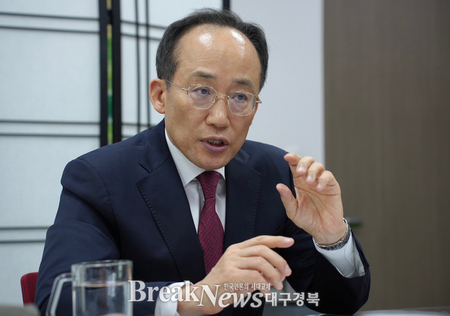
▲ 여수전남병원 정오 외과 과장 |
위암은 여전히 우리나라에서 가장 흔한 암 중 하나로 특히 50세 이상에서 많이 발생하지만 최근에는 젊은 연령층에서도 점차 늘어나고 있습니다. 최근에 의학의 발전으로 위암은 조기에 발견해 치료한다면 완치가 충분히 가능한 질환이 되었습니다.
문제는 대부분의 위암이 초기에 특별한 증상을 보이지 않는다는 점입니다. 속쓰림이나 명치 통증, 소화불량, 구역감, 체중 감소 등 다양한 증상이 있을 수 있으나 이러한 증상은 위염이나 궤양과 구별하기 어렵습니다. 따라서 증상만으로 위암을 발견하기는 쉽지 않고, 정기적인 내시경 검사가 무엇보다 중요합니다.
우리나라에서는 국가건강검진 제도를 통해 40세 이상 성인에게 2년마다 위내시경 검사를 받을 수 있도록 하고 있습니다. 많은 분들이 이 검사를 단순한 절차로 여기지만 사실 위내시경은 생명을 구하는 가장 확실한 방법입니다.
조기 위암의 상당수는 무증상 상태에서 내시경으로 발견되며 이 단계에서는 내시경 절제술이나 위 절제 수술만으로도 완치가 가능합니다.
위암이 의심될 경우에는 내시경을 통해 조직검사를 시행하고, 이후 복부 CT나 내시경 초음파, PET-CT 등의 검사를 통해 암의 진행 정도를 평가합니다.
이렇게 병기를 정확히 파악해야 최적의 치료 방침을 세울 수 있습니다. 위암 치료의 중심은 여전히 수술입니다. 암의 위치와 범위에 따라 위를 2/3 정도 절제하는 부분 절제술을 시행하기도 하고, 위를 모두 제거하는 전 절제술을 시행하기도 합니다.
최근에는 복강경을 이용한 위암 수술이 보편화되면서 환자의 부담이 크게 줄었습니다. 복부를 크게 절개하지 않고 작은 구멍을 통해 수술을 시행하기 때문에 통증이 적고 회복이 빠르며, 흉터도 거의 남지 않습니다.
숙련된 전문의가 시행하는 복강경 위암 수술은 치료 성적이 개복수술과 동일하면서도 회복 속도가 빠르기 때문에 환자의 만족도가 매우 높습니다.
수술 후 병기에 따라 2기 이상의 환자에게는 재발을 막기 위해 항암치료를 병행하기도 합니다. 특히 최근에는 면역항암제의 발전으로 치료의 패러다임이 변화하고 있습니다.
이들은 암세포가 면역세포의 공격을 피하려는 신호를 차단함으로써 우리 몸의 면역체계가 스스로 암을 인식하고 제거하도록 돕습니다. 이러한 면역요법은 일부 진행성 위암 환자에서 생존기간을 획기적으로 연장시키는 결과를 보이고 있어 앞으로 더욱 중요한 치료법으로 자리 잡을 것으로 기대됩니다.
위암의 치료에 있어서 무엇보다 중요한 것은 조기 발견입니다. 조기 위암은 수술만으로도 90% 이상 완치가 가능하지만, 증상이 나타나 병원을 찾을 때는 이미 진행된 경우가 많습니다.
따라서 증상이 없더라도 정기적으로 내시경 검사를 받는 것이 가장 확실한 예방법입니다. 또한 수술 후에는 영양 관리와 합병증 예방, 정기 추적검사가 필수적이므로 수술 후 관리가 체계적으로 이루어지는 병원에서 치료받는 것이 좋습니다.
위암은 더 이상 두려움의 대상이 아닙니다. 조기에 발견하고 전문 의료진과 함께 적절히 치료받는다면 충분히 이겨낼 수 있는 질환입니다.
정기적인 검진으로 자신의 위 건강을 점검하고 혹시라도 이상이 발견되면 망설이지 말고 가까운 전문 병원을 찾아 상담 받으시기 바랍니다. 건강은 미루지 않을 때 지킬 수 있습니다.
[아래는 구글로 번역한 영문기사 전문입니다. 영문번역에 오류가 있을 수 있음을 전제로 합니다. Below is the full English article translated by Google. It is assumed that there may be errors in the English translation.]
Gastric cancer remains one of the most common cancers in Korea, particularly in those over 50, but its incidence has been steadily increasing among younger age groups. Recent medical advances have made gastric cancer a highly curable disease if detected and treated early.
The problem is that most gastric cancers do not exhibit specific symptoms in their early stages. Symptoms can range from heartburn, epigastric pain, indigestion, nausea, and weight loss, but these symptoms can be difficult to distinguish from gastritis or ulcers. Therefore, detecting gastric cancer based on symptoms alone is challenging, and regular endoscopic examinations are crucial.
In Korea, the National Health Screening Program requires adults over 40 to undergo a gastroscopy every two years. While many people consider this a simple procedure, gastroscopy is actually the most reliable way to save lives.
A significant number of early-stage gastric cancers are detected by endoscopic examinations while still asymptomatic, and at this stage, endoscopic resection or gastrectomy alone can be completely curable. If gastric cancer is suspected, a biopsy is performed via endoscopy. Following this, tests such as abdominal CT, endoscopic ultrasound, and PET-CT are used to assess the extent of the cancer.
Accurately determining the stage allows for the establishment of an optimal treatment plan. Surgery remains the cornerstone of gastric cancer treatment. Depending on the location and extent of the cancer, a partial gastrectomy, which removes about two-thirds of the stomach, or a total gastrectomy, which removes the entire stomach, may be performed.
Recently, laparoscopic gastric cancer surgery has become more common, significantly reducing the burden on patients. Because the surgery is performed through small incisions rather than large abdominal incisions, pain is less, recovery is faster, and scarring is minimal.
When performed by an experienced specialist, laparoscopic gastric cancer surgery offers comparable treatment outcomes to open surgery while also providing a faster recovery, resulting in high patient satisfaction.
Depending on the stage, patients with stage 2 or higher may also receive concurrent chemotherapy to prevent recurrence. The recent advancements in immunotherapy are changing the treatment paradigm.
These cancer cells block signals that attempt to evade immune cell attack, helping the body's immune system recognize and eliminate the cancer. This type of immunotherapy has shown dramatic results in extending survival in some patients with advanced gastric cancer, and is expected to become an increasingly important treatment option in the future.
Early detection is paramount in the treatment of gastric cancer. While early-stage gastric cancer can be cured in over 90% of cases with surgery alone, it is often already advanced by the time symptoms appear and patients seek medical attention.
Therefore, even without symptoms, regular endoscopic examinations are the most effective method of prevention. Furthermore, nutritional management, prevention of complications, and regular follow-up examinations are essential after surgery, so it is recommended to receive treatment at a hospital with a systematic post-operative care system.
Gastric cancer is no longer something to be feared. With early detection and appropriate treatment by a medical professional, it is a highly treatable disease.
Check your stomach health with regular checkups, and if any abnormalities are found, do not hesitate to seek consultation at a nearby specialized hospital. Maintaining your health is possible when you don't put it off.
원본 기사 보기:브레이크뉴스전남동부