*[대 전제=이 글은 사실이 아닌, 오직 정치 시나리오적 시각에서 작성된 것임을 밝힌다]
그 어떤 정권이든지 장기집권(長期執權)은 선언으로 오지 않는다. 그것은 한 번의 쿠데타나 한 차례의 계엄으로도 완성되지 않는다. 성공한 장기집권은 언제나 합법의 언어를 빌려 제도와 해석을 차곡차곡 쌓아 올리는 방식으로 진행된다. 그래서 위험하다. 국민이 그 실체를 자각하는 순간에는 이미 되돌리기 어려운 지점에 이르러 있기 때문이다.
이 점을 가장 정교하게 보여준 사례가 튀르키예의 에르도안이다. 그는 선거를 폐지하지 않았고, 헌법을 노골적으로 파괴하지도 않았다. 대신 민주주의의 형식을 유지한 채 그 작동 방식을 바꿨다. 2016년 미수에 그친 쿠데타 이후 비상통치의 분위기가 고착됐고, 이듬해 개헌 국민투표를 통해 총리제를 폐지하며 행정부 권한을 대통령에게 집중시켰다. 2018년부터 가동된 집행권 중심 대통령제는 사법 인사 구조까지 바꾸며 권력의 균형을 무너뜨렸다.
핵심은 단순했다. 정치적 반대를 제거하는 것이 아니라 그 성격을 바꾸는 데 있었다. 정치적 경쟁은 ‘정치의 영역’에서 ‘국가안보의 위협’으로 이동했다. 그 순간 토론은 안보의 문제가 됐고, 비판은 질서 교란으로 분류됐다. 2016년 이후 언론과 기자에 대한 대규모 탄압, 매체 폐쇄가 이어진 것도 이 국가비상 프레임 속에서 작동했다. 마지막 단계에서는 임기 제한마저 헌법 개정이 아닌 해석으로 비틀었다. 체제 전환 이후의 첫 임기라는 논리를 앞세워 3선과 추가 출마의 가능성을 열어두는 방식이었다.
 ▲▲최근 정치권에서 회자된 김민석 국무총리의 “5년은 짧다(청와대 장기 장악)”는 발언은 가벼운 실언이나 감상이 아닐 것이다. “호남이 미래의 근간”이라는 메시지가 더해지는 순간, 정치적 지도가 그려진다. 사진은 청와대 전경. ©뉴시스 . |
이제 이 모델을 시나리오적 시각(視覺)으로, 한국 정치의 가정 위에 올려놓아 보자. 최근 정치권에서 회자된 김민석 국무총리의 “5년은 짧다(청와대 장기 장악)”는 발언은 가벼운 실언이나 감상이 아닐 것이다. “호남이 미래의 근간”이라는 메시지가 더해지는 순간, 정치적 지도가 그려진다. 튀르기예식 문법으로 해석하면 뜻은 분명하다. 핵심 지지 기반을 도덕적 정당성의 중심으로 세우고, 그 정당성 위에서 국가적 위기와 제도 개편, 재선 혹은 임기 연장의 경로를 구축하겠다는 신호다. 이제 문제는 의도가 아니라 실행이다. 이 과정에서 가장 먼저 바뀌는 것은 프레임이다. 에르도안이 선택한 전략은 설득이 아니었다. 그는 반대를 제거하지 않았다. 반대의 범주를 바꿨다. 야당은 더 이상 정치 세력이 아니라 ‘내란 잔당’이나 ‘테러 협력자’로 묶였다. 민주주의의 토론장은 치안의 전장으로 전환됐다. 한국 정치에서도 유사한 흐름은 이미 감지된다. 검찰·언론·기득권 카르텔은 국가 전복의 상시적 위협으로 규정되고, 선거 패배 가능성은 정권 심판이 아니라 국가 붕괴 시도로 해석된다. 통합을 말하지만 실제로는 적의 실체 규정이 반복된다. 지지층 동원은 정책 지지가 아니라 체제 수호 운동의 형태를 띤다. 이 프레임이 굳어지는 순간, 이후의 제도 개편은 권력욕이 아니라 국가 방어로 포장된다.
그 다음은 제도의 문제다. 튀르기예의 2017년 개헌은 효율적 정부를 명분으로 내세웠지만, 실제 결과는 권력 집중과 선거 규칙의 변경이었다. 총리직 폐지, 대통령 권한 강화, 사법 인사 영향력 확대가 하나의 패키지로 묶였다. 한국에서 거론되는 장기집권 시나리오 역시 비슷한 기술을 따른다. 4년 중임제는 선진국형이라는 외피를 쓰지만, 그 안에는 첫 임기는 전환기라는 해석이 삽입된다. 분권형 개헌과 내각제, 이원집정부제 논의는 야당 내부의 이해관계를 분산시키는 역할을 한다. 국회가 막히면 전장은 국민투표로 옮겨진다. 이때 중요한 것은 법리나 토론이 아니라 동원이다. 튀르기예 역시 국민투표로 체제를 갈아엎었다.
통치 환경 역시 달라진다. 장기집권은 안정 속에서 자라지 않는다. 통제 가능한 불안정 속에서 성장한다. 튀르기예는 쿠데타 미수 이후 비상통치 분위기 속에서 대규모 숙청과 언론 통제가 정당화됐다는 비판을 받아왔다. 한국판 시나리오에서는 안보·경제·사회 갈등이 상시 비상 프레임으로 묶인다. 가짜뉴스와 선동 규제가 강화되며 언론과 플랫폼은 압박을 받는다. 사법, 선거관리, 감사 시스템은 개혁의 이름으로 재배치된다. 반대 집회와 시민단체는 질서 파괴로 규정된다. 선거는 정책 경쟁이 아니라 안보 투표로 바뀐다. 이 단계에 이르면 임기 연장은 권력 연장이 아니라 위기 대응의 연속성으로 포장된다.
마지막으로 남는 것은 선거다. 그러나 에르도안의 장기집권은 매번 압승의 결과가 아니었다. 룰과 미디어, 기관, 동원의 조합을 통해 패배 확률을 구조적으로 낮춘 결과였다. 한국 시나리오에서도 지역 기반은 민주주의의 정통으로 신성화되고, 중도는 설득의 대상이 아니라 불안 회피의 집단으로 관리된다. 야당은 정책 경쟁자가 아니라 범주화된 문제 집단으로 처리된다. 인사권과 예산권, 감사권을 통한 기관 장악은 겉으로는 합법이지만, 실제로는 반대하면 불이익이라는 구조를 만든다.
튀르기예는 민주주의의 변방 국가가 아니었다. 동로마 제국을 계승했고, 400년 동안 제국을 유지했으며, 제국주의 시대에도 해체되지 않았다. 청년 튀르크 혁명(Young Turks Revolution)을 겪었고, 냉전기에는 미·소 사이의 지정학적 균형을 감당해온 나라다. 민주주의와 권력, 제도의 충돌을 누구보다 오래 경험해온 국가였다. 그런 나라에서도 장기집권은 현실이 됐다.
그렇다면 묻지 않을 수 없다. 권위주의의 기억이 아직도 살아 있는 동아시아 정치 전통 속에서, 정당 내부의 의사결정마저 폐쇄적 위계로 작동하는 한국 정치가 스스로를 예외라 믿을 근거는 무엇인가. 자유와 제도는 한 번 주어졌다고 자동으로 유지되지 않는다. 임기의 의미를 흔들고, 반대를 안보의 언어로 봉쇄하며, 개헌과 해석을 출마의 기술로 사용하는 순간 민주주의는 붕괴가 아니라 관리된 전환으로 사라진다.
그렇다면 대안은 무엇인가. 인물의 선의에 기대는 정치가 아니다. 장기집권은 개인의 욕망으로 완성되지 않는다. 그것은 제도의 허점, 프레임의 방치, 야당의 무기력, 시민의 피로가 동시에 작동할 때 가능해진다. 따라서 해법 역시 도덕적 호소가 아니라 구조적 차단이어야 한다.
가장 먼저 필요한 것은 임기 논쟁의 비(非)정치화다. 4년 중임제든 분권형 개헌이든, 현직 대통령의 권력 연장 가능성과 연결되는 순간 그 논의는 정당성을 상실한다. 권력 구조 개편은 차기 정권부터 적용된다는 원칙, 현직 권력자는 개헌 논의에서 자동 배제된다는 관행이 확립되지 않는 한, 어떤 제도 개편도 민주주의의 진전이 아니라 권력 기술로 기능할 수밖에 없다.
두 번째는 프레임의 차단이다. 정치적 반대를 국가안보의 언어로 해석하는 순간 민주주의는 토론을 멈추고 안보의 논리로 이동한다. 비판은 반국가로, 경쟁은 질서 교란으로 규정된다. 이 구도를 허용하지 않는 것, 정치적 갈등을 끝까지 정치의 영역에 묶어두는 것이 민주주의의 최후 방어선이다.
세 번째는 직접민주주의의 역설 관리다. 권력 구조 변경과 관련된 국민투표는 언제나 가장 민주적인 형식을 띠지만, 동시에 가장 쉽게 동원되는 수단이기도 하다. 위기와 비상의 언어 속에서 진행되는 국민투표는 자유로운 선택이 아니라 구조화된 압박의 결과였다는 점을 우리는 이미 여러 나라의 사례에서 확인해왔다.
네 번째는 야당의 역할 전환이다. 장기집권을 가능하게 하는 가장 큰 요인은 야당이 늘 의도를 비판하면서도 실행을 차단하지 못한다는 데 있다. 반대가 아니라 차단, 규탄이 아니라 조건 설정, 분노가 아니라 제도적 저지가 필요하다. 분권 논의와 임기 논의를 분리하지 못하는 순간, 개헌은 견제가 아니라 권력의 사다리가 된다.
마지막으로 시민의 역할 역시 재(再)정의 돼야 한다. 민주주의는 열광으로 유지되지 않는다. 정권 수호의 언어가 아니라 권력 제한의 감각, 동원이 아니라 피로한 감시만이 제도를 지탱한다.
이제 질문은 권력자에게 던질 것이 아니다. 질문은 우리에게 돌아온다. 우리는 임기 연장을 논의할 수 있는 사안으로 받아들이는 순간, 이미 한 발을 내디뎠다. 우리는 정치적 반대를 안보의 언어로 봉합하는 표현에 익숙해지는 순간, 토론의 권리를 내려놓는다. 우리는 개헌과 제도 해석이 불가피하다는 설명에 고개를 끄덕이는 순간, 선택권을 포기한다. 그래서 지금 필요한 행동은 거창하지 않다. 다만 명확해야 한다. 임기와 권력 구조 변경에 대해 현재 권력자와 연결되는 논의를 거부하라. 비판을 반국가로 규정하는 언어에 즉각 질문을 던져라. 국민투표가 등장할 때 그 조건과 절차를 먼저 요구하라. 야당이 분노만 표출할 때 차단 전략을 요구하라. 시민사회와 언론이 동원의 도구가 될 때 거리두기를 선언하라.
민주당+이재명 정권, 장기집권 가능할까? 민주주의는 지지로 유지되지 않는다. 불편한 질문을 반복하고 용기 있는 행동을 보이는 소수의 시민에 의해 겨우 연장될 뿐이다. 선거는 남아 있어도 교체가 사라질 수 있다. 그때 역사는 묻지 않는다. 누가 집권했는지를.... 다만 기록한다. 누가 침묵했는지를.....독재는 선포되지 않는다. 선거는 남고 교체가 사라진 뒤에야 그 이름이 붙는다. Jeongkeekim@naver.com
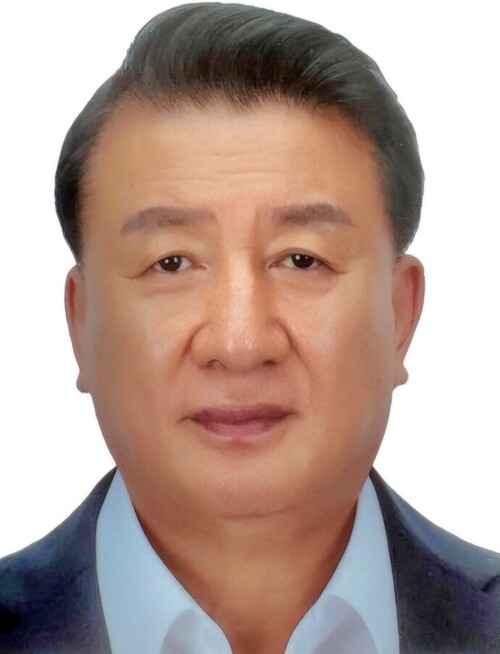
 ▲ 필자/김정기 미국 변호사. ©브레이크뉴스 |
● 학력
- 뉴욕주립대학교(Stony Brook) 정치학과 수석 졸업
- 마케트대학교(Marquette) 로스쿨 법학박사
- 하버드대학교(Harvard) 케네디스쿨 최고위 과정
- 베이징대학교(Peking) 북한학 연구학자
● 경력
- 세계스마트시티기구(WeGO) 사무총장 (현).
- 유엔 국제전기통신연합 (UN ITU) 가상세계 및 AI 글로벌 이니셔티브 집행위원(현)
- 아시아태평양지방정부네트워크(CityNet) 대표
- 제8대 주상하이 대한민국 총영사(13등급 대사)
- 2010 상하이엑스포 대한민국관 정부대표
- 제17대 대선 한나라당 이명박 대통령 후보 국제위원장
- 제20대 대선 국민의힘 윤석열 대통령 후보 정치개혁 공약 총괄
- 제21대 대선 국민의힘 김문수 대통령 후보 외교고문
- 자유한국당 오세훈 당대표 후보 SH전략회의 총괄 및 조직본부 총괄본부장
- 자유한국당 서울시장 예비후보
- 법무법인 대륙아주 중국 총괄 미국변호사\
- 난징대학교 국제경제연구소 객좌교수
- 동국대학교 경영전문대학원 석좌교수
- 숭실사이버대학교 총장
● 저서
1. 대학생을 위한 거로영어연구[전 10권](거로출판사)
2. 나는 1%의 가능성에 도전한다(조선일보사)
3. 한국형 협상의 법칙(청년정신사)
4. 대한민국과 세계 이야기 (도서출판 책미듬)
5. Korea and the World (Advance Reader Copy)
*아래는 위 기사를 '구글 번역'으로 번역한 영문 기사의 [전문]입니다. '구글번역'은 이해도 높이기를 위해 노력하고 있습니다. 영문 번역에 오류가 있을 수 있음을 전제로 합니다.<*The following is [the full text] of the English article translated by 'Google Translate'. 'Google Translate' is working hard to improve understanding. It is assumed that there may be errors in the English translation.>
[Political Scenario] Can the Democratic Party and Lee Jae-myung Regime Hold Long-Term?
- Columnist Kim Jeong-gi
*[Main premise = This article is not factual and is written solely from a political scenario perspective.]
Long-term rule for any regime does not come by declaration. It is not achieved through a single coup or martial law. Successful long-term rule always proceeds by borrowing the language of legality and gradually building up institutions and interpretations. This is why it is dangerous. By the time the people become aware of its true nature, it is already at a point of no return.
The most exquisite example of this is Erdogan of Turkey. He did not abolish elections or blatantly destroy the constitution. Instead, he maintained the form of democracy while changing its functioning. After the attempted coup in 2016, an atmosphere of emergency rule took hold, and the following year, a constitutional referendum abolished the prime ministerial system and concentrated executive power in the hands of the president. The executive-centered presidential system, implemented in 2018, has disrupted the balance of power by even changing the judicial appointment structure.
The key was simple. It wasn't about eliminating political opposition, but rather changing its nature. Political competition shifted from the "realm of politics" to a "threat to national security." At that moment, debate became a security issue, and criticism was categorized as a disruption of order. The large-scale suppression of the press and journalists and the subsequent media shutdowns since 2016 also operated within this national emergency framework. In the final stages, even term limits were twisted through interpretation rather than constitutional amendment. The logic of this being the first term after the regime transition left open the possibility of a third term and additional candidacy.
▲Prime Minister Kim Min-seok's recent remark, "Five years is short (long-term control of the Blue House)," which has been circulating in political circles, is likely not a casual remark or sentimentality. The moment the message that "Honam is the foundation of the future" is added, a political map is drawn. The photo shows a view of the Blue House. © Newsis
Now, let's apply this model to the assumptions of Korean politics from a scenario perspective. Prime Minister Kim Min-seok's recent remark, "Five years is too short (long-term control of the Blue House)," circulated in political circles, is likely not a casual remark or sentimentality. The moment the message that "Honam is the foundation of the future" is added, a political map is drawn. Interpreted using Turguilletian grammar, the meaning is clear. It signals a plan to establish a core support base around moral legitimacy, and, based on that legitimacy, to navigate national crises, institutional reform, reelection, or a term extension. The issue now lies not in intentions but in execution. The first thing to change in this process is the frame. Erdogan's chosen strategy wasn't persuasion. He didn't eliminate opposition. He redefined it. The opposition was no longer a political force, but rather a "remnant of the insurrection" or "terrorist collaborator." The forum for democratic debate has been transformed into a battleground for public security. Similar trends are already evident in Korean politics. The prosecution, the media, and the vested interest cartel are framed as a constant threat to overthrow the state, and the possibility of election defeat is interpreted not as a judgment on the regime, but as an attempt at national collapse. While they talk about unity, in reality, they repeat the same old definition of the enemy. Mobilizing supporters takes the form of a movement to defend the system, not policy support. Once this framework solidifies, subsequent institutional reforms are framed as national defense, not a thirst for power.
Next comes the issue of institutions. Turguille's 2017 constitutional amendments were promoted as promoting efficient government, but in reality, they resulted in the concentration of power and changes to electoral rules. The abolition of the prime minister's position, strengthening of presidential power, and expansion of judicial appointments were all bundled into a single package. The long-term presidency scenarios discussed in Korea follow a similar tactic. While the four-year term system is presented as a model for advanced nations, it is embedded with the interpretation that the first term is a transitional period. Discussions about decentralized constitutional amendments, a cabinet system, and a semi-presidential system serve to divide the interests of the opposition. If the National Assembly becomes blocked, the battleground shifts to a referendum. The key here is not legality or debate, but mobilization. Turguille also overthrew the system through a referendum.
The governing environment also changes. Long-term rule does not thrive on stability. It thrives on controllable instability. Turgiye has been criticized for justifying large-scale purges and media control in the atmosphere of emergency following the attempted coup. In the Korean scenario, security, economic, and social conflicts are framed as a constant state of emergency. Regulations on fake news and propaganda are strengthened, putting pressure on the media and platforms. The judiciary, election management, and auditing systems are reorganized in the name of reform. Opposition rallies and civic groups are framed as disruptive to order. Elections are transformed from policy competition to security votes. At this stage, term extensions are not seen as extensions of power, but as continuity in crisis response.
The only thing that remains is elections. However, Erdogan's long-term rule was not always the result of landslide victories. It was the result of a combination of rules, media, institutions, and mobilization that structurally reduced the likelihood of defeat. In the Korean scenario, regional bases are also sanctified as democratic orthodoxy, and the center is managed not as a subject of persuasion but as a group seeking to avoid insecurity. The opposition is treated not as a policy rival but as a categorized problem group. While controlling institutions through personnel, budget, and audit powers may seem legitimate on the surface, in practice, it creates a structure where opposition is punished.
Turkey was not a country on the periphery of democracy. It succeeded the Byzantine Empire, maintained its empire for 400 years, and survived even the age of imperialism. It experienced the Young Turks Revolution and maintained the geopolitical balance between the United States and the Soviet Union during the Cold War. It was a country that experienced the conflict between democracy, power, and institutions longer than any other nation. Even in such a country, long-term rule became a reality.
Then, we must ask: In the East Asian political tradition, where the memory of authoritarianism still lingers, what grounds does Korean politics, where even internal party decision-making operates through a closed hierarchy, have for believing itself to be an exception? Freedom and institutions, once granted, do not automatically persist. The moment the meaning of term of office is shaken, opposition is suppressed through the language of security, and constitutional amendments and interpretations are used as tactics for running for office, democracy disappears not through collapse but through a managed transition.
So, what is the alternative? Politics is not about relying on the goodwill of individuals. Long-term rule is not achieved through individual desire. It is possible only when institutional loopholes, neglect of the framework, the opposition's impotence, and public fatigue all work together. Therefore, the solution must be structural, not a moral appeal.
The first and foremost requirement is the depoliticization of the term debate. Whether it's a four-year term or a decentralized constitutional amendment, the moment it's linked to the possibility of extending the incumbent president's power, the discussion loses its legitimacy. Unless the principle that power restructuring will apply from the next administration and the practice of automatically excluding incumbents from constitutional amendment discussions are established, any institutional reform will inevitably function as a power tactic, not an advancement of democracy.
The second is the blocking of the framework. The moment political opposition is interpreted in the language of national security, democracy ceases debate and shifts to the logic of security. Criticism is defined as anti-state, and competition as a disruption of order. Denying this framework, and keeping political conflict within the realm of politics, is the last line of defense for democracy.
The third is managing the paradox of direct democracy. Referendums related to changes in power structures are always the most democratic form, but they are also the most easily mobilized means. We have already seen in many countries that referendums conducted amidst the language of crisis and emergency are not free choices but the result of structured pressure.
The fourth is the shift in the role of the opposition party. The most crucial factor in enabling long-term rule is the opposition's constant criticism of intentions while failing to block implementation. What is needed is not opposition but blocking, not condemnation but setting conditions, and not anger but institutional obstruction. The moment we fail to separate discussions on decentralization and term of office, constitutional amendments become a ladder of power, not a check and balance.
Finally, the role of citizens must also be redefined. Democracy cannot be sustained by enthusiasm. Only a sense of power constraints, not the language of regime protection, and exhausting oversight, not mobilization, sustain the system.
Now, the questions are no longer directed at those in power. They are directed at us. The moment we accept the extension of the term as a matter for discussion, we have already taken a step forward. The moment we become accustomed to language that cloaks political opposition in the language of security, we relinquish our right to debate. The moment we nod to the explanation that constitutional amendments and institutional interpretations are inevitable, we forfeit our right to choose. Therefore, the actions required now are not grandiose. They must be clear. Reject any discussion that links the current power holders to the term and changes in the power structure. Immediately question the language that defines criticism as anti-state. When a national referendum is proposed, demand its conditions and procedures first. When the opposition merely expresses anger, demand a blocking strategy. When civil society and the media become tools for mobilization, declare a distancing.
Can the Democratic Party and Lee Jae-myung administration remain in power for a long time? Democracy cannot be sustained by support. It can only be extended by a small number of citizens who repeatedly ask uncomfortable questions and take courageous action. Even if elections remain, the possibility of change can disappear. History will not ask who was in power... It will only record who remained silent... Dictatorship will not be declared. The election is named after the remaining and replacement parties. Jeongkeekim@naver.com
*Author/Kim Jeong-gi
● Education
- Summa Cum Laude, Department of Political Science, State University of New York (Stony Brook)
- Doctor of Law, Marquette Law School
- Harvard Kennedy School, Executive Program
- North Korean Studies Research Scholar, Peking University
● Career
- Secretary General of the World Smart Cities Organization (WeGO) (current)
- Executive Committee Member, Virtual World and AI Global Initiative, International Telecommunication Union (ITU)
- Representative, Asia-Pacific Local Government Network (CityNet)
- 8th Consul General of the Republic of Korea in Shanghai (Ambassador, Class 13)
- Government Representative, Republic of Korea Pavilion, 2010 Shanghai Expo
- Chairman of the International Affairs Committee, Grand National Party (GNP) Presidential Candidate Lee Myung-bak in the 17th Presidential Election
- Chief of Political Reform Pledges, People Power Party (PPP) Presidential Candidate Yoon Seok-yeol in the 20th Presidential Election
- President Kim Moon-soo of the People Power Party in the 21st Presidential Election Foreign Affairs Advisor to the Candidate
- Oh Se-hoon, Liberty Korea Party Candidate for Party Leadership, SH Strategy Council, and Head of the Organization Headquarters
- Liberty Korea Party Candidate for Seoul Mayor
- US Attorney, Head of China at Continental Law Firm
- Visiting Professor, Nanjing University International Economics Institute
- Distinguished Professor, Dongguk University Graduate School of Business
- President, Soongsil Cyber University
● Books
1. Georo English Studies for College Students [10 Volumes] (Georo Publishing)
2. I Challenge the 1% Chance (Chosun Ilbo)
3. The Law of Korean Negotiation (Chungnyeon Jeongsinsa)
4. Stories from Korea and the World (Chaekmidum Publishing)
5. Korea and the World (Advance Reader Copy)