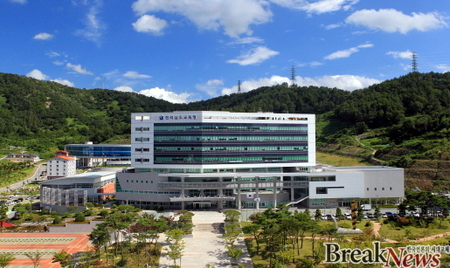
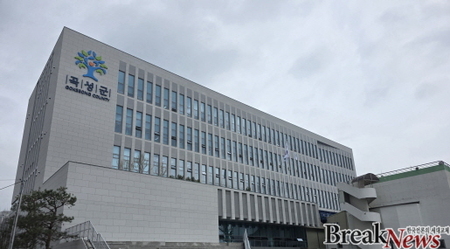
▲ 세종시청사 전경[사진=세종시] ©김환일 기자 |
대한민국에서 가장 젊은 도시로 꼽히는 세종특별자치시의 청년 비중이 전체 인구의 30%를 상회하는 것으로 나타났다. 하지만 청년 2명 중 1명은 1인 가구였으며, 주거 형태는 자가보다 월세 비중이 높아 청년 세대의 주거 불안정과 독립 가구 증가 추세가 뚜렷하게 확인됐다.
세종시는 지역 청년들의 사회·경제적 삶을 분석한 ‘2025 청년통계’ 결과를 30일 공표했다. 이번 통계는 2024년 12월 기준 세종시에 거주하는 15세 이상 39세 이하 청년층을 대상으로 인구, 주택, 복지, 고용 등을 종합 분석한 자료다.
조사 결과 세종시 청년 인구는 11만 9,927명으로 전체 인구(39만 685명)의 30.7%를 차지했다. 거주 지역별로는 신도심인 동(洞) 지역에 82.5%(9만 8,912명)가 거주해 압도적인 쏠림 현상을 보였다.
연령별로는 35~39세가 26.0%로 가장 많았고, 30~34세(23.0%), 15~19세(20.0%) 순으로 나타나 30대 중후반이 세종시 청년층의 허리 역할을 하고 있는 것으로 분석됐다.
청년 세대의 가구 구성은 ‘1인 가구’가 55.4%(2만 6,757가구)에 달해 절반을 훌쩍 넘겼다. 주거 환경 역시 녹록지 않았다. 주택을 소유한 청년은 약 2만 2천여 명에 그쳤으며, 점유 형태는 보증금 있는 월세(42.5%)가 가장 많았다.
자가(30.8%)와 전세(21.4%)가 그 뒤를 이어, 사회 초년생들의 주거비 부담이 적지 않음을 시사했다.
행정수도의 특성상 공공 부문 종사자 비중도 높았다. 건강보험 가입자 중 직장가입자는 7만 2천여 명이었으며, 공무원 및 교직원 가입자도 2만 8천여 명에 달했다. 공적연금 가입 현황에서도 공무원연금 가입자가 1만 3,901명으로 나타나 타 지자체 대비 높은 비중을 보였다.
경제활동 측면에서 청년 구직신청자들의 월평균 희망 임금은 ‘250만 원 이상’이 가장 많았으며, 가구 소득은 ‘300만~400만 원 미만(19.6%)’ 구간에 가장 많이 분포했다.
한편, 세종시는 지난 2017년부터 매년 청년통계를 작성해 오고 있으며, 이를 통해 변화하는 청년 세대의 수요를 정책에 반영하고 있다.
*아래는 위 기사를 '구글 번역'으로 번역한 영문 기사의 [전문]입니다. '구글번역'은 이해도를 높이기를 위해 노력하고 있습니다. 영문 번역에 오류가 있을 수 있음을 전제로 합니다.<*The following is [the full text] of the English article translated by 'Google Translate'. 'Google Translate' is working hard to improve understanding. It is assumed that there may be errors in the English translation.>
Three in Ten Sejong Residents Are Young... Single-Person Households Reach 55%
Sejong Special Self-Governing City, considered the youngest city in South Korea, boasts a youth population exceeding 30% of the total population. However, one in two young people are living in a single-person household, and the proportion of renters is higher than that of owners, clearly demonstrating housing instability and an increasing trend of independent households among the younger generation.
Sejong City announced the results of its "2025 Youth Statistics," which analyzes the socio-economic lives of local youth, on the 30th. These statistics comprehensively analyze population, housing, welfare, and employment for young people aged 15 to 39 living in Sejong City as of December 2024.
The survey results show that the youth population in Sejong City reached 119,927, accounting for 30.7% of the total population (390,685). By residential area, 82.5% (98,912 people) resided in the new downtown area, showing an overwhelming concentration of residents.
By age, those aged 35-39 made up the largest group at 26.0%, followed by those aged 30-34 (23.0%) and 15-19 (20.0%). This suggests that those in their mid-to-late 30s form the backbone of Sejong City's youth population.
Single-person households accounted for 55.4% (26,757 households) of the youth generation, well over half. Housing conditions were also challenging. Only about 22,000 young people owned their own homes, and the most common form of tenure was monthly rent with a deposit (42.5%).
Ownership (30.8%) and jeonse (21.4%) followed, indicating a significant housing burden for young adults entering the workforce.
Considering the nature of the administrative capital, the proportion of public sector workers was also high. Among health insurance subscribers, approximately 72,000 were employed, while civil servants and teachers also subscribed to the system, reaching 28,000. Public pension subscribers also showed a high proportion compared to other local governments, with 13,901 civil servant pension subscribers.
In terms of economic activity, the most common desired monthly salary among young job seekers was "2.5 million won or more," while household income was most prevalent in the "3 million to 4 million won" range (19.6%).
Meanwhile, Sejong City has been compiling youth statistics annually since 2017, reflecting the evolving needs of the youth generation in its policies.
원본 기사 보기:브레이크뉴스대전세종충청