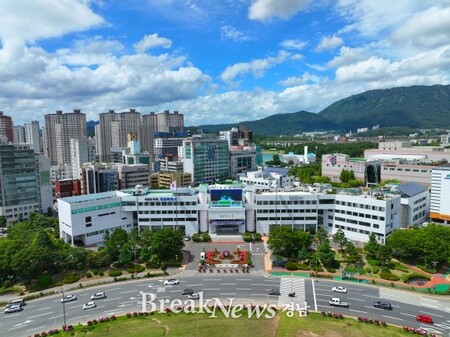
▲ 창원특례시청 |
[브레이크뉴스=이성용 기자] 창원특례시가 2026년, 도시의 틀을 완전히 새롭게 짠다. 지금까지의 도시 계획이 도로 확충과 단편적인 개발에 치중했다면, 내년부터는 ‘연결’과 ‘성장 거점’을 축으로 삼아 시민의 삶을 입체적으로 재구성한다.
▲ ‘철도 시대’ 개막, 도로 위 정체를 넘어 하늘과 바다로 연결되다
창원은 인구 100만 대도시임에도 불구하고 광역 철도 인프라가 고질적인 약점으로 꼽혀왔다. 창원시는 이를 타파하기 위해 ‘제5차 국가철도망 구축계획’을 승부처로 삼았다.
△동대구~창원~가덕도신공항 고속화철도, CTX-창원선 및 진해선 유치를 통해 '물류의 끝단'이 아닌 '동남권 교통의 심장'으로 거듭난다.
△낙동강 터널 사고로 발이 묶였던 부전~마산 복선전철의 마산역~강서금호역 구간을 연내 부분 개통해 마산권 시민들의 광역 이동권을 즉시 확보한다.
△봉암교 확장(2029)과 북부순환도로 2단계(2030)를 통해 도심 상습 정체를 해소하고 국도 5호선 거제 구간 착공으로 남해안 관광 벨트의 혈맥을 뚫는다.
▲ 일상의 혁명, ‘DRT’ 늘리고 ‘N분 보행 일상권’ 연다
광역 교통이 도시의 뼈대라면, 대중교통은 실핏줄이다. 창원시는 시민들이 체감할 수 있는 밀착형 교통 혁신을 추진한다.
△창원권 시범 사업의 성공을 바탕으로 진해권(웅동2동~진해신항)까지 수요응답형 버스(DRT)를 확대한다. 버스를 기다리는 것이 아니라 호출하는 시대를 앞당긴다.
△주거지 인근에서 문화·교육·상업을 5~15분 내 해결하는 보행 일상권 모델을 도입한다. 이를 위해 배후도시 지구단위계획을 재정비하여 정책 실효성을 높일 방침이다.
▲ 공간의 재설계: 자족형 행정타운과 도심융합기술단지
주택을 짓는 시대를 지나, 일자리와 삶이 공존하는 복합 거점을 조성한다.
△사파지구 도시개발을 올해 하반기 마무리하는 동시에, '도심융합기술단지'와 '도심생활복합단지'의 밑그림을 그려 창원의 새로운 성장 엔진으로 삼는다.
△농어촌 권역별 건강쉼터와 문화지구 도시재생을 통해 신도심과 구도심, 도시와 농촌 간의 인프라 격차를 줄이는 '포용적 성장'을 지향한다.
▲ 권한 확보, ‘특례시 지원 특별법’은 선택 아닌 필수
도시가 아무리 완벽한 청사진을 그려도, 이를 뒷받침할 행정·재정적 권한이 없다면 무용지물이다. 창원시는 올해 ‘자치분권’ 강화를 위한 입법 전쟁에 나선다.
△전국 특례시와 공조하여 특별법 제정을 이끌어내고, 인구 감소에도 불구하고 자치구가 아니라는 이유로 지원에서 소외된 마산지역 등 통합시 행정구의 역차별 문제를 법 개정(지방분권균형발전법)을 통해 정면 돌파한다.
장금용 권한대행은 “이동의 부담이 줄고, 생활권 안에서 필수 기능을 누릴 수 있을 때 비로소 살기 좋은 도시가 된다”며, “내년에는 도시공간과 교통체계 전환, 자치분권 기반 확보에 전력을 다해 시민이 일상 속에서 체감할 수 있는 변화를 만들어가겠다”고 말했다.
*아래는 위 기사를 '구글 번역'으로 번역한 영문 기사의 [전문]입니다. '구글번역'은 이해도 높이기를 위해 노력하고 있습니다. 영문 번역에 오류가 있을 수 있음을 전제로 합니다.
*Below is the [full text] of the English article translated using ‘Google Translate’.‘Google Translate’ is working to increase understanding.It is assumed that there may be errors in the English translation.
[Planning] Changwon Special City Evolves Beyond a Flat City of One Million to a 'Connected, Three-Dimensional City'
The 5th National Railway Network Plan is a Crucial Need… Aiming for a 'Southeastern Mega Transportation Hub' Linking Gadeokdo and Jinhae New Port
Changwon Special City will completely reshape its urban landscape in 2026. While previous urban planning focused on road expansion and piecemeal development, starting next year, it will restructure citizens' lives three-dimensionally, focusing on 'connectivity' and 'growth hubs.'
▲ The 'Railroad Era' Begins: Beyond Road Congestion, Connecting to the Sky and Sea
Despite being a megacity with a population of one million, Changwon's metropolitan railway infrastructure has been a chronic weakness. To overcome this, Changwon City has prioritized the '5th National Railway Network Construction Plan' as its key strategy.
△The Dongdaegu-Changwon-Gadeokdo New Airport High-Speed Railway, the CTX-Changwon Line, and the Jinhae Line will transform Changwon from a "logistics hub" to the "transportation heart of the southeastern region."
△The Masan Station-Gangseo Geumho Station section of the Bujeon-Masan double-track railway, previously suspended due to the Nakdonggang Tunnel accident, will be partially opened within the year to immediately secure metropolitan transportation for Masan residents.
△The Bongam Bridge expansion (2029) and Phase 2 of the Northern Ring Road (2030) will alleviate chronic urban congestion, and the commencement of construction on the Geoje section of National Route 5 will revitalize the southern coastal tourist belt.
▲A revolution in everyday life: Expanding the DRT and creating an "N-minute walkable zone"
If metropolitan transportation is the backbone of a city, public transportation is its lifeblood. Changwon City is pursuing tangible, immersive transportation innovations that citizens can experience.
△ Building on the success of the Changwon pilot project, we will expand the Demand Responsive Bus (DRT) system to the Jinhae area (Woongdong 2-dong to Jinhae New Port). This will accelerate the era of calling buses rather than waiting for them.
△ We will introduce a pedestrian-only daily commuter model that allows residents to access cultural, educational, and commercial services within 5-15 minutes of their residences. To achieve this, we will reorganize the district unit plans of the surrounding cities to enhance policy effectiveness.
△ Spatial Redesign: Self-sufficient Administrative Town and Urban Convergence Technology Complex
We will move beyond the era of housing construction and create a multi-functional hub where jobs and lifestyles coexist.
△ We will complete the urban development of the Sapa District in the second half of this year and lay the groundwork for the "Urban Convergence Technology Complex" and the "Urban Living Complex," which will serve as new growth engines for Changwon.
△We aim for "inclusive growth" by reducing the infrastructure gap between new and old downtown areas, and between urban and rural areas, through urban regeneration of health shelters and cultural districts in rural and fishing villages.
▲Securing authority: The "Special Act on Support for Special Cities" is not an option, but a necessity.
No matter how perfect a city's blueprint, it is useless without the administrative and financial authority to support it. This year, Changwon City will embark on a legislative battle to strengthen "decentralization."
△We will collaborate with special cities nationwide to secure the enactment of special laws. We will also address the issue of reverse discrimination against administrative districts in the integrated city, such as Masan, which have been excluded from support despite their population decline due to their non-autonomous status, through legal revisions (the Local Decentralization and Balanced Development Act).
Acting Mayor Jang Geum-yong said, “A city becomes truly livable when the burden of transportation is reduced and essential functions can be enjoyed within the living area,” and added, “Next year, we will do our utmost to transform urban space and transportation systems and secure a foundation for local autonomy, creating changes that citizens can feel in their daily lives.”
원본 기사 보기:브레이크뉴스경남