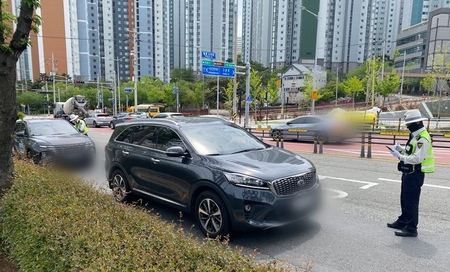
▲ 포항시청 전경 ©포항시 |
【브레이크뉴스 포항】박영재 기자=오는 6월 전국동시지방선거에서 포항시장 선거에 출마(국민의힘)하려는 인사들이 잇따라 정책 비전을 발표하며 경쟁에 들어갔다. 철강산업 침체, 인구 감소, 원도심 공동화, 의료·복지 인프라 부족 등 복합 위기에 직면한 포항을 어떻게 재편할 것인지가 이번 선거의 최대 쟁점으로 떠오른 가운데, 후보들은 각기 다른 해법과 우선순위를 제시하고 있다.
 ▲ 공원식 포항시장 출마 예정자 © |
공원식 출마예정자(전 경북도 정무부지사)는 ‘포항 경제 재건’을 최우선 과제로 제시했다. 공 예정자는 철강 산업의 구조적 위기를 진단하며 포스코 수소환원제철 실증·상용화 단계에 포항이 핵심 거점으로 참여하도록 국가사업 유치에 나서고, 관련 부품·소재 기업 50곳 이상을 집적하는 친환경 철강 클러스터 조성을 핵심 공약으로 내놓았다.
기존 철강산업을 고부가가치 산업으로 재편하는 동시에, 이차전지·수소·에너지·AI 데이터센터 분야에서 연간 1조 원 규모의 민간 투자 유치를 목표로 산업 포트폴리오를 다변화하겠다는 구상이다. 이를 위해 국가산단 단계별 고도화 로드맵을 수립하고, 산학연 공동 R&D 센터 신설과 기술 실증 테스트베드 구축, 지역 대학과 연계한 연 1천 명 규모의 전문 인력 양성 체계를 마련하겠다고 밝혔다.
또한 영일만대교를 동해안 물류축의 핵심 인프라로 설정해 항만·철도·산단을 연결하는 복합 물류망을 구축하고, 북구·남구 해안을 잇는 해양관광 거점 3곳을 단계적으로 조성하겠다는 계획이다. 원도심 회복과 관련해서는 공공주도 도시재생을 통해 주거·상업·문화 기능을 결합한 복합개발지구를 지정하고, 소상공인 임대료 안정화와 상권 활성화 패키지 지원을 병행하겠다고 밝혔다.
다만 공 예정자의 공약은 철강 전환과 신산업 육성을 동시에 추진하겠다는 큰 그림은 분명하지만, 재원 조달 방식과 임기 내 실현 가능한 우선순위 설정이 보다 명확히 제시되지 않을 경우 ‘국가사업 나열’에 그칠 수 있다는 지적도 나온다. 향후 공약을 구체화하는 과정에서 포항시가 주도할 수 있는 실행 과제와 중앙정부 협력 과제를 구분하는 전략적 정리가 필요하다는 평가다.
 ▲ 김병욱 포항시장 선거 출마예정자 |
김병욱 출마 예정자(전 국민의힘 남·울릉 국회의원)는 의료·복지 인프라 확충을 핵심 비전으로 제시했다. 김 예정자는 포항의 만성적인 의료 공백 해소를 위해 서울 5대 상급종합병원급 의료기관 유치를 추진하겠다고 밝혔다.
이를 위해 국·공유지 무상 제공, 의료특구 지정, 지방비·국비 매칭을 통한 초기 투자비 지원 등 인센티브 패키지를 마련하겠다는 구상이다. 응급·중증 환자의 타 지역 전원을 줄이고, 수도권과의 의료 격차를 근본적으로 해소하겠다는 목표다.
포스텍 의과대학 설립과 의·생명과학 연구단지 조성도 핵심 공약으로 포함됐다. 김 예정자는 포스텍을 중심으로 한 의대 설립 추진위원회를 구성하고, 지역 의료기관과 연계한 임상·연구 병원 모델을 구축해 의료 인력 양성과 첨단 바이오 연구를 동시에 추진하겠다고 밝혔다. 연구단지에는 바이오헬스 기업, 의료기기 스타트업, 연구소를 집적시켜 신성장 산업과 양질의 일자리 창출로 연결하겠다는 복안이다.
복지 분야에서는 초고령사회에 대비해 권역별 노인 전문병원 확충, 방문진료·방문간호 확대, 치매·중증 노인 통합돌봄센터 설치를 약속했다. 공공의료 강화를 위해 시립 공공병원 기능을 보강하고, 야간·응급 진료 공백 지역에 공공의사제 도입을 검토하겠다는 계획도 내놨다. 복지 사각지대 해소를 위해서는 동 단위 맞춤형 복지 플랫폼을 구축해 독거노인, 장애인, 취약계층을 상시 관리하겠다고 밝혔다.
의료·복지 인프라 확충이라는 시민 체감형 공약은 분명한 강점으로 평가된다. 다만 서울 대형 의료기관 유치와 의과대학 설립은 중앙정부 승인과 막대한 재원이 필요한 사안으로, 실현 가능성이 최대 과제로 꼽힌다. 대형 병원 유치가 성사되지 않을 경우를 대비한 단계별 대안이나 차선책이 부족하다는 점에서, 공약 이행 실패 시 ‘공약 공백’의 부담이 가장 클 후보라는 평가도 나온다.
 ▲ 모성은 포항시장선거 출마예정자 © |
모성은 출마 예정자(포항지진범시민대책본부 의장)는 기존 틀을 뛰어넘는 대담한 도시 비전을 제시했다.
모 예정자는 포항·경주·영천 등 인근 지역과의 시·군 통합을 통해 인구 100만 규모의 광역 대도시를 조성하고, 행정·재정 구조를 근본적으로 개편하겠다는 구상을 밝혔다.
모 예정자는 시·군 통합을 위해 ▲단계적 통합 추진 로드맵 수립 ▲주민투표 및 공론화위원회 설치 ▲통합에 따른 재정 인센티브와 국비 확보 전략 마련 ▲기존 시·군별 특화 기능 유지 및 권역별 자치 강화 모델 도입 등을 구체 공약으로 제시했다. 통합 이후에는 중복 행정 조직을 슬림화하고, 광역 교통·환경·산업 정책을 통합 설계해 행정 효율성을 높이겠다는 방침이다.
‘AI·port 해양기업도시’ 구상과 관련해서는 영일만항과 배후 산업단지를 연계해 ▲AI 기반 스마트 항만 ▲해양물류·해양에너지·해양로봇 산업 클러스터 ▲해양 스타트업 전용 캠퍼스 및 연구개발 단지 조성 등을 추진하겠다고 밝혔다. 이를 통해 첨단 기술과 해양 산업이 결합된 미래형 신도시를 조성하겠다는 계획이다.
도시 경쟁력 강화를 위한 생활 공약으로는 ▲광역급행철도 및 동해안 광역 교통망 확충 ▲권역별 종합병원 및 공공의료 인프라 강화 ▲청년·신혼부부 맞춤형 공공주택 확대 ▲노후 원도심 재생과 신도시 주거·교육·문화 인프라 동시 구축 등을 제시했다.
다만 시·군 통합과 대규모 신도시 조성이라는 구상은 사회적 합의와 법·제도적 절차, 막대한 재원 조달 문제를 동반하는 만큼 실현 가능성을 둘러싼 논란이 불가피하다는 지적도 나온다. 특히 통합에 따른 지역 정체성 문제와 주민 수용성 확보, AI·port 신도시의 단계별 추진 일정과 투자 주체를 얼마나 구체화할 수 있을지가 향후 과제로 꼽힌다. 현재로서는 정책의 상징성과 정치적 메시지가 강조된 반면, 실행 계획의 정밀도는 추가 보완이 필요하다는 평가다.
 ▲ 박승호 포항시장선거 출마 예정자 © |
박승호 출마예정자(전 포항시장)는 원도심 재편을 핵심 공약으로 제시했다. 박 예정자는 침체가 장기화된 원도심에 새로운 기능과 활력을 불어넣기 위해 대규모 공간 재편 전략이 필요하다고 강조하고 있다.
박 예정자는 포항스틸러스의 홈구장인 스틸야드를 구 포항역 일대로 이전해 도심형 축구전용구장과 복합문화·상업시설을 조성하겠다는 구상을 밝혔다. 새 구장은 경기일 중심 이용에서 벗어나 ▲공연·전시·e스포츠·지역축제 등 다목적 활용이 가능한 복합시설로 설계하고, ▲청년창업·외식·문화 콘텐츠가 결합된 상업지구와 연계해 상시 유동 인구를 창출하겠다는 계획이다.
원도심 활성화를 위해 ▲구 포항역 일대 문화·관광 특화지구 지정 ▲야간 경제 활성화를 위한 야시장·공연 프로그램 상설화 ▲도심 주거와 상업 기능을 결합한 고밀 복합개발 ▲보행 중심의 도심 교통 체계 개편 등도 함께 추진하겠다고 밝혔다.
일자리 창출과 산업 재편 측면에서는 특수 조선소 유치를 통해 해양·방산·친환경 선박 분야의 신산업을 육성하고, 기존 산업단지는 ▲노후 기반시설 정비 ▲스마트·친환경 산업단지 전환 ▲중소기업 공동 연구·테스트 시설 구축 등을 통해 경쟁력을 높이겠다는 공약을 제시했다.
대형 개발사업에 따른 재정 부담을 줄이기 위해 ▲공공·민간 합동 개발 방식 도입 ▲단계별 사업 추진을 통한 재정 분산 ▲기존 공공부지 활용 극대화 ▲개발이익 환수 및 지역 재투자 구조 마련 등을 재원 대책으로 내세웠다.
다만 원도심 재편의 방향성과 공간 전략은 비교적 명확하지만, 축구전용구장 이전에 따른 시민 공감대 형성과 기존 스틸야드 활용 방안, 대규모 개발사업의 투자 규모와 수익성에 대한 구체적 검증이 필요하다는 지적도 나온다. 원도심 재편이 상징적 개발에 그치지 않고 지속 가능한 도시 활성화로 이어질 수 있을지가 향후 관건으로 꼽힌다.
 ▲ 박용선 포항시장선거 출마예정자 © |
박용선 출마 예정자(현 경북도의회 의원)는 AI·데이터 산업을 축으로 한 미래 산업도시 구상을 제시했다. 박 예정자는 포항이 보유한 산업·연구 인프라를 기반으로 글로벌 디지털 산업 흐름에 선제적으로 대응해야 한다고 강조하고 있다.
박 예정자는 구체 공약으로 ▲글로벌 데이터센터 유치 전용 부지 조성 ▲재생에너지 기반 전력 공급 및 분산형 전력망 구축 ▲AI 연구·산업 단지 조성 등을 통해 포항을 동해안 디지털 산업 거점으로 육성하겠다고 밝혔다. 데이터센터 유치 과정에서 지역 전력·환경 부담을 최소화하기 위해 친환경·저전력 설계 기준을 적용하겠다는 방침이다.
AI 산업의 지역 연계 전략으로는 ▲철강·이차전지·해양산업 공정에 AI·빅데이터를 접목한 스마트 산업 전환 ▲포스텍·지역 대학·연구기관과 연계한 산업 특화 AI 연구랩 구축 ▲중소 제조기업 대상 AI 전환 바우처 지원 ▲산업 데이터 공동 활용 플랫폼 구축 등을 제시했다. 단순 IT 집적이 아닌 기존 주력 산업의 고도화를 목표로 한다는 설명이다.
일자리 창출을 위해서는 ▲AI·데이터 전문 인력 양성 과정 운영 ▲청년 대상 실무형 디지털 인재 양성 프로그램 ▲산학연 연계 취업·창업 패키지 도입을 공약으로 내놓았다. 동시에 AI 스타트업과 데이터 기업의 정착을 위해 주거·문화·교육 인프라를 결합한 정주 여건 개선도 추진하겠다고 밝혔다.
생활경제 분야에서는 ▲지역화폐 사용처 확대 및 인센티브 강화 ▲소상공인 디지털 전환 지원 ▲온라인 판로 및 공공조달 연계 확대 ▲전통시장 스마트화 사업 확대 등을 제시하며, 디지털 산업 성장의 성과가 지역 상권과 시민 경제로 환류되도록 하겠다는 구상이다.
다만 AI·데이터 산업이라는 미래 지향적 비전은 분명하지만, 대규모 전력 수요와 부지 확보, 민간 투자 유치 가능성 등 현실적 과제에 대한 구체적 검증이 필요하다는 지적도 나온다. 포항의 기존 산업 구조와 인재 풀, 정주 환경과 얼마나 유기적으로 맞물릴 수 있을지가 정책 성패를 가를 핵심 변수로 평가된다.
 ▲ 안승대 포항시장 출마 예정자 © |
안승대 출마예정자(전 울산광역시 행정부시장)는 기업 유치와 투자 확대를 통한 경제 활성화를 핵심 전략으로 제시했다. 안 후보는 행정 경험을 바탕으로 실질적인 산업 성과를 만들어내는 ‘실무형 시장’을 표방하고 있다.
안 후보는 친환경 철강 전환을 위해 ▲수소환원제철 실증사업 유치 ▲철강 중소기업 친환경 공정 전환 지원센터 설립 ▲탄소 저감 기술 도입 기업에 대한 세제·입지 인센티브 제공을 공약으로 내놓았다. 이를 통해 기존 주력 산업의 경쟁력을 유지하면서 구조 전환의 부담을 줄이겠다는 구상이다.
이차전지·수소·AI 산업 육성과 관련해서는 ▲동해안 이차전지 소재·재활용 클러스터 조성 ▲수소 생산·저장·활용 전주기 실증단지 구축 ▲제조·물류·에너지 분야 AI 적용 특화 산업단지 조성 등을 제시했다. 특히 산업별로 앵커 기업을 유치해 연관 중소기업이 동반 성장하는 구조를 만들겠다고 강조했다.
초광역 산업 협력 전략으로는 울산·경주·영천 등 인근 도시와 ▲산업 기능 분담형 협력 모델 구축 ▲공동 투자 유치 프로젝트 추진 ▲초광역 산업 인력 순환 시스템 도입 등을 공약으로 밝혔다. 경쟁이 아닌 역할 분담을 통해 투자 유치 성공 가능성을 높이겠다는 설명이다.
행정 체계 개편과 관련해서는 경제부시장 신설을 통해 ▲기업 유치·투자·산업 정책을 일원화 ▲원스톱 투자 지원 시스템 구축 ▲대기업·외국인 투자 전담 조직 운영 ▲성과 중심 평가제 도입 등을 추진하겠다고 밝혔다. 행정 구조를 투자 친화적으로 바꾸겠다는 의지다.
시민 체감형 ‘한 방 공약’으로는 ▲대기업 또는 글로벌 기업 본사·연구소 1곳 이상 유치 ▲청년 정주형 대규모 일자리 프로젝트 추진 ▲산업단지 내 복합 문화·주거 공간 조성 ▲기업 유치 성과를 시민에게 공개하는 투자 성과 보드 운영 등을 제시했다.
다만 기업 유치와 행정 개편이라는 전략은 실무적 완성도가 높다는 평가를 받는 반면, 단기간에 시민이 체감할 수 있는 가시적 성과를 얼마나 빠르게 만들어낼 수 있을지가 관건으로 꼽힌다. 대규모 투자 유치의 실현 가능성과 구체적 일정, 일자리 창출 규모를 명확히 제시하는 것이 향후 과제로 지적된다.
이밖에도 김순견 전 경북도 경제부지사, 김일만 포항시의회 의장, 문충운 환동해연구원장, 박대기 전 대통령실 행정관, 이칠구 경북도의원 등의 이름도 거론되고 있으나 아직 이렇다할 공약을 내놓고 있지않다.
<구글 번역으로 번역한 영문 기사의 전문 입니다. 번역에 오류가 있을 수 있음을 밝힙니다.>
【Break News Pohang】Reporter Park Young-jae = Candidates for the Pohang mayoral election (People Power Party) in the upcoming June local elections have entered the race, announcing their policy visions one after another. Faced with multiple crises, including a slump in the steel industry, population decline, the hollowing out of the old city center, and a lack of medical and welfare infrastructure, the biggest issue in this election is how to reorganize Pohang. Each candidate is proposing different solutions and priorities.
Park Gong-sik, a candidate for the upcoming election (former Vice Governor for Political Affairs of North Gyeongsang Province), has declared "Pohang's economic reconstruction" as his top priority. Diagnosing the structural crisis in the steel industry, Gong has pledged to attract national projects to Pohang, making it a key hub for the demonstration and commercialization phases of POSCO's hydrogen reduction steelmaking. He has also pledged to create an eco-friendly steel cluster, bringing together over 50 related parts and materials companies. The plan is to restructure the existing steel industry into a high-value-added industry while diversifying the industrial portfolio, aiming to attract 1 trillion won in annual private investment in secondary batteries, hydrogen, energy, and AI data centers. To achieve this, the government announced plans to establish a roadmap for the phased advancement of national industrial complexes, establish a joint industry-academia-research R&D center, establish a technology verification testbed, and establish a system to train 1,000 specialized personnel annually in partnership with local universities.
Furthermore, the government plans to designate the Yeongil Bay Bridge as a key infrastructure component of the East Coast logistics axis, building a complex logistics network linking ports, railways, and industrial complexes. It also plans to gradually develop three marine tourism hubs connecting the coasts of Buk-gu and Nam-gu. Regarding downtown revitalization, the government announced plans to designate mixed-use development zones combining residential, commercial, and cultural functions through public-led urban regeneration, while simultaneously supporting rent stabilization for small businesses and a package of commercial revitalization packages. While the overall plan of the candidate's pledges to simultaneously pursue the steel transition and foster new industries is clear, some criticize the plan, saying it could end up as a mere "list of national projects" if funding methods and achievable priorities within the term are not clearly defined. It is believed that a strategic reorganization is needed to distinguish between tasks Pohang can lead and those it can cooperate with the central government in formulating its pledges.
Candidate Kim Byung-wook (former National Assembly member for Nam-Ulleung, People Power Party) has presented the expansion of medical and welfare infrastructure as a key vision. Kim has stated that he will pursue attracting medical institutions comparable to the top five general hospitals in Seoul to address the chronic healthcare gap in Pohang.
To achieve this, he plans to create an incentive package that includes free provision of national and public land, designation of a medical special zone, and support for initial investment through matching local and national funds. The goal is to reduce the relocation of emergency and critically ill patients to other regions and fundamentally address the healthcare gap with the metropolitan area.
The establishment of a POSTECH medical school and the development of a medical and life sciences research complex are also key pledges. Kim Ye-jeong announced plans to establish a committee to promote the establishment of a medical school centered around POSTECH and establish a clinical and research hospital model in partnership with local medical institutions, simultaneously promoting the development of medical professionals and cutting-edge bio-research. The research complex will house biohealth companies, medical device startups, and research institutes, creating new growth industries and quality jobs.
In the welfare sector, she pledged to expand regional geriatric hospitals, expand home visits and nursing services, and establish integrated care centers for dementia and severely ill seniors in preparation for a super-aging society. She also announced plans to strengthen public healthcare by strengthening the functions of municipal public hospitals and considering introducing a public doctor system in areas lacking nighttime and emergency care. To address welfare blind spots, she announced plans to establish a neighborhood-level customized welfare platform to provide ongoing care for seniors living alone, people with disabilities, and vulnerable groups.
The citizen-focused pledge to expand medical and welfare infrastructure is considered a clear strength. However, attracting large medical institutions to Seoul and establishing a medical school require central government approval and significant financial resources, making its realization a major challenge. Some say that the candidate who lacks step-by-step alternatives or second-best measures in case the large hospital project fails to materialize is the one who will bear the greatest burden of a "pledge vacuum" if he fails to fulfill his pledges.
Mo Seong, a candidate for the upcoming election (Chairman of the Pohang Earthquake Citizens' Countermeasures Headquarters), presented a bold urban vision that transcends existing frameworks.
Mo Seong, a candidate, announced his plan to create a metropolitan city of one million by integrating cities and counties with neighboring areas such as Pohang, Gyeongju, and Yeongcheon, and to fundamentally reform the administrative and financial structure.
Specific pledges for the city and county integration include: establishing a phased integration roadmap; holding a referendum and establishing a public hearing committee; developing strategies to secure financial incentives and national funding for the integration; and adopting a model that maintains the specialized functions of existing cities and counties and strengthens regional autonomy. After the integration, he plans to streamline overlapping administrative structures and improve administrative efficiency by integrating metropolitan transportation, environment, and industrial policies. Regarding the "AI·Port Marine Enterprise City" initiative, the city announced plans to link Yeongil Bay Port and its surrounding industrial complexes to establish ▲an AI-based smart port ▲a marine logistics, marine energy, and marine robotics industry cluster ▲a dedicated campus and research and development complex for marine startups. Through these initiatives, the city aims to create a future-oriented new city that combines cutting-edge technology and the marine industry.
Pledges for enhancing urban competitiveness include ▲expanding the metropolitan express railway and the East Coast metropolitan transportation network ▲strengthening regional general hospitals and public healthcare infrastructure ▲expanding public housing tailored to young people and newlyweds ▲simultaneously regenerating aging downtown areas and building residential, educational, and cultural infrastructure in the new city.
However, some argue that the feasibility of the plan, which involves integrating cities and counties and developing large-scale new cities, is inherently controversial, as it entails social consensus, legal and institutional procedures, and significant funding. Future challenges include regional identity issues, securing resident acceptance, and specifying the phased implementation schedule and investor groups for the AI·Port New City. While the symbolism and political message of the policy are currently emphasized, the precision of the implementation plan is assessed to require further improvement.
Park Seung-ho, a candidate for the presidency and former mayor of Pohang, has presented the reorganization of the downtown area as a key pledge. He emphasizes the need for a large-scale spatial reorganization strategy to inject new functions and vitality into the downtown area, which has suffered from prolonged stagnation.
Park has announced plans to relocate the Steel Yard, the home stadium of the Pohang Steelers, to the area around the former Pohang Station to create an urban soccer-only stadium and a multi-purpose cultural and commercial complex. The new stadium will move beyond its focus on game days and be designed as a multi-purpose facility capable of hosting performances, exhibitions, e-sports, and local festivals. It will also link with a commercial district combining youth entrepreneurship, dining, and cultural activities to generate a constant floating population. To revitalize the downtown area, the government also announced plans to: designate the area around the former Pohang Station as a cultural and tourism special zone; establish permanent night markets and performance programs to boost the nighttime economy; develop high-density mixed-use development combining residential and commercial functions in the city center; and reform the downtown transportation system to focus on pedestrians.
In terms of job creation and industrial restructuring, the government pledged to foster new industries in the maritime, defense, and eco-friendly shipbuilding sectors by attracting specialized shipyards. It also pledged to enhance the competitiveness of existing industrial complexes by: renovating aging infrastructure; converting them into smart, eco-friendly industrial complexes; and establishing joint research and testing facilities for small and medium-sized enterprises. To reduce the financial burden of large-scale development projects, the government has proposed several financial measures: ▲introducing a public-private joint development approach, ▲spreading the budget through phased project implementation, ▲maximizing the use of existing public land, and ▲establishing a structure for recovery of development profits and regional reinvestment.
While the direction and spatial strategy for the downtown redevelopment are relatively clear, some have pointed out the need for building public consensus on the relocation of the soccer-specific stadium, utilizing the existing steel yard, and specifically assessing the scale and profitability of large-scale development projects. A key question for the future is whether the downtown redevelopment will lead to sustainable urban revitalization, rather than merely symbolic development.
Park Yong-seon, a candidate for the presidential election and currently a member of the Gyeongbuk Provincial Council, has proposed a vision for a future industrial city centered on AI and data industries. He emphasizes the need for Pohang to proactively respond to global digital industry trends based on its existing industrial and research infrastructure. Park announced specific pledges to foster Pohang as a digital industry hub on the East Coast by establishing dedicated sites for attracting global data centers, establishing a renewable energy-based power supply and distributed power grid, and establishing AI research and industrial complexes. He plans to apply eco-friendly, low-power design standards to minimize local power and environmental burdens during the data center attraction process.
He proposed regional AI industry integration strategies, including: integrating AI and big data into smart industries for steel, secondary battery, and marine processes; establishing industry-specific AI research labs in collaboration with POSTECH, local universities, and research institutes; supporting AI conversion vouchers for small and medium-sized manufacturing companies; and establishing a platform for shared industrial data utilization. He explained that his goal is not simply to integrate IT, but to advance existing core industries.
To create jobs, he pledged to operate AI and data specialist training programs; develop practical digital talent development programs for young people; and introduce industry-academia-research collaborations for employment and startups. He also announced plans to improve living conditions by combining housing, culture, and education infrastructure to foster the establishment of AI startups and data companies. In the area of living economy, the plan proposes expanding the use of local currency and strengthening incentives, supporting the digital transformation of small businesses, expanding online sales channels and public procurement, and expanding smart traditional market projects. The plan aims to ensure that the fruits of digital industry growth are circulated back into local commercial districts and the civic economy.
However, while the forward-looking vision of the AI and data industries is clear, some argue that concrete verification of practical challenges, such as large-scale electricity demand, securing land, and attracting private investment, is necessary. The degree to which the policy can be organically integrated with Pohang's existing industrial structure, talent pool, and residential environment is considered a key variable in determining the success or failure of the policy.
The candidate (former Vice Mayor of Ulsan Metropolitan City) has proposed economic revitalization through attracting businesses and expanding investment as a core strategy. Candidate Ahn, leveraging his administrative experience, is advocating for a "practical mayor" who produces tangible industrial results. Candidate Ahn pledged to promote the transition to eco-friendly steel by ▲attracting a hydrogen reduction ironmaking demonstration project, ▲establishing a support center for transitioning steel SMEs to eco-friendly processes, and ▲providing tax and location incentives for companies introducing carbon reduction technologies. Through these pledges, he plans to reduce the burden of structural transformation while maintaining the competitiveness of existing core industries.
원본 기사 보기:브레이크뉴스 대구경북