브레이크뉴스 김충열 정치전문기자 = 복기왕 의원(더불어민주당, 아산갑·국토교통위원회 간사)은 태양광 발전설비의 이격거리 상한 기준을 법률로 명시하여 지자체 간 규제 편차를 해소하고, 2030년 국가온실가스 감축목표(NDC) 달성 기반을 마련하는 「신에너지 및 재생에너지 개발·이용·보급 촉진법 일부개정법률안」을 대표발의했다.
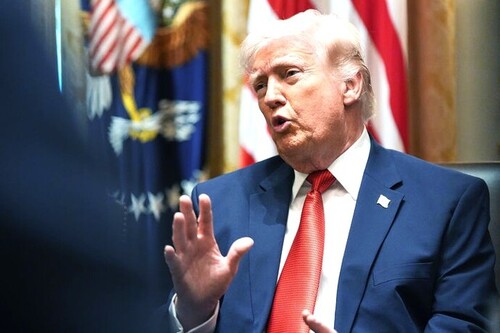
 ▲ 복기왕 의원은 "국토위 간사로서 도로공사 국정감사를 통해 고속도로 내 492MW 규모의 태양광 설치 가능 부지가 이격거리 규제 등으로 방치되고 있는 현실을 확인했다"며, "도로 이격거리 규제를 폐지하면 고속도로 유휴부지를 활용하여 재생에너지 보급을 확대할 수 있고, 이는 산림이나 농지에 대한 개발 압력을 줄이는 효과도 기대된다"고 강조했다. © 복기왕 의원실 |
현행법은 태양광 설비의 이격거리 기준에 대한 명확한 규정이 없어, 지자체마다 조례로 상이한 기준을 적용하고 있다. 현재 전국 228개 기초지자체 중 129개(56.6%)가 이격거리 규제를 시행 중이며, 주거지역 이격거리는 100m에서 최대 1,000m까지, 도로이격거리는 최대 500m까지 지역별로 현저한 편차를 보이고 있다. 이로 인해 2015년이후 태양광 설치 가능 부지가 50% 이상 감소한 것으로 나타났다.
고속도로 유휴부지 492MW 방치...도로 이격거리 규제가 발목
특히 도로 이격거리 규제는 고속도로 유휴부지 활용에도 걸림돌이 되고 있다. 복기왕 의원이 한국도로공사로부터 제출받은 자료에 따르면, 고속도로 내 태양광 발전사업대상지는 총 1,032개소(면적 557만 5천㎡, 용량 641MW)에 달하나, 이 중 설치가 완료된 곳은 298개소(149MW)에 불과하며 734개소(용량 492MW)가 미활용 상태로 남아 있다.
미활용 부지 중 설치 가능 용량의 91%(450MW)를 차지하는 성토사면 497개소는 도로에 인접한 특성상 지자체별 도로 이격거리 규제의 직접적 영향을 받고 있어, 도로이격거리 규제 개선 없이는 활용이 어려운 실정이다.
도로 이격거리 폐지, 주거지역 100m 상한 설정
이에 복기왕 의원이 발의한 개정안은 도로에 대해서는 이격거리를 설정하지 못하도록 하고, 주거지역(단독주택 또는 공동주택이 5호 이상 밀집된 지역) 이격거리는 100m이내로 상한을 설정하도록 했다. 또한 개정안은 주민참여형 발전사업, 건축물·구조물 지붕 설치, 공공기관 설치, 자가소비용 소규모 설비에 대해서는 이격거리 규제를 적용하지 않도록 예외 규정을 두어, 주민 수용성이 높거나 입지 갈등이 적은 사업은 규제 부담 없이 추진할 수 있도록 했다.
아울러 개정안은 정부가 태양광 설비의 주민 수용성 제고를 위한 교육 및 홍보에 적극 노력하도록 책무를 규정하고, 이격거리 규제를 준수하는 사업자에 대해 금융·세제상 지원대책을 마련하도록 했다.
고속도로 유휴부지 활용으로 재생에너지 보급 확대
복기왕 의원은 "국토위 간사로서 도로공사 국정감사를 통해 고속도로 내 492MW 규모의 태양광 설치 가능 부지가 이격거리 규제 등으로 방치되고 있는 현실을 확인했다"며, "도로 이격거리 규제를 폐지하면 고속도로 유휴부지를 활용하여 재생에너지 보급을 확대할 수 있고, 이는 산림이나 농지에 대한 개발 압력을 줄이는 효과도 기대된다"고 강조했다.
복 의원은 “이번 개정안이 농촌 지역의 무분별한 태양광 확산을 조장하는 것이 아니라, 이미 확보된 공공 유휴부지를 우선 활용하여 주민 갈등을 최소화하는 데 초점을 맞추고 있다”고 설명했다.
이어 "지자체별 편차가 큰 이격거리 규제를 일관된 기준으로 법률로 통일하여 2030년 NDC 달성 기반을 마련하고, 주민참여형 사업 등에는 예외를 두어 주민 수용성과 에너지 전환 정책의 조화를 이루겠다"고 밝혔다.
한편, 태양광 설비의 유해성 실증연구 결과 인체·가축에 영향이 없는 것으로 나타났으며, 독일·프랑스 등 유럽 대부분과 미국은 우리나라보다 완화된 이격거리 기준을 적용하고 있다. hpf21@naver.com
* 아래는 위 기사를 '구글 번역'으로 번역한 영문 기사의 [전문]입니다. '구글번역'은 이해도 높이기를 위해 노력하고 있습니다. 영문 번역에 오류가 있을 수 있음을 전제로 합니다.
*The following is [the full text] of the English article translated by 'Google Translate'. 'Google Translate' is working hard to improve understanding. It is assumed that there may be errors in the English translation.
Bok Gi-wang Proposes Highway Solar Power Utilization Bill... "Use Idle Land Instead of Forests and Farmland"
492MW of Idle Highway Land Left Away... Road Clearance Regulations Hinder
Break News, Political Reporter Kim Choong-Lyoul = Representative Bok Gi-wang (Democratic Party of Korea, Asan Gap, Secretary of the Land, Infrastructure and Transport Committee) has proposed a bill to partially amend the Act on the Promotion of the Development, Use, and Distribution of New and Renewable Energy. This bill will eliminate regulatory discrepancies among local governments by specifying the maximum distance limit for solar power generation facilities in law and lay the foundation for achieving the 2030 National Greenhouse Gas Reduction Target (NDC).
Current law lacks clear provisions on the distance limit for solar power generation facilities, leading to local governments applying varying standards through ordinances. Currently, 129 of the 228 local governments nationwide (56.6%) are implementing separation distance regulations. The separation distances in residential areas range from 100 meters to a maximum of 1,000 meters, and those from roads range from a maximum of 500 meters, showing significant regional variation. Consequently, the available solar power installation sites have decreased by more than 50% since 2015.
492MW of Idle Highway Land Abandoned...Road Separation Regulations Hinder
Road separation distance regulations, in particular, are hindering the utilization of idle highway land. According to data submitted to Rep. Bok Gi-wang from the Korea Expressway Corporation, there are 1,032 solar power generation sites on highways (area of 5.575 million square meters, capacity of 641MW). However, only 298 sites (149MW) have been installed, leaving 734 sites (492MW) unused.
Among the unused sites, 497 embankment slopes, representing 91% (450 MW) of the potential installation capacity, are directly affected by local government regulations regarding road clearance due to their proximity to roads. Consequently, utilization is difficult without improvements to these regulations.
Abolishing Road Clearance, Setting a 100m Maximum in Residential Areas
In response, the amendment proposed by Representative Bok Gi-wang prohibits the separation distance from roads and sets a 100m maximum in residential areas (areas with five or more single-family homes or multi-family dwellings). Furthermore, the amendment exempts the separation distance from resident-participatory power generation projects, rooftop installations on buildings and structures, installations by public institutions, and small-scale facilities for personal consumption. This exemption allows projects with high public acceptance or minimal site conflict to proceed without regulatory burden.
The amendment also mandates the government to actively engage in education and public relations efforts to increase public acceptance of solar power installations and establish financial and tax incentives for operators who comply with the distance restrictions.
Expanding Renewable Energy Distribution by Utilizing Idle Highway Land
As the floor leader of the Land, Infrastructure and Transport Committee, I observed through a parliamentary audit of the Korea Expressway Corporation that 492 MW of potential solar power installation sites on highways were being neglected due to distance restrictions. Rep. Bok Ki-wang emphasized, "Abolishing road distance restrictions will allow for the expansion of renewable energy by utilizing idle highway land, which is expected to reduce development pressure on forests and farmland."
Rep. Bok explained, "This amendment does not encourage the indiscriminate expansion of solar power in rural areas, but rather focuses on minimizing conflict among residents by prioritizing the use of already secured public idle land."
He continued, "We will establish a foundation for achieving the 2030 NDC by unifying the widely varying separation distance regulations into consistent legal standards. We will also provide exceptions for projects involving residents, thereby harmonizing public acceptance and energy transition policies."
Meanwhile, empirical studies on the harmful effects of solar power facilities have shown no impact on humans or livestock. Most European countries, including Germany and France, and the United States, apply more lenient separation distance standards than Korea. hpf21@naver.com