외교는 성과보다 방식에서 먼저 정체를 드러낸다. 사진은 하루를 남기지만, 구조는 위기를 견딘다. 이재명 대통령의 이번 방일, 특히 일본 총리 다카이치 사나에와의 나라현 정상회담 역시 이 기준에서 평가되어야 한다. 문제는 단순하다. 이번 만남이 구조를 만들었는가, 아니면 구조를 만들겠다는 의도만 보여주었는가다.
 ▲ 이재명 대통령이 2026년 1월 13일(현지시간) 오후 일본 나라현 한·일 정상회담장에 도착해 다카이치 사나에 일본 총리와 악수하고 있다. ©뉴시스 |
<한국형 협상의 법칙> 저자의 관점에서 보자면, 협상은 설득이 아니라 비용과 선택지를 재배치하는 기술이다. 진정한 협상력은 상대를 감동시키는 데서 나오지 않는다. 결렬되어도 감당 가능한 대안, 즉 스스로의 지렛대를 얼마나 확보했는가에서 나온다. 그런 기준에서 보면, 이번 방일은 분명 감정적 외교를 벗어나려는 시도를 보여주었지만, 아직 협상의 주도권을 장악했다고 보기는 어렵다.
장소 선택부터 그렇다. 나라현은 일본 정치의 중심도, 실질적 권력이 집중된 공간도 아니다. 다카이치 총리가 자신의 고향으로 한국 대통령을 초청한 것은 상징적으로는 파격이지만, 동시에 결단과 비용이 요구되는 협상으로부터 한 발 물러난 선택이기도 하다. 협상에서 장소는 프레임을 만든다. 그러나 프레임이 부드러울수록, 구속력은 약해진다. 이번 회담은 갈등을 완화하는 데는 성공했을지 모르나, 일본을 실질적 선택의 기로로 몰아넣지는 못했다.
과거사 접근 역시 비슷하다. 조세이 탄광 수몰 사고 희생자 유해의 DNA 감정 추진 합의는 인도적 차원에서 의미가 있다. 정당성(Legitimacy)을 갖춘 절차라는 점도 평가할 만하다. 그러나 보수적 시각에서 보면, 이 조치가 다른 과거사 쟁점으로 확장될 수 있는 명확한 기준을 확보했는지는 불분명하다. 구조란 선례 하나로 완성되지 않는다. 오히려 잘못된 선례는 향후 협상의 부담으로 돌아온다.
안보와 경제를 잇는 실무 협력도 마찬가지다. 한·일 경찰청 간 초국가 범죄 공조 제도화, 청년 기술자격 상호인정 확대는 협상의 단위를 키운 패키지화 전략으로 볼 수 있다. 그러나 이 패키지가 한국의 전략적 이익을 명확히 증대시키는 방향으로 설계되었는지, 아니면 상호 호혜라는 명분 속에서 균형을 흐린 것은 아닌지 따져볼 필요가 있다. 패키지는 강자가 설계할 때 유리하다. 주도권 없는 패키지는 양보의 다른 이름이 될 수도 있다.
트럼프 집권 2년 차라는 변수 앞에서 이 한계는 더 분명해진다. 트럼프는 외교를 가치가 아니라 숫자로 본다. 방위비 분담, 주한미군, 동맹의 효율성은 모두 그의 계산표 위에 있다. 한국과 일본이 공조하지 않으면 불리하다는 진단은 옳다. 그러나 이번 회담이 과연 미국을 상대로 한 공동 앵커링(Anchoring)을 실제로 설정했는지, 아니면 내부 결속을 다지는 데 그쳤는지는 아직 확인되지 않았다. 앵커링은 선언이 아니라 제안서로 작동할 때 의미를 갖는다.
중국과 러시아를 향한 절제된 언어 역시 양면성을 지닌다. 자유항행, 국제법, 공급망 안정이라는 표현은 외교적 안전장치이지만, 동시에 전략적 모호성으로 읽힐 위험도 안고 있다.
보수 외교의 관점에서 중요한 것은 상대를 자극하지 않는 것이 아니라, 어디까지가 레드라인인지를 분명히 하는 일이다. 절제는 전략일 수 있으나, 반복되면 회피로 인식될 수 있다.
북한 문제에서도 비슷한 문제가 드러난다. 도발에는 비용, 자제에는 관리라는 조건부 접근은 이론적으로 타당하다. 그러나 그 전제는 한국 스스로의 최선의 대안(BATNA)이 충분히 강할 때만 성립한다. 이번 방일을 통해 한·미·일 공조는 확인됐지만, 한국이 독자적으로 행사할 수 있는 선택지가 실질적으로 강화되었는지는 분명하지 않다.
결국 이번 방일의 평가는 이행의 문제로 귀결된다. 협상은 합의보다 이행에서 실패한다. 구조는 선언이 아니라 문서화(Documentation), 그리고 상대가 체감하는 비용 변화를 통해서만 완성된다. 이번 정상회담은 감정의 외교를 지양하고 계산의 외교를 시도했다는 점에서는 진전이다. 그러나 그것이 곧바로 구조를 장악한 협상으로 이어졌다고 평가하기에는 아직 이르다.
외교는 말이 아니다. 그리고 협상은 의도가 아니다. 구조를 실제로 작동시킬 수 있을 때만, 정상회담은 역사로 남는다. 나라에서 열린 이번 회담은 성과라기보다, 이재명 외교가 앞으로 감당해야 할 시험지에 더 가깝다. Jeongkeekim@naver.com
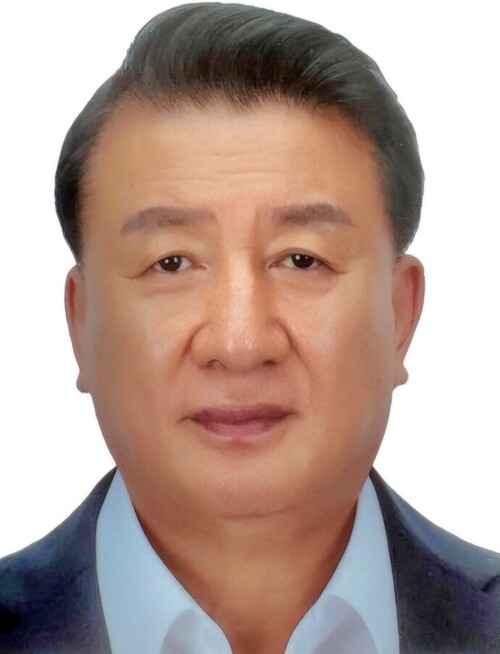
*필자/김정기
 ▲ 필자/김정기 '한국형 협상의 법칙(청년정신사)'의 저자. ©브레이크뉴스 |
● 학력
- 뉴욕주립대학교(Stony Brook) 정치학과 수석 졸업
- 마케트대학교(Marquette) 로스쿨 법학박사
- 하버드대학교(Harvard) 케네디스쿨 최고위 과정
- 베이징대학교(Peking) 북한학 연구학자
● 경력
- 세계스마트시티기구(WeGO) 사무총장 (현)
- 유엔 국제전기통신연합 (UN ITU) 가상세계 및 AI 글로벌 이니셔티브 집행위원(현)
- 아시아태평양지방정부네트워크(CityNet) 대표
- 제8대 주상하이 대한민국 총영사(13등급 대사)
- 2010 상하이엑스포 대한민국관 정부대표
- 제17대 대선 한나라당 이명박 대통령 후보 국제위원장
- 제20대 대선 국민의힘 윤석열 대통령 후보 정치개혁 공약 총괄
- 제21대 대선 국민의힘 김문수 대통령 후보 외교고문
- 자유한국당 오세훈 당대표 후보 SH전략회의 총괄 및 조직본부 총괄본부장
- 자유한국당 서울시장 예비후보
- 법무법인 대륙아주 중국 총괄 미국변호사\
- 난징대학교 국제경제연구소 객좌교수
- 동국대학교 경영전문대학원 석좌교수
- 숭실사이버대학교 총장
● 저서
1. 대학생을 위한 거로영어연구[전 10권](거로출판사)
2. 나는 1%의 가능성에 도전한다(조선일보사)
3. 한국형 협상의 법칙(청년정신사)
4. 대한민국과 세계 이야기 (도서출판 책미듬)
5. Korea and the World (Advance Reader Copy)
*아래는 위 기사를 '구글 번역'으로 번역한 영문 기사의 [전문]입니다. '구글번역'은 이해도 높이기를 위해 노력하고 있습니다. 영문 번역에 오류가 있을 수 있음을 전제로 합니다.<*The following is [the full text] of the English article translated by 'Google Translate'. 'Google Translate' is working hard to improve understanding. It is assumed that there may be errors in the English translation.>
Summit Held in Nara, Japan... "Lee Jae-myung's Negotiations Are Still Incomplete"
- Columnist Kim Jeong-gi
Diplomacy reveals its true nature through methods rather than outcomes. Photos last a day, but structures endure crises. President Lee Jae-myung's recent visit to Japan, and especially his Nara Prefecture summit with Japanese Prime Minister Sanae Takaichi, must be evaluated by this standard. The question is simple: Did this meeting create a structure, or did it merely demonstrate the intention to create one?
From the perspective of the author of "The Laws of Korean Negotiation," negotiation is not a matter of persuasion, but rather a skill for rearranging costs and options. True negotiating power does not come from impressing the other party. It comes from securing a viable alternative, that is, the level of leverage one has secured, even if the negotiations break down. By that standard, this visit to Japan clearly demonstrated an attempt to move beyond emotional diplomacy, but it is difficult to say that he has yet to seize the initiative in negotiations.
This is evident even in the choice of venue. Nara Prefecture is neither the center of Japanese politics nor a place where real power is concentrated. Prime Minister Takaichi's invitation to the South Korean president to his hometown was a symbolic departure, but it also represented a step back from negotiations that require decisive action and significant costs. In negotiations, venues create a framework. However, the softer the framework, the weaker the binding force. While this summit may have succeeded in easing the conflict, it failed to force Japan into a practical decision-making process.
The approach to historical issues is similar. The agreement to pursue DNA testing on the remains of victims of the Josei coal mine flooding accident is significant from a humanitarian perspective. It is also commendable that this process possesses legitimacy. However, from a conservative perspective, it is unclear whether this measure establishes clear criteria that can be extended to other historical issues. A structure is not established by a single precedent. In fact, a flawed precedent can become a burden in future negotiations.
The same applies to practical cooperation linking security and the economy. The institutionalization of transnational criminal cooperation between the Korean and Japanese police agencies and the expansion of mutual recognition of technical qualifications for young people can be seen as a packaged strategy that broadens the scope of negotiations. However, it is necessary to examine whether this package was designed to clearly enhance South Korea's strategic interests, or whether it disrupted the balance under the guise of mutual benefit. Packages are advantageous when designed by the powerful. A package without initiative can be seen as another form of concession.
This limitation becomes even more evident in the context of the second year of the Trump administration. Trump views diplomacy as a number, not a value. Defense cost-sharing, USFK, and the effectiveness of the alliance are all on his calculations. The assessment that South Korea and Japan will be disadvantaged if they do not cooperate is correct. However, it remains to be seen whether this meeting truly established a joint anchoring strategy against the US or merely strengthened internal solidarity. Anchoring is meaningful when it operates as a proposal, not a declaration.
The restrained language directed at China and Russia also carries a duality. While expressions like freedom of navigation, international law, and supply chain stability serve as diplomatic safeguards, they also run the risk of being interpreted as strategic ambiguity.
From a conservative diplomatic perspective, the key is not to avoid provoking the other party, but to clearly define the red line. Moderation may be strategic, but if repeated, it can be perceived as evasion.
A similar problem arises in the North Korea issue. The conditional approach of cost for provocation and management for restraint is theoretically sound. However, this premise only holds true when South Korea's own Best Action Plan (BATNA) is sufficiently strong. While this visit to Japan confirmed the cooperation among South Korea, the US, and Japan, it is unclear whether South Korea's independent options have been substantially strengthened.
Ultimately, the evaluation of this visit boils down to the issue of implementation. Negotiations fail more in implementation than in agreement. Structure is achieved not through declarations but through documentation, and only through changes in perceived costs for the other party. This summit was a step forward in that it attempted to eschew emotional diplomacy and instead embrace calculated diplomacy. However, it is premature to conclude that this directly led to negotiations that established the structure.
Diplomacy is not a matter of words. And negotiation is not a matter of intention. A summit becomes a historic event only when the structure can actually function. This summit, held in South Korea, is less an achievement and more a test for Lee Jae-myung's diplomacy going forward. Jeongkeekim@naver.com
*Author/Kim Jeong-gi
● Education
- Summa Cum Laude, Department of Political Science, State University of New York (Stony Brook)
- Doctor of Law, Marquette Law School
- Harvard Kennedy School, Executive Program
- North Korean Studies Research Scholar, Peking University
● Career
- Secretary General of the World Smart Cities Organization (WeGO) (current)
- Executive Committee Member, Virtual World and AI Global Initiative, International Telecommunication Union (ITU)
- Representative, Asia-Pacific Local Government Network (CityNet)
- 8th Consul General of the Republic of Korea in Shanghai (Ambassador, Class 13)
- Government Representative, Republic of Korea Pavilion, 2010 Shanghai Expo
- Chairman of the International Affairs Committee, Grand National Party (GNP) Presidential Candidate Lee Myung-bak in the 17th Presidential Election
- Chief of Political Reform Pledges, People Power Party (PPP) Presidential Candidate Yoon Seok-yeol in the 20th Presidential Election
- President Kim Moon-soo of the People Power Party in the 21st Presidential Election Foreign Affairs Advisor to the Candidate
- Oh Se-hoon, Liberty Korea Party Candidate for Party Leadership, SH Strategy Council, and Head of the Organization Headquarters
- Liberty Korea Party Candidate for Seoul Mayor
- American Attorney, Head of China, Continental Law Firm
- Visiting Professor, Nanjing University International Economics Institute
- Distinguished Professor, Dongguk University Graduate School of Business
- President, Soongsil Cyber University
● Books
1. Georo English Studies for College Students [10 Volumes] (Georo Publishing)
2. I Challenge the 1% Chance (Chosun Ilbo)
3. The Law of Korean Negotiation (Chungnyeon Jeongshinsa)
4. Stories of Korea and the World (Chaekmidum Publishing)
5. Korea and the World (Advance Reader Copy)