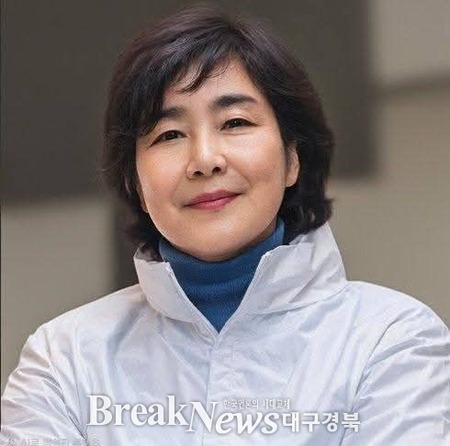
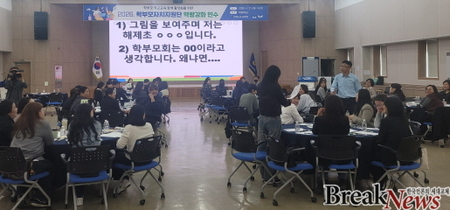
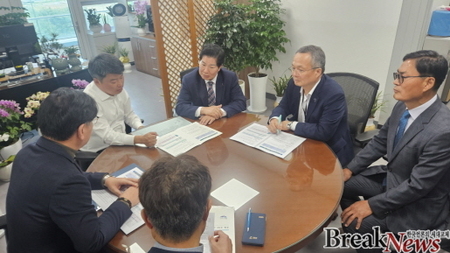
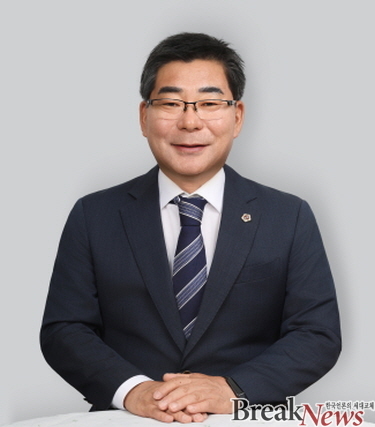
▲ 대한민국교육감협의회, 행정통합 추진 따른 교육자치 보장 및 교육주체 참여 확보 촉구 입장문 발표(사진제공:대한민국교육감협의회) © 박상도 기자 |
(브레이크뉴스인천 박상도 기자) 대한민국교육감협의회(회장 강은희 대구광역시교육감, 이하 협의회)가 현재 추진되고 있는 대전·충남, 광주·전남 행정통합 논의 과정에서 교육정책을 책임지고 있는 교육청과 교육공동체의 목소리는 소외되고 있다며, 행정통합 추진에 따른 교육자치 보장 및 교육주체 참여 확보를 촉구하는 입장문을 발표했다.
협의회는 입장문을 통해 “대한민국 헌법 31조는 교육의 자주성·전문성·정치적 중립성을 보장하고 있다.”며, 행정통합 특별법 제정 과정에서 교육자치의 독립적 위상을 명확히 명문화할 것을 요구했다.
또한, “교육은 행정통합의 부수적 사안이 아니며, 교육계와의 협의나 교육공동체의 의견 수렴 없이 추진되는 특별법안은 교육 현장의 혼란만 초래할 뿐이다.”라며 민주적 정당성의 결여를 지적했다.
마지막으로“기존 법안에 포함됐던 교육감 선출방식의 변경, 지자체의 교육 분야 감사권 강화 등은 교육자치의 기본 원칙에 부합하도록 전면 재검토되어야 한다.”며, “지방자치의 한 축인 교육자치의 근간이 되는 교육감 직선제 원칙과 독립 감사권, 교육재정 집행권 등은 어떠한 경우에도 훼손될 수 없다.”고 밝혔다.
다음은 대한민국교육감협의회 입장문 전문이다.
교육의 헌법 가치 수호를 위한 대한민국교육감협의회 입장문
대전․충남 행정통합 추진에 따른 교육자치 보장 및 교육주체 참여 확보 촉구
대한민국교육감협의회(회장 강은희 대구광역시교육감, 이하 협의회)는 최근 정치권과 지자체를 중심으로 논의되고 있는 ‘대전․충남, 광주․전남 행정통합’과 관련하여, 교육의 자주성·전문성·정치적 중립성이라는 헌법적 가치가 통합 논의 전 과정에서 충실히 반영되기를 바라는 마음으로 17개 시도교육감의 뜻을 모아 다음과 같이 입장을 밝힌다.
교육은 단순한 행정 서비스의 일환이 아니라 학생의 학습권을 보장하고 지역의 미래를 결정짓는 핵심 공공영역이다. 그럼에도 현재 추진되고 있는 대전·충남 행정통합 논의 과정에서 교육정책을 책임지고 있는 교육청과 교육공동체의 목소리는 소외되고 있다.
이에 지방행정체제 통합이라는 행정 효율성에 매몰되어 교육자치의 본질이 외면받는 상황에 깊은 우려를 표한다. 이에 우리 협의회는 향후 행정통합 논의 및 특별법 제정 과정에서 아래 사항이 충분히 반영되기를 강력히 촉구한다.
1. 교육의 ‘헌법적 가치’와 교육자치의 독립성 보장
대한민국 헌법 제31조는 모든 국민이 균등하게 교육받을 권리를 명시하고 있고, 국민의 기본권으로서 교육이 갖는 자주성과 전문성, 정치적 중립성을 보장하고 있다. 이러한 헌법 정신에 기반해 통합 논의의 모든 과정에서 교육자치의 기본원리인 교육의 자주성․전문성․정치적 중립성은 엄중히 보장되어야 한다. 또한, 특별법 제정 과정에서도 학생의 학습권 보호와 교육의 공공성을 최우선에 두고, 교육자치의 독립적 위상을 명확히 명문화할 것을 요구한다.
2. 교육공동체의 공식적·실질적 참여 확보
교육은 행정통합의 부수적 사안이 아니며, 학생과 학부모에게 있어 행정구역 통합은 교육활동 구조와 학교생활을 송두리째 바꾸는 중대한 사안이다. 그러나 현재 국회에 발의된 특별법안은 지자체 주도로 추진되는 과정에서 교육계와의 협의나 교육공동체의 의견 수렴이 충분히 이뤄지지 않았던 점을 지적하지 않을 수 없다. 민주적 정당성이 결여된 통합은 절차적 흠결은 물론 교육 현장의 혼란만 초래할 뿐이다.
따라서 이번 행정통합 논의와 정부 및 국회 차원의 특별법 제정 과정에서 교육 주체의 의견을 수렴하는 절차가 반드시 확보되어야 한다. 교육공동체의 공식적이고 실질적인 참여 방안을 마련하고, 교육현장의 목소리를 적극 반영해 주기 바란다.
3. 교육감 선출방식 및 교육자치의 핵심 제도에 대한 신중한 접근
최근 거론되는 현행 직선제 교육감 선출방식에 대한 변경과 지자체장에 의한 교육 분야 감사권 강화 등의 시도는 교육자치의 뿌리를 흔드는 조항이다. 이는 교육행정의 자율성을 심각하게 위축시키고 교육을 일반 행정의 하위에 두려는 시도라 할 수 있다.
따라서 기존 법안에 포함됐던 교육감 선출방식의 변경, 지자체의 교육 분야 감사권 강화 등은 교육자치의 기본 원칙에 부합하도록 전면 재검토되어야 한다. 지방자치의 한 축인 교육자치의 근간이 되는 교육감 직선제 원칙과 독립 감사권, 교육재정 집행권 등은 어떠한 경우에도 훼손될 수 없음을 강력히 촉구한다.
우리 협의회는 이번 통합 논의가 대한민국 교육자치의 역사를 퇴보시키는 전례가 되지 않기를 바라며, 교육의 공공성과 학생들의 미래를 지키는 일에 정부와 지자체, 그리고 국회가 책임 있는 논의와 협력을 이어가 주기를 요청한다.
2026년 1월 15일
대한민국교육감협의회
<*아래는 위 기사를 '구글번역'으로 번역한 영문기사의 [전문]입니다.‘구글번역’은 이해도 높이기를 노력하고 있습니다. 영문 번역에 오류가 있을 수 있음을 전제로 합니다.><*Below is the full text of the English translation of the above article, translated using Google Translate. Google Translate strives to improve comprehension. Please understand that errors may exist in the English translation.>
"Education is not a secondary issue to administrative integration." The Korean Council of Superintendents of Education issued a statement.
They demanded that the independent status of educational autonomy be explicitly stated in the special law on administrative integration, and pointed out the lack of democratic legitimacy in the special law, which marginalizes the opinions of educational stakeholders.
-Break News Incheon Park Sang-do Reporter
The Korean Council of Superintendents of Education (Chairman Kang Eun-hee, Daegu Metropolitan City Superintendent of Education, hereinafter referred to as the Council) issued a statement urging the guarantee of educational autonomy and the participation of educational stakeholders in the administrative integration process, arguing that the voices of the education offices and educational communities responsible for educational policy are being marginalized during the ongoing discussions on the administrative integration of Daejeon and South Chungcheong Province and Gwangju and South Jeolla Province.
In its statement, the council stated, "Article 31 of the Constitution of the Republic of Korea guarantees the autonomy, expertise, and political neutrality of education." It also called for the independent status of educational autonomy to be clearly stipulated in the process of enacting the Special Act on Administrative Integration.
Furthermore, it pointed out the lack of democratic legitimacy, stating, "Education is not a secondary issue to administrative integration. A special law that is being promoted without consultation with the educational community or gathering input from the educational community will only lead to confusion in the educational field."
Finally, it stated, "Changes to the method for electing superintendents of education and strengthening local governments' authority to audit the education sector, which were included in the existing bill, must be comprehensively reexamined to ensure compliance with the fundamental principles of educational autonomy." It added, "The principles of direct election of superintendents of education, independent auditing rights, and educational budget execution rights, which form the foundation of educational autonomy as a pillar of local autonomy, cannot be undermined under any circumstances."
The following is the full statement from the Korean Council of Superintendents of Education.
Statement by the Korean Council of Superintendents of Education on Upholding the Constitutional Values of Education
Calling for Guaranteed Educational Autonomy and Participation of Educational Stakeholders in the Progress of the Daejeon-Chungnam Administrative Integration
The Korean Council of Superintendents of Education (Chairperson Kang Eun-hee, Daegu Metropolitan City Superintendent of Education, hereinafter referred to as the Council) expresses the following position, gathered together by the 17 metropolitan and provincial superintendents of education, regarding the recent political and local government discussions surrounding the administrative integration of Daejeon-Chungnam and Gwangju-Jeonnam. We hope that the constitutional values of educational autonomy, expertise, and political neutrality will be faithfully reflected throughout the integration process.
Education is not simply a part of administrative services; it is a core public sector that guarantees students' right to education and determines the future of the region. Nevertheless, the voices of the Office of Education and the educational community, which are responsible for educational policy, are being marginalized in the current discussions on the administrative integration of Daejeon and Chungnam.
We express deep concern that the essence of educational autonomy is being neglected in favor of administrative efficiency through the integration of local administrative systems. Therefore, our council strongly urges that the following issues be fully reflected in future administrative integration discussions and the enactment of special laws:
1. Guaranteeing the "Constitutional Value" of Education and the Independence of Educational Autonomy
Article 31 of the Constitution of the Republic of Korea stipulates the right of all citizens to an equal education and guarantees the autonomy, expertise, and political neutrality of education as fundamental rights of the people. Based on this constitutional spirit, the fundamental principles of educational autonomy—autonomy, expertise, and political neutrality—must be strictly guaranteed throughout all integration discussions. Furthermore, we demand that the enactment of special laws prioritize protecting students' right to education and the public nature of education, and clearly stipulate the independent status of educational autonomy.
2. Ensuring the Formal and Substantial Participation of the Educational Community
Education is not a secondary issue to administrative integration. For students and parents, administrative district integration represents a significant event that fundamentally alters the structure of educational activities and school life. However, it is crucial to point out that the special bill currently proposed to the National Assembly, while being promoted by local governments, did not sufficiently consult with the education community or gather input from the educational community. Integration lacking democratic legitimacy will only lead to procedural flaws and confusion in the educational field.
Therefore, procedures for gathering input from educational stakeholders must be established during the current administrative integration discussions and the enactment of special laws at the government and National Assembly levels. We urge the government to establish formal and substantive measures for the educational community and actively incorporate the voices of the educational community.
3. A Prudent Approach to the Superintendent Election Method and Core Institutions of Educational Autonomy
Recently discussed changes to the current direct election system for superintendents of education and attempts to strengthen local government heads' authority to audit the education sector undermine the very foundations of educational autonomy. These provisions severely undermine the autonomy of educational administration and constitute an attempt to subordinate education to general administration.
Therefore, the changes to the superintendent election method and the strengthening of local governments' authority to audit the education sector, which were included in the existing bill, must be comprehensively reexamined to ensure compliance with the fundamental principles of educational autonomy. We strongly urge that the principles of direct election of superintendents, independent auditing rights, and educational budget execution rights, which form the foundation of educational autonomy as a pillar of local autonomy, be under no circumstances undermined.
Our council hopes that this integration discussion will not set a precedent that would set back the history of educational autonomy in the Republic of Korea. We urge the central government, local governments, and the National Assembly to continue responsible discussions and cooperation to protect the public nature of education and the future of students.
January 15, 2026
Korean Council of Superintendents of Education
원본 기사 보기:ebreaknews.com