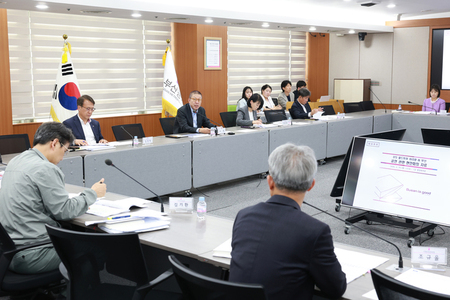
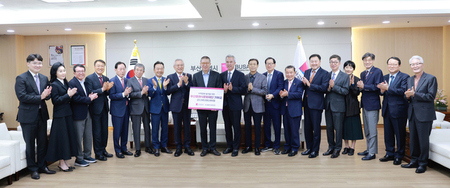
▲ 귀농귀촌 화합한마당 행사 모습 |
[브레이크뉴스=황민성 기자] 하동군에 사람이 모이고 있다.
2025년에 하동으로 귀농·귀촌한 인구가 1,460세대, 1,809명이다.
이는 하동군 전체 인구(약 4만 명)의 4.5%에 해당하는 규모로, 최근 3년 연속 인구의 4% 이상이 해마다 유입되고 있다.
2023년 1,652명, 2024년 1,673명에 이어 2025년 다시 한번 역대 최대치를 경신했다.
귀농·귀촌 인구의 꾸준한 증가는 전체 인구 감소 폭을 크게 낮추며, 하동 인구구조에 의미 있는 변화를 만들어 가고 있다.
◇ 귀농보다 귀촌이 대세, ‘농촌의 삶’을 선택하다
2025년 귀농·귀촌의 가장 큰 특징은 귀촌 중심 구조다. 전체의 92%가 귀촌이고 귀농은 8%를 차지했다.
이 흐름은 3년간 비슷하다. 농업에 직접 종사하기보다는, 좋은 자연환경과 여유로운 삶을 선택하는 이들이 점점 늘고 있는 것이다.
지리산과 섬진강, 남해 바다가 어우러진 하동군의 아름다운 자연 환경이 귀촌인을 부르고 있다.
거기에 3만 명이 넘게 듣는 ‘하동아카데미’, ‘100원 버스’로 대표되는 대중교통 혁신, ‘보건의료원’ 착공 등 생활 SOC 확충을 중심으로 한 ‘컴팩트 매력도시’ 정책이 꾸준히 이어지면서 정주 여건을 빠르게 끌어올리고 있다.
무엇보다 먼저 정착한 귀촌인들의 높은 만족도가 또 다른 귀촌인을 불러들이는 선순환 구조가 형성되고 있다는 점이 눈에 띈다.
 ▲ 생활기술 교육 |
◇ 50·60대 중심, 그리고 청년의 발걸음
연령대별로는 50대(24%)와 60대(22%)가 가장 큰 비중을 차지했다. 은퇴 이후의 삶을 준비하거나, 인생 2막을 농촌에서 시작하려는 중장년층의 선택이 여전히 귀농·귀촌의 중심을 이루고 있다.
특히 주목할 점은 20~40대 청년층이 45%에 이른다는 것이다. 농사 경험도, 농촌 생활의 기반도 없는 청년 세대 600명 이상이 하동을 선택했다는 것은 아주 고무적이다.
비싼 도시 생활비에 쫓기고 알바식 일자리에 지친 청년들, 사람이 많지 않은 곳에서도 전문성을 발휘할 수 있는 청년들, 농사와 농특산물로 새로운 도전을 하려는 젊은 세대들이 꾸준히 들어오고 있다.
‘정착형 0원 청년임대주택’, ‘7세까지 월 60만 원씩 지원하는 아동수당’ 등 하동군이 펼치는 “청년이 원하는 대로” 정책이 크게 호응을 받고 있다.
여기에 옥종면 딸기나 화개면 녹차 농사가 농사로도 도시인 못지않은 소득을 올릴 수 있음을 증명하며, 청년 귀농인의 도전을 부르고 있다. 하동은 이제 단순한 ‘노후 정착지’를 넘어, 다양한 세대가 공존하는 공간으로 변화하고 있다.
◇ 혼자, 그러나 단단하게. 1인 세대 중심 이주
전체 귀농·귀촌 세대의 약 79%가 1인 세대였다. 귀농 세대 역시 10명 중 7명 이상이 1인 세대다. 가족 단위보다는 개인의 선택으로 농촌을 찾는 경향이 뚜렷하게 나타났다.
이는 앞으로 주거, 일자리, 복지 정책이 ‘1인 맞춤형 정착 지원’과 하동에서 새로운 네트워크, 공동체 활동이 중요해지고 있음을 시사한다.
 ▲ 하동에서 1주 어때 |
◇ 삶의 방식에 따라 특징이 분명한 면 지역을 선택하는 귀농·귀촌
이주 지역에도 뚜렷한 차이가 나타났다. 귀촌인은 생활 편의성과 접근성이 좋은 하동읍, 진교면, 옥종면이 많았고, 이어 경관이 뛰어나고 기존 귀촌인이 많은 악양면, 화개면으로 몰렸다.
귀농인은 옥종면, 횡천면, 진교면 등 농업 여건이 우수한 지역을 선택했다. 옥종면은 딸기 생산이 면 단위로는 전국 1위다. 농가별 매출이 평균 1억 5천만 원에 달해 귀농 1번지로 꼽힌다. 시설하우스의 부족으로 대기수요가 발생할 정도다.
딸기 농사를 짓지 않더라도 딸기 수확 유통 등 연관 된 일을 하거나 농사를 배우며 하우스를 기다리면서 귀촌인도 많다.
횡천면도 딸기, 블루베리, 미나리 등 시설하우스 재배가 늘어나면서 귀농인이 해마다 늘고 있다.
이는 귀농과 귀촌이 각기 다른 목적과 삶의 방식을 담고 있음을 보여주는 결과다.
◇ 가장 가까운 곳에서 시작된 변화
귀농·귀촌 전 거주지는 경남(37.2%)과 부산(21%)이 절반 이상을 차지했다.
경남 지역 도시 중에서는 하동군 이웃 도시인 진주에서 많이 들어왔다. 가장 가까운 도시에서 농촌으로 이동, ‘멀지 않은 귀촌’이 현실이 되는 셈이다.
하동군 관계자는 “귀농·귀촌은 단순한 인구 이동이 아니라 삶의 가치와 방향을 바꾸는 선택”이라며, “앞으로도 정착 단계별 맞춤 지원과 생활 기반 확충을 통해, 하동이 ‘머무르고 싶은 곳’이 될 수 있도록 노력하겠다”라고 밝혔다.
*아래는 위 기사를 '구글 번역'으로 번역한 영문 기사의 [전문]입니다. '구글번역'은 이해도 높이기를 위해 노력하고 있습니다. 영문 번역에 오류가 있을 수 있음을 전제로 합니다.<*The following is [the full text] of the English article translated by 'Google Translate'. 'Google Translate' is working hard to improve understanding. It is assumed that there may be errors in the English translation.>
[Planning] Rural Living is the Trend, with People Choosing "Rural Life" Over Farming
Hadong County Sees Population Influx of Over 4% for Three Consecutive Years...Ages from Young Adults to Middle-Aged
People are flocking to Hadong County.
By 2025, 1,460 households and 1,809 people will have moved to Hadong to farm or live in the countryside.
This represents 4.5% of Hadong County's total population (approximately 40,000), and over 4% of the population has been moving there annually for the past three consecutive years.
Following 1,652 in 2023 and 1,673 in 2024, the number will reach a record high again in 2025.
The steady increase in the population returning to farming and rural life is significantly slowing the overall population decline and creating meaningful changes in Hadong's population structure.
◇ Returning to the countryside is the trend, choosing "rural life"
The most notable characteristic of returning to the countryside and farming in 2025 is the focus on returning to the countryside. Ninety-two percent of all returns are rural, with farming accounting for 8%.
This trend has been consistent for the past three years. A growing number of people are choosing the beautiful natural environment and leisurely lifestyle over direct agricultural work.
Hadong County's beautiful natural environment, encompassing the Jirisan Mountains, the Seomjin River, and the South Sea, is attracting returnees.
Furthermore, the "Compact Attractive City" policy, which focuses on expanding social infrastructure, such as the "Hadong Academy," which attracts over 30,000 students, the "100 Won Bus," and the commencement of construction on the "Health and Medical Center," is steadily improving living conditions.
Above all, the high satisfaction of those who have already settled in the countryside is creating a virtuous cycle, attracting more returnees.
◇ Focus on People in Their 50s and 60s, and the Steps of Young People
By age, those in their 50s (24%) and 60s (22%) accounted for the largest proportion. Middle-aged people preparing for retirement or seeking to begin a second chapter in their lives in the countryside continue to be the primary drivers of rural migration.
Of particular note is that young people in their 20s and 40s account for 45% of the population. It's encouraging that over 600 young people, many without farming experience or a foundation in rural life, have chosen Hadong.
Young people, burdened by the high cost of living and tired of part-time jobs, those who can demonstrate their expertise in less crowded areas, and those seeking new challenges in farming and agricultural specialties, are steadily moving into Hadong.
Hadong County's "Youth-Oriented" policies, such as the "Settlement-Type 0 Won Youth Rental Housing" and the "Children's Allowance of 600,000 Won per Month for Up to Age 7," are receiving a great response.
Here, strawberry farming in Okjong-myeon and green tea farming in Hwagae-myeon are proving that farming can generate income comparable to that of urban dwellers, encouraging young people to take on the challenge of returning to farming. Hadong is now transforming beyond a simple "retirement destination" into a space where diverse generations coexist.
◇ Alone, but Strongly. Migration Focused on Single-Person Households
Approximately 79% of all returning farmers and rural residents were single-person households. More than seven out of ten of these returning farmers are also single-person households. There is a clear trend of individuals choosing rural areas rather than families.
This suggests that housing, employment, and welfare policies will focus on "tailored settlement support for single individuals," and that new networks and community activities will become increasingly important in Hadong.
◇ Returning to Farming and Rural Areas: Choosing Distinct Townships Based on Their Lifestyle
Distinct differences also emerged among those moving to rural areas. Many returning rural residents flocked to Hadong-eup, Jingyo-myeon, and Okjong-myeon, which offer convenient living conditions and accessibility. They were followed by Akyang-myeon and Hwagae-myeon, which boast beautiful scenery and a large population of returning rural residents.
Returning farmers chose areas with excellent agricultural conditions, such as Okjong-myeon, Hoengcheon-myeon, and Jingyo-myeon. Okjong-myeon ranks first in the nation in strawberry production at the county level. With average sales per farm reaching 150 million won, it's considered a top destination for returning farmers. A shortage of greenhouses has led to a waiting list of farmers.
Even if they don't grow strawberries, many return to the countryside to work in related fields like strawberry harvesting and distribution, or learn farming skills while waiting for greenhouses.
Hoengcheon-myeon is also seeing a yearly increase in the number of returning farmers, driven by the increased greenhouse cultivation of strawberries, blueberries, and water parsley.
This demonstrates that returning to farming and returning to the countryside represent distinct goals and lifestyles.
◇ Changes Begin Nearby
More than half of those who moved to farming or the countryside resided in South Gyeongsang Province (37.2%) and Busan (21%).
Among the cities in South Gyeongsang Province, the majority came from Jinju, a neighboring city in Hadong County. Moving from the nearest city to the countryside, "returning to the countryside within easy reach" is becoming a reality.
A Hadong County official stated, "Returning to the countryside is not simply a population movement; it's a choice that changes the values and direction of life." They added, "We will continue to strive to make Hadong a 'place people want to stay' by providing tailored support at each stage of settlement and expanding the living infrastructure."
원본 기사 보기:브레이크뉴스경남